 English
 русский
 Español
 Français
 عربى
عربى italiano
Multi-product thermal display cabinet
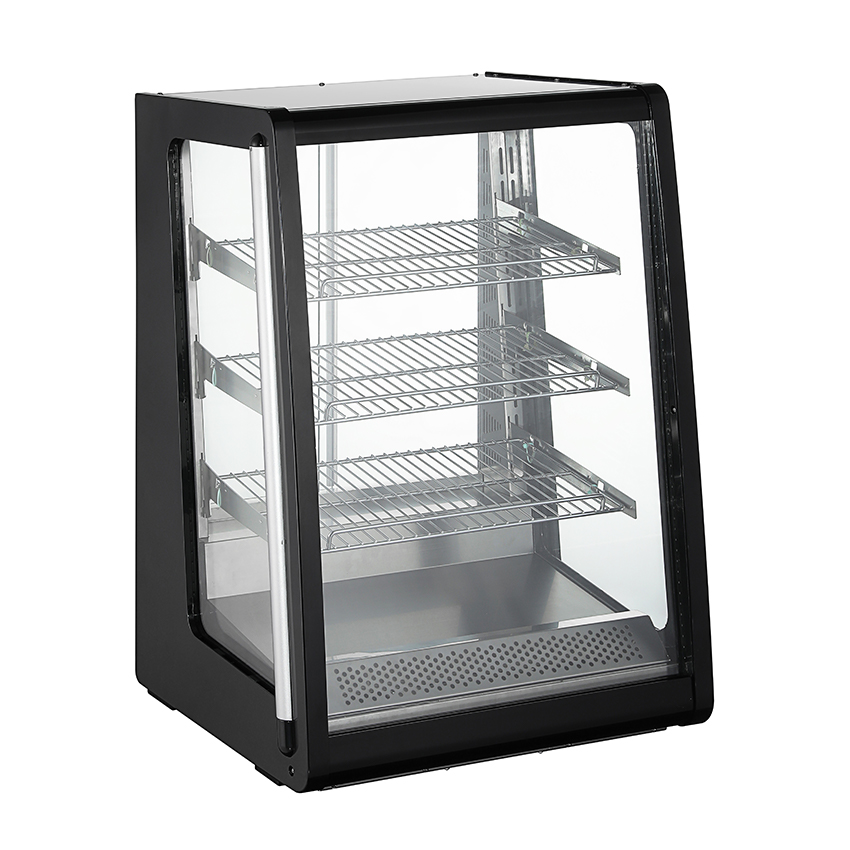
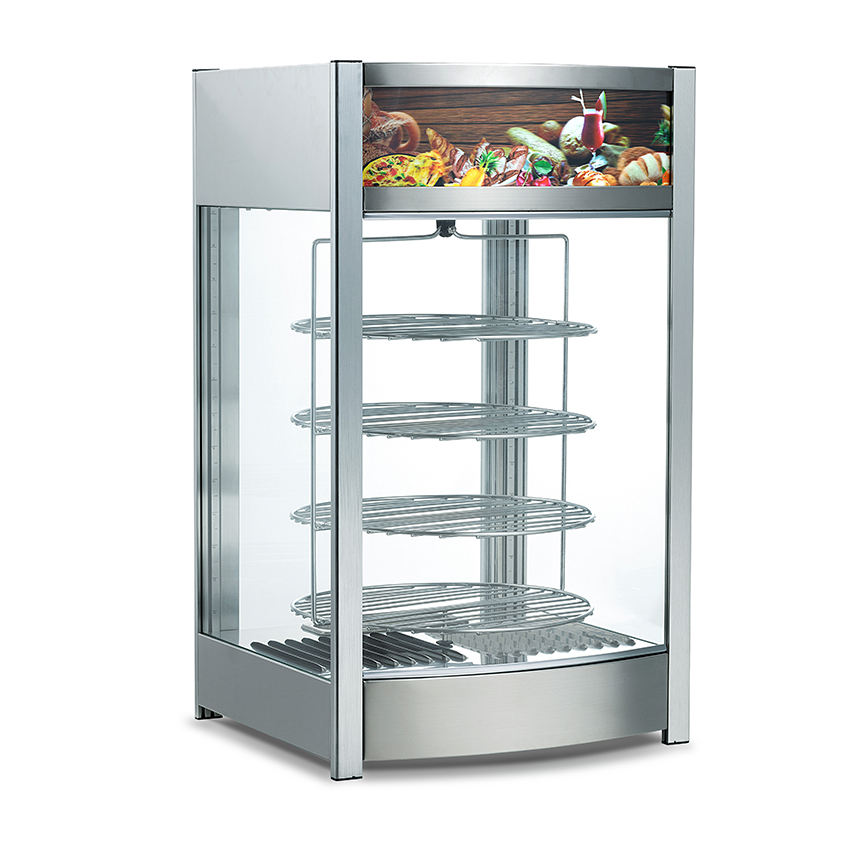
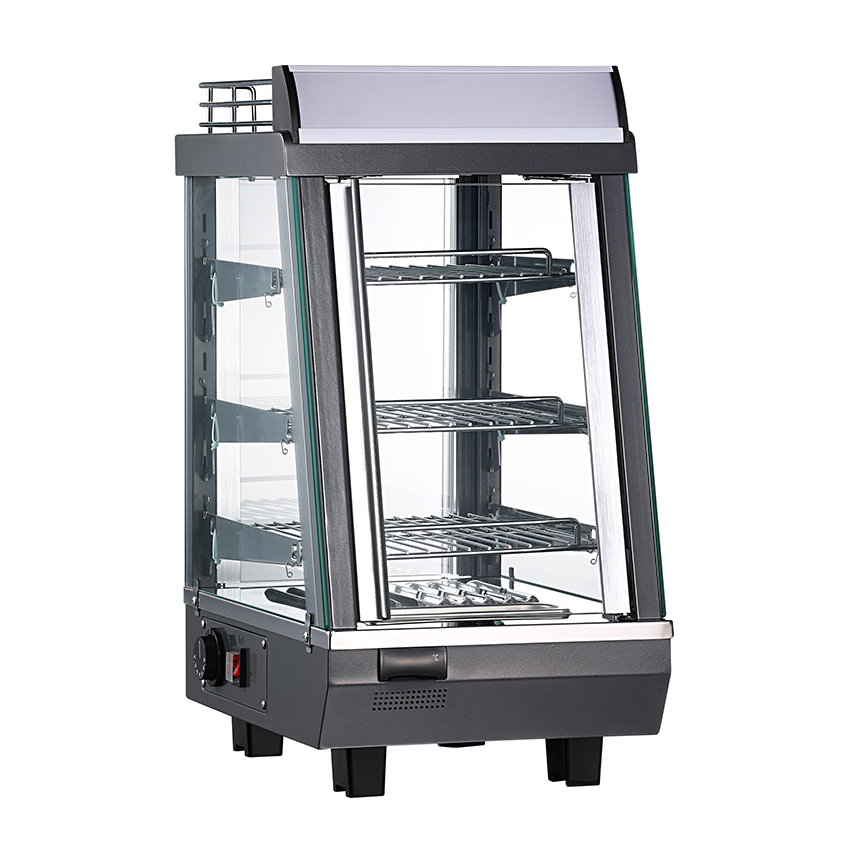
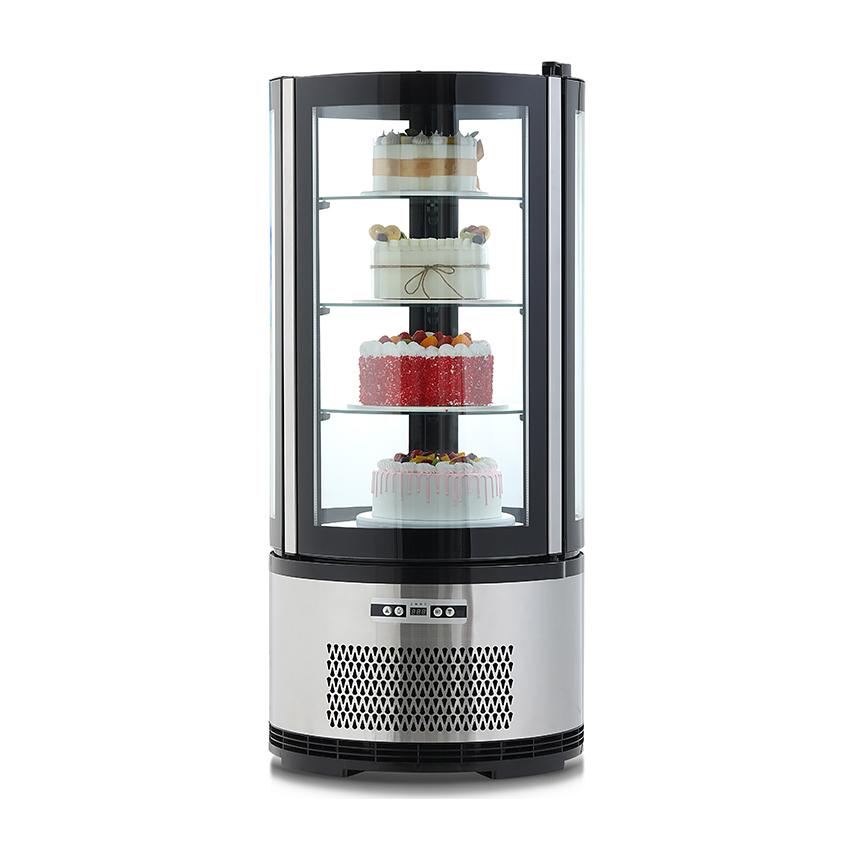
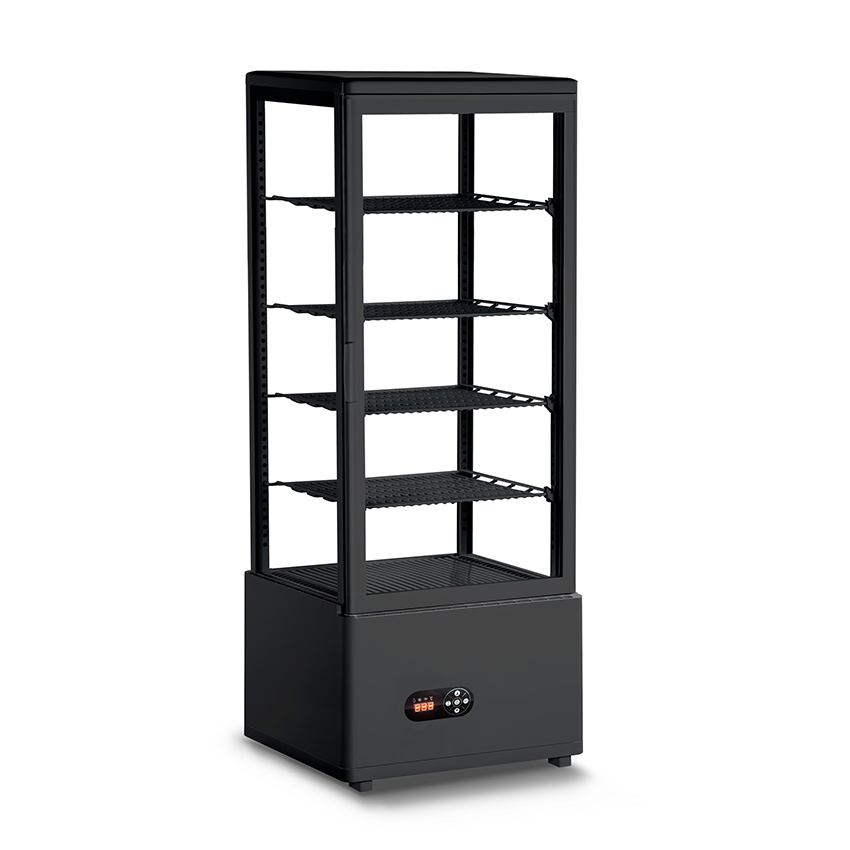
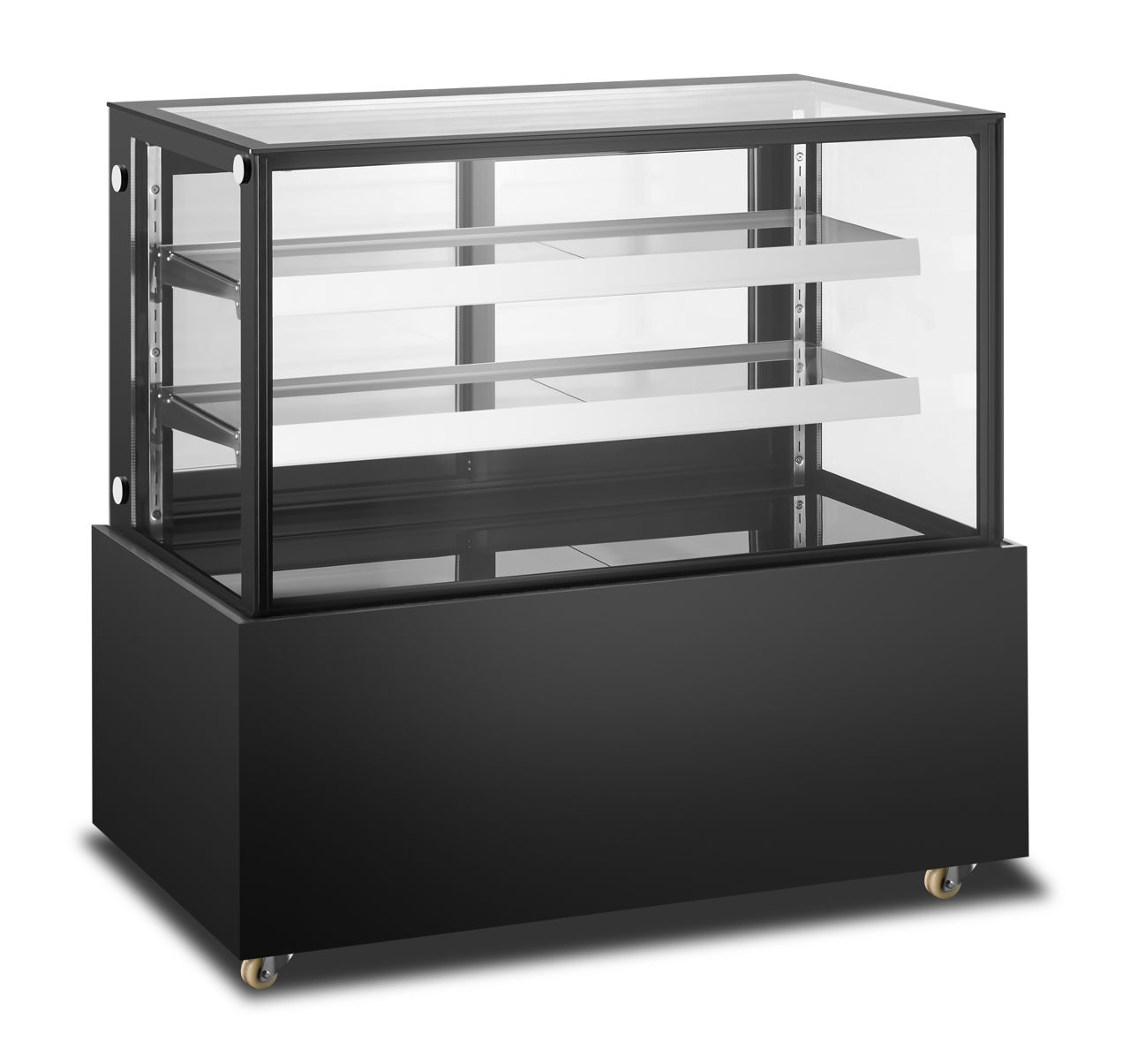
The multi-product thermal insulation display cabinet has various sizes, elegant appearance and unique design. It ad...



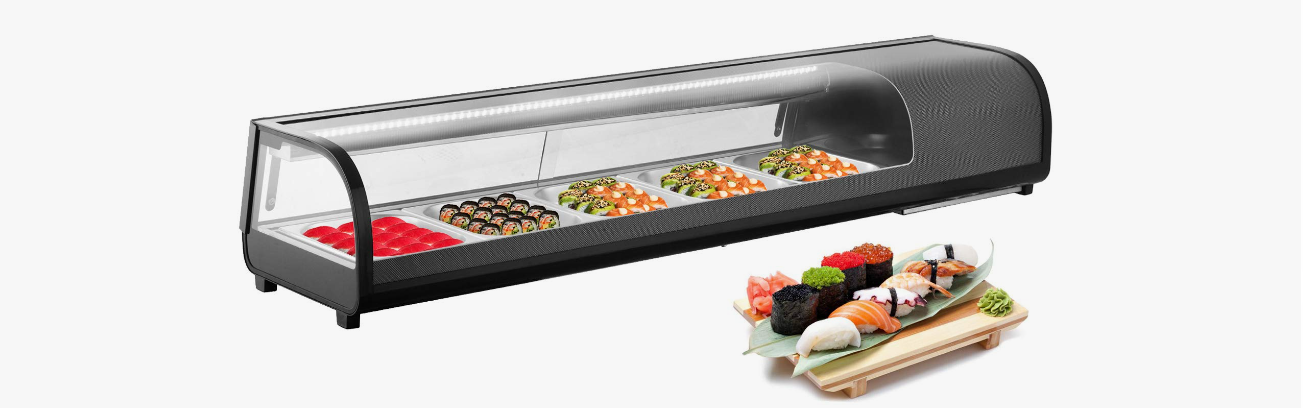
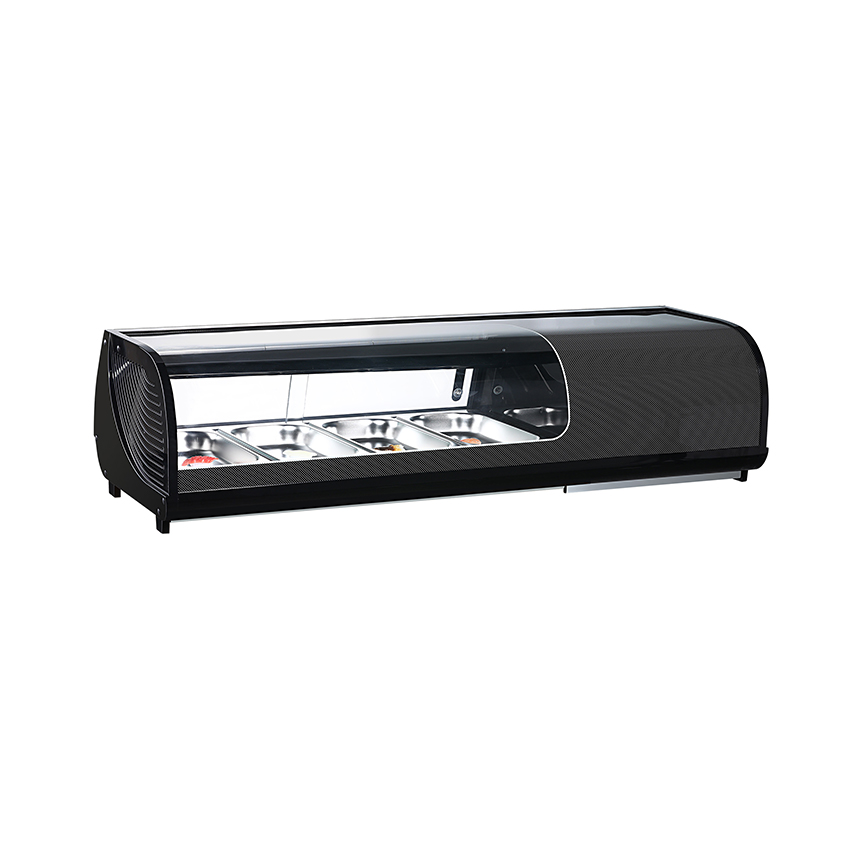
Sushi is a traditional Japanese delicacy, renowned for its fresh and refreshing taste. Fresh ingredients are key to making delicious sushi, so maintaining the freshness of sushi ingredients is crucial. In restaurants, sushi bars, and other establishments, sushi display cabinets play a vital role as the core equipment for displaying and preserving ingredients. They must not only showcase the exquisite appearance of the sushi but also ensure the freshness of the ingredients during prolonged display.
This article will guide you through how sushi display cabinets maintain the freshness of ingredients and provide some usage and maintenance tips to help restaurants improve ingredient preservation and enhance customer satisfaction.
1. How Sushi Display Cabinets Work
Sushi display cabinets are typically designed with glass materials, allowing for a clear display of the sushi's beautiful appearance. Their main purpose is to maintain the freshness of the ingredients while preventing environmental pollution and cross-contamination. Sushi display cabinets usually include the following functions:
Temperature control system: Sushi display cabinets are usually equipped with a precise temperature control system to maintain the ingredients within a suitable temperature range. Too high a temperature will accelerate spoilage, while too low a temperature may affect the taste and texture.
Humidity control: In addition to temperature control, humidity is also an important factor affecting the freshness of sushi ingredients. An overly dry environment can cause ingredients to dry out and lose their luster, while excessive humidity may cause condensation on the surface of the ingredients, leading to a decrease in taste.
Air circulation: Many sushi display cabinets are also equipped with a good air circulation system to ensure even airflow inside the cabinet and prevent localized spoilage of ingredients due to stagnant air.
UV protection: Some high-end sushi display cabinets are also equipped with ultraviolet (UV) lamps, which can effectively kill bacteria and viruses, further ensuring the hygiene and safety of the ingredients.
2. Key Factors in Maintaining Ingredient Freshness
(1) Suitable Temperature
Temperature is crucial for the preservation of sushi ingredients, especially for fish and seafood. To ensure the freshness of the ingredients, sushi display cabinets usually need to maintain a suitable temperature range. Generally, the optimal storage temperature for sashimi and seafood is between 2°C and 4°C. Too high a temperature will accelerate bacterial growth, leading to spoilage; while too low a temperature will affect the taste and texture of the ingredients, especially seafood, which may become too cold and unpleasant to eat. Temperature Control Techniques:
Choose a display case with precise temperature control capabilities that can monitor and adjust the temperature in real time, ensuring that ingredients are kept within the appropriate temperature range.
Regularly check the temperature to ensure the temperature control system is functioning properly and to avoid temperature fluctuations that could affect the ingredients.
(2) Humidity Management
Humidity management is equally crucial for maintaining the freshness of sushi ingredients. Especially for seafood and vegetables, an overly dry environment will cause them to quickly lose moisture and deteriorate in texture. Conversely, excessively high humidity can lead to water accumulation on the surface of the ingredients, resulting in bacterial or mold growth, affecting the freshness and hygiene of the ingredients.
Humidity Management Techniques:
Use a sushi display case with humidity control to maintain the humidity inside the case between 50%-60%. This humidity range is suitable for maintaining the optimal freshness of most sushi ingredients.
If the display case does not have humidity control, you can use humidity pads or damp cloths to wrap the bottom of the ingredients to help maintain appropriate humidity.
(3) Air Circulation
In a sushi display case, air circulation is another key factor in ensuring the freshness of ingredients. Good airflow prevents moisture accumulation caused by stagnant air, thus reducing the growth of bacteria and mold. Proper airflow also helps evaporate moisture from the surface of the ingredients, preventing them from becoming sticky or spoiled.
Air Circulation Techniques:
Ensure that the air circulation system in the display case is functioning properly, and do not allow ingredients to remain in a stagnant air environment for extended periods.
Regularly clean the fans and air filters to prevent dust and dirt accumulation and maintain good ventilation.
(4) Ultraviolet (UV) Irradiation
Ultraviolet (UV) lamps are an efficient sterilization tool. In a sushi display case, UV lamps can effectively eliminate bacteria and viruses, and reduce the reproduction of pathogens on the surface of ingredients, extending their freshness. Although UV irradiation is harmless to humans, prolonged exposure may affect the color of the ingredients; therefore, the use of UV lamps should follow appropriate time controls.
UV Management Techniques:
Ensure that the UV lamps in the display case are functioning correctly and replace them regularly to ensure efficient sterilization.
Adjust the on/off time of the UV lamps according to actual needs to avoid overexposure affecting the freshness of the ingredients.
3. Cleaning and Maintenance of Sushi Display Cases
To maintain the freshness of sushi ingredients, the cleaning and maintenance of the display case itself are very important. Accumulated dirt and bacteria over time can affect the hygiene of food and potentially lead to spoilage.
Cleaning and Maintenance Tips:
Regular Cleaning: Regularly clean the inside and outside of the display case, especially the areas where food is stored, to prevent dust accumulation and bacterial growth.
Cleaning Filters: If the display case is equipped with an air filter or humidity regulator, regularly clean these components to ensure smooth airflow and maintain fresh air inside the case.
Cleaning UV Lamps: Regularly wipe the UV lamp tubes to ensure their sterilization effect is not compromised.
4. How to Choose the Right Sushi Display Case?
When choosing a sushi display case, consider the following factors to ensure that food can be displayed and stored under optimal conditions:
Temperature Control Accuracy: Choose a display case with a high-precision temperature control system to ensure that the temperature inside the case can be accurately adjusted, preventing temperature fluctuations from affecting food quality.
Humidity Control Function: Choose a sushi display case with a humidity control function, especially in dry or humid environments.
Capacity and Space: Choose a display case with the appropriate capacity based on the restaurant's needs to ensure that there is enough display space for the food.
Easy-to-Clean Design: Choose a display case that is easy to clean to prevent improper cleaning from affecting the hygiene and freshness of the food.
UV Sterilization Function: If possible, choose a high-end sushi display case with UV lamps to effectively improve the hygiene level of the food.

Copyright © Zhejiang Fuerj Electric Science And Technology Co., Ltd. Rights Reserved. Food Showcase Display Manufacturer Fireplace Factory
