 English
 русский
 Español
 Français
 عربى
عربى italiano
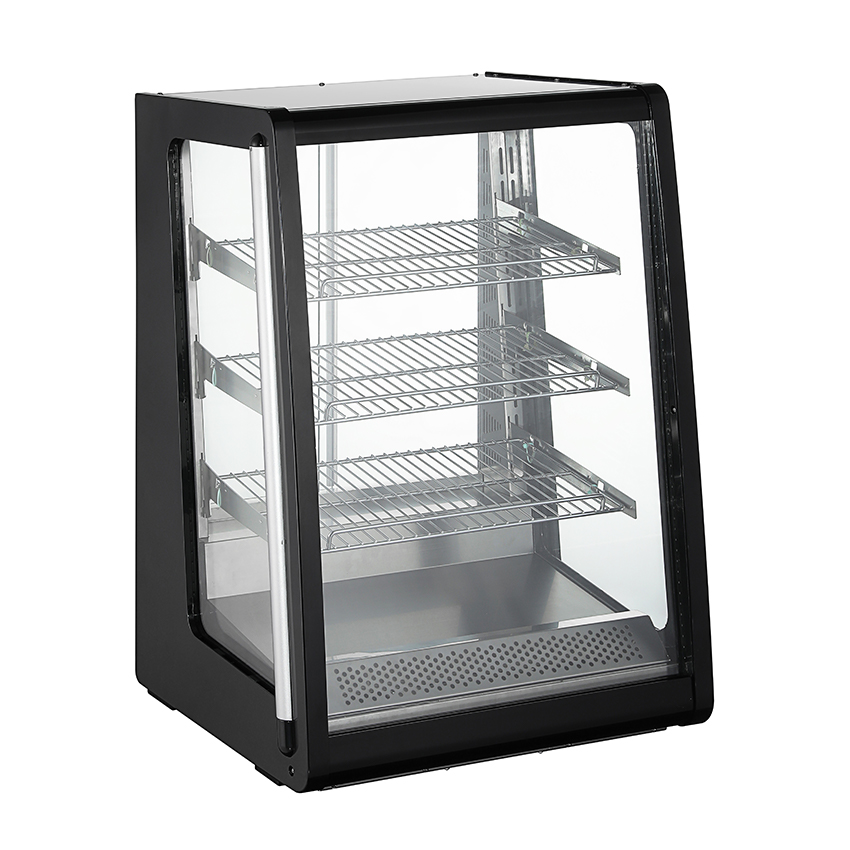
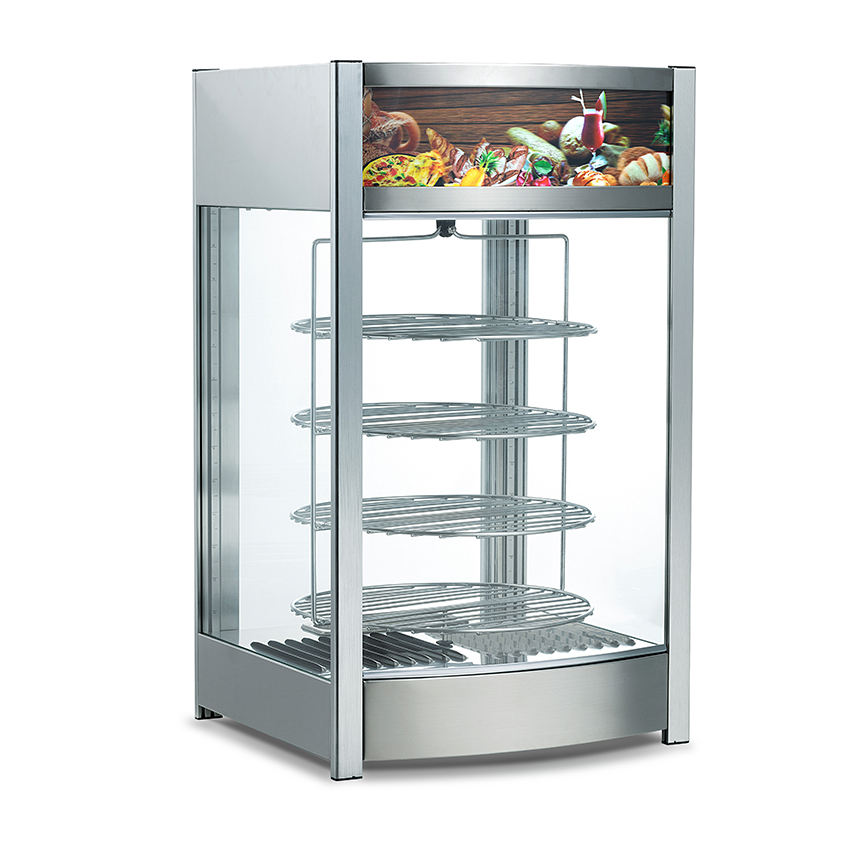
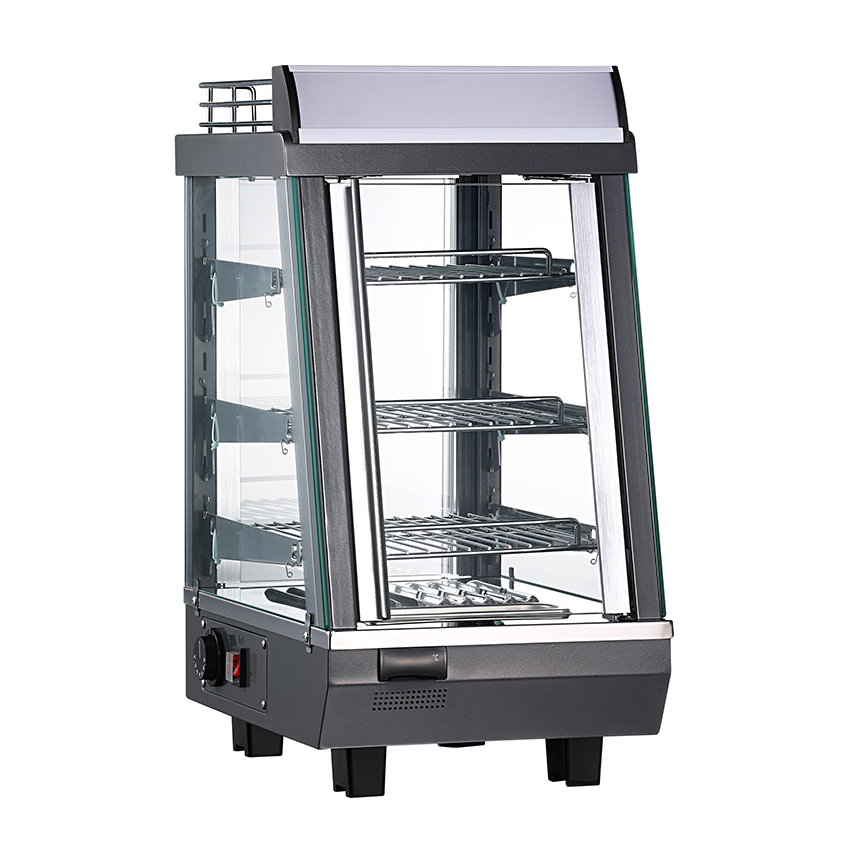
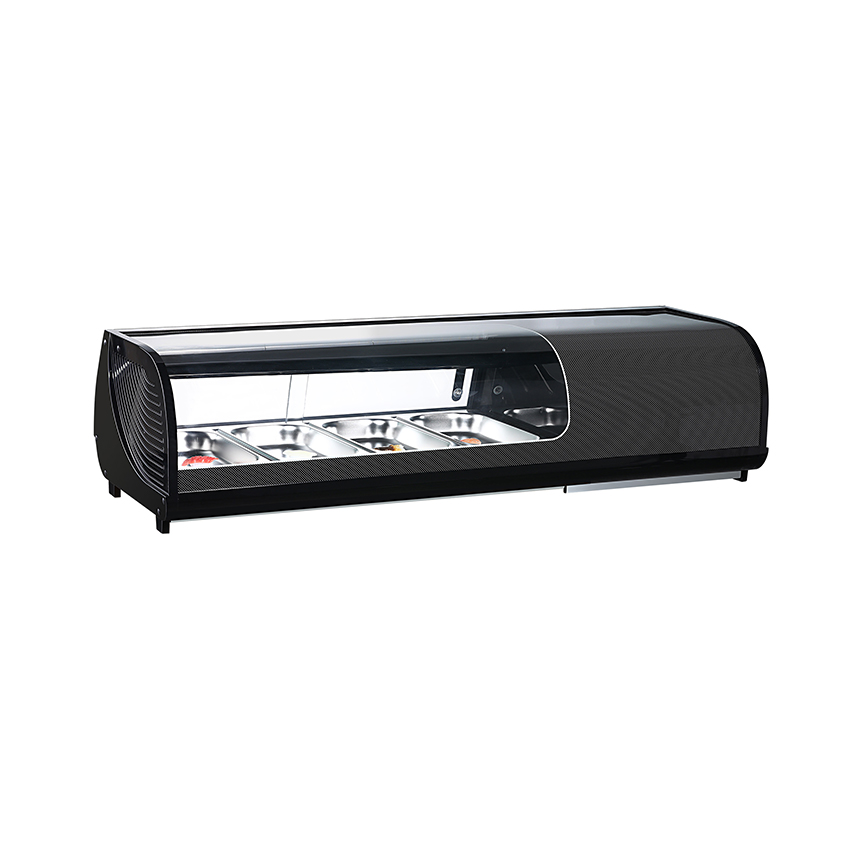
Multi-product thermal display cabinet
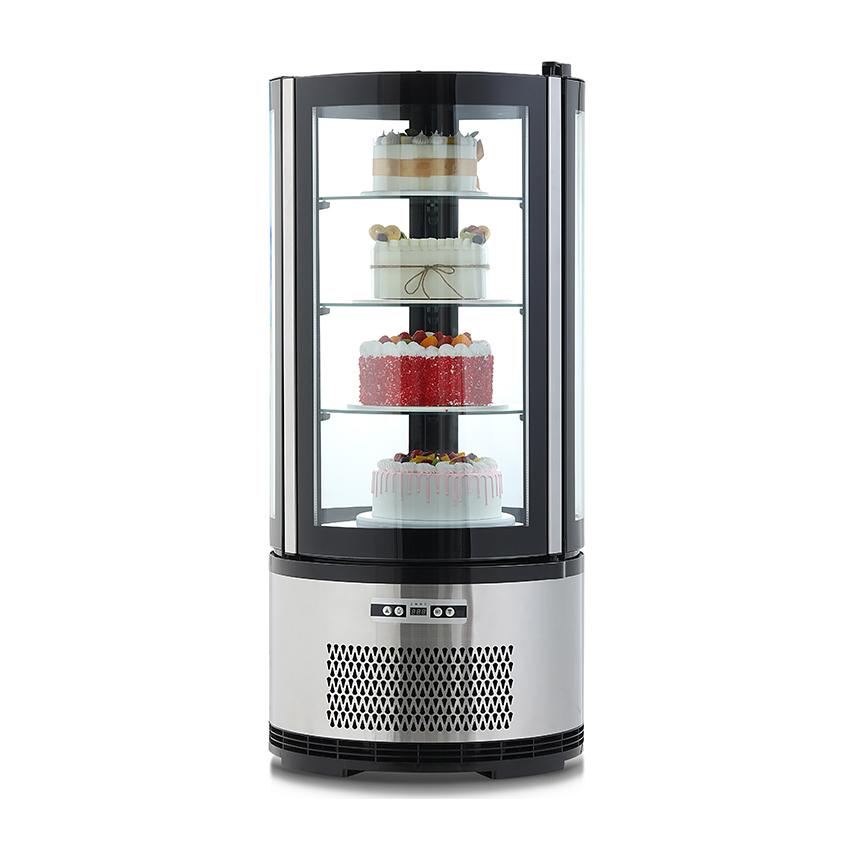
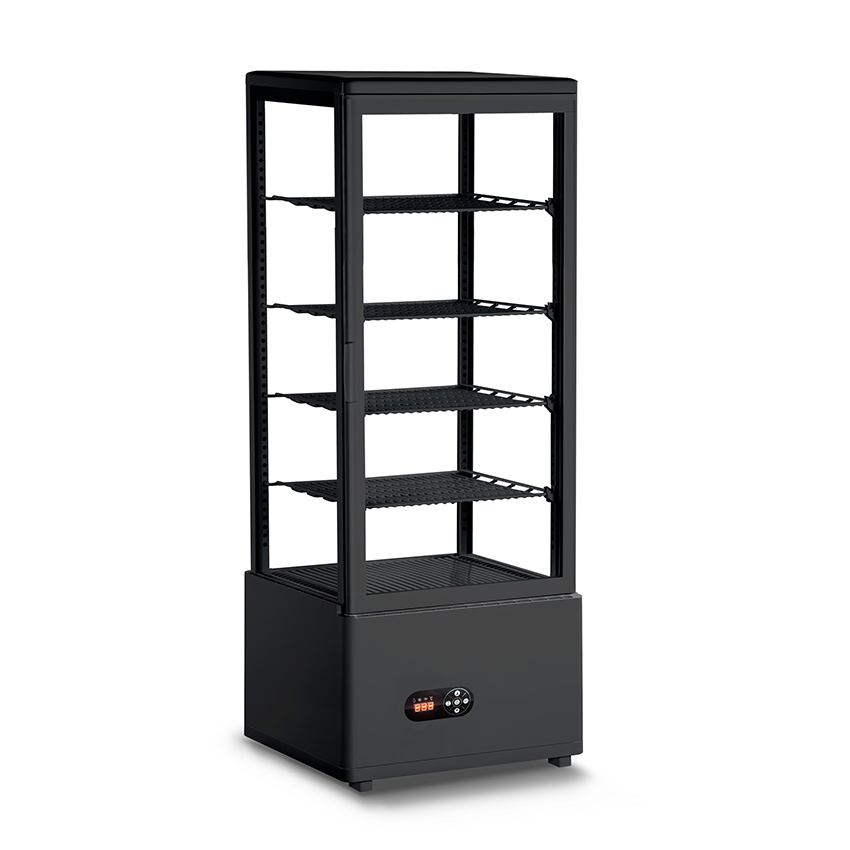
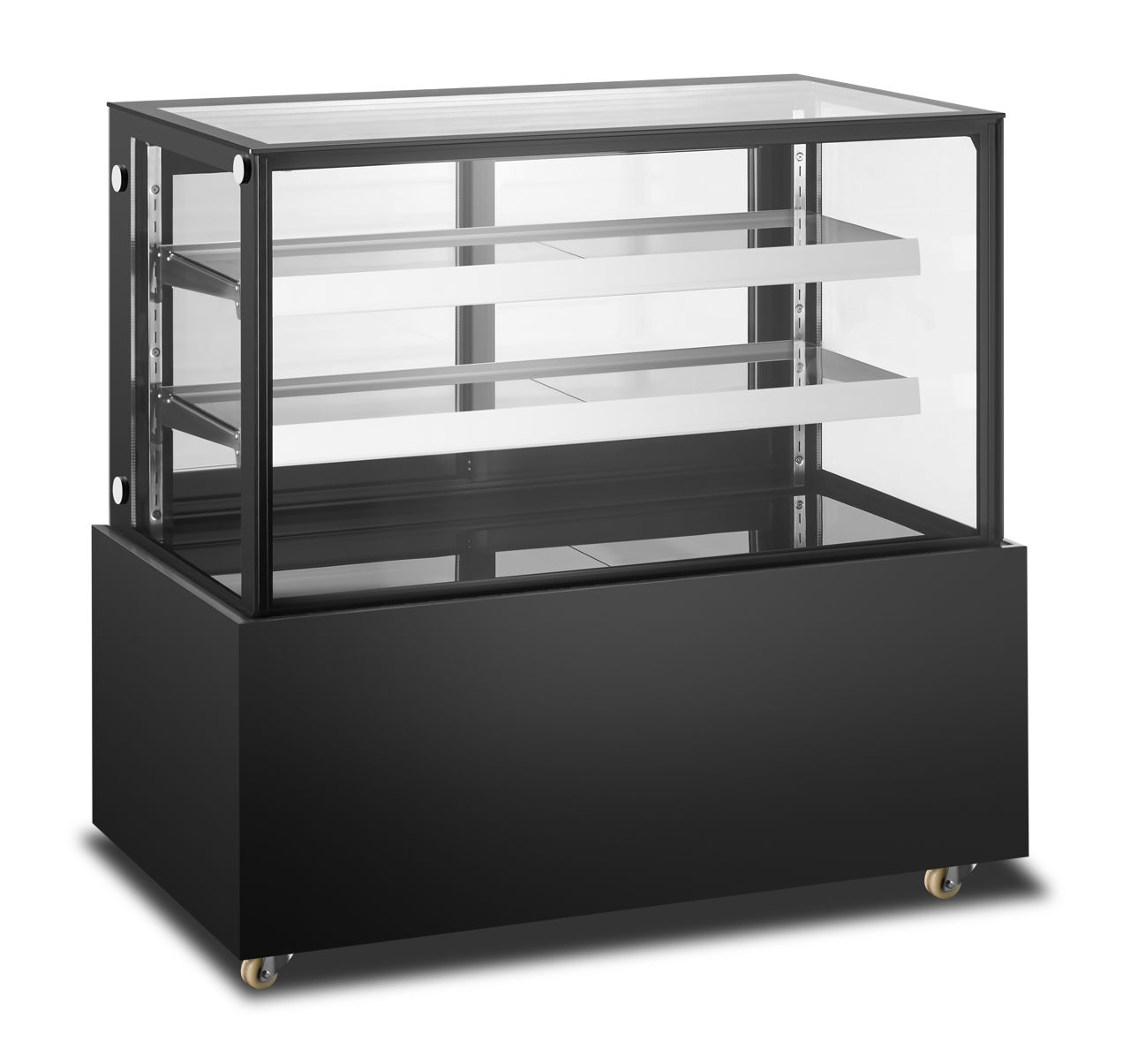
The multi-product thermal insulation display cabinet has various sizes, elegant appearance and unique design. It ad...



Yes — refrigerated cake display cabinets are necessary for preserving the freshness, safety, and visual appeal of cream-based, mousse, and fresh-fruit cakes. Without consistent refrigeration between 2°C and 8°C, perishable cake ingredients can enter the bacterial danger zone within 2 hours at room temperature, creating genuine food safety risks and accelerating product deterioration. A quality cake display cabinet does more than chill: it controls humidity, maintains product presentation, and actively extends shelf life — all of which directly affect customer satisfaction and business profitability.
Content
Understanding why refrigeration matters starts with understanding what happens to cake without it. Fresh cakes — particularly those made with dairy cream, custard, fresh fruit, or egg-based fillings — are highly perishable because they combine moisture, protein, sugar, and fat in an environment where microorganisms thrive.
Key spoilage mechanisms at ambient temperature include:
Refrigeration in a properly designed cake display cabinet slows or halts all four of these processes simultaneously, making it indispensable for any operation handling perishable cakes.
The shelf life extension achieved by consistent refrigeration is measurable and significant. The following table compares typical shelf life for common cake types under different storage conditions:
| Cake Type | Room Temp (20°C) | Cake Display Cabinet (2–8°C) | Shelf Life Extension |
|---|---|---|---|
| Fresh cream cake | 2–4 hours | 2–3 days | 12–18x longer |
| Mousse cake | 1–3 hours | 2–4 days | 16–24x longer |
| Fresh fruit tart | 2–3 hours | 1–2 days | 8–12x longer |
| Cheesecake | 3–4 hours | 4–5 days | 24–30x longer |
| Tiramisu | 1–2 hours | 2–3 days | 20–30x longer |
Not all refrigerated cabinets are suitable for cake display. A purpose-designed cake display cabinet incorporates several features that generic refrigeration units do not provide.
A quality cake display cabinet maintains temperature variation across the interior of no more than ±1°C. Cold spots cause partial freezing of mousse surfaces or fruit toppings; warm spots accelerate spoilage in specific zones. Fans and airflow baffles are designed to distribute cold air evenly around every shelf tier.
Cake products require relatively high humidity — typically 60–75% relative humidity — to prevent surface drying, glaze cracking, and cream crust formation. Dedicated cake showcases use non-frost or minimal-frost refrigeration systems that avoid the aggressive dehumidification of standard commercial freezers, preserving the surface appearance of decorated cakes.
Double or triple-glazed heated glass panels prevent condensation on the viewing surface. Condensation-free visibility is critical for customer engagement — research in retail settings consistently shows that product visibility directly correlates with purchase intent, making clear sightlines a commercial as much as a functional requirement.
LED lighting in cake display cabinets is designed to render colors accurately without generating heat. Standard incandescent or early LED systems can raise the localized temperature near lights by 3–5°C, creating warm zones near the top shelf that compromise products positioned close to the light source.
Refrigeration is not universally required for every cake type. There are specific situations where a non-refrigerated display is appropriate and safe:
For all other cake types containing dairy, eggs, fresh fruit, or custard in any form, a refrigerated cake display cabinet is the only food-safe and commercially viable display method.
In most markets, refrigerated display of perishable cakes is not merely best practice — it is a regulatory requirement. Food safety authorities in the EU, US, UK, and across Asia-Pacific set maximum permitted holding temperatures for dairy and egg-containing products displayed for sale.
| Region / Standard | Max Display Temp for Dairy / Cream Products | Key Regulation |
|---|---|---|
| European Union | 8°C | EC Regulation 853/2004 |
| United States | 7°C (45°F) | FDA Food Code |
| United Kingdom | 8°C | Food Safety (Temperature Control) Regulations |
| China | 10°C | GB 31651-2015 (Pastry Standards) |
| Australia / NZ | 5°C | FSANZ Food Standards Code |
Non-compliance with these temperature requirements can result in food safety notices, fines, temporary closure orders, and — most importantly — genuine harm to customers. A calibrated cake display cabinet with a visible temperature display provides the documentation evidence needed to demonstrate compliance during inspections.
Beyond food safety, the cake display cabinet is a sales tool. The quality of the display environment directly influences purchase decisions in bakeries, patisseries, hotel lobbies, and café settings.
Studies in food retail environments indicate that well-lit, temperature-controlled displays increase impulse cake purchases by 20–35% compared to opaque chiller units where products are not visible. Key commercial advantages of a dedicated cake display cabinet include:
Selecting a cake display cabinet involves matching the unit's design to your specific operational context. Key decision factors include:
Zhejiang Fuerj Electric Science And Technology Co., Ltd. was founded in 1997 and specializes in the manufacture of electric heating products and refrigeration products, including freezers and cake display cabinets. The company covers an area of 110,000 square meters, with a construction area of 85,500 square meters.
The company employs 650 staff members, including 85 engineering and technical personnel, with more than 160 holding college degrees or above. A qualified senior leadership team with relevant professional titles drives continuous innovation across decision-making, production, development, and operations.
As a professional cake display cabinet manufacturer and supplier, Fuerj achieves an annual output of 750,000 sets of various products. All products carry internationally recognized certifications including GS, CB, RoHS, UL, COC, and CCC, meeting market requirements across more than 20 countries and regions in Europe, America, Asia, and Africa. The company is committed to a management philosophy built on continuous improvement in service levels and product quality, with a dedicated export department fully versed in global shipping and documentation requirements.

Copyright © Zhejiang Fuerj Electric Science And Technology Co., Ltd. Rights Reserved. Food Showcase Display Manufacturer Fireplace Factory
