 English
 русский
 Español
 Français
 عربى
عربى italiano
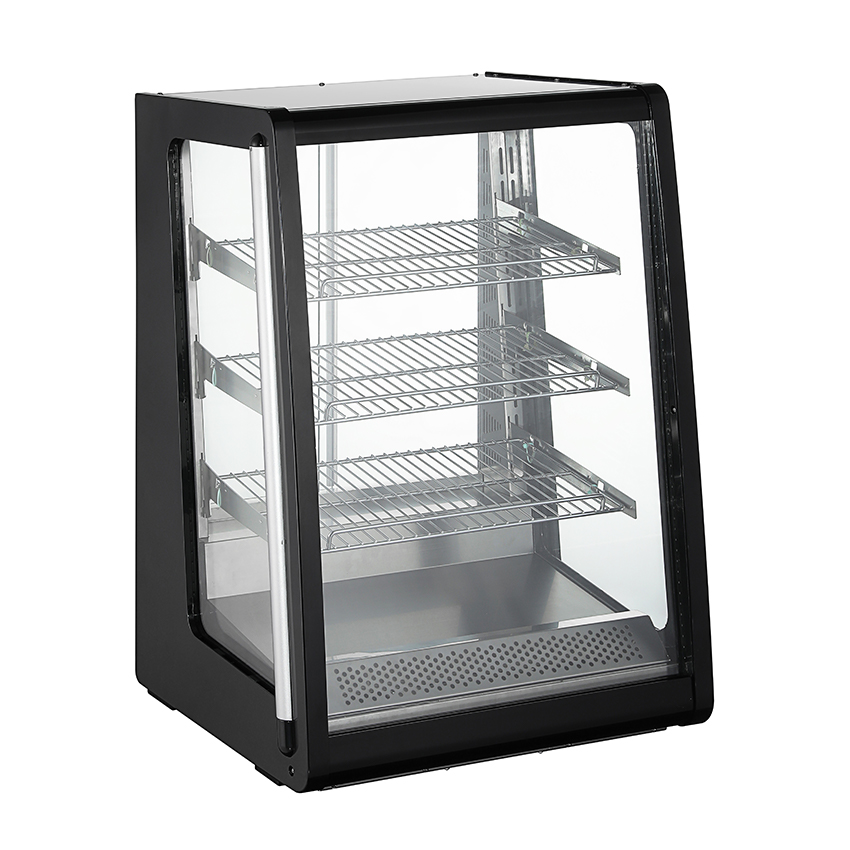
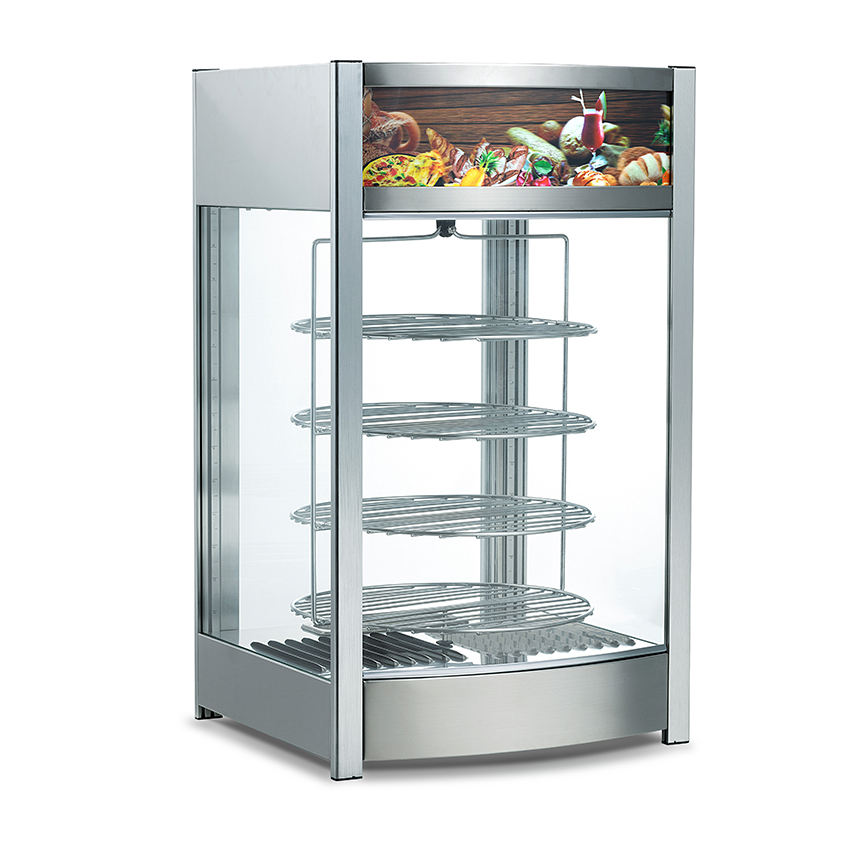
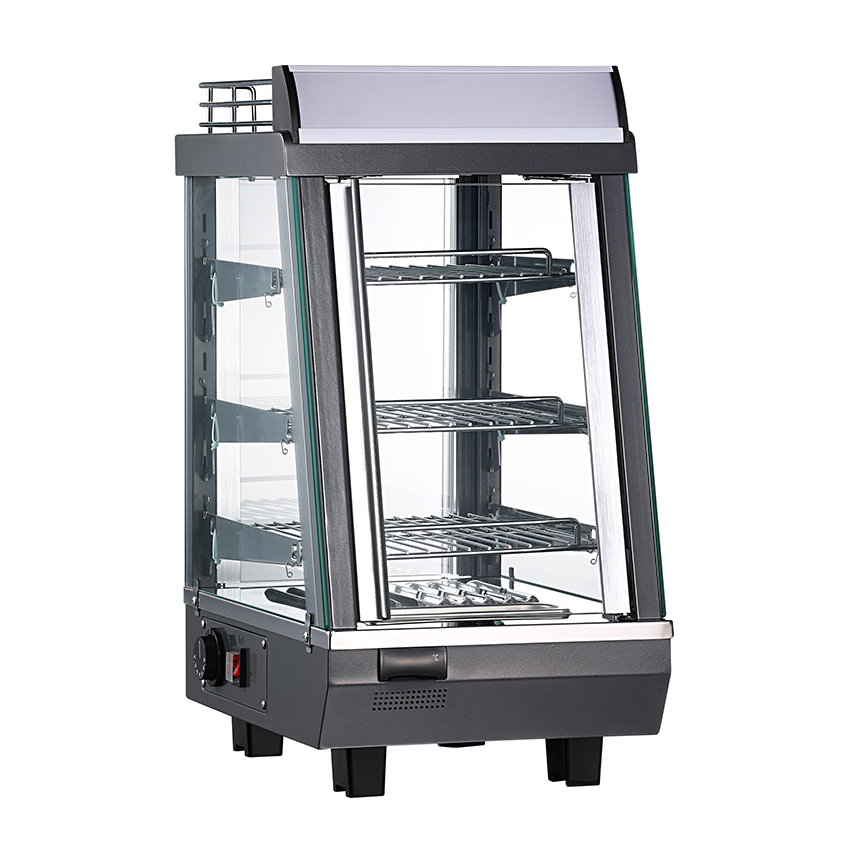
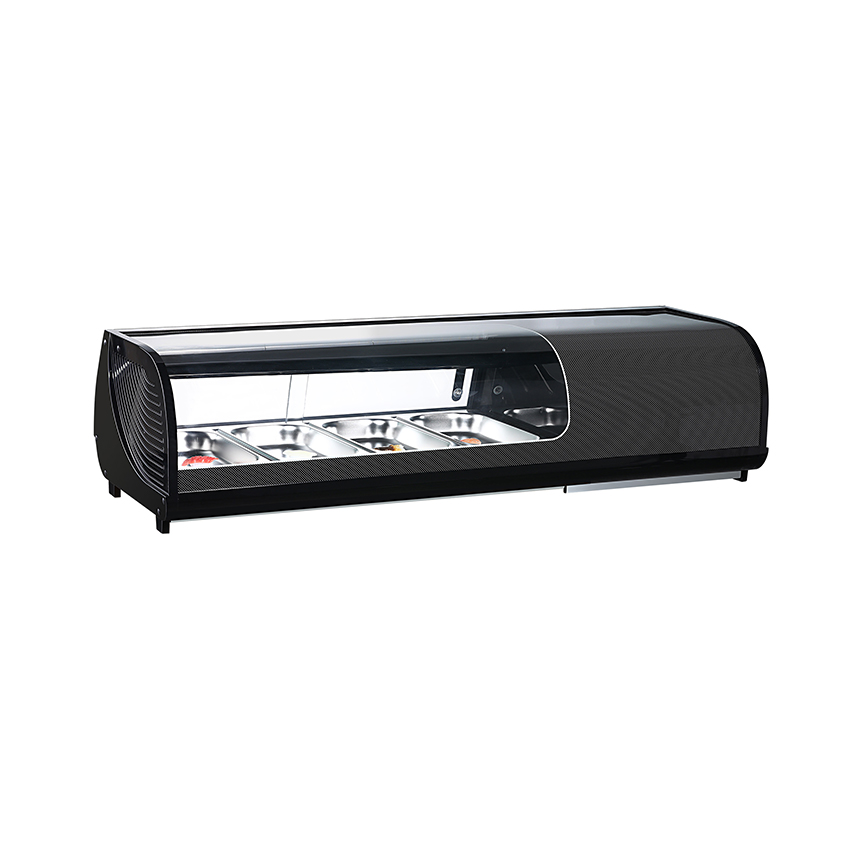
Multi-product thermal display cabinet
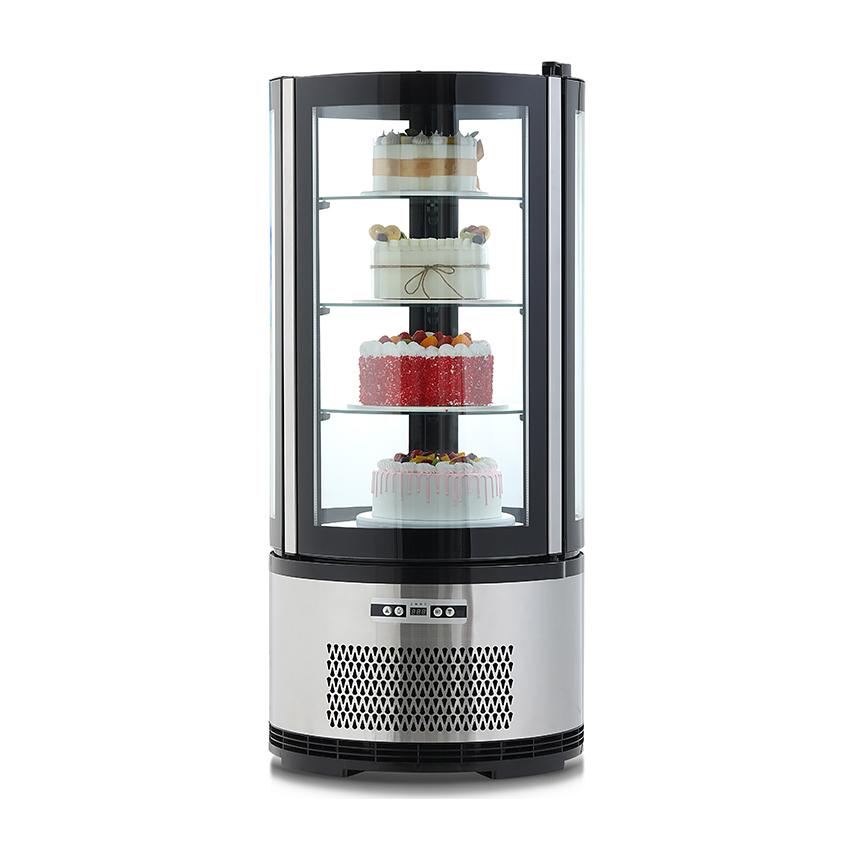
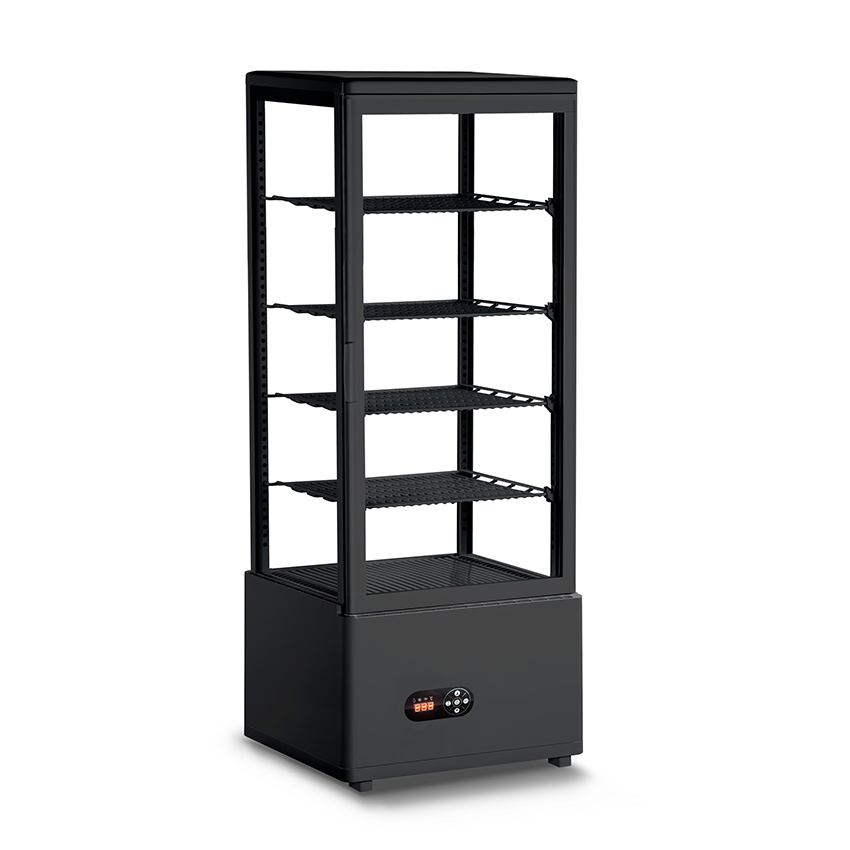
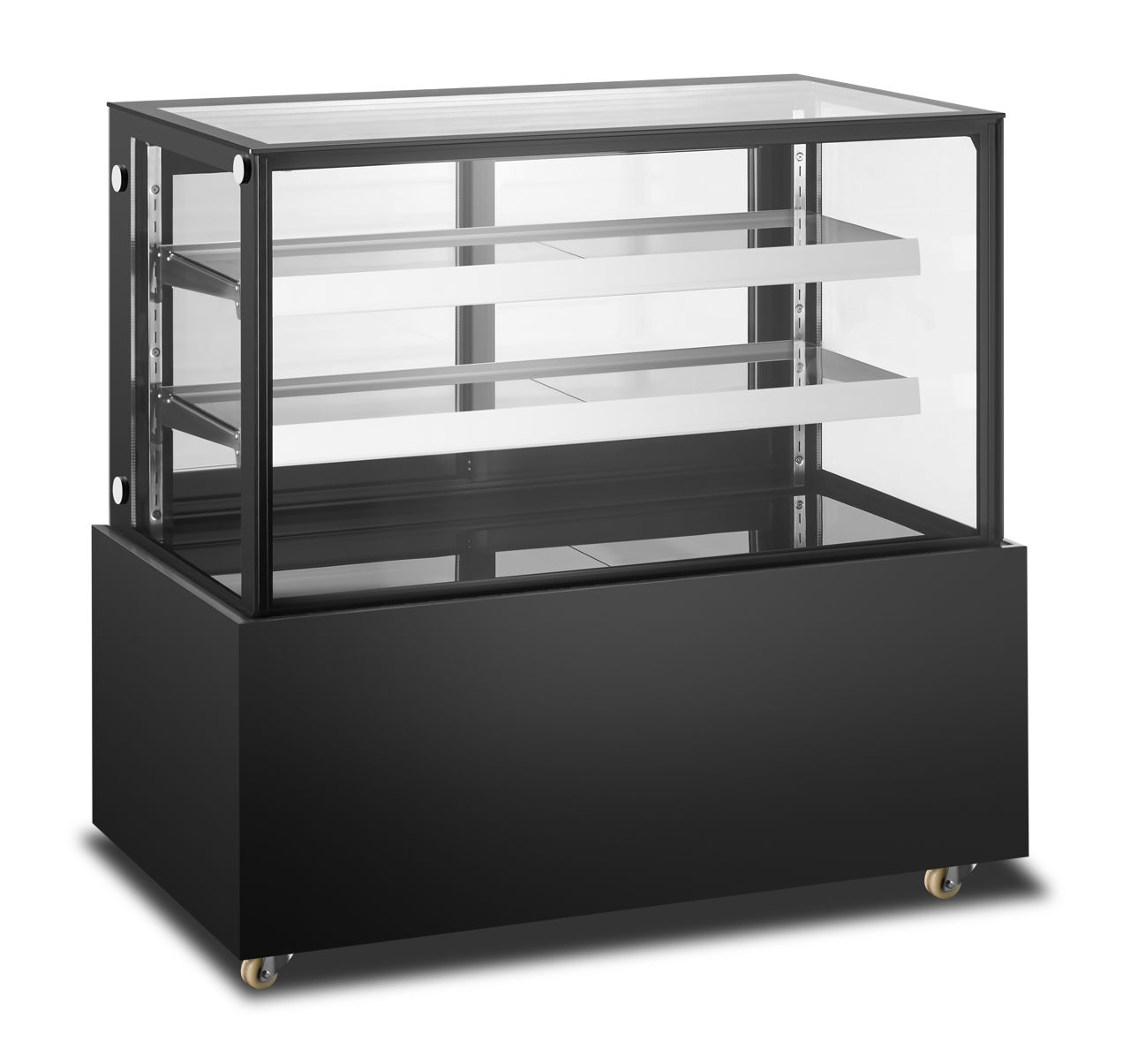
The multi-product thermal insulation display cabinet has various sizes, elegant appearance and unique design. It ad...



A table hot cabinet improves food service efficiency by up to 40% by eliminating the most damaging bottlenecks in high-volume kitchen workflows: food holding gaps, temperature non-compliance, repeated reheating cycles, and service delays caused by poor staging. A countertop food warmer cabinet placed at the point of service keeps prepared food within the safe holding range of 60°C to 85°C without any additional handling — so the gap between kitchen output and table delivery shrinks from minutes to seconds. The result is measurably faster table turns, lower food waste, and consistent portion quality across every service period.
Content
In commercial kitchens without dedicated hot holding equipment, prepared food either sits under heat lamps — which dry out surface texture within minutes — or is held in covered containers that drop below the food safety threshold of 60°C within 15 to 20 minutes. Both scenarios create the same downstream problem: food that fails quality or safety standards must be discarded or reheated, both of which consume time, energy, and labour that would otherwise serve customers.
Research from food service operations management consistently shows that uncontrolled holding temperature is responsible for 18 to 25% of food waste in high-volume service environments. In a kitchen turning out 300 covers per service, this translates to significant daily losses — not just in ingredient cost, but in the labour time spent preparing food that is never served.
A commercial tabletop warming cabinet addresses this at the source: it maintains a controlled, humidified heat environment that preserves both temperature compliance and food quality for holding periods of up to 4 hours — far beyond what passive methods can achieve.
The efficiency improvement from a table hot cabinet is not a single-point gain — it compounds across several workflow stages simultaneously. Each improvement individually may appear modest, but together they restructure the service line in a way that consistently outperforms unequipped kitchens by 35 to 45%.
In kitchens without hot holding, staff spend an estimated 8 to 12 minutes per service hour reheating food that has dropped below serving temperature. A stainless steel hot holding cabinet removes this activity entirely — food moves directly from the cabinet to the plate without any intermediate step.
With reliable hot holding, kitchen teams can cook in larger batches during pre-service preparation and hold output safely until the peak demand window arrives. This approach reduces active cooking activity during service by 30 to 40%, freeing cooking equipment and personnel for real-time orders rather than constant catch-up production.
Service delays caused by food not being ready at the pass are among the most controllable causes of slow table turns. A countertop food warmer cabinet positioned at the pass ensures that staged dishes are always at serving temperature the moment front-of-house staff are ready. Documented service operations report a reduction of 3 to 6 minutes per table turn when hot holding is introduced at the pass — a significant gain in a restaurant targeting 90-minute covers.
Understanding the technical specifications of a commercial tabletop warming cabinet allows buyers to match equipment capability to their specific service demands. The following features have the greatest practical impact on holding performance and operating cost.
Quality table hot cabinets use PID (proportional-integral-derivative) temperature controllers that maintain the internal chamber within ±2°C of setpoint. This accuracy is critical for holding proteins, which lose moisture and firmness rapidly above 75°C, and for maintaining the safety threshold above 60°C. Cabinets with simple on/off thermostats typically swing ±8 to 12°C — a range that fails both food quality and safety requirements.
Dry heat holding desiccates food surfaces rapidly, making products unservable within 30 to 45 minutes regardless of temperature. A stainless steel hot holding cabinet with a built-in water tray or steam injection system maintains relative humidity at 60 to 80%, extending the usable holding window to 2 to 4 hours for most food categories including roasted meats, fried products, and baked items.
Stainless steel (typically grade 304 or 430) is the standard material for commercial hot holding cabinets used in food service. It is non-porous, corrosion-resistant, tolerates repeated chemical sanitisation, and meets HACCP surface hygiene requirements. Interior corners should be radiused rather than squared to eliminate food accumulation points during cleaning.
| Specification | Small (30–60 L) | Medium (60–120 L) | Large (120–200 L) |
|---|---|---|---|
| Temperature Range | 30–85°C | 30–85°C | 30–90°C |
| Control Accuracy | ±3°C | ±2°C | ±2°C |
| Power Consumption | 0.5–1.0 kW | 1.0–2.0 kW | 2.0–3.5 kW |
| GN Pan Capacity | 2–4 × GN 1/1 | 4–8 × GN 1/1 | 8–14 × GN 1/1 |
| Typical Application | Café, small deli | Restaurant, canteen | Hotel, catering, buffet |
Placement of a countertop food warmer cabinet within the kitchen layout has a direct effect on how much of the efficiency potential is actually realised. The cabinet works best when positioned at the staging point closest to the service pass — close enough that plating staff can access held food without crossing the cooking zone, but within direct sight of the expeditor managing order dispatch.
Food safety legislation in most jurisdictions requires hot food to be held at a minimum of 60°C (140°F) at all times during service. In the UK, the Food Safety (Temperature Control) Regulations specify 63°C as the minimum hot holding temperature. The US FDA Food Code sets 57°C (135°F) as the minimum for hot holding. A commercial tabletop warming cabinet with accurate PID control is the most reliable way to maintain compliance across the full service period without manual monitoring.
The chart above illustrates a critical compliance point: food held passively (in covered containers without active heating) crosses the 60°C minimum threshold within 60 to 75 minutes under typical kitchen ambient conditions. A table hot cabinet maintains compliance for the full 4-hour holding window — the standard maximum for hot-held food in most regulatory frameworks.
Zhejiang Fuerj Electric Science And Technology Co., Ltd. was founded in 1997 and specialises in the manufacture of electric heating products and refrigeration products including freezers and cake showcases. The company operates across a site area of 110,000 square metres, with a built production and office footprint of 85,500 square metres.
The company employs 650 people, including 85 engineering and technical personnel, with more than 160 employees holding college degrees or above. Senior leadership brings a combination of formal qualifications and substantial practical industry experience, contributing to an innovation-oriented approach across decision-making, production, and product development.
As a professional table hot cabinet manufacturer and supplier, Fuerj achieves an annual production output of 750,000 sets of various products. Products carry GS, CB, RoHS, UL, COC, and CCC certifications, meeting the regulatory and market requirements of customers across more than 20 countries and regions in Europe, the Americas, Asia, and Africa. The company is committed to building a management model centred on corporate credibility and continuous quality improvement.

Copyright © Zhejiang Fuerj Electric Science And Technology Co., Ltd. Rights Reserved. Food Showcase Display Manufacturer Fireplace Factory
