 English
 русский
 Español
 Français
 عربى
عربى italiano
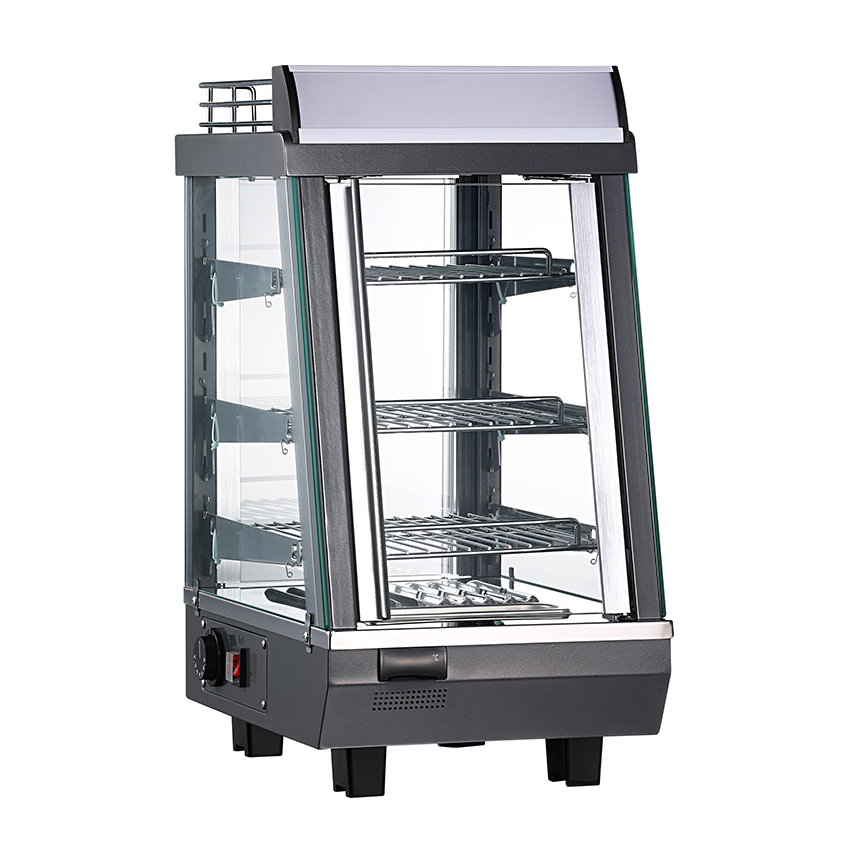
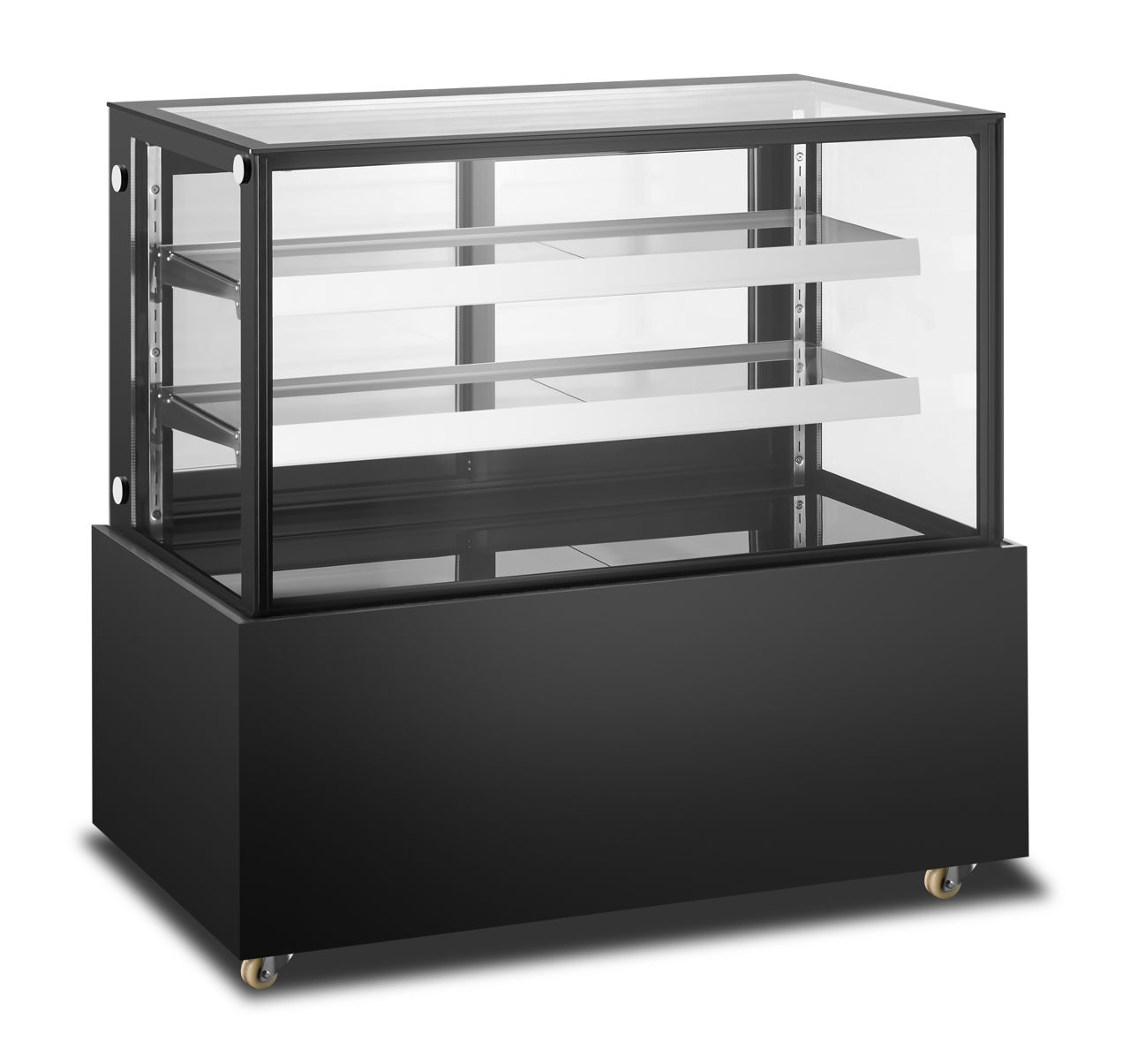
Multi-product thermal display cabinet
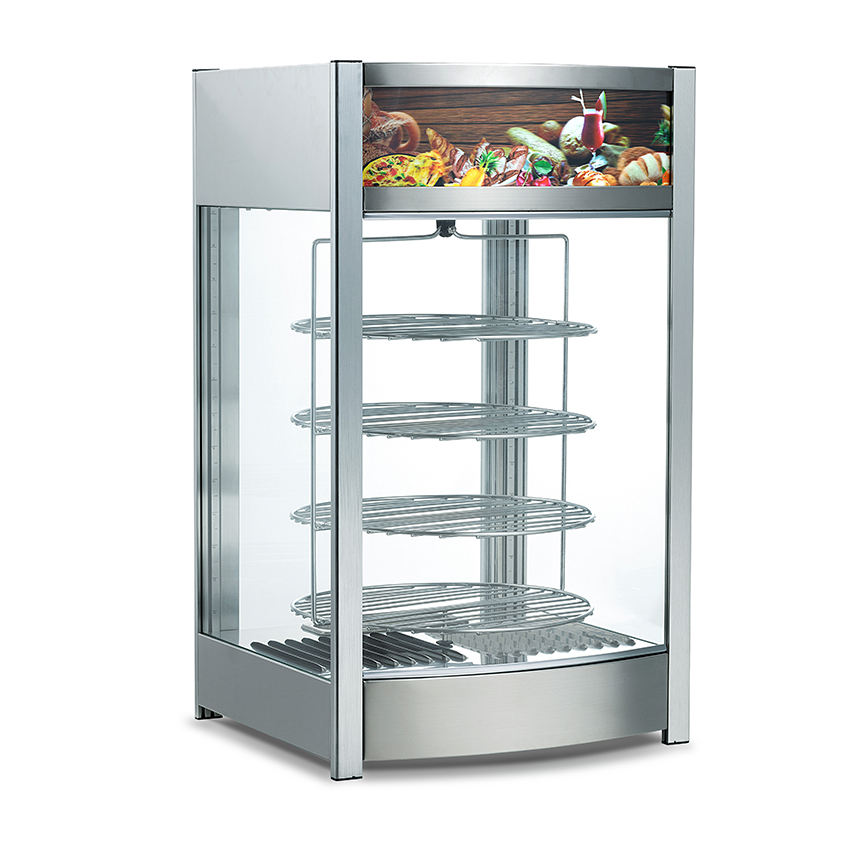
The multi-product thermal insulation display cabinet has various sizes, elegant appearance and unique design. It ad...



At 10 p.m., the last plate leaves the pass in a busy restaurant. The chef looks at a tray of roasted chicken that was held at 60°C all evening. In a standard refrigerator, that same tray would take four to six hours to reach a safe core temperature of 3°C. Plenty of time for bacteria to multiply. A commercial blast chiller shortens this dangerous window to around 90 minutes. Whether you run a café, bakery, catering company, or hotel kitchen, rapid chilling is a food-safety and profitability requirement, not a luxury.
Content
A commercial blast chiller is a dedicated refrigeration appliance that lowers the core temperature of cooked food from +65°C to +3°C in about 90 minutes. Inside the cabinet, high-velocity cold air is circulated over full-size or half-size sheet pans, pulling heat out of the product quickly and uniformly. The result: food moves through the critical 4°C–60°C danger zone as fast as possible, limiting bacterial growth.
The chart below compares the temperature drop of a blast chiller against a conventional refrigerator. The red zone marks the 4°C–60°C danger range where harmful bacteria multiply most rapidly.
While a standard refrigerator slowly brings cooked food from 65°C to roughly 20°C over three hours, a blast chiller pushes the core temperature below 3°C in 90 minutes. This speed matters because the longer food stays in the danger zone, the greater the risk of foodborne illness and the faster texture and moisture degrade.
Food safety regulations in the United States, the European Union, and HACCP frameworks are consistent on one point: cooked food must be chilled from 60°C to 20°C within two hours, and then from 20°C to 5°C within the next four hours. A blast chiller is designed to meet stricter self-imposed targets—typically 90 minutes from 65°C to 3°C—giving operators a safety margin.
| Cooling Method | Time to 3°C Core | Compliance Status |
|---|---|---|
| Commercial blast chiller | ~90 min | Passes with margin |
| Walk-in cooler | ~4–6 hours | Borderline risk |
| Standard refrigerator | ~6–8 hours | Fails 6-hour rule |
| Room-temperature cooling | 8+ hours | High risk |
Choosing a blast chiller eliminates the guesswork of overnight cooling and helps kitchens comply with health inspections without extra labor.
Faster cooling translates directly into operational and financial benefits. First, it reduces food waste. Prepared dishes that cannot be served on the same day—soups, stews, roasted meats, sauces—can be saved, cooled quickly, and reheated the next day while retaining quality. Second, it supports batch cooking. A single batch prepared Monday can safely serve lunches through Wednesday. Third, it protects protein structure and moisture. Rapid cooling prevents the moisture loss and texture degradation that happens when food sits in a warm state for hours.
Choosing the right model requires matching three variables: tray capacity, cooling speed, and footprint. The capacity chart below shows typical kitchen sizes.
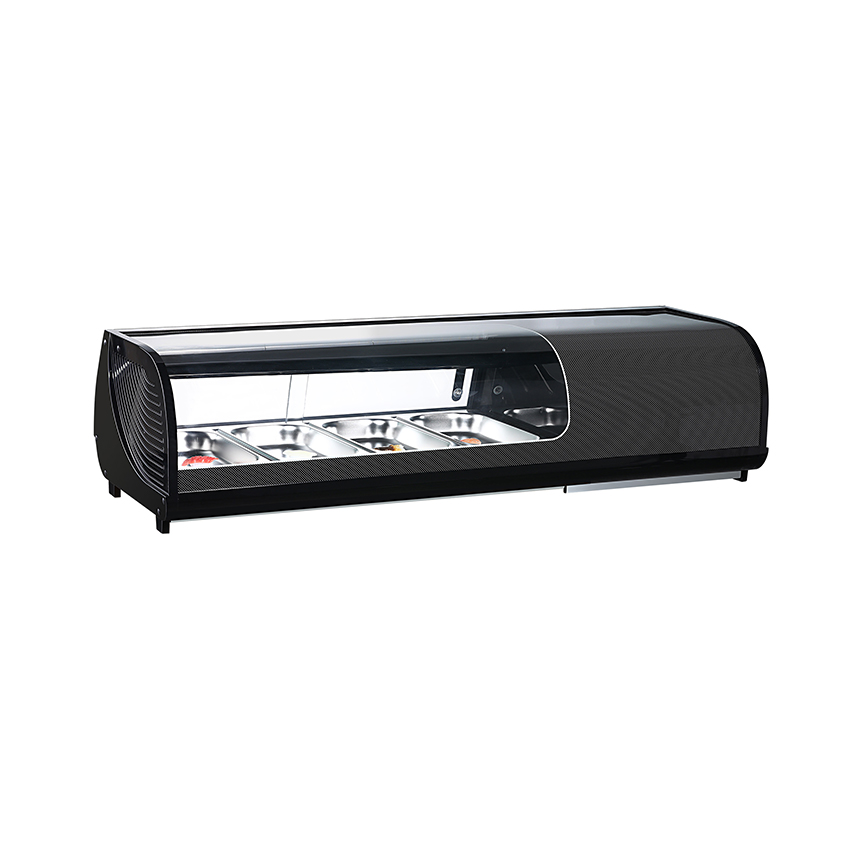
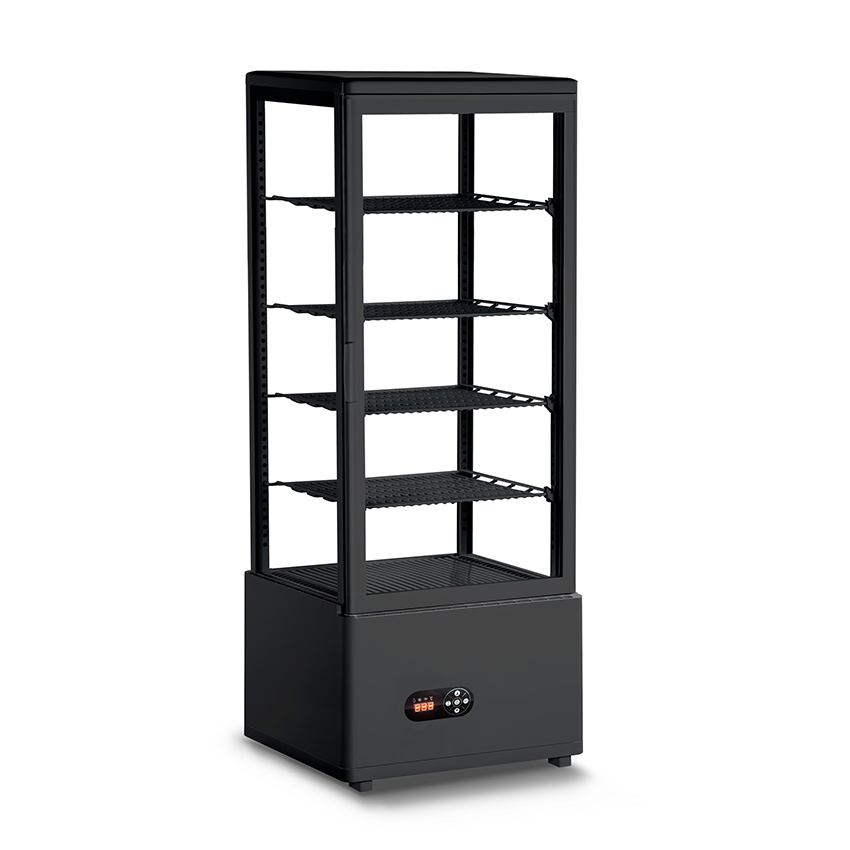
For operators who also need display refrigeration in the same facility, commercial refrigerated display cabinets can support front-of-house presentation and storage.
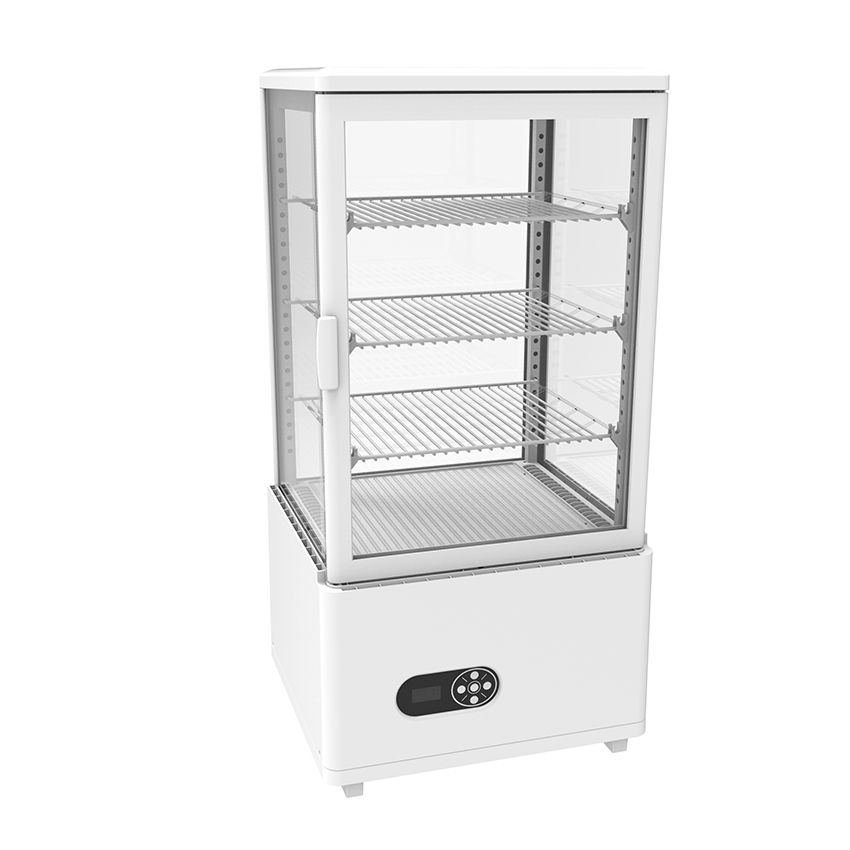 Low Noise Tabletop Refrigerated Display Cabinet for Compact SpacesThis compact display unit offers efficient refrigeration with reduced noise, featuring LED lighting and adjustable temperature control, making it suitable for small-scale retail or food service areas where quiet operation is valued.View Product →
This tabletop unit is a practical starting point when a compact refrigeration solution is needed alongside the blast chilling workflow.
A blast chiller is a working tool, and daily cleaning keeps it performing effectively. These practices will extend the unit's life:
Learn more about refrigeration and preservation for day-to-day food safety management.
The primary purpose is to rapidly lower the core temperature of cooked food from +65°C to +3°C, minimizing the time food spends in the bacterial danger zone.
Depending on the model and load, a commercial blast chiller brings a standard tray of cooked product from 65°C to 3°C in about 60 to 90 minutes.
Many blast chillers also offer a blast freezing function, lowering the core temperature to -18°C and below. The freezing mode takes longer than chilling.
Countertop, under-counter, and floor-standing models are available. Floor-standing units require 10–15 cm of clearance around vents for proper airflow.
Costs vary widely based on capacity, cooling speed, build quality, and brand. Requesting a quote from a manufacturer gives you an accurate figure.
A regular refrigerator holds already-cold food at a low temperature, while a blast chiller quickly removes heat from hot food using high-volume cold air circulation.
Zhejiang Fuerj Electric Science And Technology Co., Ltd. was founded in 1997, and mainly produces electric heating products and refrigeration products such as freezers and cake showcases. The company covers an area of 110,000 square meters, with a construction area of 85,500 square meters. It employs 650 people, including 85 engineering and technical personnel. More than 160 employees hold a college degree or above, and 35% of the company's senior leadership team have college degrees and corresponding professional titles.
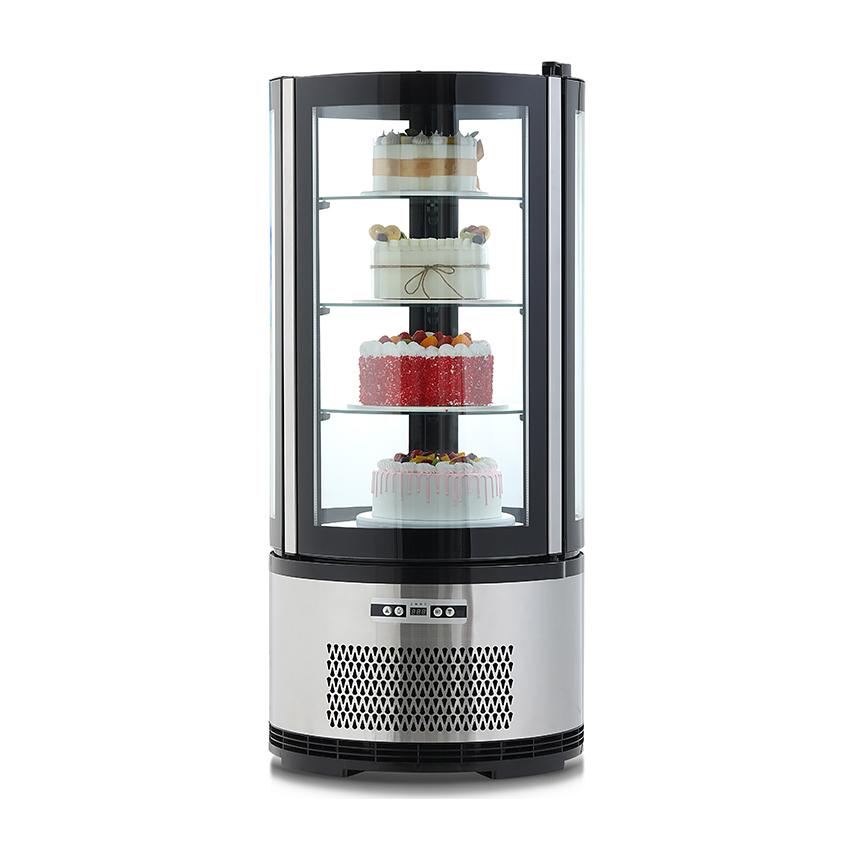
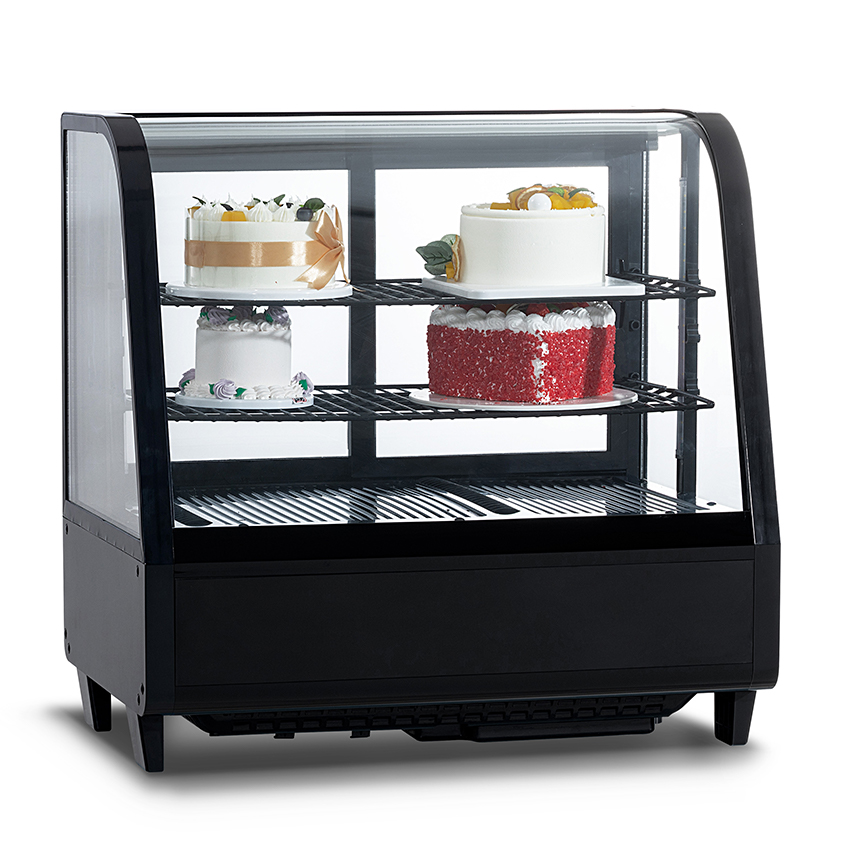 Elegant Cake Display Cabinet with Refrigeration and LED LightingDesigned to showcase cakes attractively, this cabinet provides consistent cold storage, LED illumination, and precise temperature management, adding a stylish and functional touch to bakeries, restaurants, or supermarkets.View Product →
A group of professional and technical talents with years of practical experience inject new ideas into the company's decision-making, production, development, and operation. The company has an annual output of 750,000 sets of various products. Products carry GS, CB, RoHS, UL, COC, and CCC certifications to meet market requirements, and are exported to more than 20 countries and regions in Europe, America, Asia, and Africa. The company strives to create a management mechanism for corporate credit according to actual conditions.

Copyright © Zhejiang Fuerj Electric Science And Technology Co., Ltd. Rights Reserved. Food Showcase Display Manufacturer Fireplace Factory
