 English
 русский
 Español
 Français
 عربى
عربى italiano
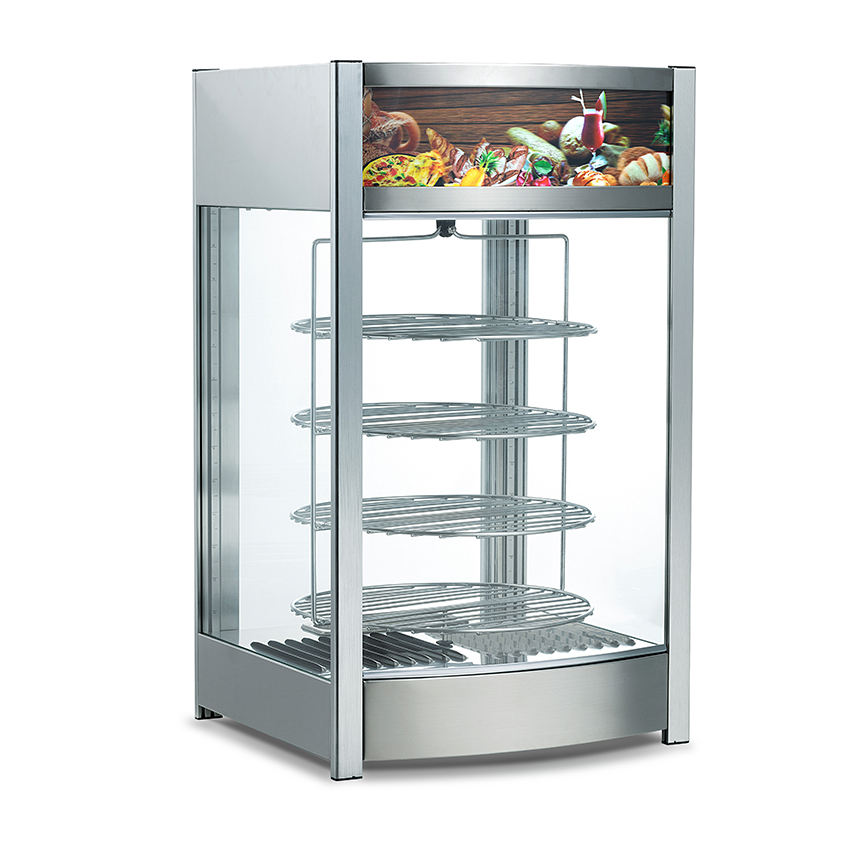
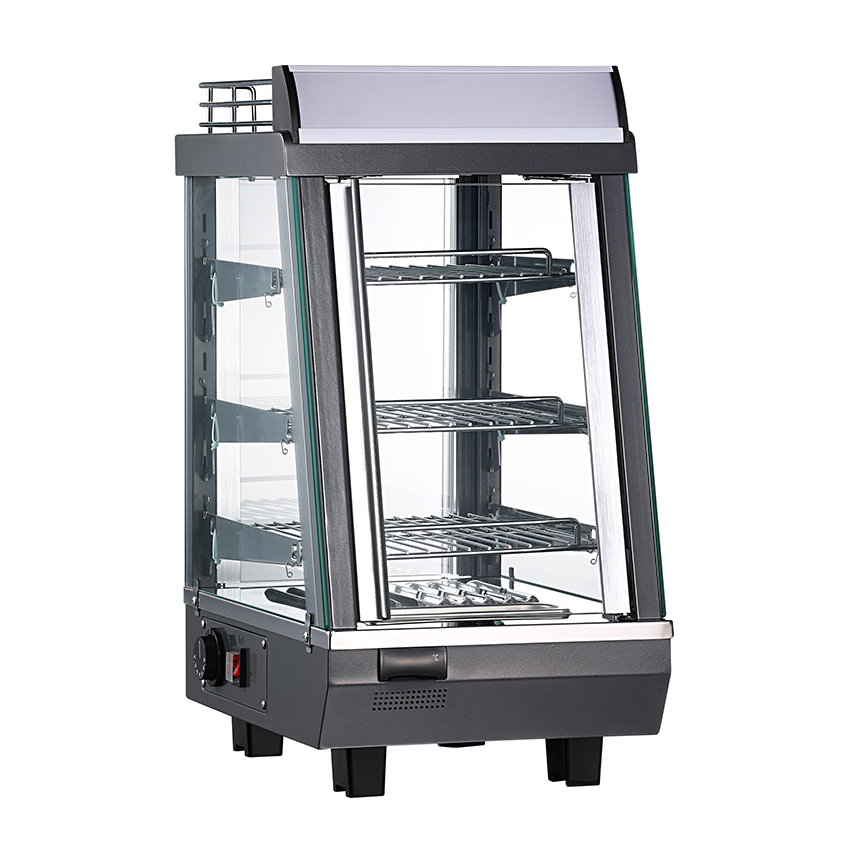
Multi-product thermal display cabinet
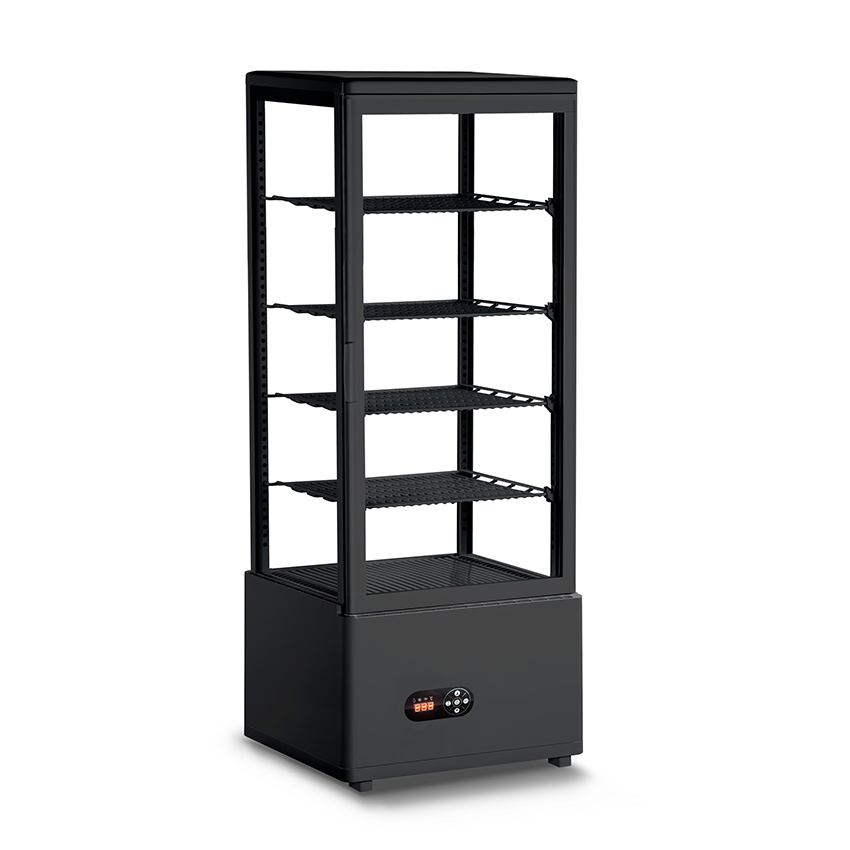
The multi-product thermal insulation display cabinet has various sizes, elegant appearance and unique design. It ad...



A banquet kitchen pulls a 40 kg tray of braised beef off the stove at 11:00 in the morning, and service starts at 19:00. If that tray is left to cool on the counter, its center can stay above 60°C for more than an hour and then drift slowly through the range where bacteria multiply fastest. The result is wasted food, wasted labor, and an avoidable food-safety risk. A blast chiller removes all three problems at once.
The short answer: a blast chiller is a heavy-duty refrigeration cabinet that forces high-velocity cold air across hot food, dropping its core temperature from around 90°C to below 3°C in roughly 90 minutes, then holds it at a safe storage temperature. The rest of this article explains the working principle, the key components, and what to consider before buying one.
Content
A blast chiller is a commercial cooling appliance designed for one job: removing heat from freshly cooked food as fast as possible. A standard refrigerator is sized to keep already-cold food cold. A blast chiller, by contrast, has a much larger compressor, an oversized evaporator coil, and powerful fans that push cold air over every surface of the food. That combination extracts heat several times faster than normal refrigeration.
Most units have a stainless steel interior, gastronorm pan capacity, and a core temperature probe. The probe is inserted into the thickest part of the food so the machine reads the true internal temperature, not just the air temperature inside the cabinet.
Because heat is pulled out quickly, freezing produces smaller ice crystals inside the food. Small crystals do less damage to cell structure, so texture and moisture stay closer to fresh. That is why blast chilling is standard practice in pastry production, bakeries, and high-volume catering.
In short: a blast chiller combines mechanical refrigeration, forced air movement, and closed-loop temperature control. The cycle sounds simple, but the hardware has to be engineered for speed.
Airflow is the part that most people underestimate. A normal refrigerator moves air with a small fan and relies mostly on natural convection. A blast chiller drives air at high velocity so that cold air continuously replaces the warm boundary layer around each piece of food. That is why the same food that takes six hours to cool in a walk-in chiller can be chilled in under 90 minutes in a blast chiller.
The isometric diagram below shows where the main parts sit and how cold air moves through the cabinet.
1 – High-velocity fan2 – Evaporator coil3 – Core temperature probe4 – Trays5 – Control panel
The entire reason blast chilling exists is bacterial growth. Most food-poisoning bacteria multiply fastest between 5°C and 60°C, a range known as the temperature danger zone. The longer food stays inside that range, the higher the bacterial load by the time it is served.
Many HACCP-based food safety programs recommend cooling cooked food to below 10°C within 90 minutes to two hours. A blast chiller clears that target routinely. A walk-in refrigerator usually cannot, because the air is cold but not moving fast enough to extract heat from a large mass of food.
The chart below shows the relative multiplication rate of typical foodborne bacteria at different temperatures. Growth peaks near body temperature and collapses as food moves below 10°C.
Blast chilling does not kill bacteria, cooking does. Chilling simply stops the growth clock quickly, so food stays safer for longer and keeps better flavor, color, and texture than food cooled slowly. For a closer look at how refrigerated cabinets preserve food after rapid chilling, see this guide to refrigeration and preservation in commercial display cabinets.
These three terms are often confused, but they describe different equipment and different outcomes.
| Process | Target core temperature | Typical time from 90°C | Main purpose |
|---|---|---|---|
| Blast chilling | +3°C | About 90 minutes | Rapid cooling for refrigerated storage and short shelf life; preserves texture |
| Blast freezing | -18°C | About 240 minutes | Long-term storage; small ice crystals protect product quality |
| Standard refrigerator | +3°C | 5 to 8 hours (passive) | Holding food that is already cold |
The line chart below compares how a blast chiller and a conventional refrigerator cool the same 90°C product over time. The shaded band marks the danger zone between 5°C and 60°C.
Look at the shape of the two curves. The blast chiller crosses the danger zone quickly and reaches a safe core temperature before a standard fridge has even pulled the surface below 60°C. That difference in time translates directly into longer shelf life and lower food-safety risk.
A blast chiller is not a magic box; it is a tightly integrated set of parts that must all work together.
These components explain the price difference between a blast chiller and a standard refrigerator. You are paying for capacity, airflow, and precision, the three things that determine cooling speed.
Blast chillers come in several form factors. The right choice depends on your kitchen space, batch size, and daily workflow.
| Type | Best for | Key characteristic |
|---|---|---|
| Countertop / undercounter | Small bakeries, single stations | Compact footprint; holds a few gastronorm pans |
| Roll-in | Banquet kitchens, central production units | Accepts a loaded trolley or rack for high batch volumes |
| Combined chiller / freezer | Operations that need both functions | Single cavity with switchable cycles, or dual-cavity design |
Start with the numbers that affect daily operation: core probe accuracy, batch capacity, cycle duration, defrost behavior, and compliance certification.
Buying from an experienced commercial refrigeration manufacturer also matters. Zhejiang Fuerj Electric Science And Technology Co., Ltd., founded in 1997, has produced electric heating and refrigeration equipment for over two decades. The company operates from a 110,000 m² site with 85,500 m² of buildings and employs 650 people, including 85 engineering and technical staff. More than 160 employees hold a college degree or above, and 35% of the senior leadership team holds college degrees or corresponding professional titles. Annual output reaches 750,000 sets of heating and refrigeration products, with certifications including GS, CB, RoHS, UL, COC, and CCC, exported to more than 20 countries across Europe, the Americas, Asia, and Africa. Once a blast chiller brings food down to storage temperature, the next piece of equipment has to hold that temperature reliably, which is exactly what the company's commercial freezers, cake showcases, and refrigerated display cabinets are built to do. You can review the full commercial refrigeration range here.
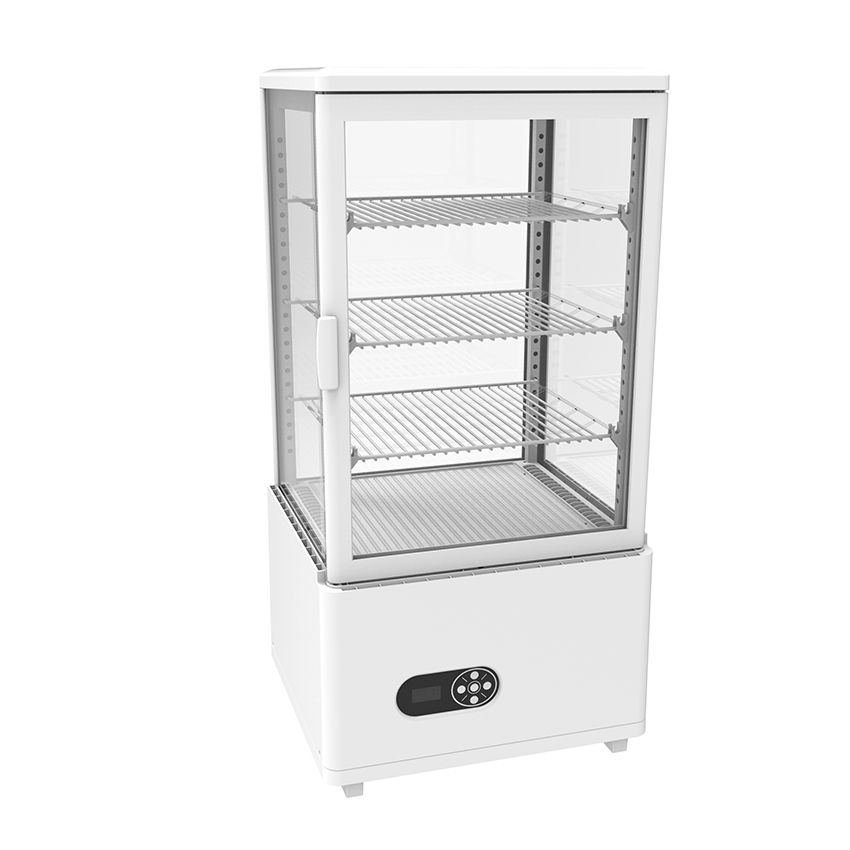 Low Noise Tabletop Refrigerated Display Cabinet with LED LightingThis compact countertop unit offers efficient cooling and quiet operation for retail or catering settings. Its configurable LED lighting, glass doors, and temperature controls help keep cold food visible and properly preserved in a small footprint.View Product →
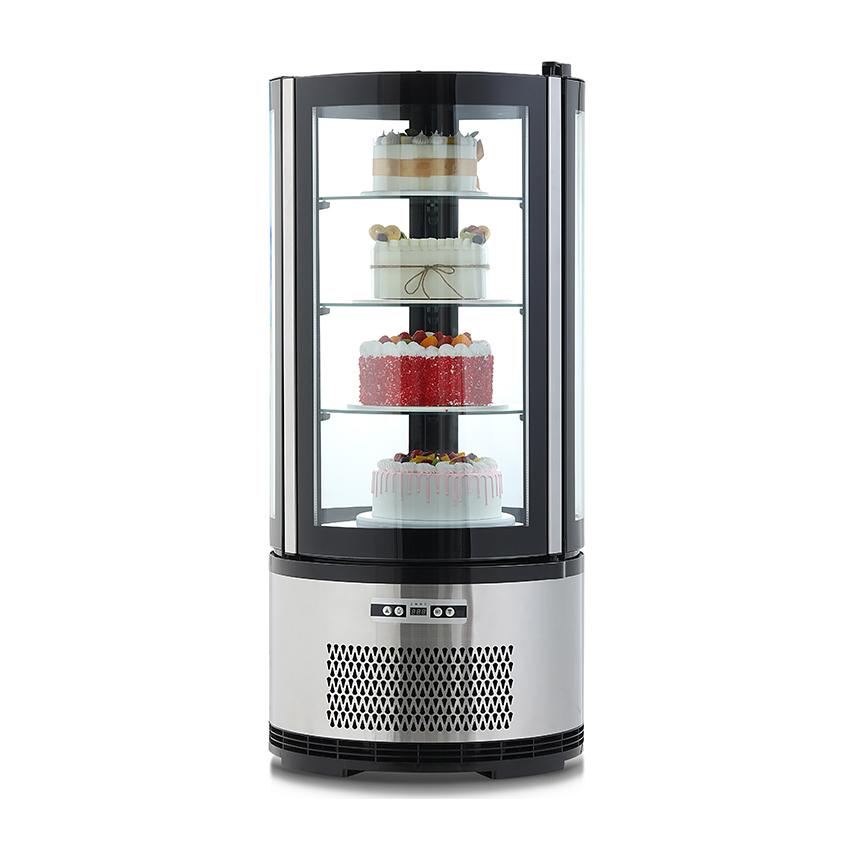
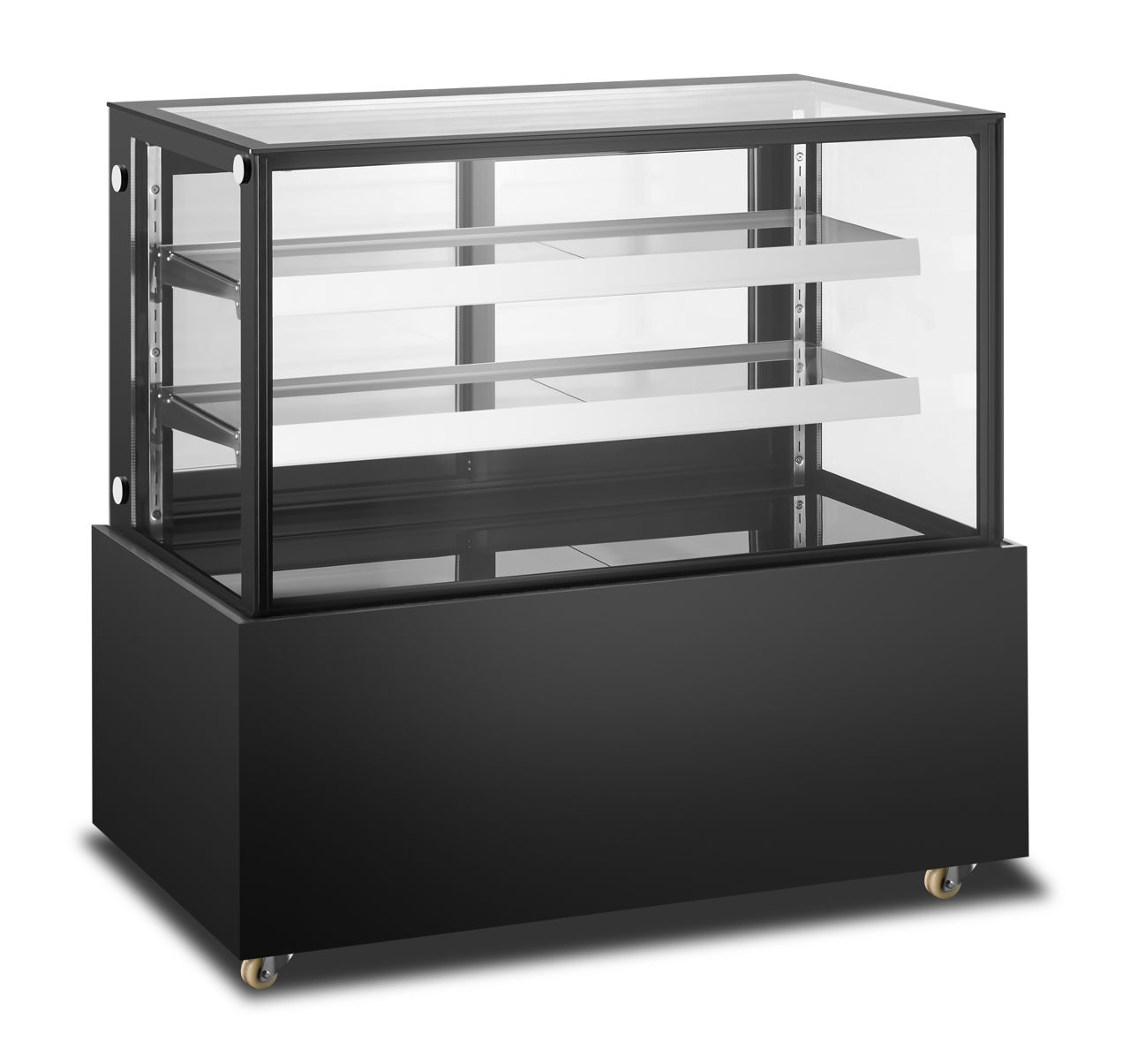
 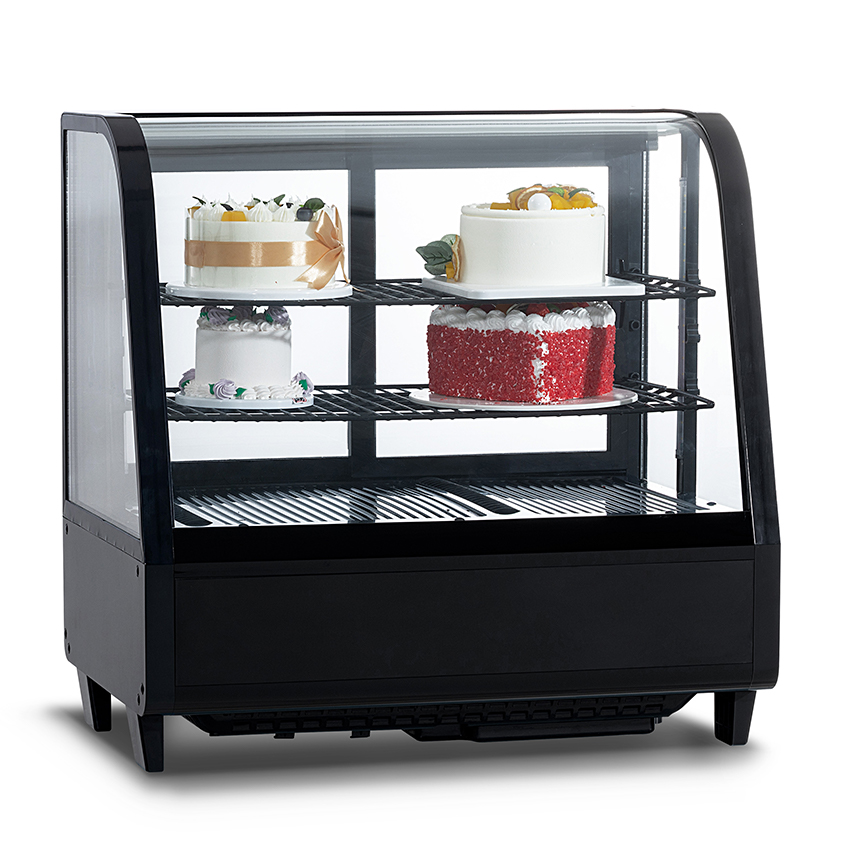 Refrigerated Cake Display Cabinet for Restaurants and SupermarketsA stylish refrigerated showcase with LED lighting and temperature control, designed to keep cakes fresh while enhancing store presentation. Suitable for restaurants and supermarkets, it supports bulk customization to match different display needs.View Product →
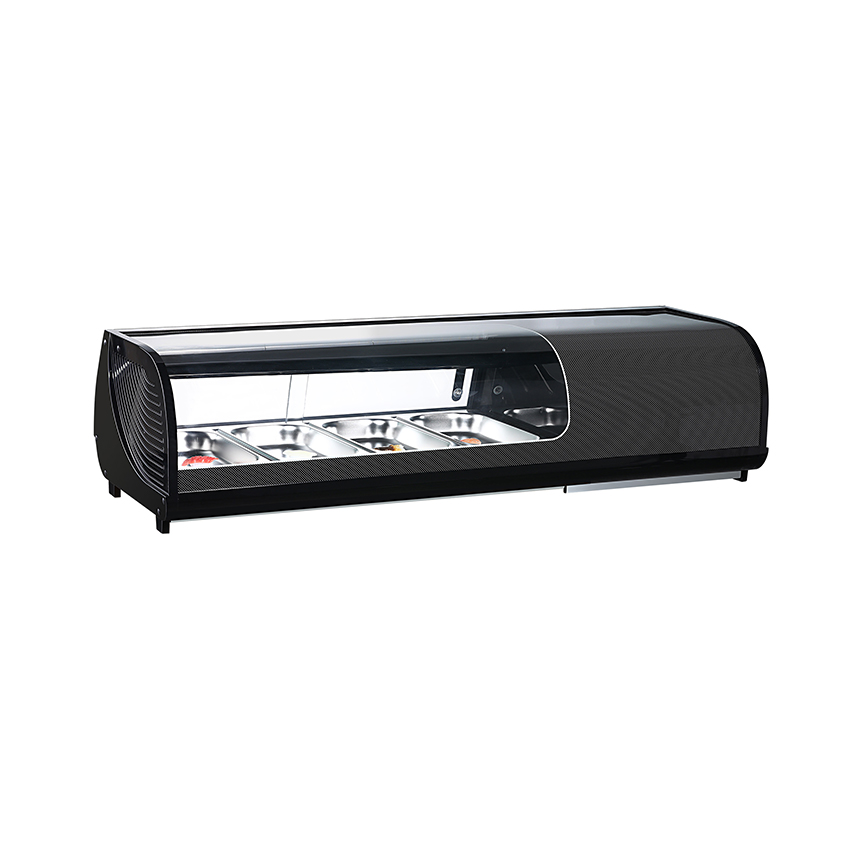
 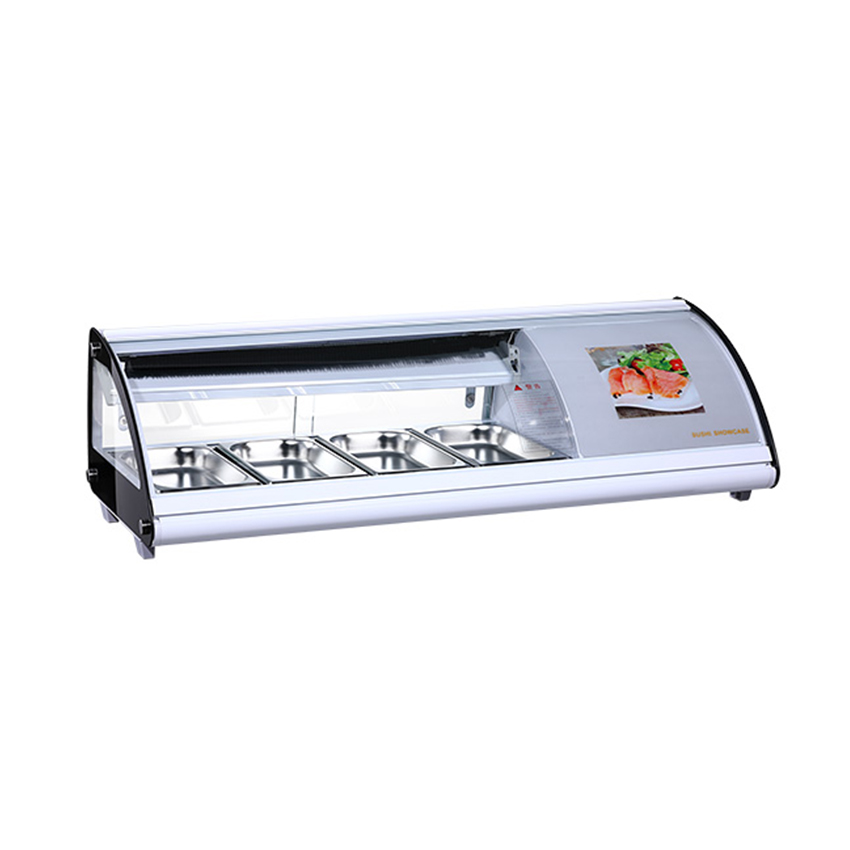 Sushi Display Cabinet with European GN Standard Pan SupportsA horizontal refrigerated display cabinet built for sushi restaurants and convenience stores. It uses European GN standards, features an anti-crush side wall design for easy stacking, and can also store other refrigerated items.View Product →
No. A standard refrigerator lacks the airflow and cooling capacity to pull hot food through the danger zone quickly. Food can sit between 5°C and 60°C for hours, which raises bacterial risk.
Most commercial units cool cooked food from 90°C to 3°C in about 90 minutes. Freezing to -18°C typically takes about four hours.
Yes. That is exactly what the machine is designed for. Insert the core probe, start the cycle, and the unit handles the rest, so there is no need to pre-cool food on the counter.
If you bake in batches and hold products for more than a few hours, a countertop blast chiller pays for itself by extending shelf life and keeping texture consistent.
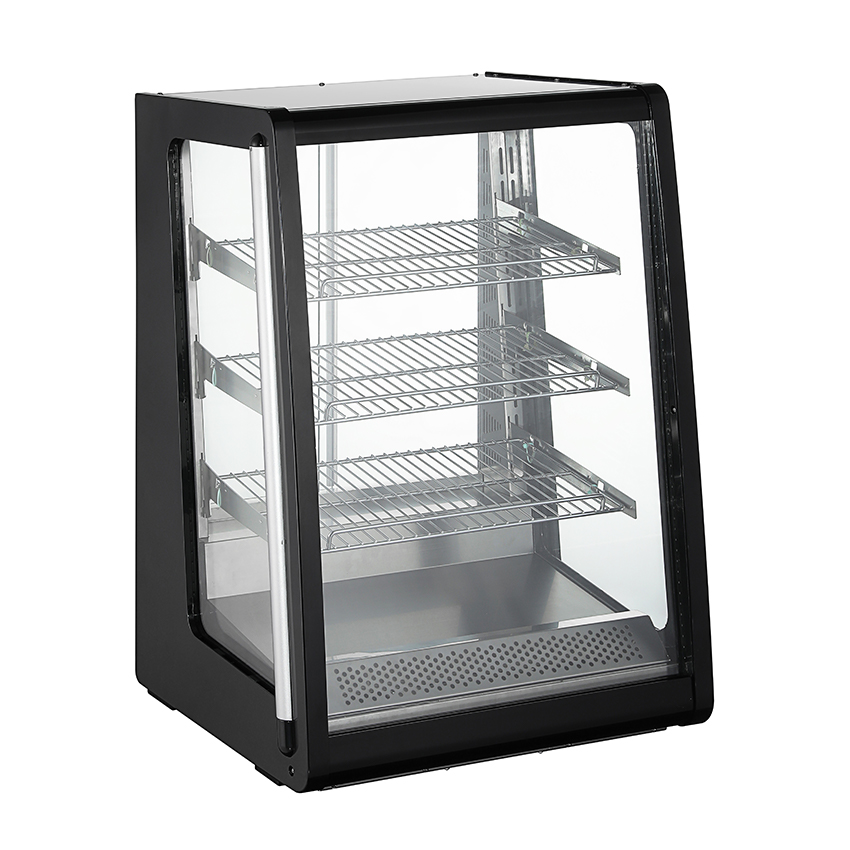

Copyright © Zhejiang Fuerj Electric Science And Technology Co., Ltd. Rights Reserved. Food Showcase Display Manufacturer Fireplace Factory
