 English
 русский
 Español
 Français
 عربى
عربى italiano
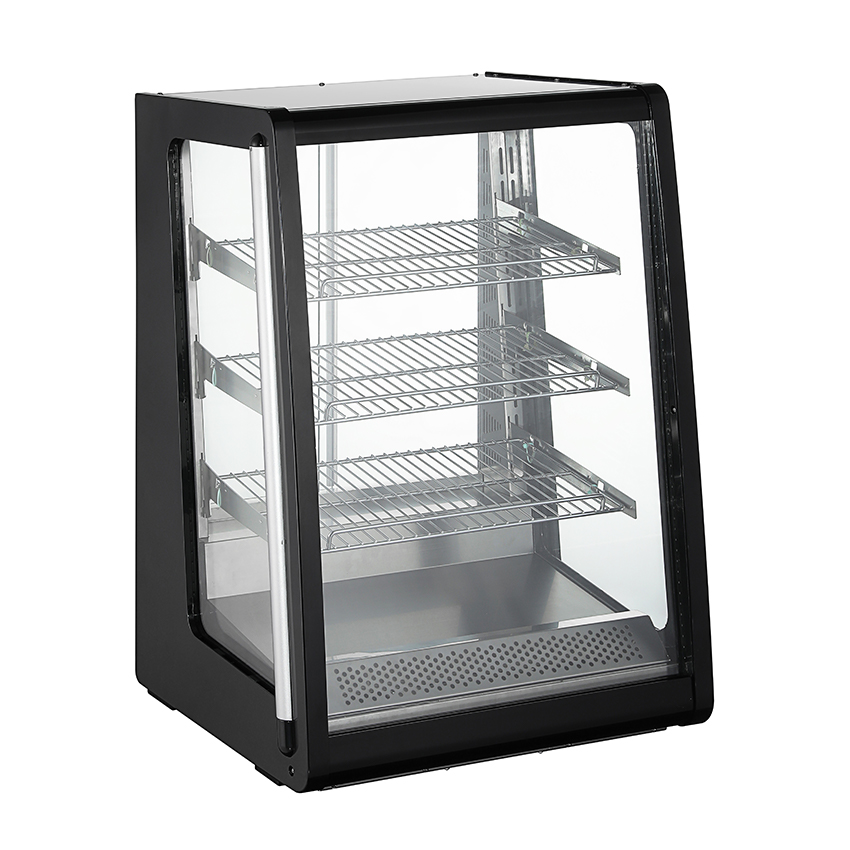
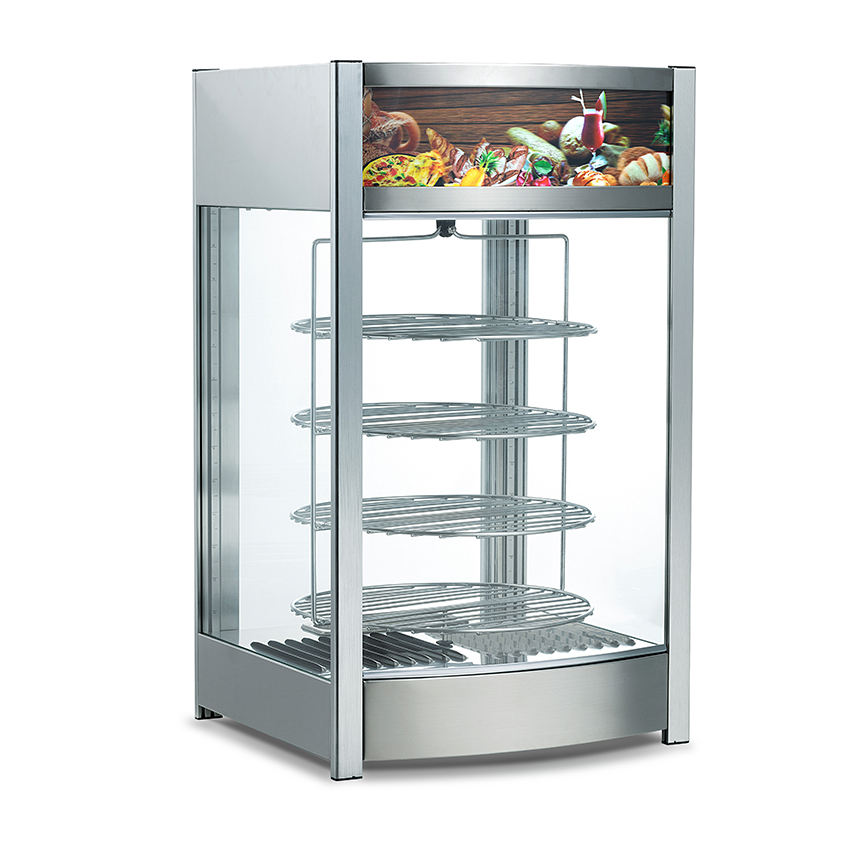
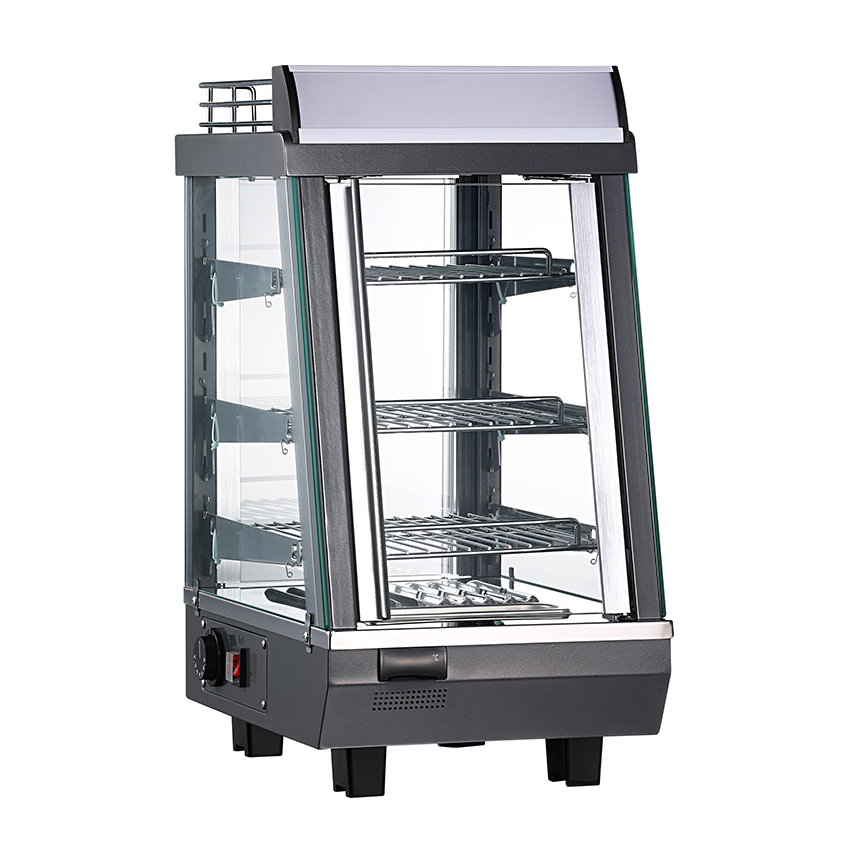
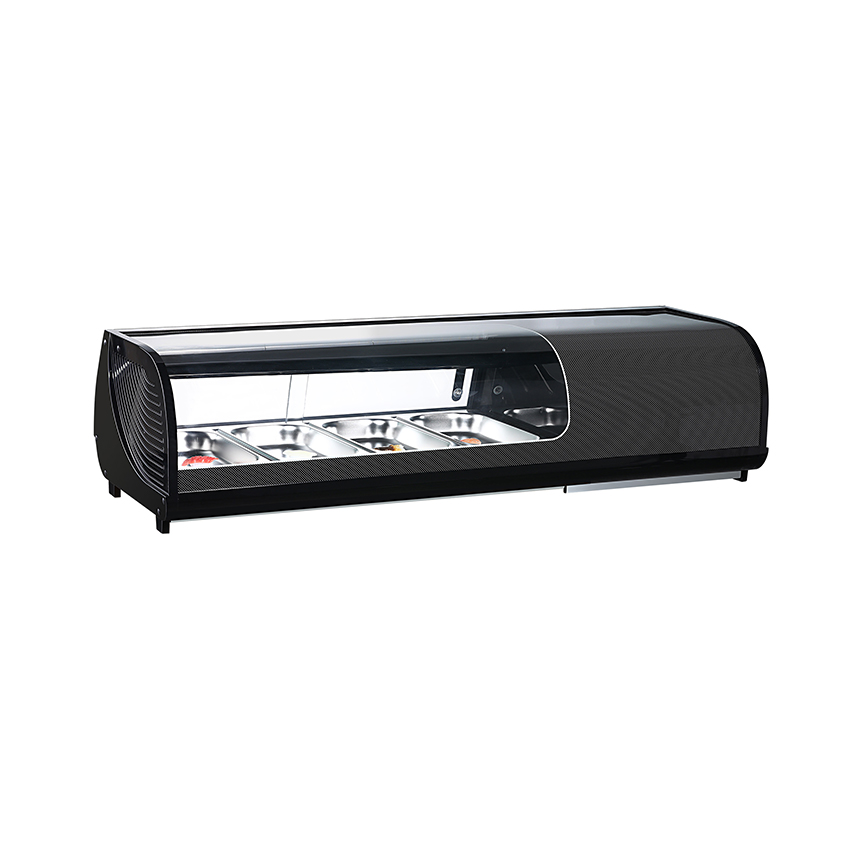
Multi-product thermal display cabinet
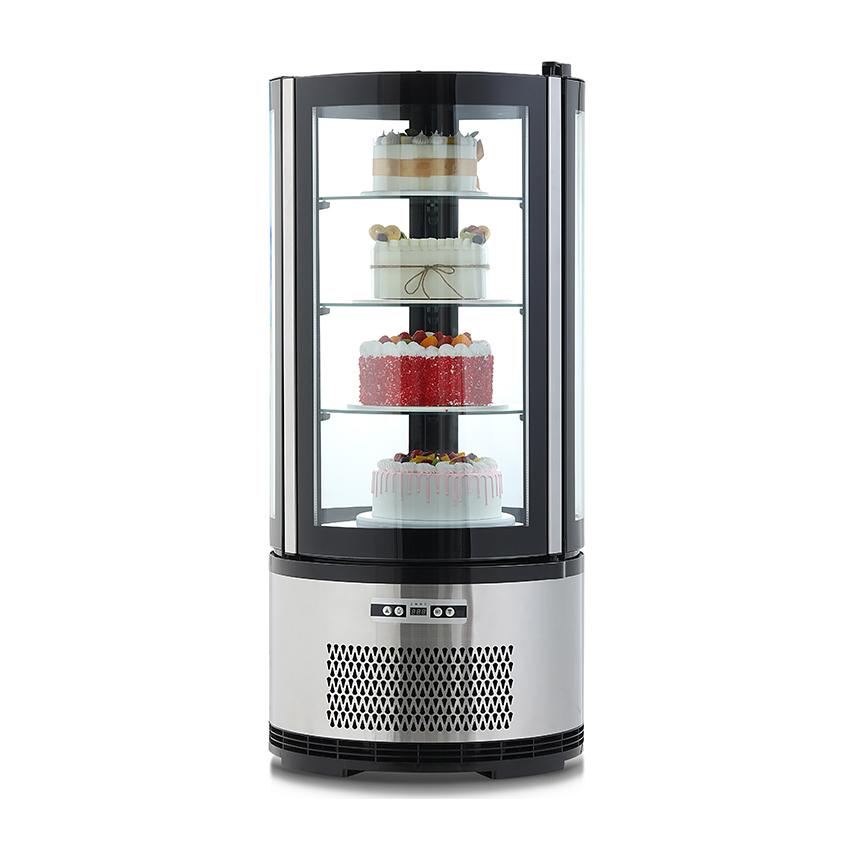
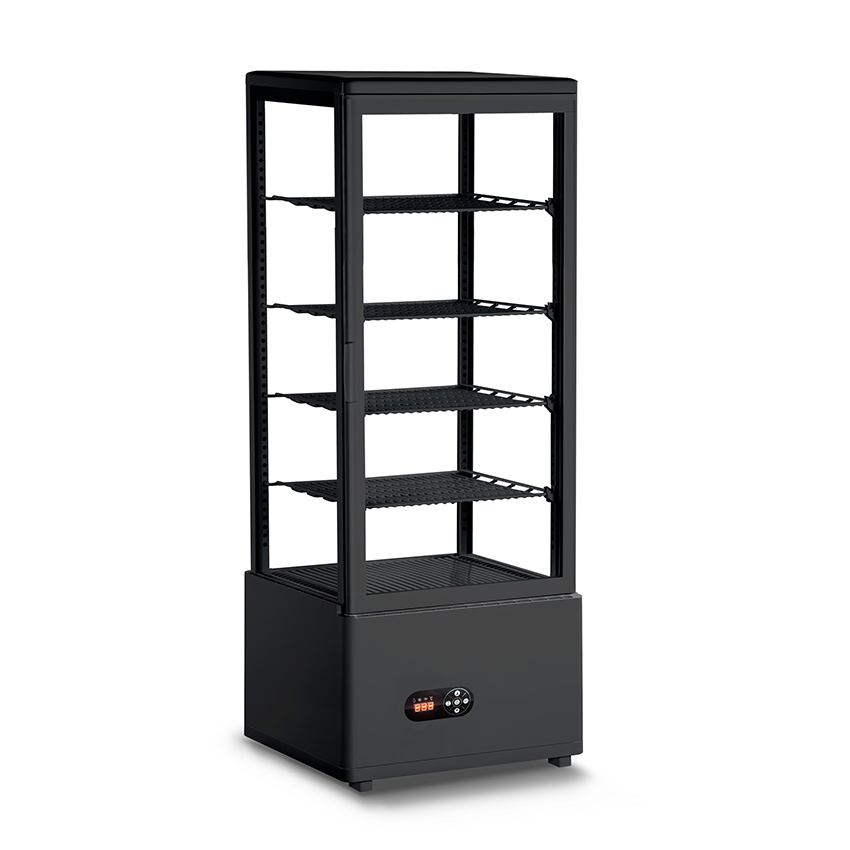
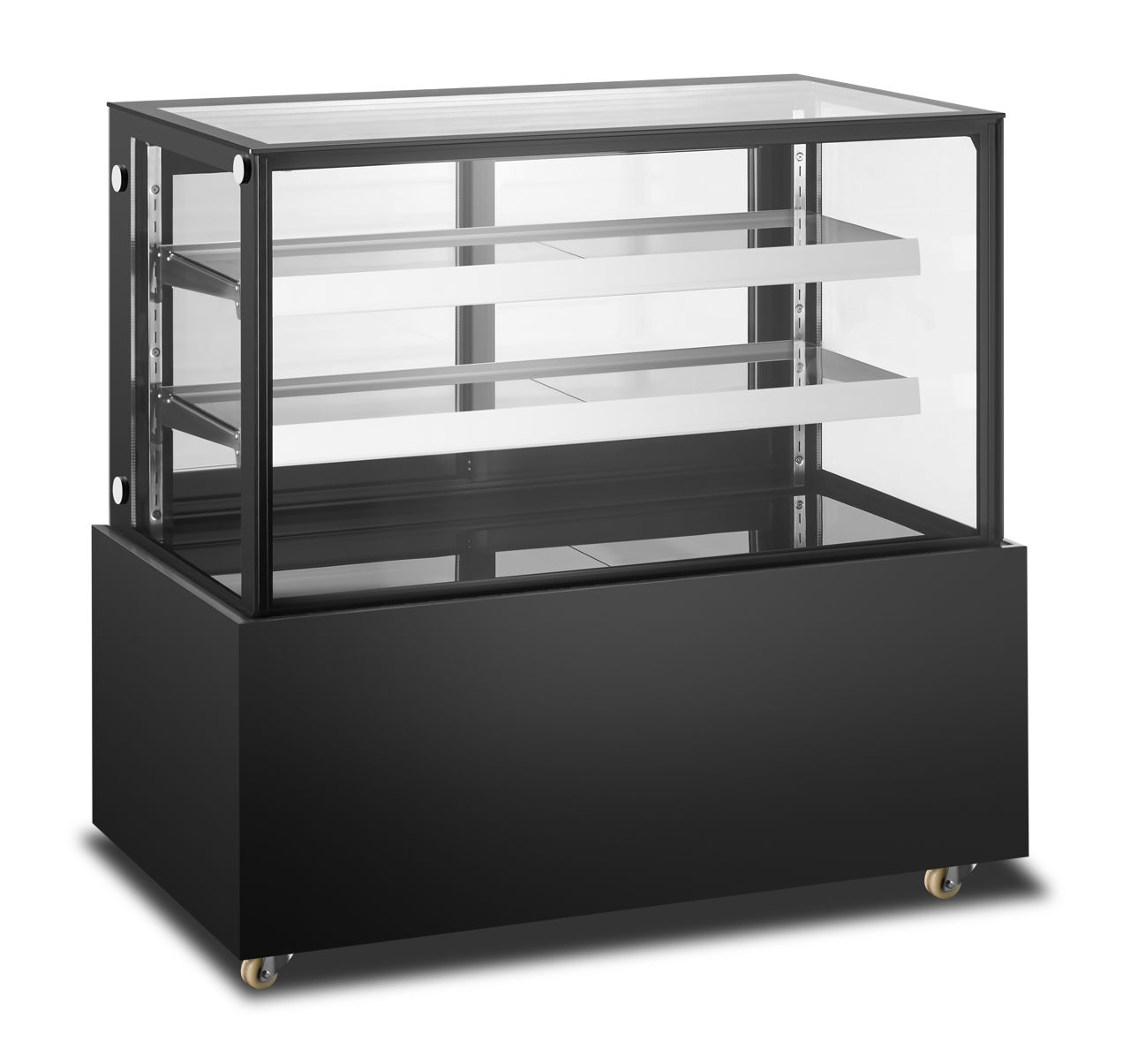
The multi-product thermal insulation display cabinet has various sizes, elegant appearance and unique design. It ad...



The short answer: a countertop cake display cabinet is better for compact spaces and impulse-purchase positioning, while a floor standing unit delivers greater capacity and visual impact for high-volume bakeries and patisseries. The right choice depends on your available floor space, daily cake turnover, and how prominently you want to merchandise your products.
Both formats are widely used in bakeries, cafés, hotel lobbies, and supermarket delis. Understanding the practical differences — from refrigeration performance and footprint to lighting and visibility — will help you invest in a unit that genuinely serves your business rather than simply filling a gap on the shop floor.
Content
The table below summarises the key differences between the two cabinet types at a glance.
| Feature | Countertop Cake Showcase | Floor Standing Cake Display Cabinet |
|---|---|---|
| Typical Capacity | 1–3 shelves, 20–60 L | 3–6 shelves, 80–400 L |
| Floor Space Required | Minimal (sits on existing surface) | 0.3–1.2 m² dedicated floor area |
| Visibility Height | Counter height (~90 cm) | Eye level to floor (~150–190 cm) |
| Refrigeration Range | 2–10 °C typical | 2–10 °C; some models offer dual zones |
| LED Lighting | Standard on most models | Multi-tier LED, often adjustable colour |
| Best Suited For | Cafés, small bakeries, checkout areas | High-volume bakeries, hotels, supermarkets |
| Portability | High — easy to reposition | Low — fixed location, often on castors |
A countertop cake showcase is a compact, self-contained refrigerated or ambient display unit designed to sit on a service counter, checkout desk, or café bar. Units typically hold 20 to 60 litres and feature a curved or flat glass front that gives customers an unobstructed view of the products inside.
The countertop format excels in environments where floor space is at a premium. A small artisan bakery with a 20 m² shop floor, a coffee shop that sells a rotating selection of slices, or a hotel reception displaying a daily cake special — all benefit from a countertop unit because it integrates seamlessly into the existing service layout without requiring dedicated floor area.
Another key advantage is impulse-purchase proximity. Research across food retail consistently shows that products displayed at or near the point of payment generate measurably higher incremental sales. A compact LED cake display cooler placed directly beside the till can increase slice and individual cake sales by 20–35% compared to products kept behind an opaque counter.
A floor standing cake display cabinet is a full-height or mid-height refrigerated showcase that stands independently on the shop floor. Capacities typically range from 80 to 400 litres, with three to six shelves offering multi-level presentation of whole cakes, sliced portions, pastries, and desserts simultaneously.
The floor standing format is the natural choice for any venue with a high daily cake turnover. A commercial cake chiller of this type allows a busy patisserie to display its full product range — perhaps 15 to 30 different cake varieties — in a single, visually arresting unit that becomes a focal point of the store rather than a background fixture.
Floor standing models also tend to offer more sophisticated refrigeration systems, including fan-assisted forced-air cooling that maintains temperature uniformity across all shelf levels, and better insulation that keeps the operating cost per litre lower than smaller countertop equivalents over the same period.
Both countertop and floor standing versions of a bakery refrigerated showcase are designed to hold cakes at 2–10 °C — the recommended range for cream-filled, mousse, and fresh fruit cakes. Consistency within this range is more important than the absolute setpoint: a unit that drifts between 4 °C and 12 °C will shorten cake shelf life even if the average temperature looks acceptable on a log.
Compact units are more vulnerable to ambient heat load because their surface-area-to-volume ratio is higher. Placing a countertop glass pastry display fridge near a hot espresso machine or in direct sunlight can increase compressor cycling frequency and reduce temperature stability. Leave at least 15 cm of clearance on all sides for ventilation, and position the unit away from heat sources.
Larger units benefit from more powerful compressor systems and greater thermal mass, which buffers temperature spikes when doors are opened frequently during service. Many floor standing commercial cake chillers feature auto-closing doors and magnetic door seals rated to 50,000+ opening cycles, both of which help maintain the interior temperature during a busy service period.
Average Temperature Fluctuation (°C) During Peak Service — Countertop vs Floor Standing
Figure 1: Floor standing units show lower temperature fluctuation at all traffic levels, especially during peak service hours
An LED cake display cooler does more than preserve freshness — it actively sells. Warm white LED lighting (typically 2700–3000 K colour temperature) enhances the golden tones of sponge cakes and the richness of chocolate glazes in ways that ambient shop lighting simply cannot replicate. Studies across food retail environments consistently find that well-lit display cases increase customer dwell time at the display by 30–50%.
Countertop units usually feature a single LED strip along the top of the cabinet interior. This works well for a single-shelf display of sliced cakes or individual pastries. Floor standing models, especially multi-tiered designs, often incorporate per-shelf LED strips so that every level is evenly illuminated regardless of how full the cabinet is. This matters in practice: a top-lit floor standing unit leaves the bottom shelf in relative shadow, which is why per-shelf lighting is worth specifying on any unit with more than three shelves.
Anti-fogging glass is another specification to look for in refrigerated models. Condensation on the glass panel of a glass pastry display fridge obscures the product and damages the perceived quality of the display. Quality units use low-E double-pane glass with a built-in heating element that keeps the exterior pane clear even in humid kitchen environments.
Space is often the deciding factor. Before specifying either format, measure your available area carefully and consider how the unit will affect customer flow and staff access.
Different food service settings have genuinely different requirements from a cake display cabinet. The guidance below reflects how operators in each setting typically use these units.
| Venue Type | Recommended Format | Key Reason |
|---|---|---|
| Small café / coffee shop | Countertop | Limited floor space; point-of-sale display |
| Dedicated patisserie / bakery | Floor Standing | Full range display; high daily volume |
| Hotel lobby / restaurant | Floor Standing | Visual merchandising; premium presentation |
| Supermarket deli counter | Floor Standing (multi-deck) | Large SKU range; self-service access |
| Office canteen / staff café | Countertop | Low turnover; minimal footprint needed |
| Catering / events | Countertop (portable) | Needs to move between venues |
Regardless of which format suits your venue, these specifications separate a reliable long-term investment from a unit that will cause maintenance headaches within the first year of use.
A commercial cake chiller must meet food safety hygiene requirements in addition to performing well commercially. Both countertop and floor standing models require the same core maintenance disciplines, though the scale of the task differs.
The condenser coil should be cleaned every 3–6 months to prevent dust buildup from insulating the coil and reducing cooling efficiency. A dirty condenser can increase power consumption by 10–15% and shorten compressor life. Door seals should be inspected monthly and replaced if any cracking, flattening, or loss of magnetic grip is found — a compromised seal on a floor standing unit can raise the interior temperature by 2–3 °C during a busy service period.
Interior cleaning should be carried out with food-safe, non-abrasive cleaners. Avoid bleach-based products on stainless steel shelves as repeated use causes surface pitting that harbours bacteria over time.
Cake display cabinets from Fuerj are recognised for their refined aesthetics, diverse styles, and dependable performance across a wide range of commercial settings. Each unit combines precise refrigeration and preservation, warm LED lighting, and accurate temperature control to keep displayed cakes looking and tasting their best. Whether the application is a restaurant, supermarket deli, or hotel lobby, Fuerj cabinets add elegance to the retail environment while actively supporting sales. Bulk customisation is available to meet specific branding and dimensional requirements.
Zhejiang Fuerj Electric Science And Technology Co., Ltd. was founded in 1997 and specialises in electric heating products and refrigeration products including freezers and cake showcases. The company occupies 110,000 square metres of land with a construction area of 85,500 square metres, and employs 650 staff, including 85 engineering and technical personnel. More than 160 employees hold college degrees or above, and senior leadership integrates experienced professional and technical talent to drive continuous innovation in product development and operations.
As a professional cake display cabinet manufacturer and supplier, Fuerj achieves an annual output of 750,000 sets of various products. All products carry GS, CB, RoHS, UL, COC, and CCC certifications, ensuring they meet the regulatory requirements of more than 20 countries and regions across Europe, America, Asia, and Africa.

Copyright © Zhejiang Fuerj Electric Science And Technology Co., Ltd. Rights Reserved. Food Showcase Display Manufacturer Fireplace Factory
