 English
 русский
 Español
 Français
 عربى
عربى italiano
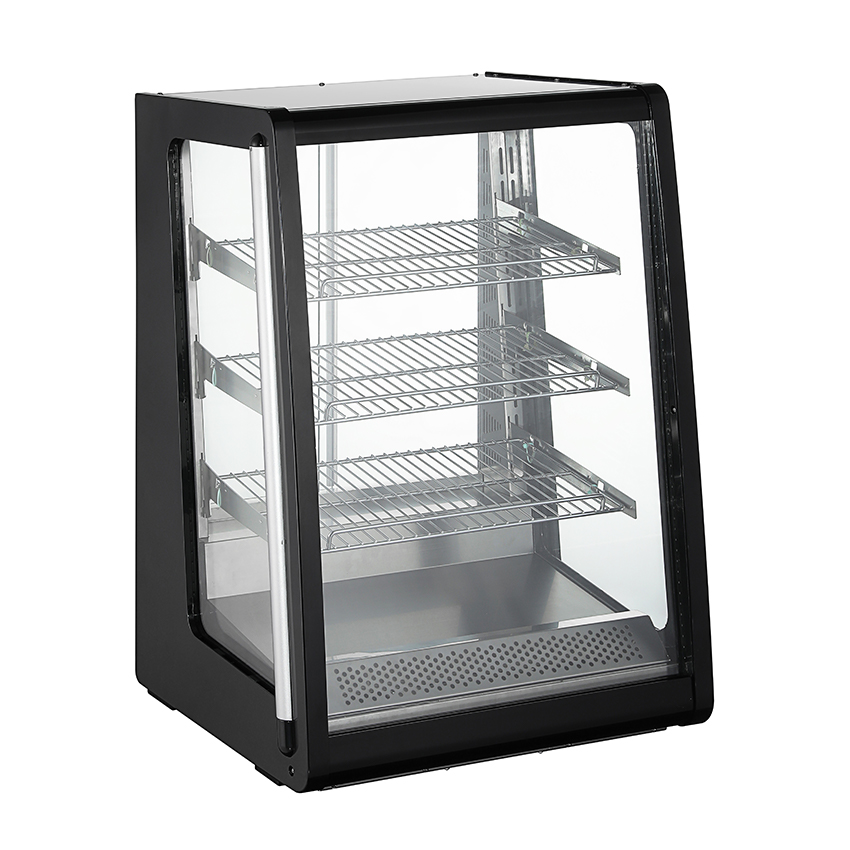
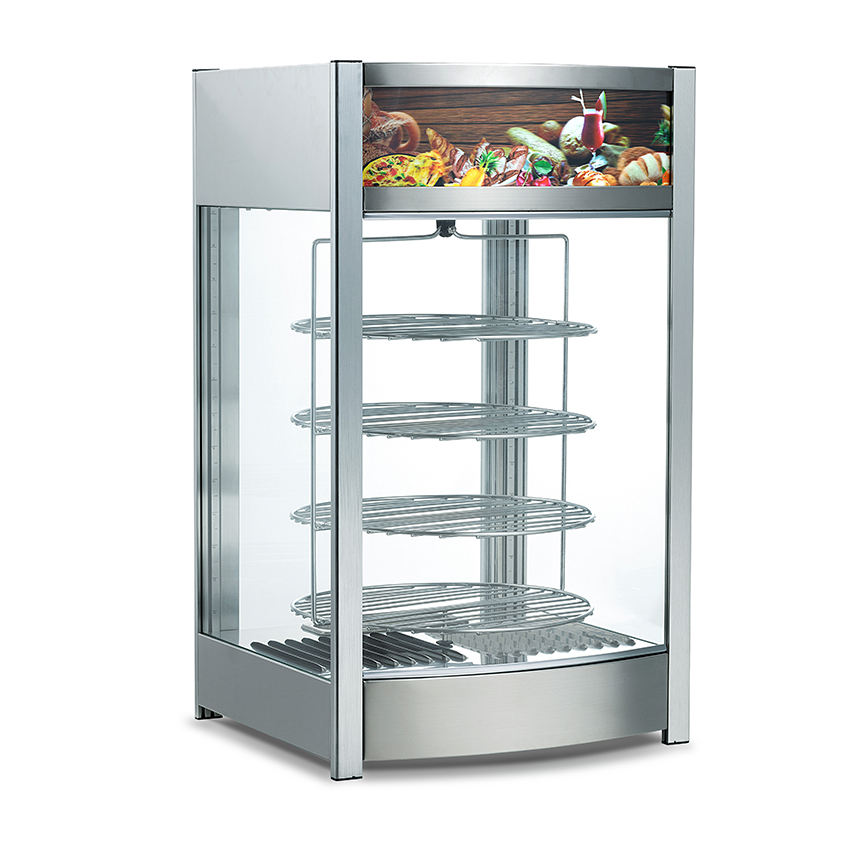
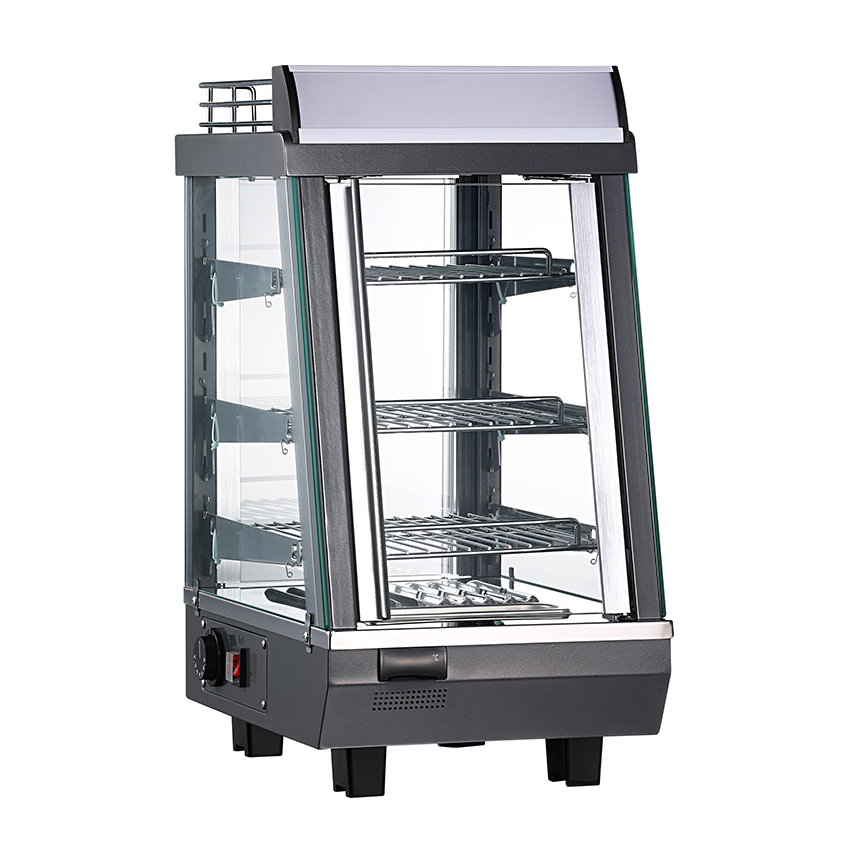
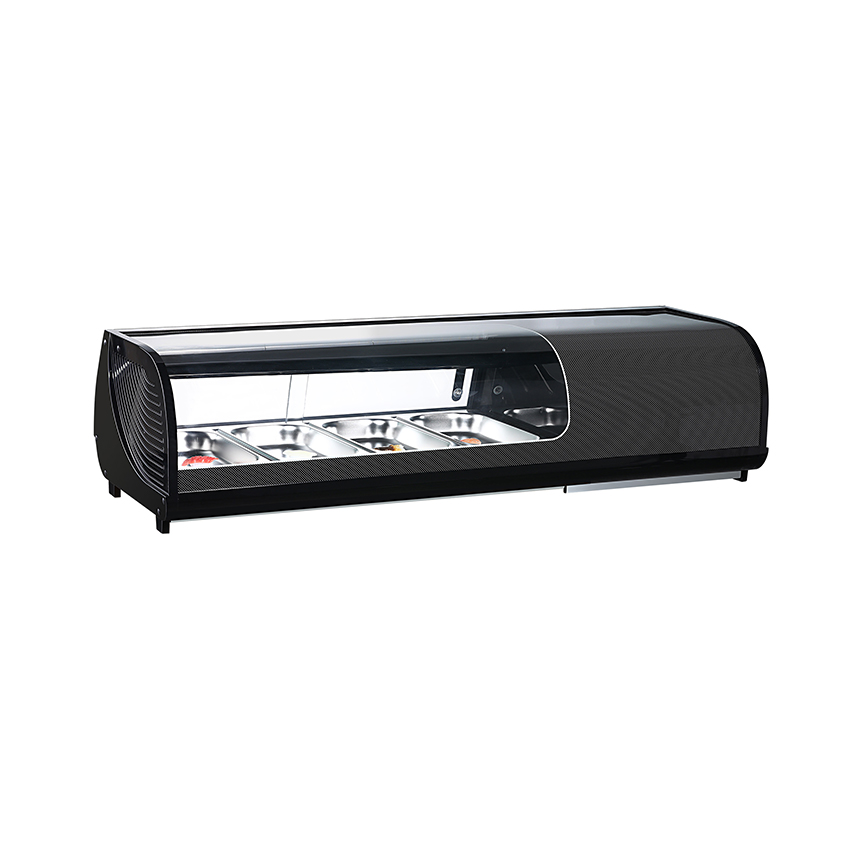
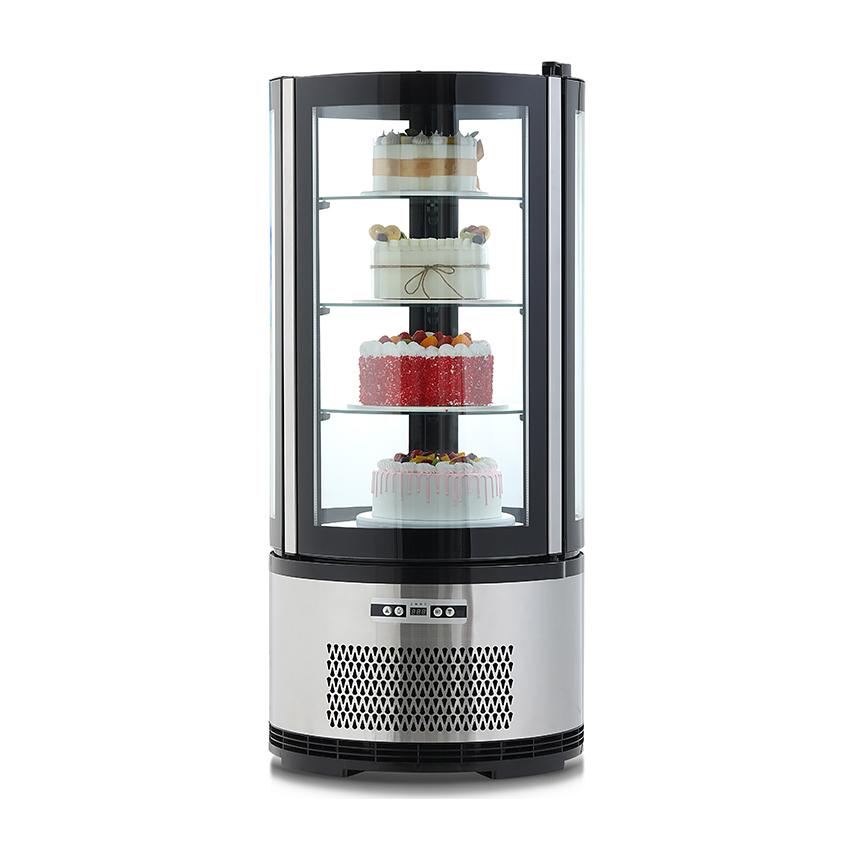
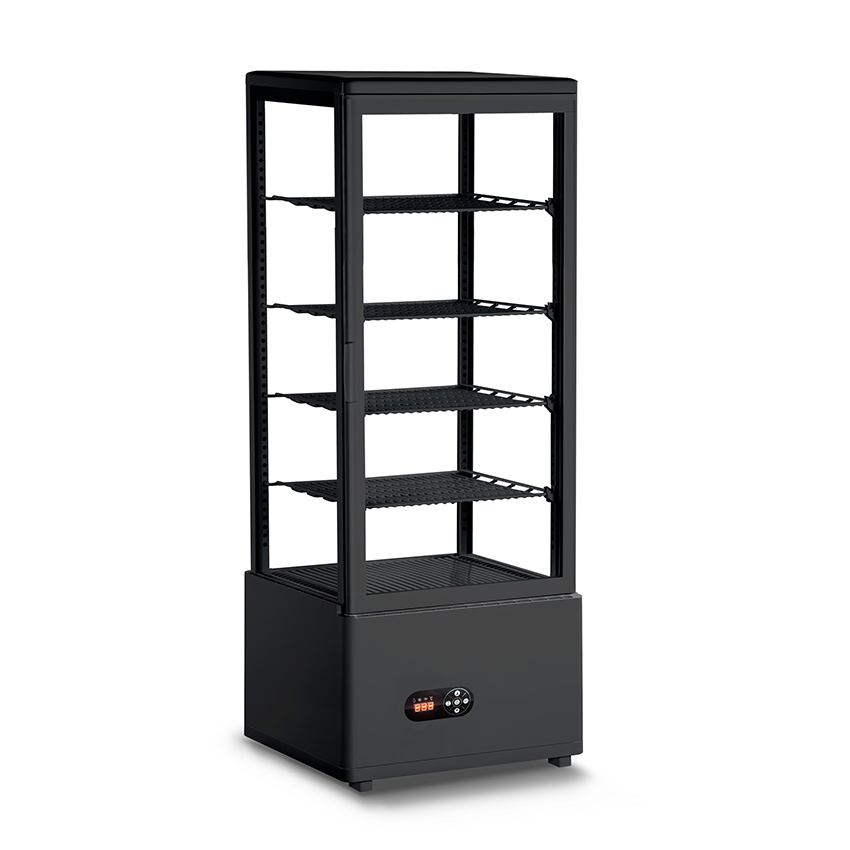
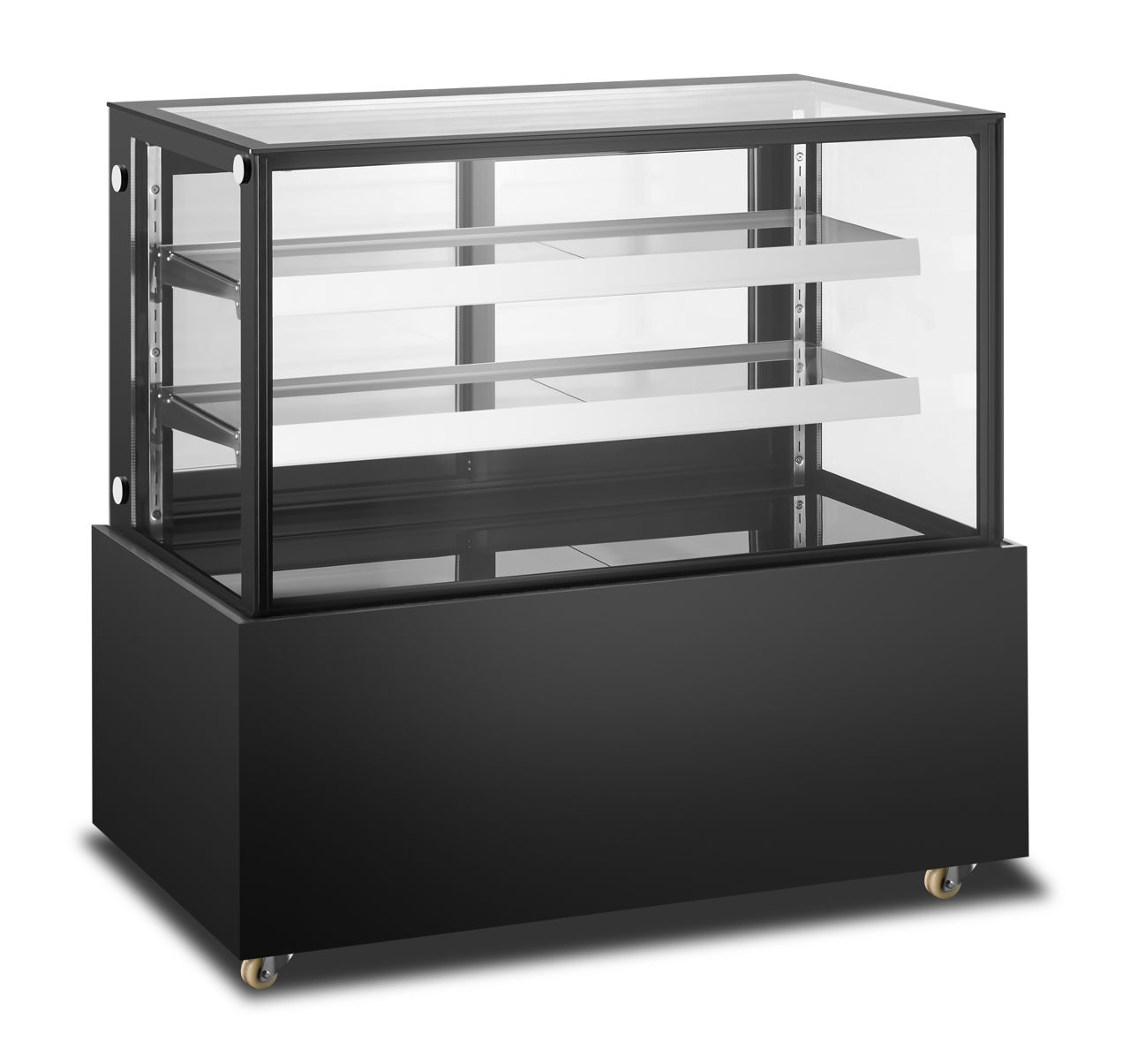
Multi-product thermal display cabinet
The multi-product thermal insulation display cabinet has various sizes, elegant appearance and unique design. It ad...



Quick Answer
When choosing a table hot cabinet, prioritize five key features: precise temperature control (typically 40°C–85°C), durable stainless steel construction, energy-efficient heating technology, adequate interior capacity with adjustable shelving, and food-safe humidity management. These features ensure your commercial food holding cabinet keeps food at safe serving temperatures, reduces waste, and meets health code requirements — whether you run a restaurant, catering service, or retail food counter.
Content
In a busy foodservice environment, keeping food at the correct holding temperature is not just a matter of quality — it is a legal and health-critical requirement. The FDA Food Code requires hot held food to be maintained at 135°F (57°C) or above to prevent bacterial growth. A reliable countertop food warming cabinet bridges the gap between preparation and service, ensuring every dish reaches the customer at peak safety and flavor.
Studies show that improper hot holding is one of the leading causes of foodborne illness in commercial kitchens. Investing in the right restaurant hot holding equipment can reduce food waste by up to 30% and improve customer satisfaction scores significantly. Whether you operate a buffet line, a quick-service restaurant, or a catering business, the table hot cabinet you choose will directly affect your operational efficiency and food safety compliance.
Why Operators Upgrade Their Hot Holding Equipment
Source: Foodservice Equipment Industry Survey (2023), n=420 commercial kitchen operators
The most critical feature in any electric heated food cabinet is its ability to maintain a consistent, accurate internal temperature. Look for units with a digital thermostat that allows fine-grained adjustments — ideally in 1°C increments — across a range of at least 40°C to 85°C (104°F to 185°F). This range accommodates everything from delicate pastries to dense roasted meats.
Units with poor temperature uniformity create hot and cold spots, causing food safety risks in cooler areas and over-drying food in hotter zones. When evaluating a commercial food holding cabinet, always request third-party temperature uniformity test data or check for certifications such as NSF or CE that require validated thermal performance.
A stainless steel hot food cabinet is the industry standard for good reason. Food-grade stainless steel (typically 304 or 430 grade) offers a combination of corrosion resistance, ease of cleaning, and structural longevity that no other material matches in a commercial kitchen environment.
Higher chromium and nickel content. Excellent corrosion resistance. Best for humid or coastal environments. Preferred for direct food-contact surfaces.
Ferritic grade with good heat resistance. More economical option. Suitable for exterior panels and structural frames. Magnetic — easier to identify with a magnet test.
Premium table hot cabinets use 304 steel inside and 430 outside. This layered approach balances food safety standards with cost efficiency without compromising hygiene.
Beyond the steel grade, pay attention to weld quality and edge finishing. Smooth, crevice-free interior corners prevent food residue buildup and bacteria accumulation — a factor inspectors specifically look for. The door seals and gaskets should be high-temperature silicone rated for continuous use above 80°C.
| Property | Grade 304 | Grade 430 |
|---|---|---|
| Corrosion Resistance | Excellent | Good |
| Heat Resistance | Very Good | Good |
| Food-Safe Rating | Primary choice | Secondary use |
| Typical Application | Interior surfaces | Exterior panels |
Running a restaurant hot holding equipment unit for 10–14 hours per day adds up quickly on your electricity bill. Modern electric heated food cabinets address this with intelligent energy-saving modes that reduce power consumption during low-demand periods without allowing internal temperatures to drop below safe thresholds.
Estimated Monthly Energy Cost: Standard vs. Intelligent Energy-Saving Cabinet
On average, a well-insulated table hot cabinet with intelligent energy-saving mode consumes 30–40% less electricity than a conventional unit with the same internal volume. For a business operating 300 days per year, this translates into meaningful savings that quickly offset the initial investment.
A countertop food warming cabinet needs to fit your specific menu items — not the other way around. Capacity requirements vary dramatically: a small café might need a 30-liter unit for pastries, while a hotel banquet kitchen may require a 120-liter or larger commercial food holding cabinet with multiple shelf configurations.
Ideal for cafes, bakeries, food trucks, and small delis. Typically holds 2–3 full-size hotel pans or 8–12 individual portions.
Suits quick-service restaurants, catering companies, and school cafeterias. Accommodates 4–6 gastronorm pans simultaneously.
Designed for hotel kitchens, hospital food services, and high-volume buffet lines. Multiple shelf tiers with full-size and half-size pan compatibility.
Look for adjustable wire shelves with multiple height positions, ideally using a tool-free clip system for quick reconfiguration during service. Removable shelves that are dishwasher-safe save significant labor during cleaning. Some advanced stainless steel hot food cabinets include a removable drip tray to catch condensation, which simplifies daily maintenance.
Temperature alone does not determine food quality during holding. Humidity management is equally critical. Too little moisture and roasted meats dry out; too much and crispy foods like fried chicken or spring rolls lose their texture. A well-designed table hot cabinet offers independent humidity settings.
| Food Type | Recommended Humidity | Reason |
|---|---|---|
| Roasted meats, poultry | High (60–80%) | Prevents moisture loss and drying |
| Fried foods, pastries | Low (20–40%) | Maintains crispness and texture |
| Soups, stews, sauces | High (70–90%) | Prevents surface skinning and evaporation |
| Baked goods, bread | Medium (40–60%) | Balances moisture without sogginess |
Some electric heated food cabinets include a water tray or steam injection system for high-humidity modes, while dry-holding models rely on sealed insulation alone. Understand your menu before choosing a humidity system — a unit with manual humidity adjustment via a water pan is often sufficient for most small to mid-size operations.
Beyond the five core features, several secondary considerations will affect how well your table hot cabinet performs day-to-day:
Glass doors allow staff to check food without opening the cabinet, reducing heat loss by an estimated 15–20% per shift. Full-glass doors suit display-oriented retail counters; solid stainless doors are better for pure back-of-house efficiency. Some commercial food holding cabinets offer a hinged door on one side and a sliding door on the other for dual-access convenience in tight kitchen layouts.
Always verify that the restaurant hot holding equipment you purchase carries relevant certifications for your market. Common certifications include NSF/ANSI (USA), CE (Europe), GS (Germany), UL (North America), CB, RoHS, and CCC (China). These certifications confirm that the unit meets food safety, electrical safety, and environmental standards — and are often required for health department approval.
Look for a stainless steel hot food cabinet with smooth interior surfaces, no exposed fasteners inside the holding chamber, and removable components (shelves, drip trays, door gaskets) that can be sanitized separately. A self-closing door with magnetic seals helps maintain temperature and reduces accidental openings during busy service periods.
Desktop hot cabinets that combine heating and refrigeration functions offer added flexibility. These hybrid units can transition between cold storage and active heating — useful for operations that receive deliveries well before service. A built-in defrost cycle ensures smooth switching without manual intervention, reducing the risk of temperature abuse between modes.
Not all countertop food warming cabinets are built for the same environment. Use this overview to align cabinet specifications with your operational needs:
| Operation Type | Recommended Capacity | Key Feature Priority | Door Type |
|---|---|---|---|
| Café / Bakery | 30–50L | Humidity control | Glass (display) |
| QSR / Fast Food | 60–90L | Speed & capacity | Solid or half-glass |
| Catering / Events | 80–120L | Portability & insulation | Solid (efficiency) |
| Hotel / Buffet | 120L+ | Multi-zone temp control | Glass (display) |
| Hospital / Institution | 100–150L | Compliance & hygiene | Solid (sealed) |
The desktop hot cabinet from Fuerj combines refrigeration and heating functions to achieve rapid conversion between physical storage and active warming. Operation is simple and intuitive — users follow clear instructions to start, stop, and adjust temperature. The unit also features heat preservation, precision temperature control, and an automatic defrost function to meet the diverse storage requirements of different food categories.
An intelligent energy-saving mode automatically adjusts operating parameters based on actual usage patterns, reducing energy consumption without compromising food safety. The equipment is well-suited for catering, retail, and public food service environments, and is available for bulk customization to meet specific operational requirements.
1997
Year Established
650+
Employees
750K
Units/Year Output
20+
Export Countries
Founded in 1997, Zhejiang Fuerj Electric Science And Technology Co., Ltd. is a professional table hot cabinet manufacturer and supplier with over 25 years of experience in electric heating and refrigeration products. The company occupies 110,000 square meters of land with a built-up area of 85,500 square meters, and employs 85 dedicated engineering and technical personnel among its workforce.
With an annual production capacity of 750,000 units, all products carry internationally recognized certifications including GS, CB, RoHS, UL, COC, and CCC, ensuring compliance with the market requirements of Europe, America, Asia, and Africa. A senior leadership team with deep professional expertise continues to drive innovation across production, development, and operations.

Copyright © Zhejiang Fuerj Electric Science And Technology Co., Ltd. Rights Reserved. Food Showcase Display Manufacturer Fireplace Factory
