 English
 русский
 Español
 Français
 عربى
 italiano

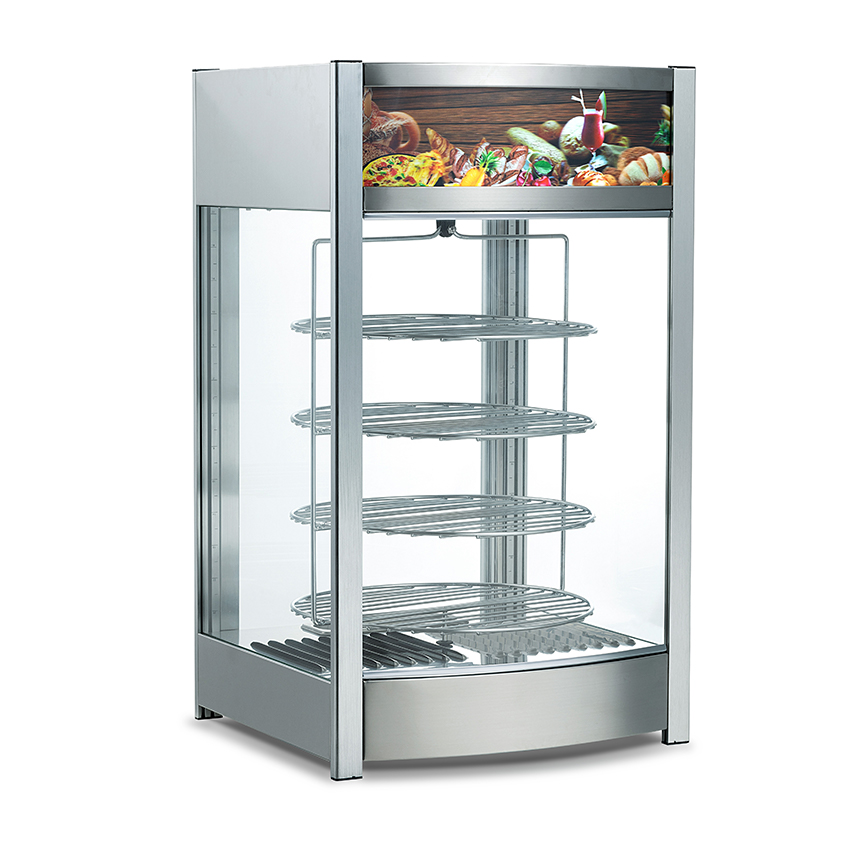
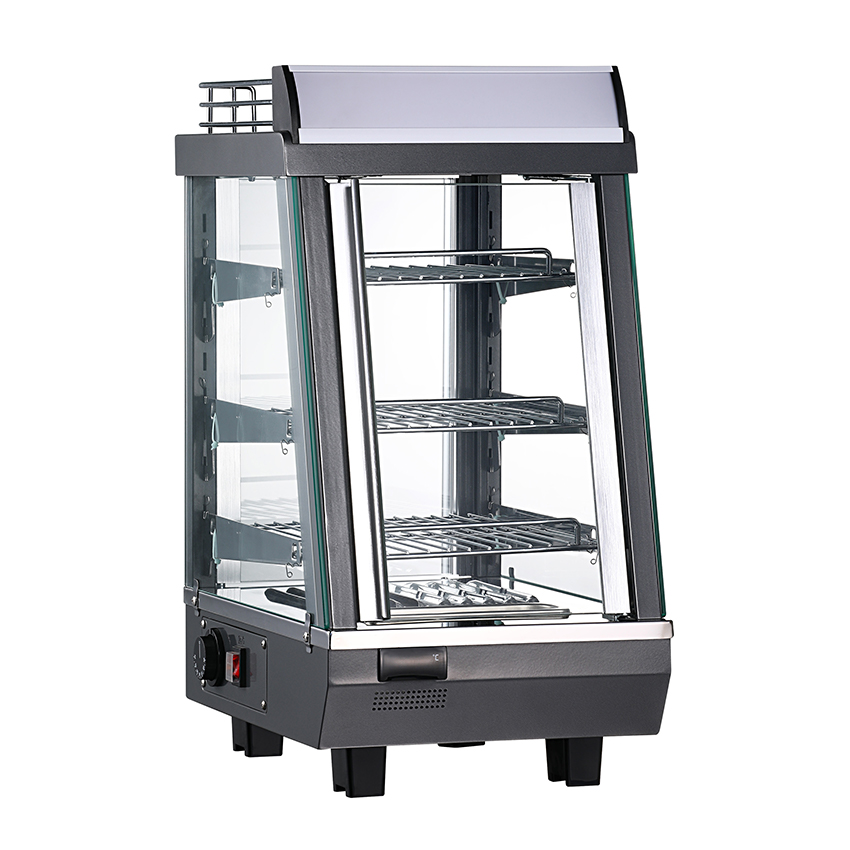
Multi-product thermal display cabinet
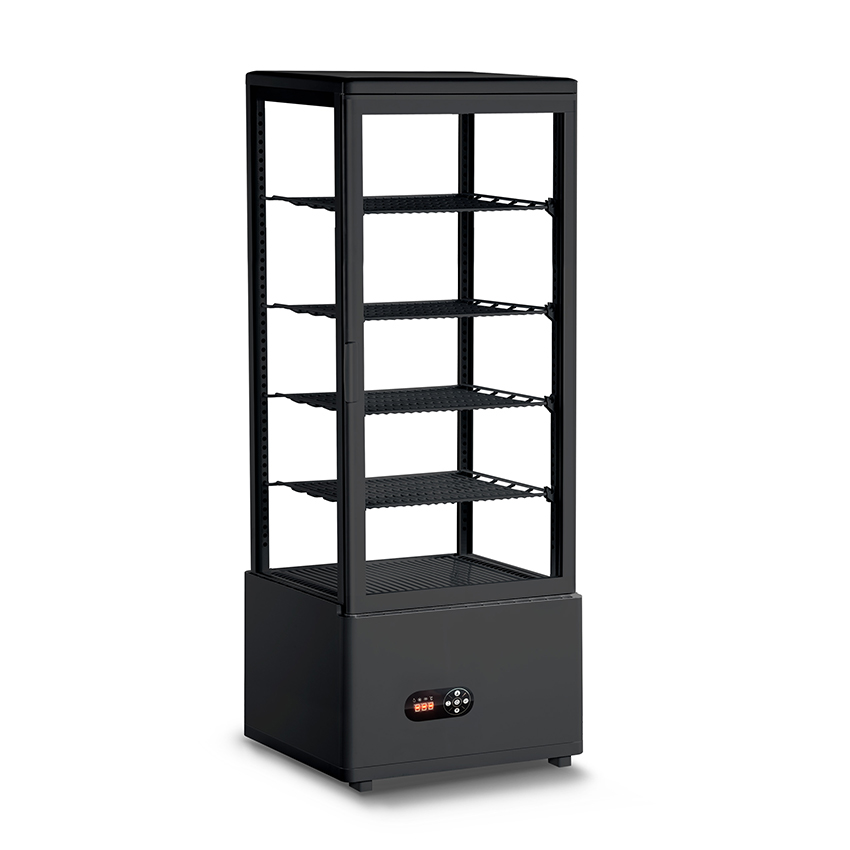
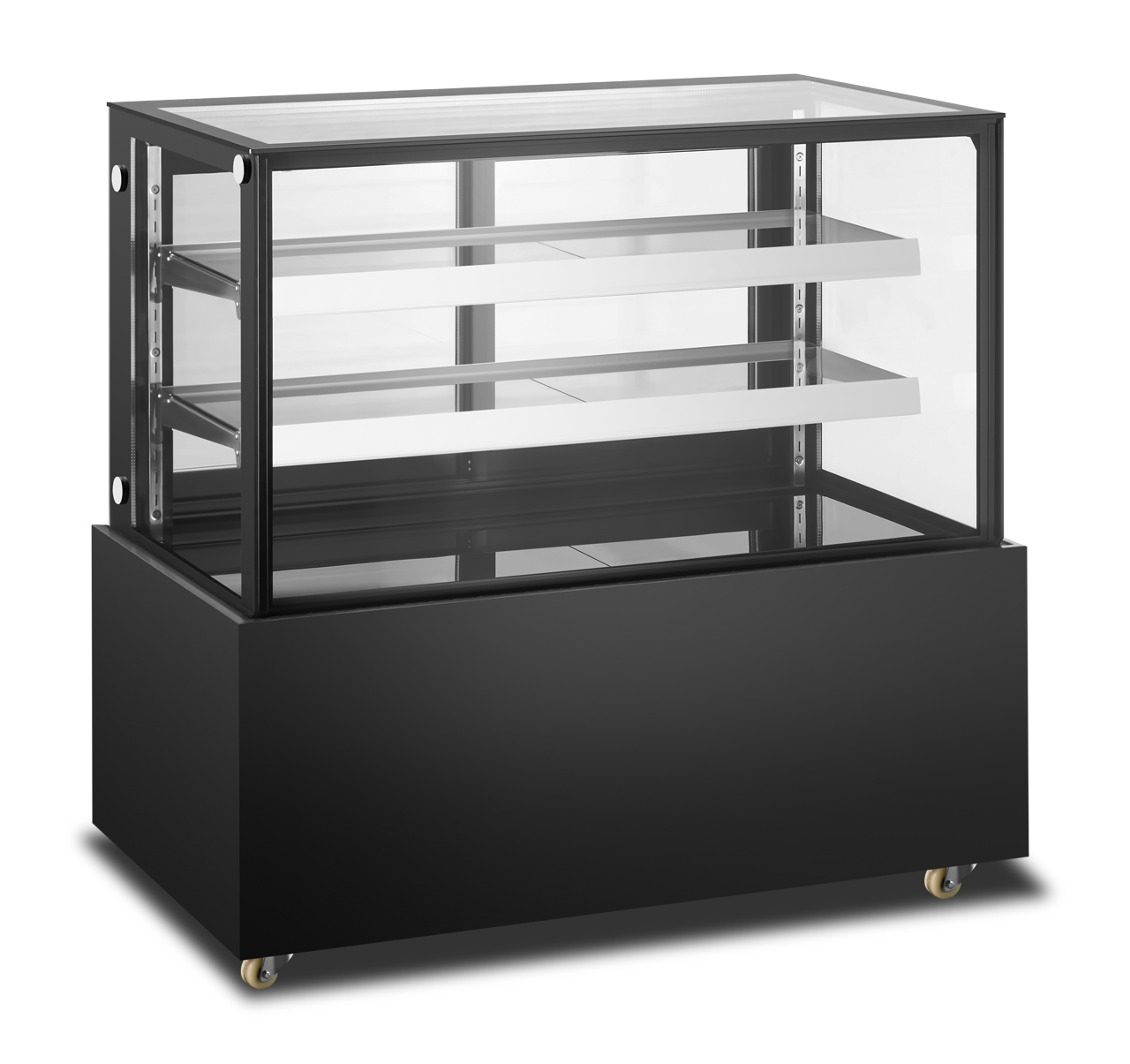
The multi-product thermal insulation display cabinet has various sizes, elegant appearance and unique design. It ad...



A bakery adds a second cream-cake line, and by mid-morning the glass on its three-year-old display case is beaded with condensation. Nothing is broken. What changed is the load: warmer product going in, more door openings, and an evaporator sized for a product mix the case was never designed around.
This is the moment custom refrigeration solutions start to make commercial sense. The short answer first: a bespoke cabinet is justified when three things stop matching a catalogue unit — the product's temperature and humidity window, the duty cycle of the site, and the physical limits of the room. Settle those three on paper before you contact a manufacturer, and most of the specification writes itself.
Content
A standard case is designed around an average shop: a handful of chilled lines, predictable opening hours, a room held at 22–24 °C. Custom work begins when that average no longer describes your site.
If two or more of those apply, generic sizing becomes guesswork. A structured selection process — the kind set out in this guide on how to choose the right commercial refrigerated display cabinet — usually replaces guesswork with a short list of measurable requirements.
Cold is not a single setting. Cream-based pastry dries out in moving air below roughly 60 % relative humidity; sushi rice stiffens when a case runs too dry; ice cream needs a genuine −18 °C and a defrost cycle that does not let the surface soften. A custom build starts from a target band plus a tolerance, not from "chilled".
Pull-down capacity matters once a day; holding stability matters the other twenty-three hours. Record how often the door opens, how long it stays open, and what temperature product enters at. Warm deliveries stacked straight into a case are the most common cause of a cabinet that "never holds temperature".
Ambient temperature, humidity, distance to the condenser, power available and noise limits all constrain the design. A case that performs perfectly in a 20 °C test room can struggle beside a 32 °C bakery oven.
Food safety guidance narrows the design envelope considerably. UK Food Standards Agency advice places the bacterial danger zone between 8 °C and 63 °C, with chilled food held at 0–5 °C and frozen food at −18 °C; the US FDA Food Code sets cold holding at 41 °F (5 °C). The chart below shows how much of the temperature range is working against you.
The practical consequence: a display case is not fighting room temperature so much as protecting a narrow slice of the scale. Every degree of margin you lose — through a short air curtain, a worn gasket, or a lamp that radiates heat onto the product — pushes the load into the amber band.
Write the brief product-first. The table below is the format most factories expect, and it removes most of the ambiguity in a first quotation.
| Product category | Target band | Display priority | Risk if mismatched |
|---|---|---|---|
| Cream cakes, fresh pastry | 2–8 °C, moderate humidity | Even lighting, full glass | Condensation, dried cut edges |
| Sushi, deli, prepared food | 0–5 °C, tight tolerance | Fast access, short residence | Temperature spikes at turnover |
| Chilled drinks, dairy | 1–4 °C | High product visibility | Short cycling, icing on evaporator |
| Ice cream, frozen lines | ≤ −18 °C | Frost-free viewing glass | Surface softening during defrost |
| Hot food (contrast case) | ≥ 63 °C | Steam control | Cross-loading next to a cold case |
Most of the difference between a stock and a custom case sits in four places. The cutaway below marks them.
Most bakery complaints are not about temperature at all. Cream cakes weep, gateaux dry at the cut face, and chocolate blooms — all symptoms of air that is too dry or moving too fast. A cake-specific cabinet controls both, with lower air velocity across the product and a defrost schedule that keeps the glass clear during service rather than at 3 a.m.
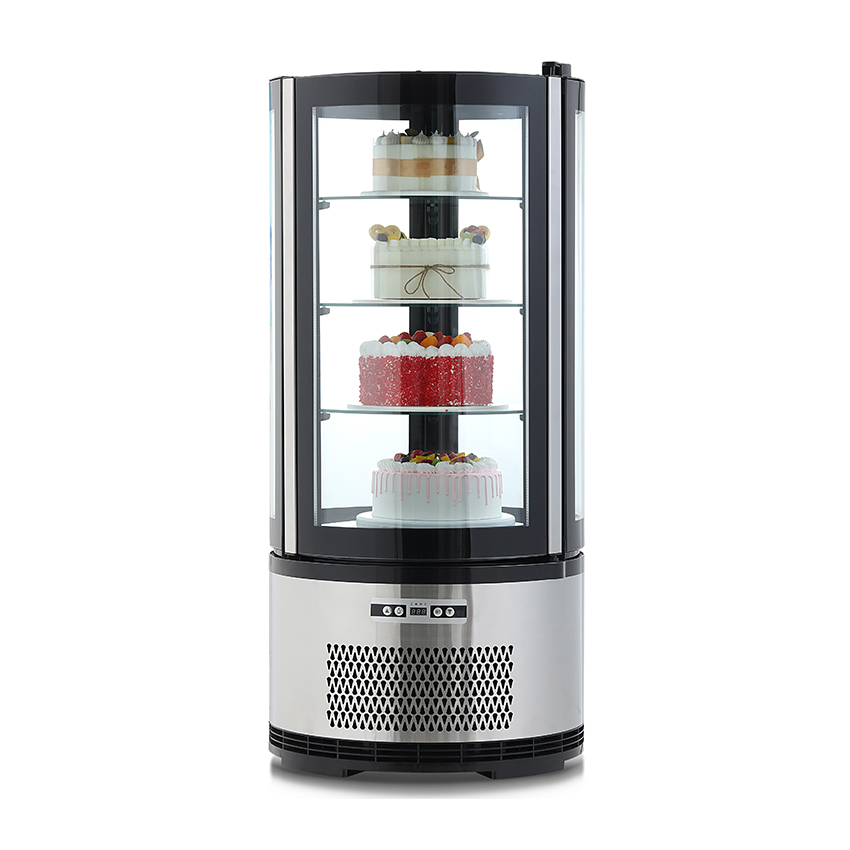
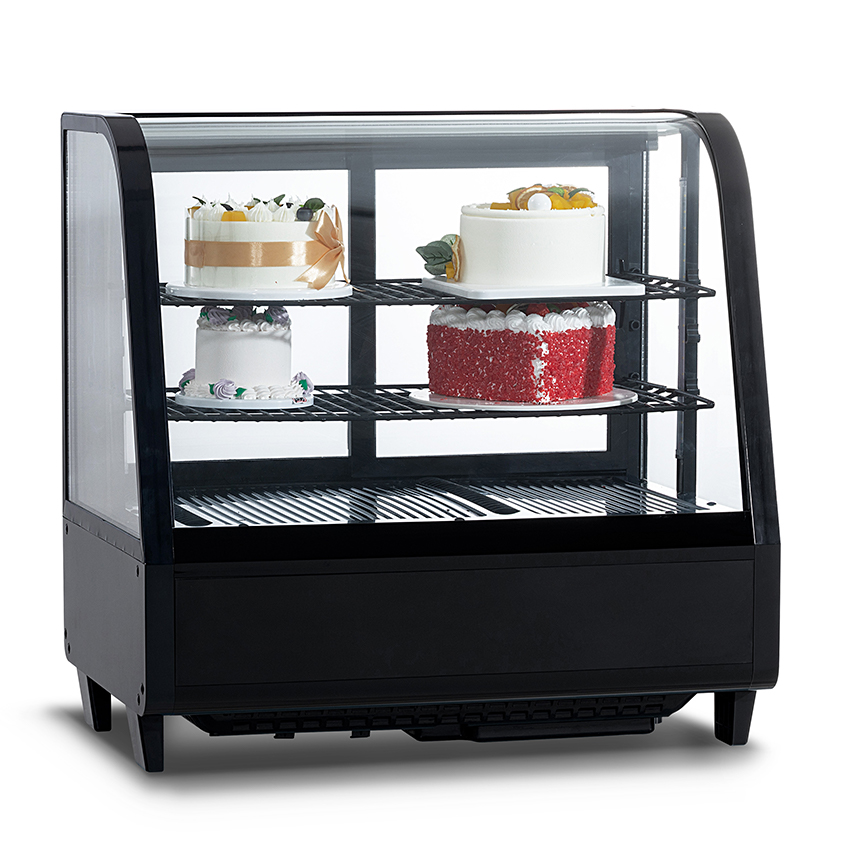 Cake Display Cabinet for Bakeries and CafésDesigned to help keep cream, mousse and baked goods fresh during display, with LED lighting, humidity control and customization for store layouts.View Product →
In a residential block, the constraint that decides the project is often sound, not cooling. A compressor that runs through the night at 55 dB(A) will generate complaints long before it generates condensation. Low-noise design moves to variable-speed compressors, slower fan speeds with larger coils, and anti-vibration mounting — changes that also reduce energy use because the unit stops short-cycling.
For a case running all night in a shop below apartments, the sensible brief is "indistinguishable from a quiet room" — which in practice means staying well below conversational level.
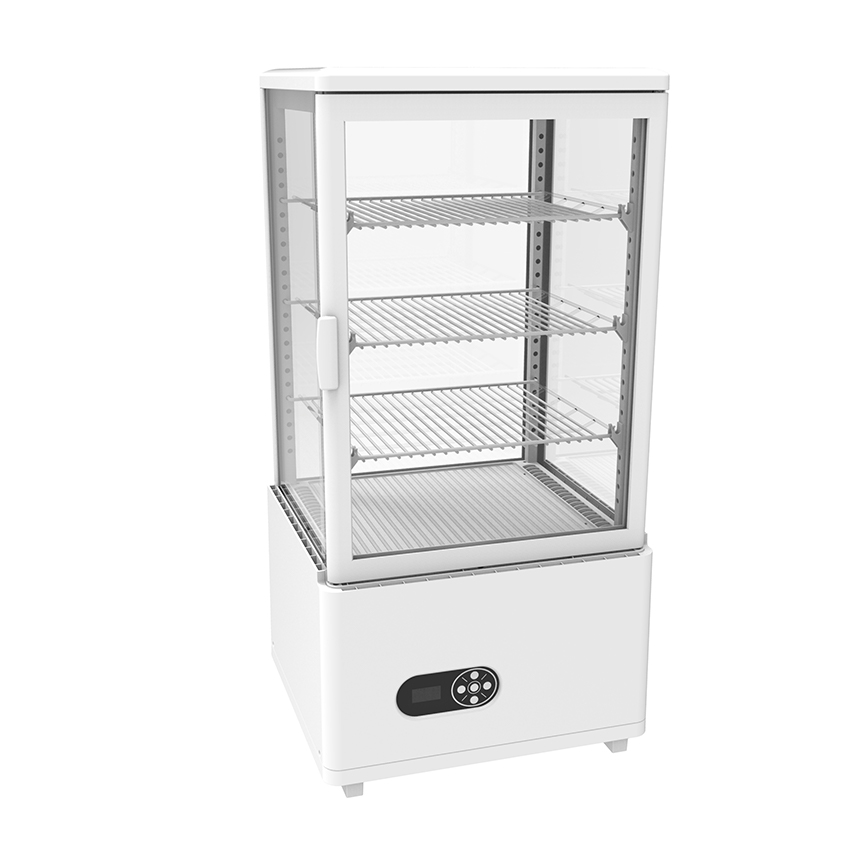 Low-Noise Tabletop Refrigerated Display CabinetA countertop cold-food display unit with efficient cooling, glass doors, LED lighting and low-noise operation, suited to shops where quiet running matters.View Product →
A sushi case works to a tighter tolerance than a drinks cooler, because the product spends minutes rather than hours on display and every degree shows. Front-access design, a shallow product well and forced-air distribution across the full width matter more than gross capacity. The same logic applies to any high-turnover prepared-food counter.
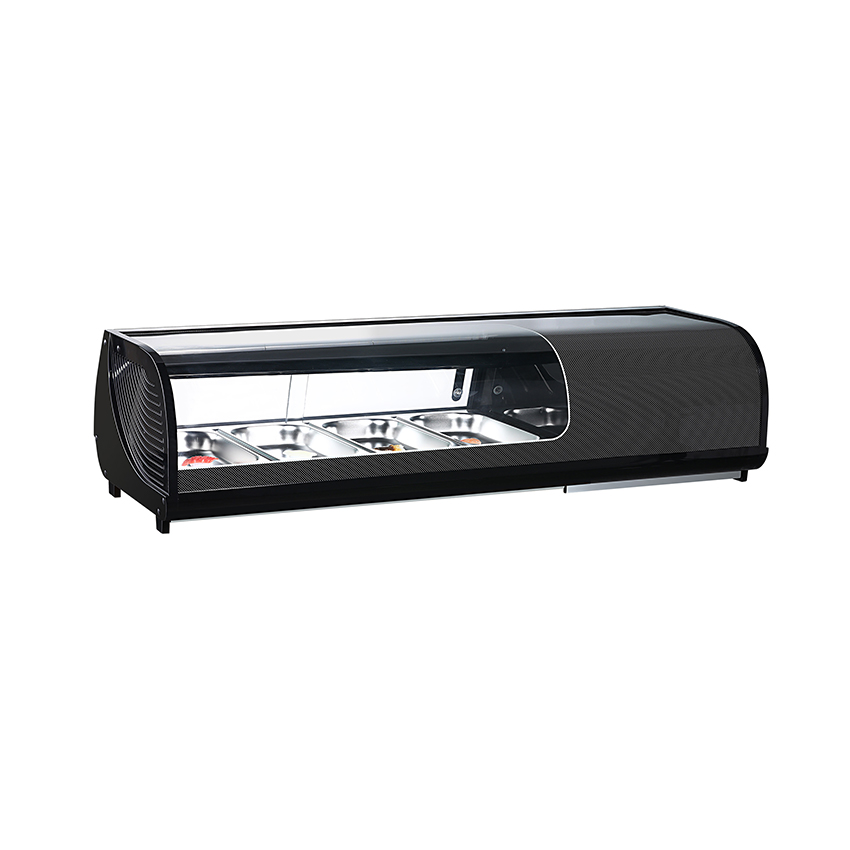
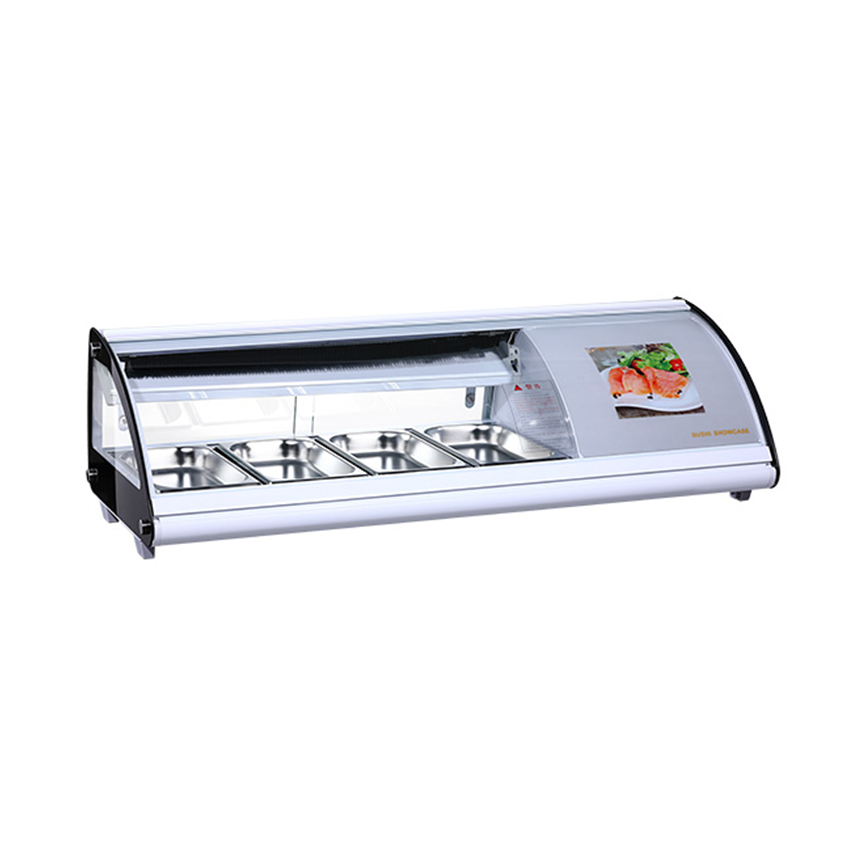 Horizontal Sushi Display Cabinet with GN CompatibilityA horizontal refrigerated case for sushi and chilled foods, with GN-standard compatibility, intelligent temperature control and easy-clean, corrosion-resistant construction for busy counters.View Product →
Certification decides which markets a custom cabinet can legally enter, and it is expensive to retrofit. For Europe, GS covers German safety expectations and CB reports are recognised across the IECEE scheme; RoHS covers restricted substances; a CE marking route is mandatory for the EU. For North America, UL listing is what most retailers and insurers ask for. For China, CCC applies. Where a refrigerant such as R290 is used, charge limits and ventilation requirements under IEC 60335-2-89 shape the design of the refrigeration circuit itself.
Agree the destination markets in the first meeting. A cabinet designed for one market and later redirected usually needs a new compressor guard, wiring changes and fresh testing.
Buyers who send all seven usually get comparable quotations instead of three different guesses. It also helps to review the wider commercial freezer and showcase range first, so the conversation starts from formats that already exist.
Zhejiang Fuerj Electric Science And Technology Co., Ltd. was founded in 1997 and produces electric heating products alongside refrigeration products such as freezers and cake showcases. The company covers an area of 110,000 square meters, with a construction area of 85,500 square meters.
The company has 650 employees, including 85 engineering and technical personnel, and more than 160 employees with a college degree or above. Within the senior leadership team, 35 % hold a college degree or above with corresponding professional titles, and a group of professional and technical talents with many years of practical experience contributes to decision-making, production, development and operation.
Annual output reaches 750,000 sets of various products. The products carry GS, CB, RoHS, UL, COC and CCC certification to meet market requirements, and are exported to more than 20 countries and regions across Europe, America, Asia and Africa. The company continues to build a management mechanism for corporate credit in line with its actual operations.
Yes. Width, depth and glass angle are among the first things a factory can adjust, provided the refrigeration deck still has room for adequate coil surface.
Air handling and presentation. A cake case moves less air, holds higher humidity and uses lighting and glass geometry to show the product, while a refrigerator prioritises volume and pull-down speed.
Usually with heated or double-glazed front glass, a correctly aimed air curtain and a defrost cycle timed to trading hours rather than overnight.
In most cases yes. A combination unit is possible, but the cold side loses efficiency when it sits beside a 63 °C holding well unless the two compartments are thermally separated.
GS and CB reports support European market access alongside RoHS and CE obligations; UL listing is the usual expectation in the United States and Canada.
It depends on tooling changes and certification testing. Ask for a sample schedule in writing at quotation stage and confirm which approval steps sit on the factory's side.

Copyright © Zhejiang Fuerj Electric Science And Technology Co., Ltd. Rights Reserved. Food Showcase Display Manufacturer Fireplace Factory
