 English
 русский
 Español
 Français
 عربى
 italiano

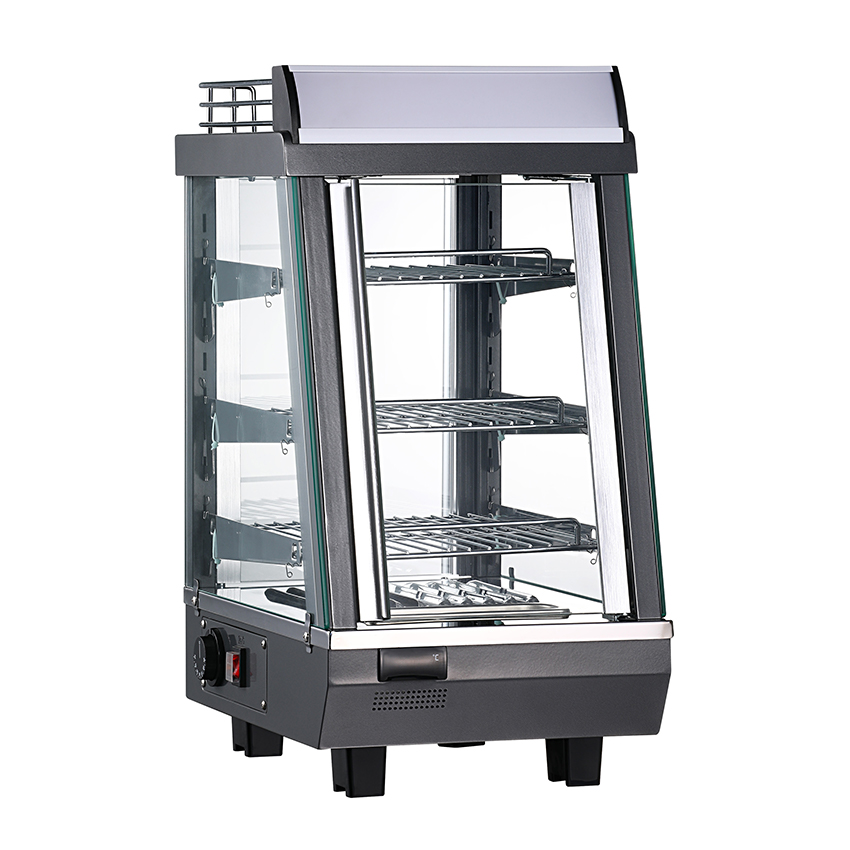
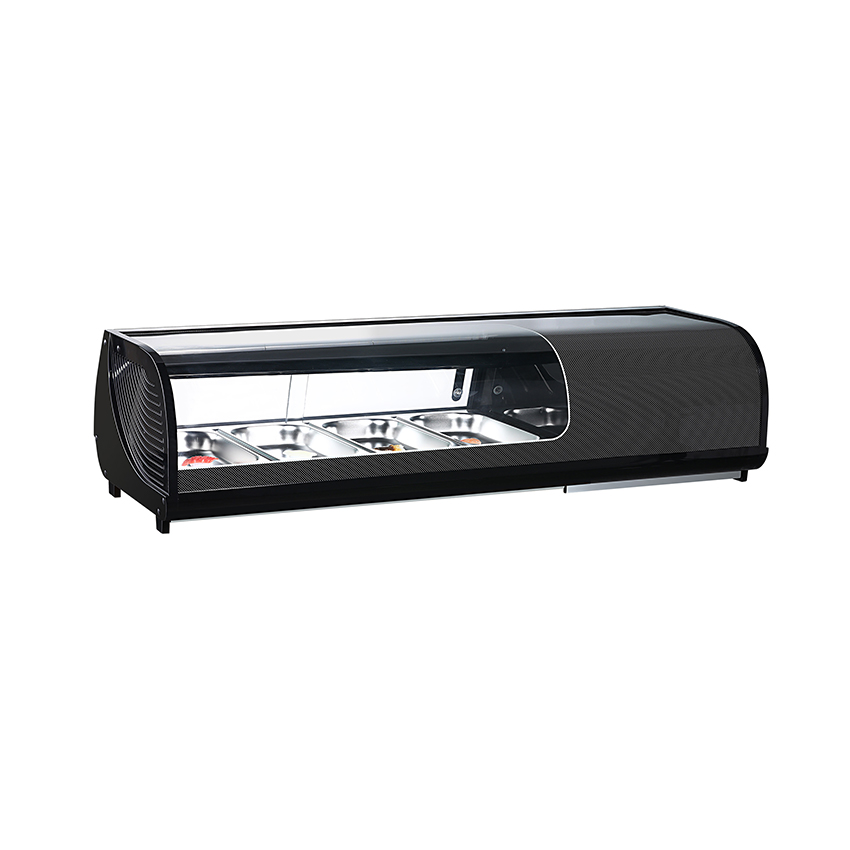
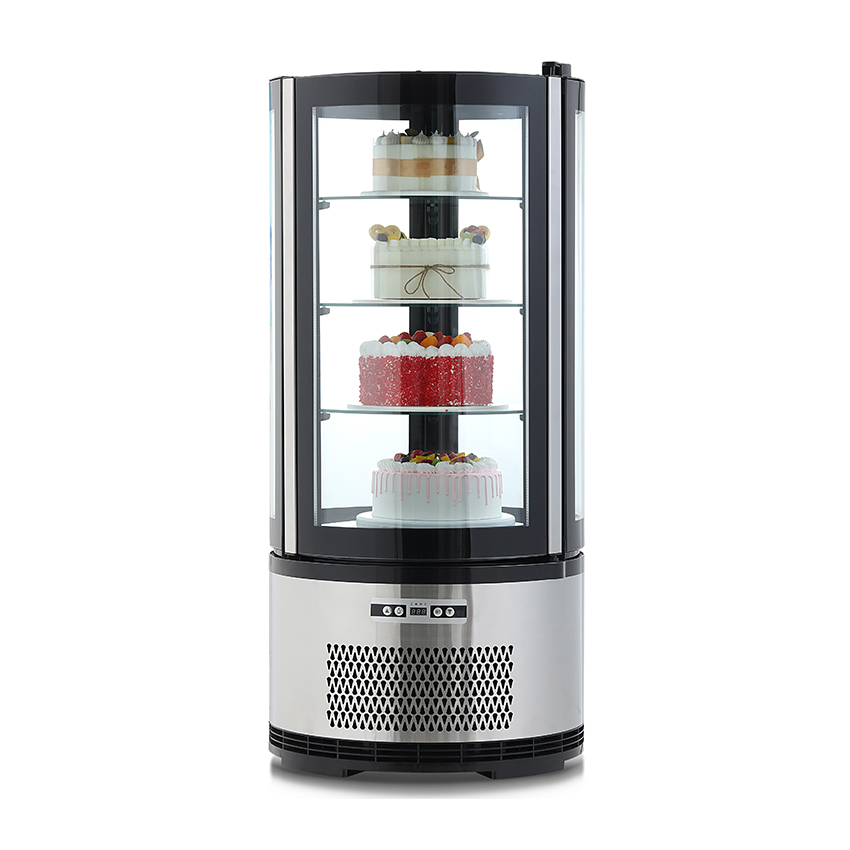
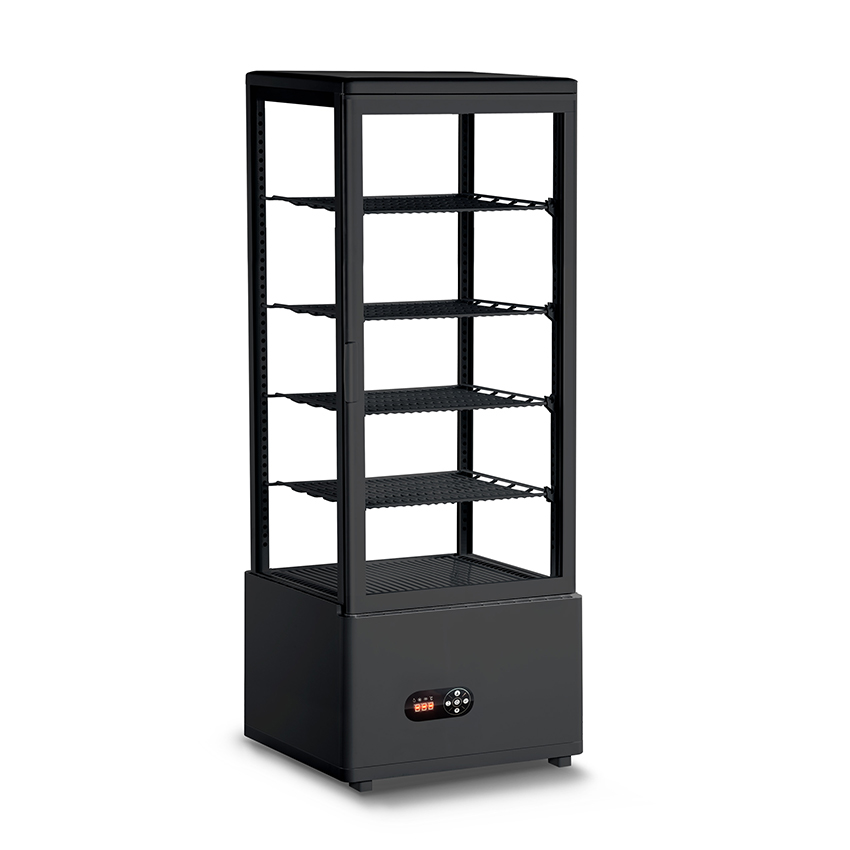
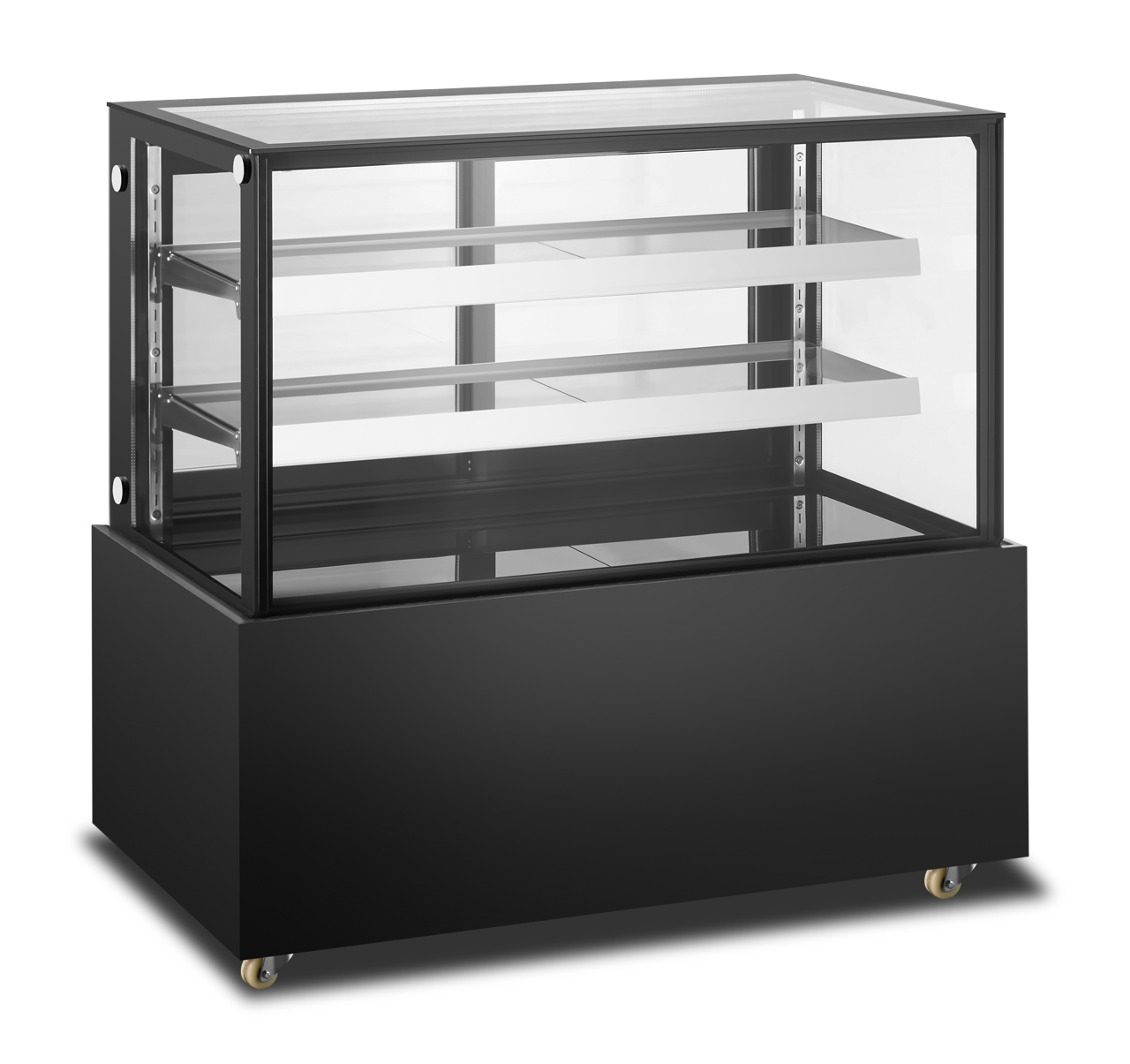
Multi-product thermal display cabinet
The multi-product thermal insulation display cabinet has various sizes, elegant appearance and unique design. It ad...



At 7 a.m., a pastry chef slides two trays of cream cakes into a glass case. By lunch, that case has handled a delivery, six door openings, one defrost cycle, and a room that warmed by 4°C. The cakes still look sharp because the cabinet is not just a fridge with glass on the front.
The short answer: a commercial cake display refrigerator uses a vapor-compression loop to remove heat, a fan-and-duct system to move cold air around the shelves, a controller to hold a set temperature, and a defrost and humidity strategy to keep frost and condensation from ruining the display. It has to keep food cold and keep it visible at the same time.
That dual job explains most practical differences. Airflow matters as much as compressor power, because a blocked return grille can leave a warm pocket at the top shelf. Glass and lighting add heat, so a display case usually works harder than a closed storage fridge of the same volume.
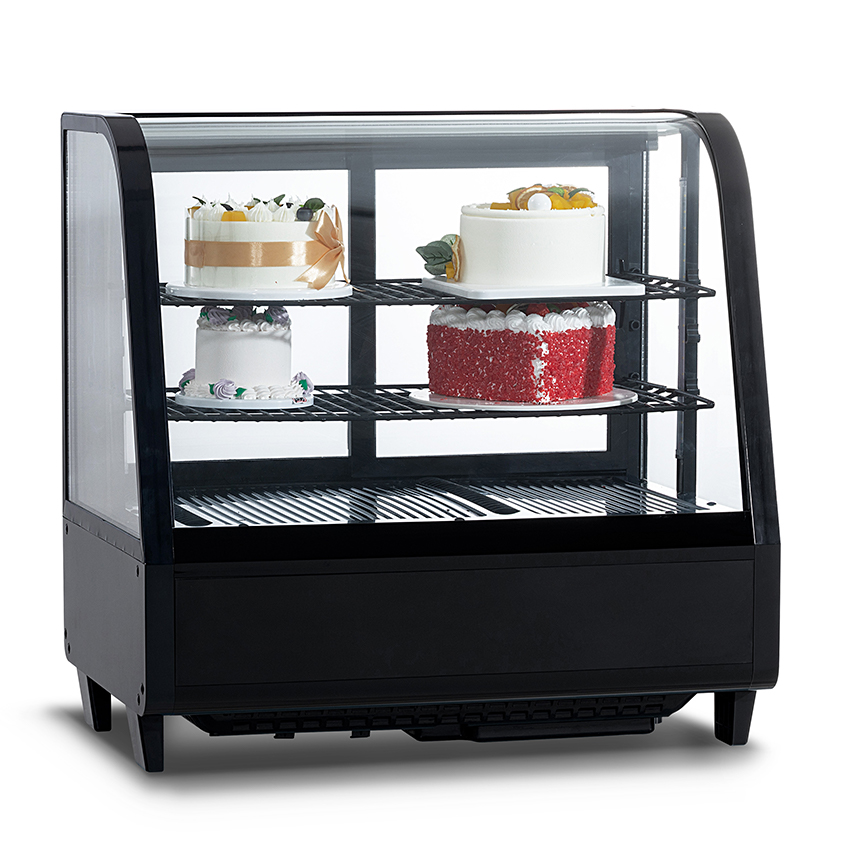 Commercial Cake Display Cabinet with Humidity ControlFor cake display where airflow and heat load matter, this cabinet adds humidity control and LED lighting to help protect delicate cakes.View Product →
Content
Most commercial cake displays use the same four-part cycle as a kitchen refrigerator, but the cabinet is arranged around display rather than storage. The cycle moves heat from the cake area to the room, not “creates cold” inside the case.
The controller reads a thermistor or thermostat and cycles the compressor to hold the setpoint. In many display cases the evaporator fan runs longer than the compressor, because continuous air movement keeps shelf temperatures even and helps clear condensation.
Capacity is matched to the real heat load: product, door openings, lights, room air, and defrost. A case with a large glass area or an open front cannot be judged by compressor size alone.
Cold air does not fill a case evenly by itself. Designers create a path. Supply air leaves a duct at the top or rear, travels across the shelves, picks up heat from cakes and glass, then returns to the evaporator. If a tray blocks that return path, the controller may read cold while the top shelf stays warm.
| Component | Job | What you notice in the case |
|---|---|---|
| Compressor | Raises refrigerant pressure and temperature | Runs in cycles; short cycling can point to control or condenser issues |
| Condenser | Rejects heat to the room | Dust on the coil raises energy use and weakens cooling |
| Expansion device | Drops refrigerant pressure | A restricted tube or valve can cause frost or poor temperature recovery |
| Evaporator and fan | Absorb heat and circulate cold air | Uneven shelf temperatures often trace back to airflow, not just charge |
| Controller and sensor | Hold setpoint and manage defrost | Displayed temperature should be checked against an independent thermometer |
| Defrost and drain | Clear frost and remove condensate | Water in the base or heavy frost means the defrost system needs attention |
Temperature is only one number. Cream cakes also depend on humidity, air speed, and how often the case is opened. A cabinet that holds 3°C on the display but dries the cake edges has not solved the real problem.
The evaporator is a dehumidifier by accident. Moisture condenses on the cold coil and drains away. That is good for frost control and bad for cakes. A long cooling cycle can pull moisture from the cabinet air, so cream edges dry and fondant can crack.
Better cases manage this with coil size, fan speed, defrost timing, and sometimes a humidistat. The target is a balance: enough moisture to protect texture, not so much that glass fogs or packaging sweats. This guide on how humidity control keeps cake moist goes deeper into that balance.
Defrost is the other half. Frost on the coil insulates it, so the fan moves air but heat transfer drops. Timed or adaptive defrost melts that frost; the water must reach the drain pan and evaporate. If the drain freezes or clogs, water ends up in the base or on the floor.
Glass adds its own problems. Double glazing, low-emissivity coatings, heated glass, and anti-fog films help keep the view clear. LED lighting improves display but adds a small heat load, so the cooling system has to remove that heat too.
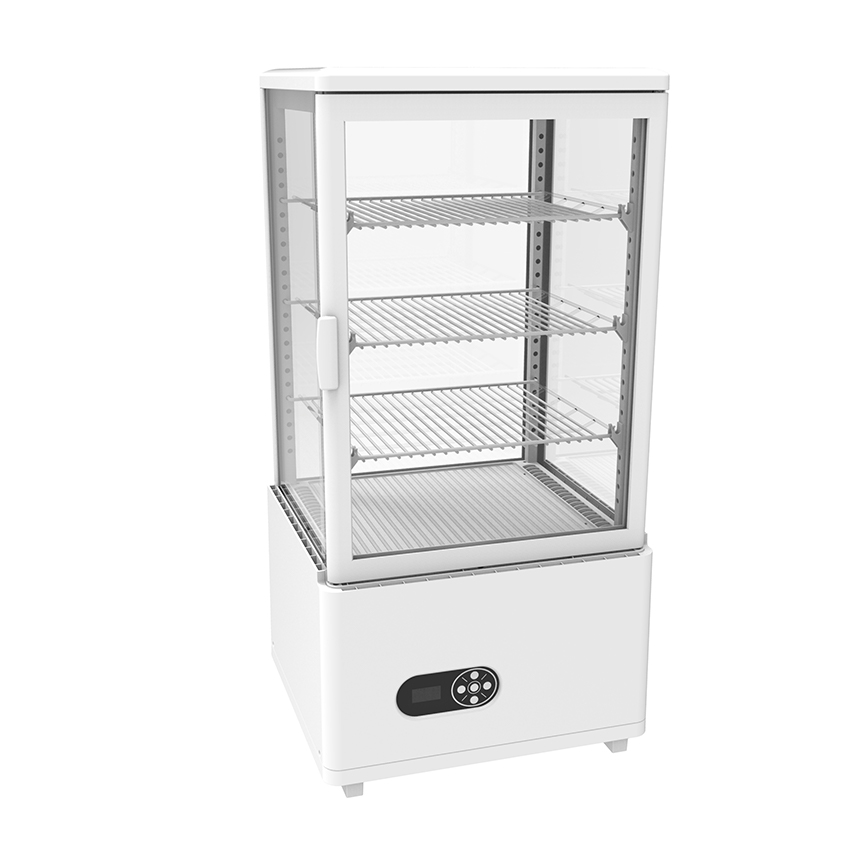 Low-Noise Tabletop Refrigerated Display CabinetThis countertop model uses glass doors and low-noise cooling for reliable cold-food display where quiet operation and flexible configuration matter.View Product →
Both layouts can work for cake, but they ask different things of the refrigeration system. An open multideck case uses an air curtain to separate cold cabinet air from the room. It gives easy reach and strong visibility, yet the curtain is fragile: foot traffic, ovens, and HVAC vents can break it. A closed glass-door case traps cold air more reliably and usually recovers faster after opening.
| Feature | Open air case | Glass-door case |
|---|---|---|
| Display access | Fast, self-service friendly | Requires a door, but keeps glass clean longer |
| Temperature stability | More affected by room air and air currents | More stable in busy bakeries and cafes |
| Humidity control | Harder to hold a steady range | Easier to manage with defrost and fan control |
| Energy use | Higher load in warm rooms | Usually lower for the same volume |
| Best fit | High-impulse retail with controlled room conditions | Bakeries, cafes, and shops that need reliable cold holding |
Placement is part of the system. A case beside an oven, in direct sun, or under a warm air vent will work harder and recover more slowly, no matter how good the compressor is.
Most cake display problems are not mysterious. They show up as patterns:
Check the simple causes first: grille clear, gasket sealing, drain open, condenser clean, product not stacked past the load line. Then move to sensors, fan motors, and defrost controls.
Buying a cake display is a refrigeration decision and a retail decision. A useful checklist looks like this:
For buyers comparing suppliers, Zhejiang Fuerj Electric Science And Technology Co., Ltd. was founded in 1997 and mainly produces electric heating products and refrigeration products such as freezers and cake showcases. The company covers an area of 110,000 square meters, with a construction area of 85,500 square meters. It has 650 employees, including 85 engineering and technical personnel, and more than 160 employees with a college degree or above. About 35% of the senior leadership team holds a college degree or above with corresponding professional titles. Annual output is 750,000 sets of various products. Products carry GS, CB, RoHS, UL, COC, and CCC certification to meet market requirements and are exported to more than 20 countries and regions in Europe, America, Asia, and Africa. The company also states that it works to build a corporate-credit management mechanism.
That manufacturing scale matters when a bakery needs repeatable cabinets, not one-off samples. It also helps to ask for the actual temperature test report, the refrigerant used, and the spare-parts list before placing an order.
Most commercial units are designed for continuous operation. The compressor cycles on and off, but the controller and fan system stay available to protect temperature.
A common design target is 2-5°C. The FDA Food Code sets cold holding at 5°C (41°F) or below, but local rules and the product label always take priority.
Fog usually comes from room humidity, frequent door openings, a worn gasket, or a failed anti-fog glass circuit. Check the seal and room conditions first.
In a normal shop, every one to three months is a practical starting point. A dusty bakery or a cabinet near flour dust may need more frequent cleaning.
No. Let cakes cool to room temperature first. Warm product raises cabinet temperature, adds moisture, and can fog the glass or overload the cooling cycle.
Closed glass-door cases usually hold temperature and humidity more steadily. Open cases offer easier reach and impulse visibility, but they depend on a stable room and a strong air curtain.

Copyright © Zhejiang Fuerj Electric Science And Technology Co., Ltd. Rights Reserved. Food Showcase Display Manufacturer Fireplace Factory
