 English
 русский
 Español
 Français
 عربى
عربى italiano
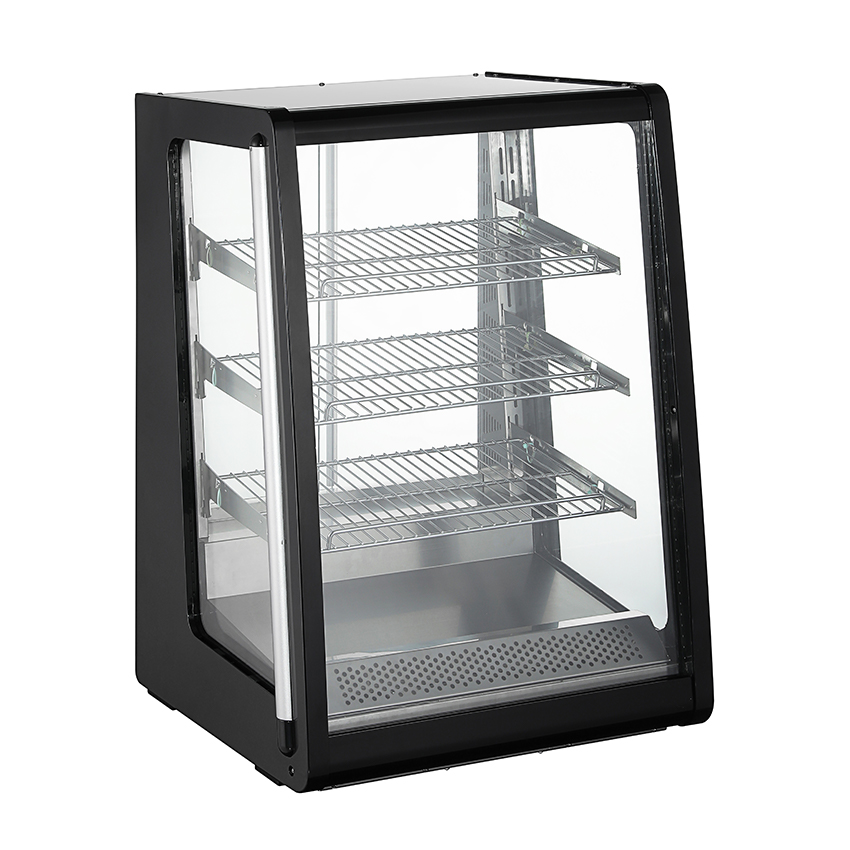
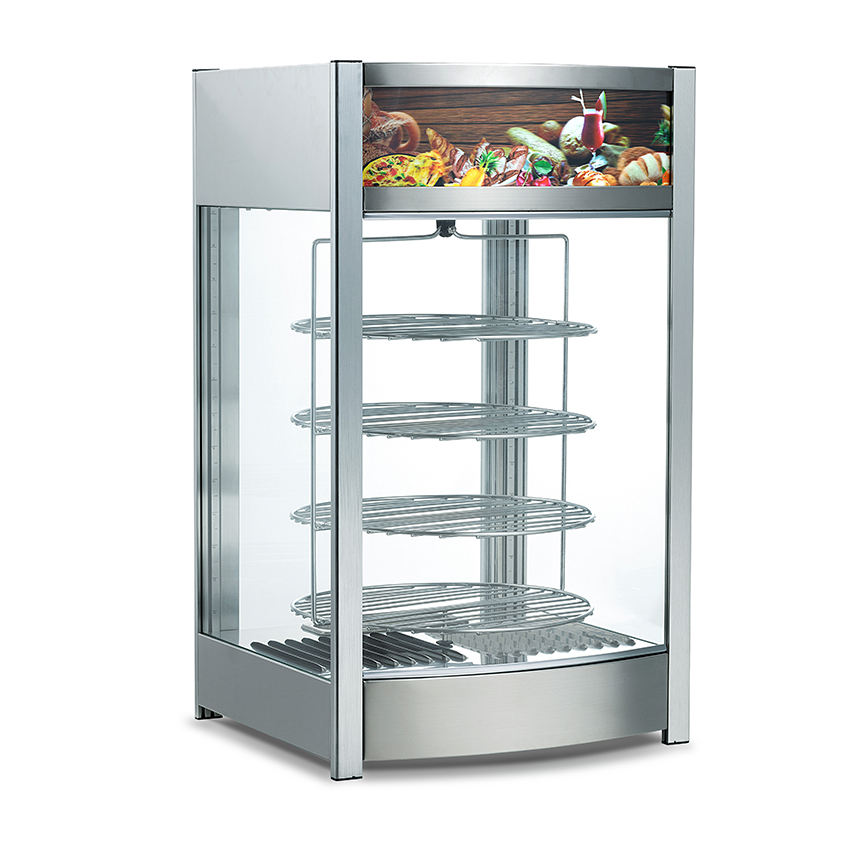
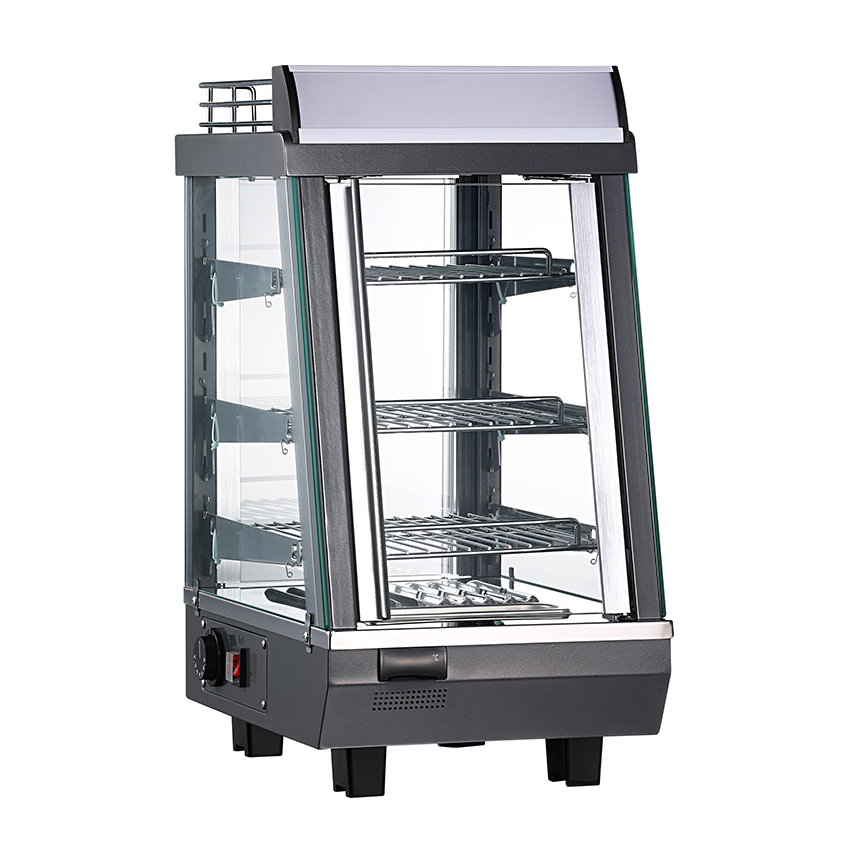
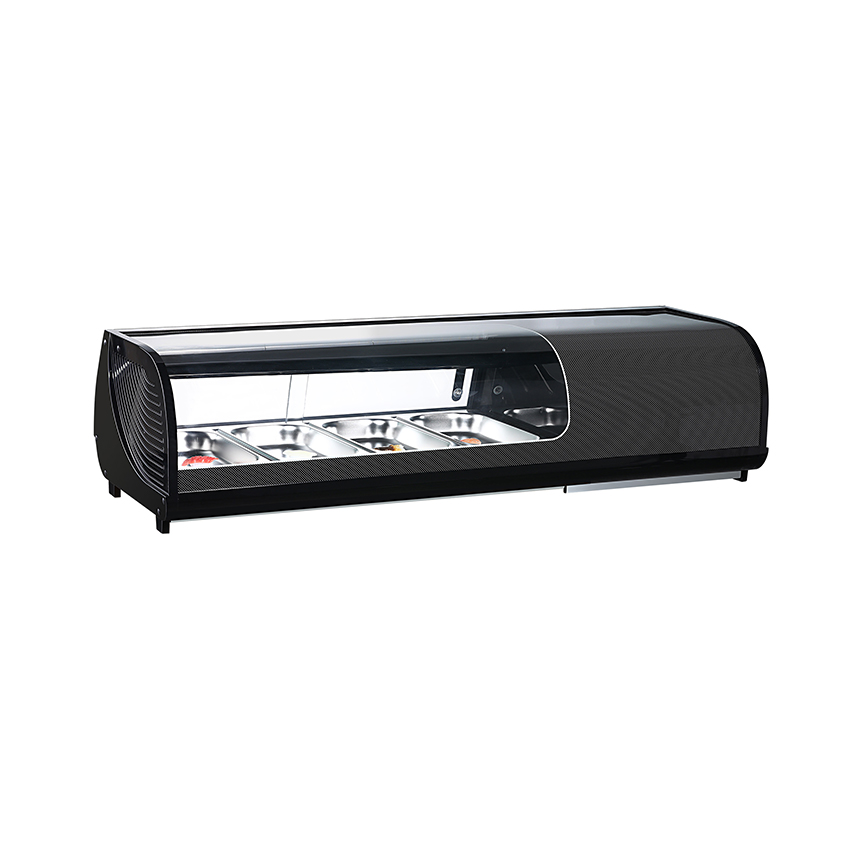
Multi-product thermal display cabinet
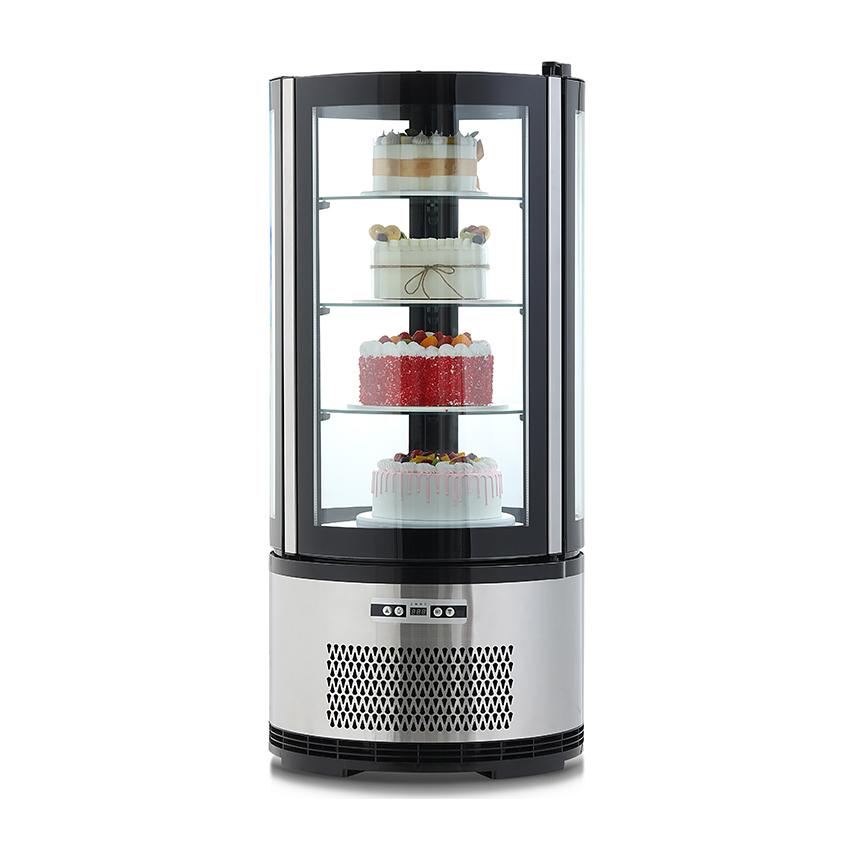
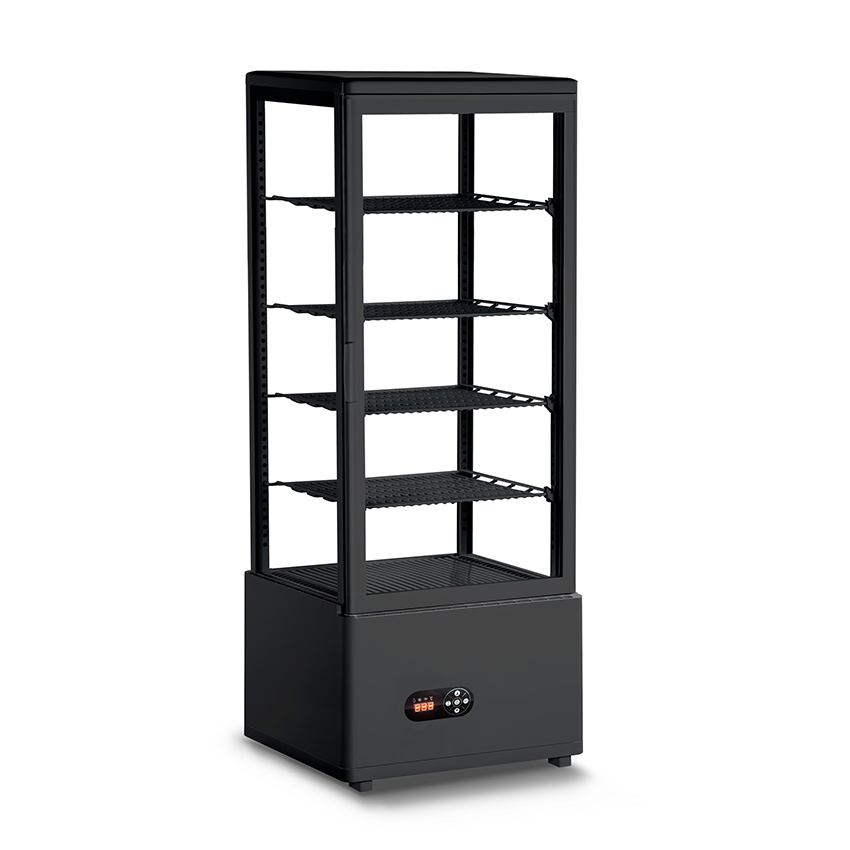
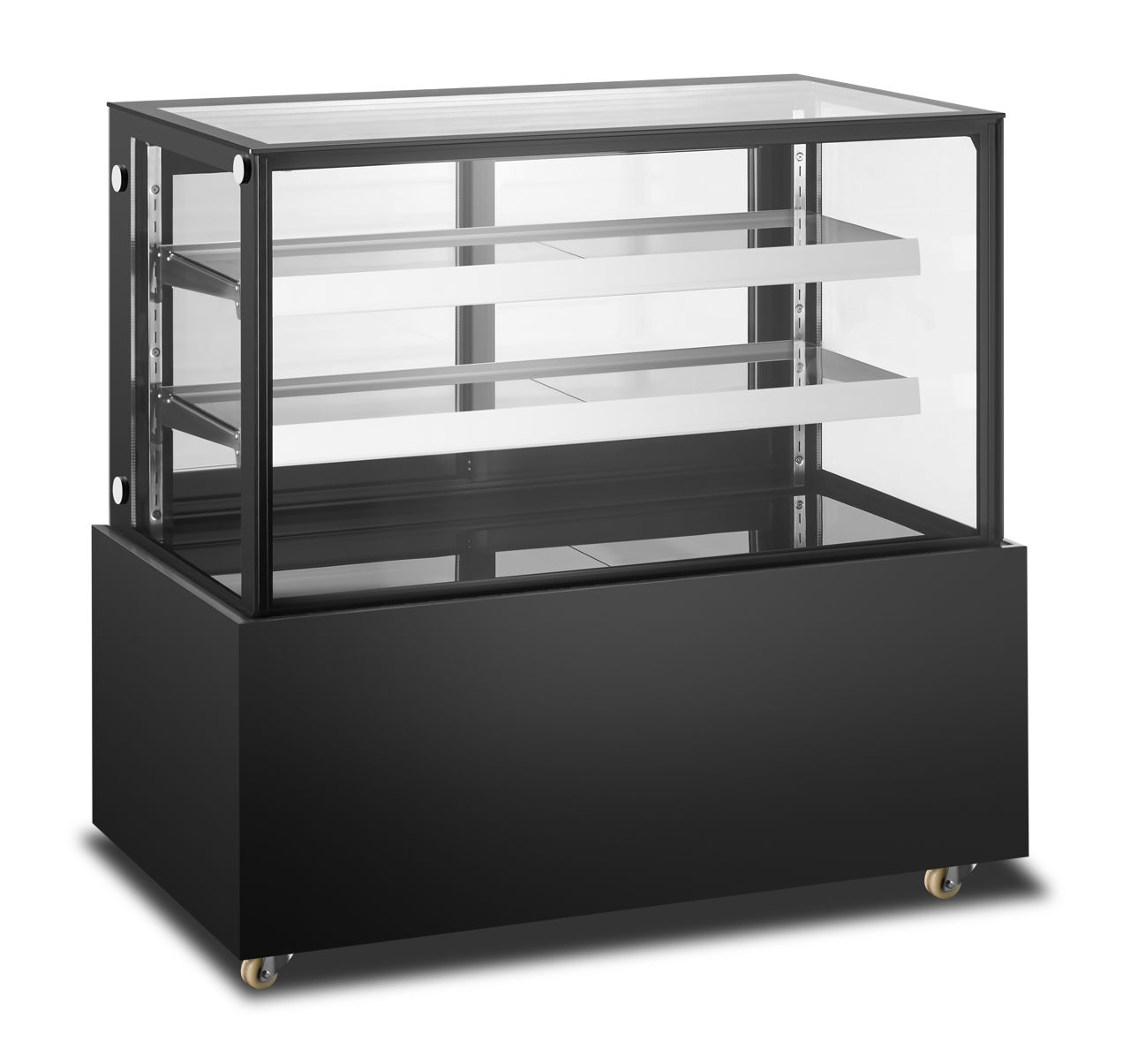
The multi-product thermal insulation display cabinet has various sizes, elegant appearance and unique design. It ad...



A well-chosen cake display cabinet can directly increase a bakery's impulse purchases by up to 20%. When customers can clearly see beautifully presented products through a high-quality glass cake showcase, buying decisions happen faster and more frequently. This article explains how the right display equipment works, what features matter most, and how to choose a solution that pays for itself.
Content
Retail food psychology consistently shows that visual accessibility drives unplanned purchases. Studies in food retail environments indicate that shoppers are 3x more likely to buy a product when it is displayed at eye level behind clear glass versus stored in opaque packaging or hidden in a back counter.
For bakeries and patisseries, this translates directly to revenue. A shop upgrading from a basic shelf display to a refrigerated bakery display refrigerator with LED lighting and curved glass panels has reported average transaction value increases of 15–22%. The mechanism is straightforward: customers see more, want more, and spend more.
Average Sales Uplift by Display Type (%)
Based on aggregated bakery operator data across retail food studies
Not all cake showcases are built for the same purpose. Selecting the correct type for your shop layout and product range is the first practical decision.
These are full-height units, typically 150–180 cm tall, with multiple shelves. They work best as centerpiece fixtures near the main service counter, offering high product capacity and strong visual impact for busy shops with broad product ranges.
A countertop cake display sits directly on a serving counter or bar top. It is the most flexible format for small cafes, hotel lobbies, or shops with limited floor space. Units typically range from 40 cm to 100 cm wide and are ideal for featuring premium or limited-edition items at the point of sale.
Bakery display refrigerators combine refrigeration with display aesthetics. They maintain a consistent internal temperature between 2°C and 8°C, making them essential for cream cakes, mousse pastries, and other temperature-sensitive products. A reliable refrigeration unit preserves freshness while keeping products visually appealing throughout the trading day.
A glass cake showcase prioritizes full-visibility display, with panoramic curved or flat glass panels on three or four sides. These are particularly effective in artisan bakeries and high-end patisseries where the craftsmanship of each product is a selling point.
| Type | Best For | Typical Capacity | Refrigerated |
|---|---|---|---|
| Floor-Standing Cabinet | High-volume bakeries | 3–6 shelves | Optional |
| Countertop Display | Cafes, small shops | 1–2 shelves | Optional |
| Bakery Refrigerator | Cream / mousse cakes | 2–5 shelves | Yes |
| Glass Showcase | Artisan / premium shops | 2–4 shelves | Optional |
The difference between an average unit and a high-performing one often comes down to a few specific features. Below are the attributes that produce measurable impact on product sales and operational efficiency.
LED strips positioned above each shelf enhance the natural color of cakes and pastries. Studies in food retail confirm that proper lighting can increase product attractiveness scores by up to 30% among passing customers. Warm-toned LEDs (around 3000K) work particularly well for baked goods, making glazes and icings appear vibrant.
Low-emissivity glass reduces condensation on the interior surface, maintaining a clear view of products at all times. Curved front panels also reduce reflection compared to flat glass, making products more visible from multiple angles across a shop floor.
For refrigerated models, stable temperature maintenance is essential. Look for units with digital temperature control accurate to ±0.5°C and even air distribution across all shelves. Inconsistent cooling damages product quality and increases food waste — a direct cost to the business.
Shops that change their product range seasonally — moving from tall celebration cakes in winter to flatter tart displays in summer — benefit significantly from adjustable shelf heights. This flexibility also allows operators to maximize display density during peak trading periods.
A refrigerated cake display cabinet that runs continuously will account for a meaningful portion of a shop's electricity bill. Inverter compressor technology and well-insulated cabinets can reduce energy consumption by 25–35% compared to conventional compressor models, lowering operating costs over the unit's lifespan.
Beyond the functional role of preserving and presenting product, a quality cake display cabinet communicates brand values. A sleek, well-lit cabinet signals professionalism, hygiene, and care. Conversely, a poorly maintained or visually cluttered display — even with excellent products inside — can undermine customer confidence.
Key perception factors include:
Customer Freshness Perception Score by Display Feature Level (out of 10)
Illustrative scores based on consumer panel research in food retail environments
Choosing the right unit requires matching equipment specifications to your shop's specific context. Use the following checklist as a starting framework:
Purchasing the right glass cake showcase is only the first step. The following operational practices help operators extract the maximum return from their display equipment:
Zhejiang Fuerj Electric Science And Technology Co., Ltd. was founded in 1997 and has grown into one of the most established manufacturers of electric heating and refrigeration products in China. The company's product portfolio spans freezers, cake display cabinets, and related commercial refrigeration equipment.
The company operates across a total area of 110,000 square meters, with a built-up construction area of 85,500 square meters. It employs 650 staff members, including 85 engineering and technical personnel. More than 160 employees hold college degrees or above, and 35% of the senior leadership team holds corresponding professional titles — ensuring that product development decisions are grounded in both technical expertise and commercial experience.
As a professional cake display cabinet manufacturer and supplier, the company produces an annual output of 750,000 sets of various products. All products meet major international certification standards, including GS, CB, RoHS, UL, COC, and CCC, enabling export to over 20 countries and regions across Europe, the Americas, Asia, and Africa.
The company is committed to building a management culture centered on corporate integrity, and continuously invests in engineering talent, innovation, and quality control to meet the evolving needs of global food retail markets.

Copyright © Zhejiang Fuerj Electric Science And Technology Co., Ltd. Rights Reserved. Food Showcase Display Manufacturer Fireplace Factory
