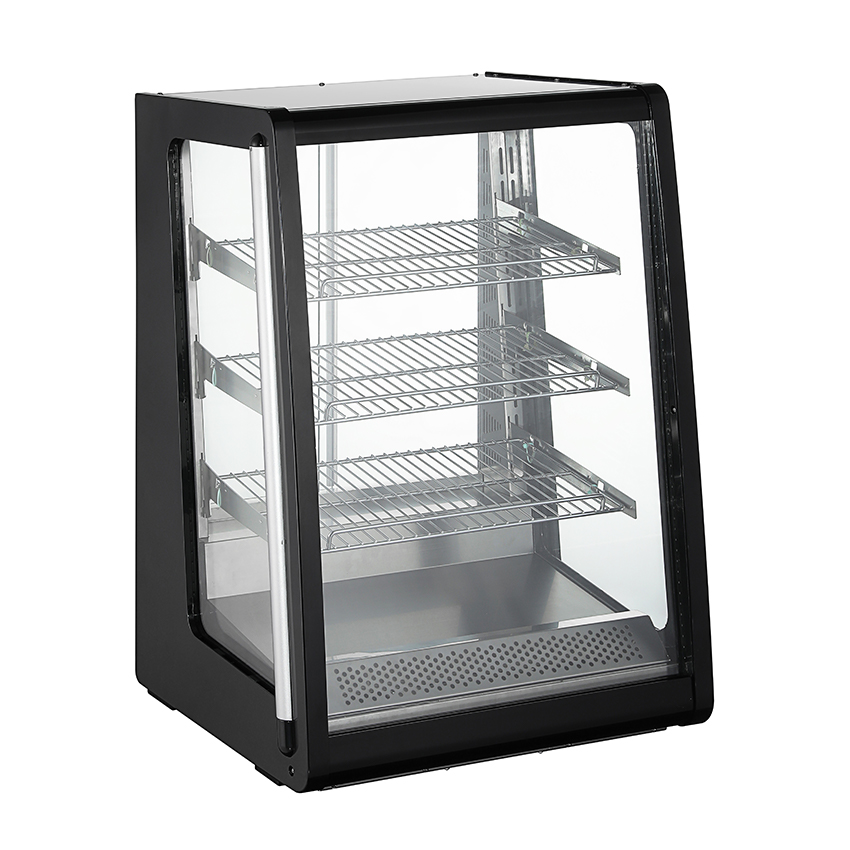
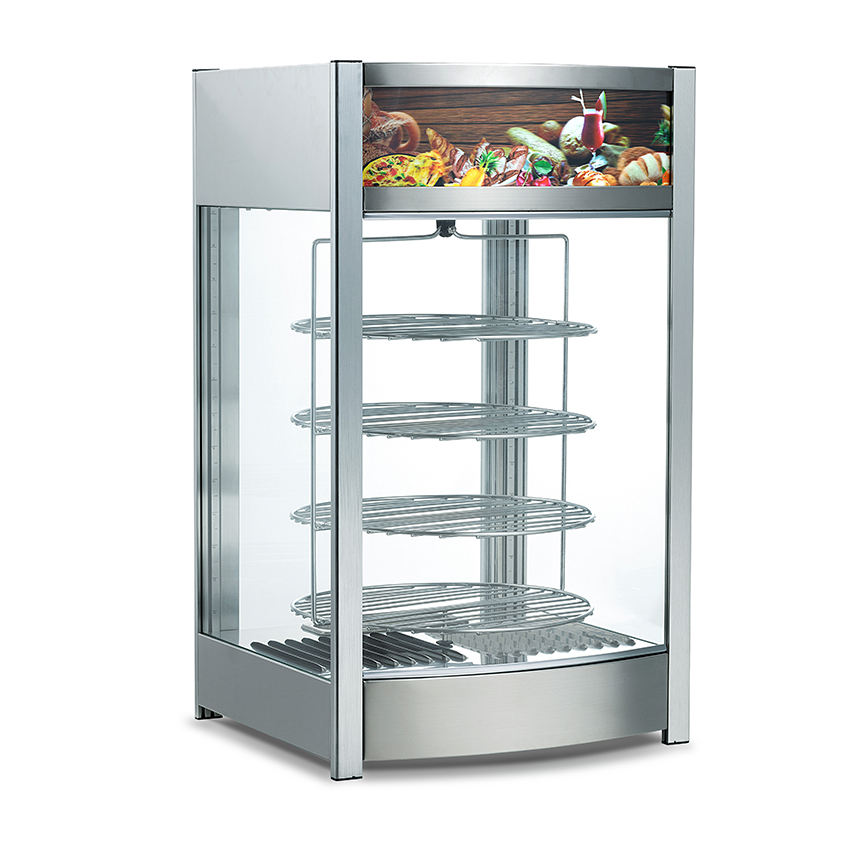
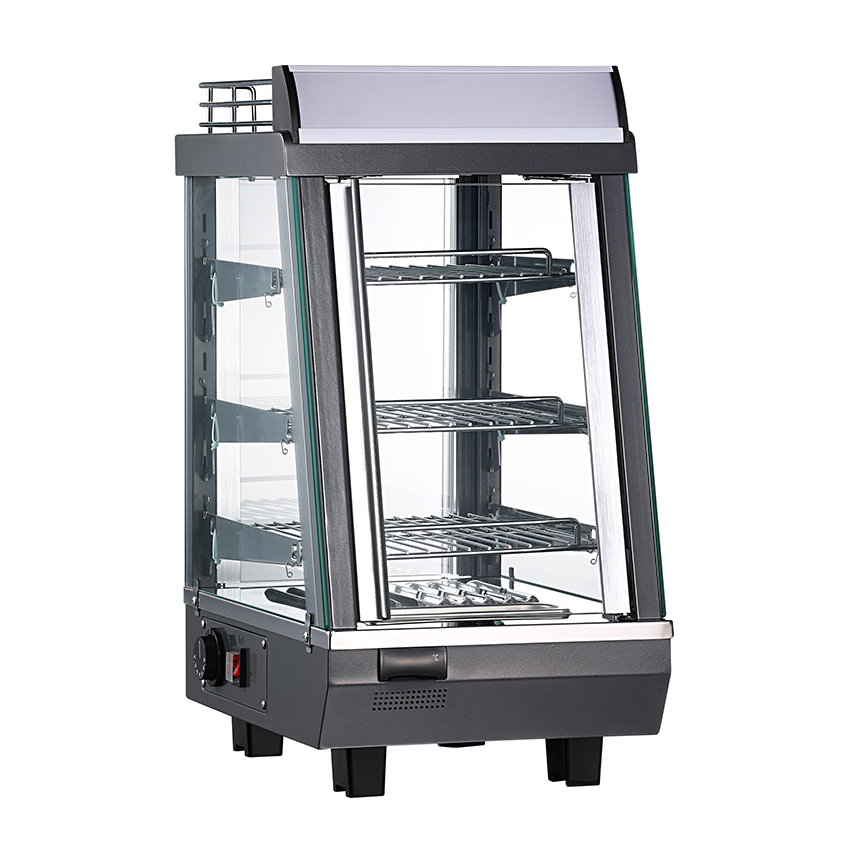
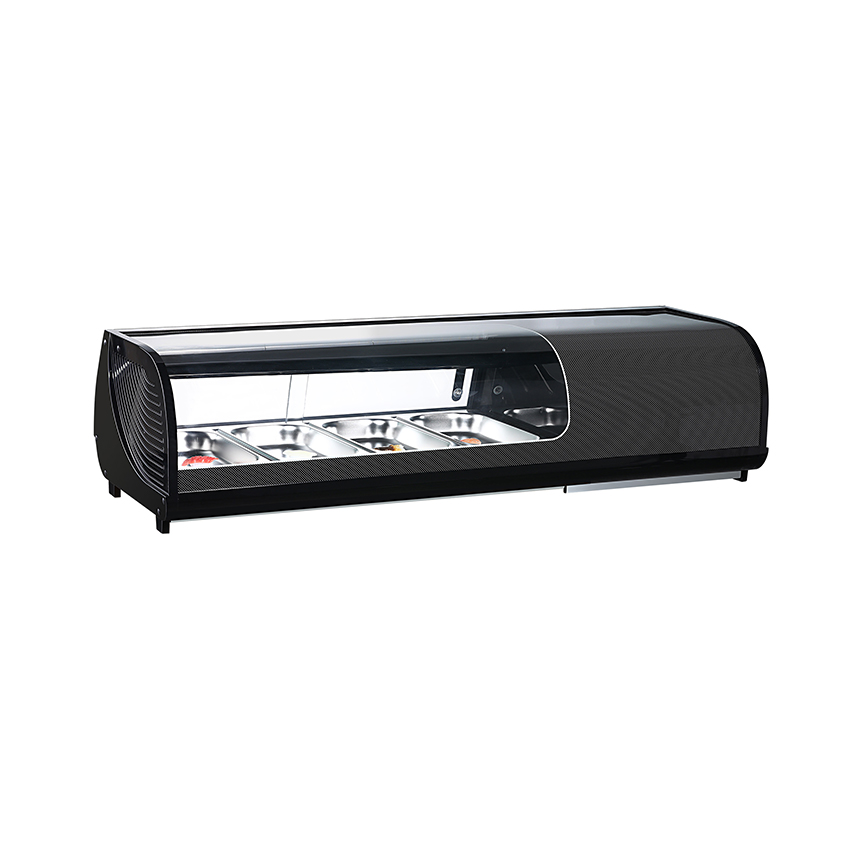
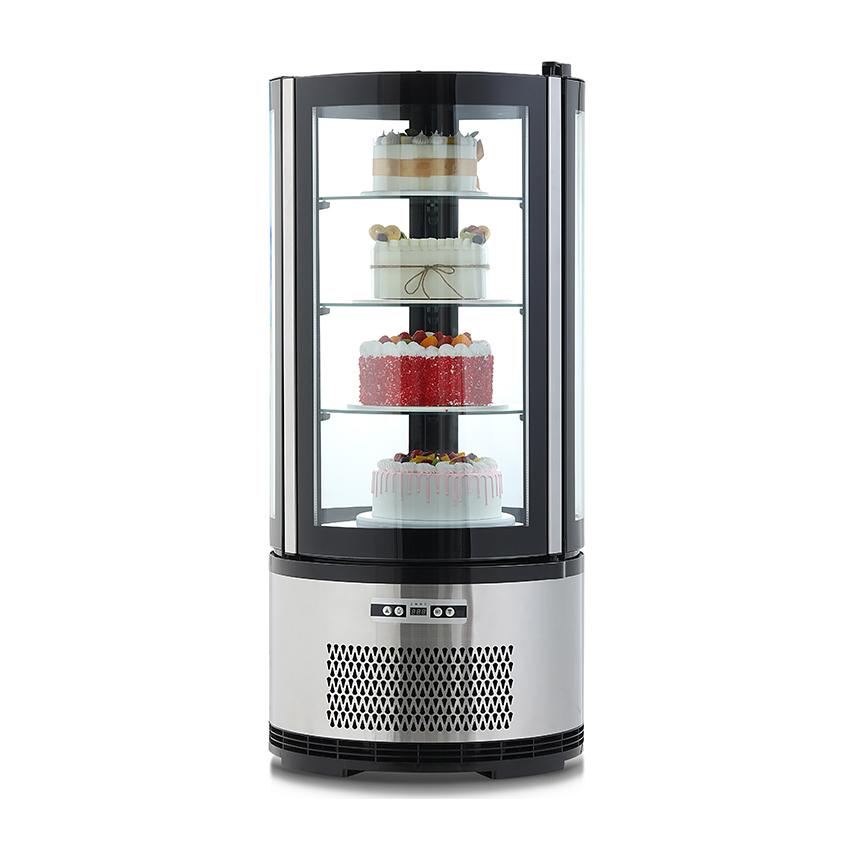
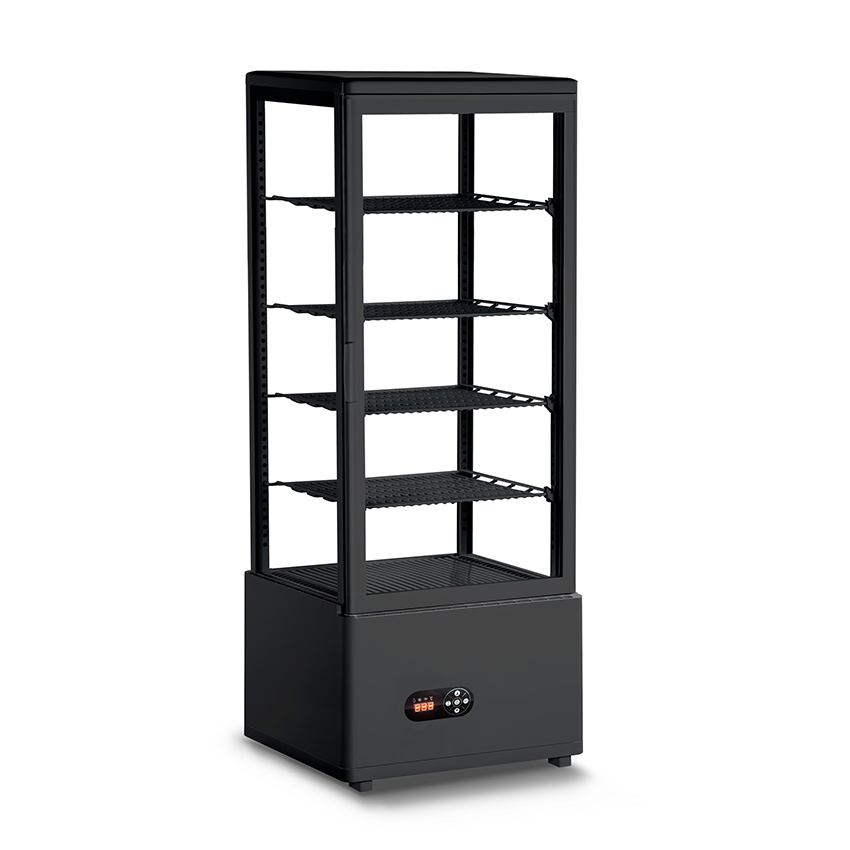
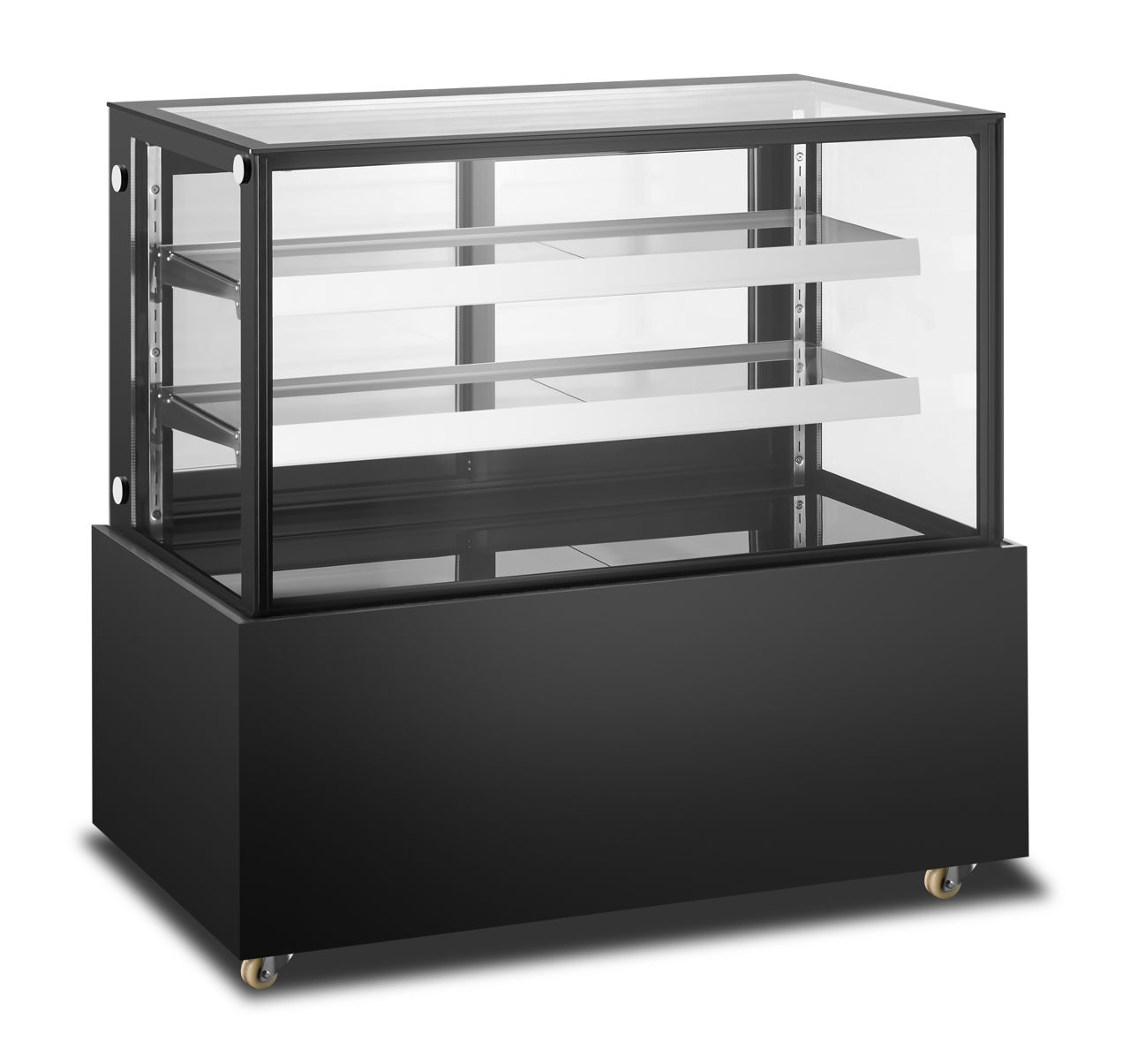
A Table Hot Cabinet can reduce food waste by up to 30% by maintaining food at precise, safe holding temperatures — typically between 60°C and 85°C — for extended periods without compromising texture, moisture, or food safety compliance. For restaurants, catering operations, buffets, and institutional kitchens, this directly translates into fewer discarded portions, lower ingredient costs, and a measurable improvement in operational efficiency. The mechanism is straightforward: consistent heat prevents the temperature drop zone (below 60°C) where bacterial growth accelerates food spoilage and forces early disposal.
The Direct Link Between Holding Temperature and Food Waste Reduction
Food safety regulations in most markets define the "danger zone" as 4°C to 60°C — the temperature range where bacterial populations can double every 20 minutes. Without a reliable Commercial Heated Holding Cabinet, cooked food left on a counter or under heat lamps drops into this zone within 30 to 45 minutes, forcing kitchen staff to discard it.
A properly calibrated Table Hot Cabinet extends the safe holding window from under one hour to four to six hours, depending on food type. This extended window allows kitchens to:
Prepare food in larger, more efficient batches without the risk of early disposal.
Stage food production ahead of peak service times without quality loss.
Recover from unexpected delays — equipment failures, slow service periods — without discarding prepared food.
Hold multiple menu items simultaneously at their individual optimal temperatures.
A mid-size restaurant serving 200 covers per day discards an average of 8–12 kg of prepared food daily without proper hot holding equipment. With a Countertop Hot Food Warmer Cabinet, this figure consistently drops to 5–8 kg — a reduction directly attributable to extended safe holding time.
Daily Prepared Food Waste: With vs. Without Hot Cabinet (kg, mid-size restaurant)
10 kgNo Hot Cabinet
6.5 kgTable Hot Cabinet
3.5 kgHot Cabinet + Optimized Prep
Estimated daily food waste per scenario — 200-cover mid-size restaurant
How a Table Hot Cabinet Works: Core Technology Explained
A Table Hot Cabinet uses one or more of three primary heating methods to maintain consistent internal temperatures. Understanding the differences helps operators select the right unit for their specific food type and service model.
Dry Heat Holding
Electric heating elements warm the cabinet interior without adding moisture. Best suited for fried foods, baked goods, and items where a crisp exterior must be preserved. Temperature uniformity depends on internal airflow design — quality units maintain less than ±2°C variation across all shelf positions.
Humid or Steam-Injection Holding
A water reservoir generates controlled moisture within the cabinet, preventing surface drying and weight loss in proteins, rice, and vegetable dishes. Humid holding can reduce product weight loss by 2–4% compared to dry heat, directly reducing the "shrinkage waste" that affects portioning accuracy and profitability.
Combination Holding
Advanced units offer adjustable humidity control, allowing operators to dial in precise moisture levels for different foods. A single cabinet can hold fried chicken at low humidity on one shelf and braised meats at high humidity on another — maximizing versatility in full-service kitchens.
Comparison of heating methods used in commercial hot holding cabinets
Heating Method
Best For
Moisture Control
Typical Temp Range
Dry Heat
Fried foods, pastries
None
60°C – 90°C
Humid / Steam
Proteins, grains, vegetables
High (fixed)
60°C – 85°C
Combination
Mixed menus, catering
Adjustable
60°C – 90°C
Key Features to Evaluate in a Commercial Heated Holding Cabinet
Not all hot holding cabinets deliver equivalent results. The following features have the most direct impact on waste reduction, food quality, and long-term operational value.
Precise thermostat control: Digital thermostats with ±1°C accuracy outperform analog bi-metal controls, which can drift ±5°C or more over time.
Door seal integrity: High-quality magnetic door gaskets reduce heat loss by up to 18% compared to worn or inferior seals, lowering energy use and improving temperature recovery time after door opening.
Interior capacity and shelf configuration: Adjustable, removable shelves accommodate GN containers, hotel pans, and custom trays — critical for versatile food service environments.
Stainless steel construction: A Stainless Steel Food Warm Holding Cabinet resists corrosion, is easy to sanitize, and meets NSF and food-grade material requirements across all major markets.
Interior lighting: LED interior lighting helps staff quickly identify and retrieve items without extended door-open time, reducing temperature loss per service cycle.
Casters and mobility: Lockable casters allow repositioning for buffet setups, catering events, and kitchen reconfiguration without lifting heavy equipment.
Countertop Hot Food Warmer Cabinet: The Right Choice for Space-Constrained Operations
For kitchens with limited floor space — food trucks, kiosks, small cafes, and bakeries — a Countertop Hot Food Warmer Cabinet delivers full hot-holding functionality in a compact footprint. These units typically measure 400–600 mm wide and 350–500 mm deep, fitting on a standard prep counter while holding 2–6 GN 1/1 pans or equivalent capacity.
Despite their smaller size, high-quality countertop models maintain the same ±2°C temperature consistency as full-size floor units. The key specifications to prioritize in a countertop model:
Power input of 1,000–2,000W for rapid heat recovery after door opening.
Double-glazed or tempered glass doors for visibility without heat loss.
Non-slip feet or optional wall-bracket mounting for countertop stability.
Independent temperature zones where available, for holding multiple food types simultaneously.
Countertop vs. floor-standing hot cabinet: feature and application comparison
Feature
Countertop Model
Floor-Standing Model
Footprint
Small (counter-mounted)
Large (floor space required)
Capacity
2–6 GN pans
8–20+ GN pans
Power Input
1,000–2,000W
2,000–5,000W
Best Application
Cafe, kiosk, food truck
Restaurant, canteen, catering
Mobility
High (lightweight)
Moderate (casters required)
Temp Accuracy
±2°C (quality models)
±1–2°C
Stainless Steel Food Warm Holding Cabinet: Why Material Choice Matters
The construction material of a hot cabinet affects hygiene, durability, regulatory compliance, and long-term cost of ownership. A Stainless Steel Food Warm Holding Cabinet — typically constructed from 430 or 304-grade stainless steel — offers distinct advantages over painted steel or plastic-lined alternatives.
Corrosion resistance: 304-grade stainless resists moisture, cleaning chemicals, and acidic food residues that degrade painted surfaces within 12–18 months of commercial use.
Thermal stability: Stainless steel's thermal mass helps buffer temperature fluctuations, maintaining a more stable interior environment when doors are opened repeatedly during service.
Sanitation compliance: Non-porous stainless surfaces do not harbor bacteria in micro-scratches the way painted or plastic-lined surfaces can — a critical factor for health inspection compliance.
Longevity: A well-maintained stainless steel cabinet has a service life of 10–15 years in commercial environments, compared to 5–7 years for alternative materials.
When evaluating stainless steel construction, check both the exterior shell and the interior lining — some units use stainless exteriors with lower-grade interior linings that do not provide the same hygiene and durability benefits.
Operational Best Practices That Maximize Waste Reduction
Equipment alone does not eliminate food waste — how staff operate a Commercial Heated Holding Cabinet determines whether its full potential is realized. The following practices, when combined with quality equipment, drive the most consistent waste reduction results.
Pre-Heat the Cabinet Before Loading
Allow at least 15–20 minutes for the cabinet to reach target temperature before loading food. Loading into a cold cabinet drops interior temperature immediately, shortening the safe holding window and potentially pulling food into the danger zone for the first 30 minutes.
Use Covered or Wrapped Containers
Covering GN pans with lids or foil reduces surface drying by approximately 40% and reduces the moisture load on the cabinet's heating system, improving temperature stability for all items inside.
Implement a FIFO Rotation System
Label all containers with preparation time. A strict First In, First Out (FIFO) rotation ensures older batches are served before newer ones, preventing any single batch from exceeding its maximum holding time. FIFO reduces time-related waste by 15–20% when consistently applied.
Calibrate and Log Temperatures Daily
Use a calibrated probe thermometer to verify cabinet interior temperature at least twice per service period. Log readings as part of your HACCP documentation. If the cabinet reads more than 3°C below the set temperature, recalibrate or service the thermostat immediately.
Food Quality Retention Score (%) vs. Holding Time — Hot Cabinet vs. No Equipment
Quality score reflects temperature safety, texture, and moisture retention across holding time
Compliance and Certification Standards for Commercial Hot Holding Equipment
Purchasing a Commercial Heated Holding Cabinet for professional use requires attention to certification requirements, which vary by market. Using uncertified equipment risks failed health inspections, insurance complications, and potential liability in the event of a food safety incident.
NSF/ANSI 4: U.S. standard for commercial cooking and hot holding equipment, covering material safety, cleanability, and performance under commercial use conditions.
CE Marking: Required for electrical equipment sold in the European Union, confirming compliance with electrical safety and electromagnetic compatibility directives.
GS Mark: German safety certification covering electrical and mechanical safety, often required by procurement specifications in European institutional catering.
CB Certificate: International safety standard facilitating market entry across 54 member countries, reducing duplicate testing costs for global procurement.
RoHS Compliance: Confirms that the unit's electrical components are free from hazardous substances including lead, mercury, and cadmium.
Always request copies of certification documentation before purchase, and verify that certificates are current and issued by an accredited third-party testing laboratory.
Frequently Asked Questions
Q1: What temperature should a Table Hot Cabinet be set to for food safety?
The minimum safe holding temperature for cooked food is 60°C (140°F) in most regulatory frameworks, including FDA Food Code guidelines and EU food hygiene regulations. Setting the cabinet to 65–75°C provides a practical safety margin while avoiding the overcooking effect that occurs above 85°C for delicate items. Always verify actual food temperature with a calibrated probe thermometer, not solely the cabinet's display.
Q2: How long can food be safely held in a Commercial Heated Holding Cabinet?
When maintained continuously above 60°C, most cooked foods can be held safely for four to six hours. However, quality — texture, moisture, and flavor — deteriorates with extended holding even at safe temperatures. For optimal quality, most operators establish a maximum holding policy of two to four hours and rotate stock accordingly. High-moisture foods like soups and stews tolerate longer holding better than fried or breaded items.
Q3: Can a Countertop Hot Food Warmer Cabinet be used to reheat food?
No — hot holding cabinets are designed to maintain the temperature of already-cooked food, not to reheat cold or room-temperature food. Attempting to reheat food in a holding cabinet is unsafe because the heating rate is too slow to pass through the danger zone (4°C–60°C) quickly enough to prevent bacterial growth. Always reheat food to a minimum internal temperature of 74°C in an oven, combi-steamer, or microwave before transferring to the holding cabinet.
Q4: How do I clean and maintain a Stainless Steel Food Warm Holding Cabinet?
Daily cleaning should include wiping interior surfaces with a food-safe, non-abrasive cleaner and warm water. Remove and wash shelves separately. Clean the door gasket with a damp cloth to remove grease buildup, which reduces seal effectiveness over time. Descale the water reservoir (in humid models) weekly using a food-safe descaling solution. Avoid steel wool or abrasive pads on stainless surfaces — use a soft cloth wiped in the direction of the grain to prevent micro-scratches that harbor bacteria.
Q5: What is the difference between a Table Hot Cabinet and a bain-marie?
A bain-marie holds food in open wells filled with hot water — it is an open display system primarily used for front-of-house buffet service. A Table Hot Cabinet is an enclosed unit that holds food in covered containers with precise thermostat control, making it better suited for back-of-house staging, catering transport, and holding multiple food types simultaneously. Enclosed cabinets also provide significantly better contamination protection and HACCP compliance compared to open bain-marie systems.
About Zhejiang Fuerj Electric Science And Technology Co., Ltd.
Founded in 1997, Zhejiang Fuerj Electric Science And Technology Co., Ltd. is a professional manufacturer of electric heating and refrigeration products, including freezers, cake showcases, and a full range of hot holding equipment. The company covers an area of 110,000 square meters, with a construction area of 85,500 square meters.
The company employs 650 professionals, including 85 engineering and technical personnel. More than 160 employees hold a college degree or above, and 35% of the senior leadership team hold corresponding professional titles — ensuring that expertise drives every stage of decision-making, production, and development.
As a professional Table Hot Cabinet manufacturer and supplier, Fuerj achieves an annual output of 750,000 sets of various products. All products carry GS, CB, RoHS, UL, COC, and CCC certifications, meeting the requirements of markets across Europe, America, Asia, and Africa — with exports currently reaching more than 20 countries and regions worldwide.
The company is committed to building a management mechanism anchored in corporate integrity, with continuous improvement in service levels and product quality as a guiding philosophy at every level of the organization.
 English
 русский
 Español
 Français
 عربى
عربى italiano