 English
 русский
 Español
 Français
 عربى
عربى italiano
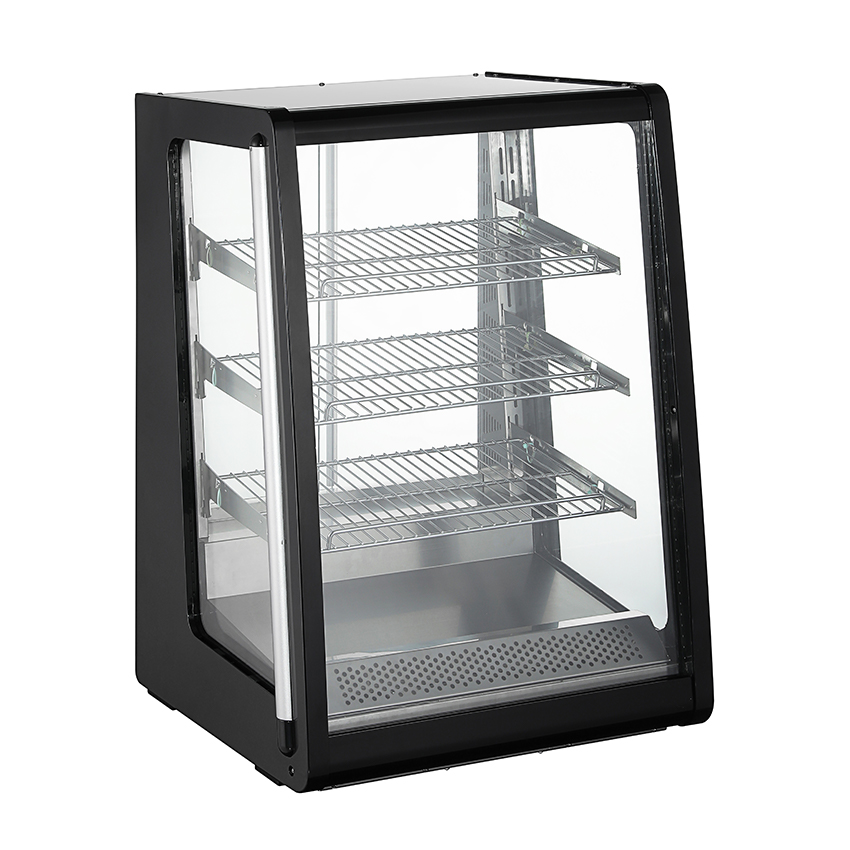
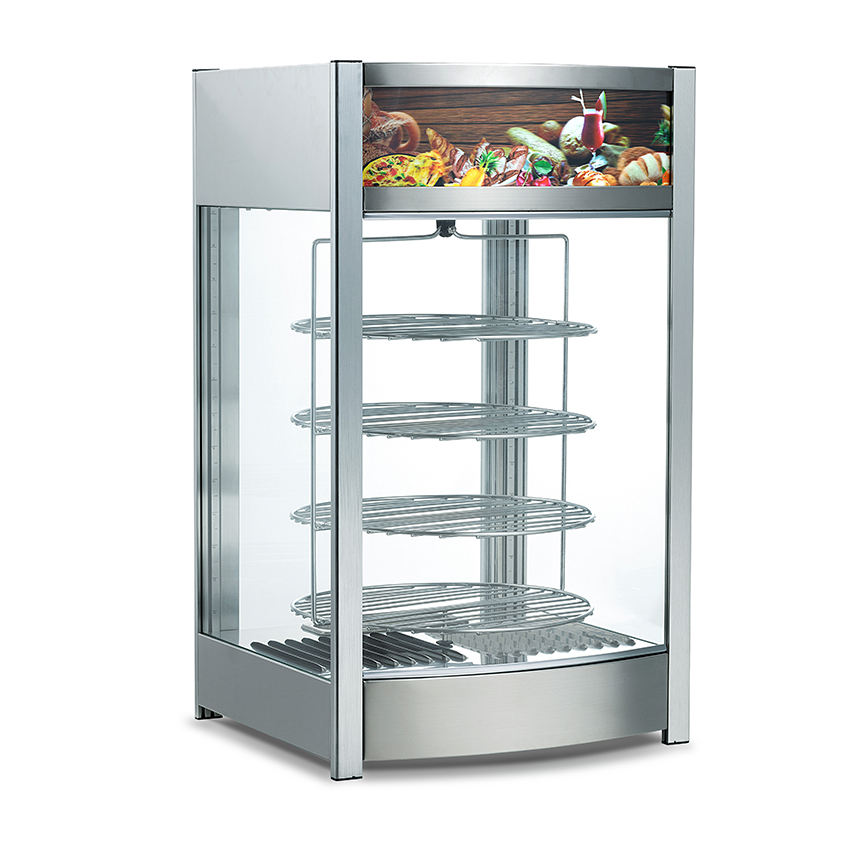
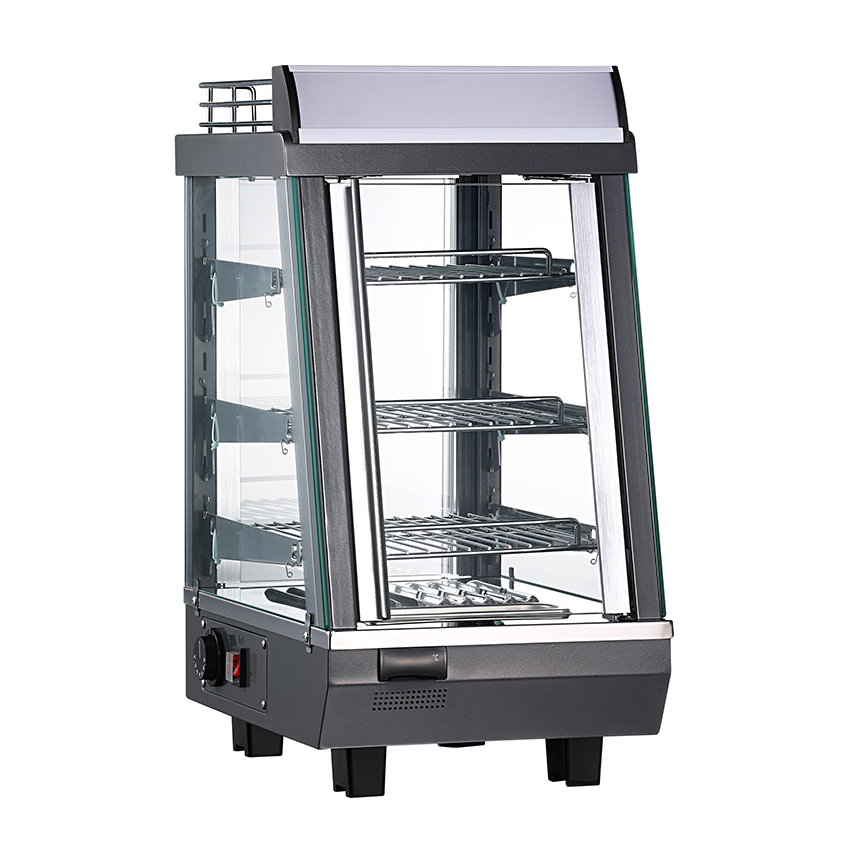
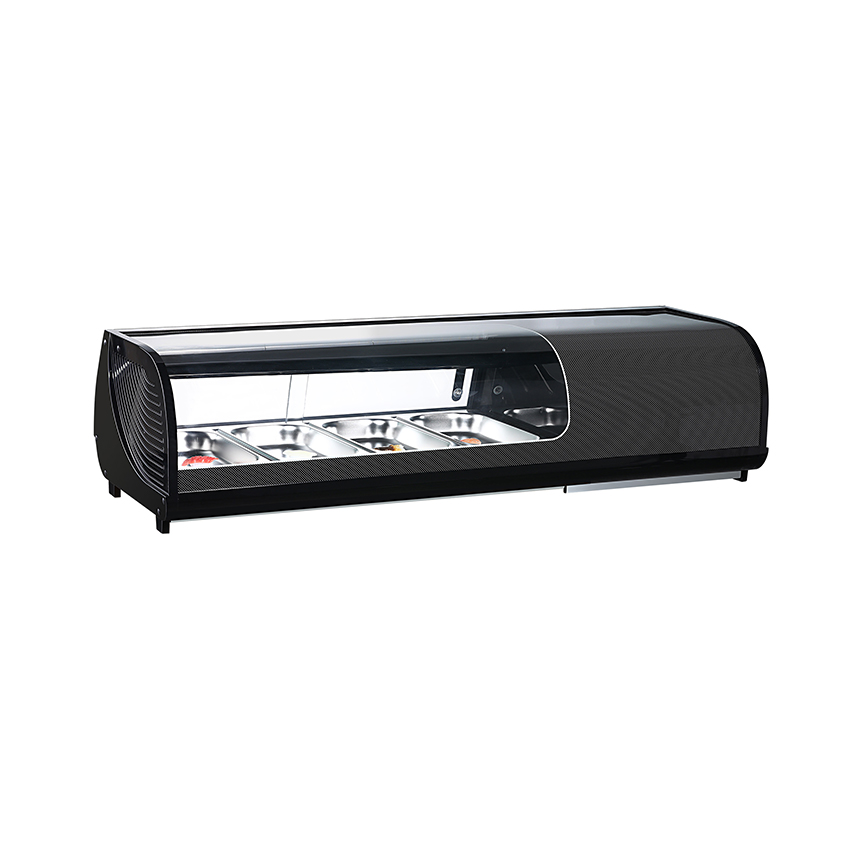
Multi-product thermal display cabinet
The multi-product thermal insulation display cabinet has various sizes, elegant appearance and unique design. It ad...



Content
The right commercial refrigerated display cabinet is selected by matching four factors to your retail environment: available floor space and required capacity, the temperature range your product category needs, whether an open or closed cabinet suits your customer flow, and the energy performance of the unit over its operating life. For most food retail, deli, and bakery counters, a closed glass-door cabinet offers steadier temperature control and lower energy use, while an open multideck cabinet supports faster self-service access in high-traffic areas. The sections below walk through each factor with reference data and comparison charts so the decision can be made against your specific store layout rather than general assumptions.
In short: confirm your product's required holding temperature first, then size the cabinet to your space and throughput, and finally weigh open versus closed configuration against your customer accessibility and energy goals.
Different food categories require different maximum holding temperatures to remain safe for display, and this is one of the first specifications to confirm when comparing cabinets. Time/temperature control for safety (TCS) foods are commonly held at or below 5 degrees C (41 degrees F) under widely referenced food safety guidance, while categories such as cakes and desserts are generally held at slightly higher, less strict temperatures. The horizontal bar chart below summarizes typical maximum recommended display temperatures by category.
As the chart shows, fresh meat and seafood require the tightest temperature control at around 2 degrees C, while cakes and desserts have more tolerance, commonly displayed up to around 8 degrees C. A commercial refrigerated display cabinet buying guide should always start from this figure, since selecting a cabinet with an insufficient temperature range for your product category is one of the most common and most costly specification errors. (Reference: general food safety guidance on time/temperature control for safety foods, consistent with the U.S. FDA Food Code 41 degrees F / 5 degrees C threshold.)
Display capacity generally scales with cabinet footprint, but the relationship is not always linear once multideck or island-style configurations are introduced. The chart below shows typical internal display capacity in liters across five common commercial cabinet size classes, from small countertop units to larger island-style cabinets.
A compact countertop unit around 150 liters works well for a small cafe or kiosk with limited counter space, while an island-style cabinet near 2000 liters is more appropriate for a supermarket bakery or deli section with high product turnover. Measuring both floor footprint and door swing clearance before ordering is important, since a cabinet that fits on paper may still create aisle congestion once installed with customers browsing in front of it.
Open multideck cabinets and closed glass-door cabinets serve different priorities in a retail environment. Open cabinets emphasize product visibility and quick customer access, while closed cabinets emphasize temperature stability and energy efficiency by containing the cold air behind a door. The radar chart below compares the two configurations across six practical dimensions.
The chart shows open cabinets scoring higher on product visibility and customer access, which supports impulse purchasing in beverage and grab-and-go sections. Closed cabinets score higher on energy efficiency, temperature stability, and ambient suitability, making them a stronger fit for warmer store environments or products with a narrower safe temperature range. Neither configuration is universally correct; the decision should reflect which factor matters more for the specific product category and store layout being served.
Energy consumption is not fixed once a cabinet is installed; it changes over the equipment's operating life depending on maintenance practices. Dust buildup on condenser coils, worn door gaskets, and delayed defrost servicing all gradually increase the energy a cabinet needs to hold the same temperature. The line chart below compares an illustrative energy consumption trend over five years of operation, with and without regular maintenance.
In this illustrative comparison, a cabinet with regular maintenance shows only a gradual rise in daily energy use over five years, while a cabinet without regular servicing shows a much steeper increase as dust, gasket wear, and defrost inefficiency accumulate. This pattern is why commercial refrigerator maintenance tips almost always begin with condenser coil cleaning and gasket inspection, since these two items have an outsized effect on long-term energy performance. Actual energy figures vary by cabinet model, ambient store temperature, and door-opening frequency, so this chart should be read as a general pattern rather than a specific product's measured data.
Commercial refrigerated display cabinets are built in several distinct formats, each suited to a different merchandising need. The table below summarizes the most common types found across food retail, bakery, and catering environments.
| Common commercial refrigerated display cabinet types and typical use | ||
| Cabinet Type | Typical Use | Configuration |
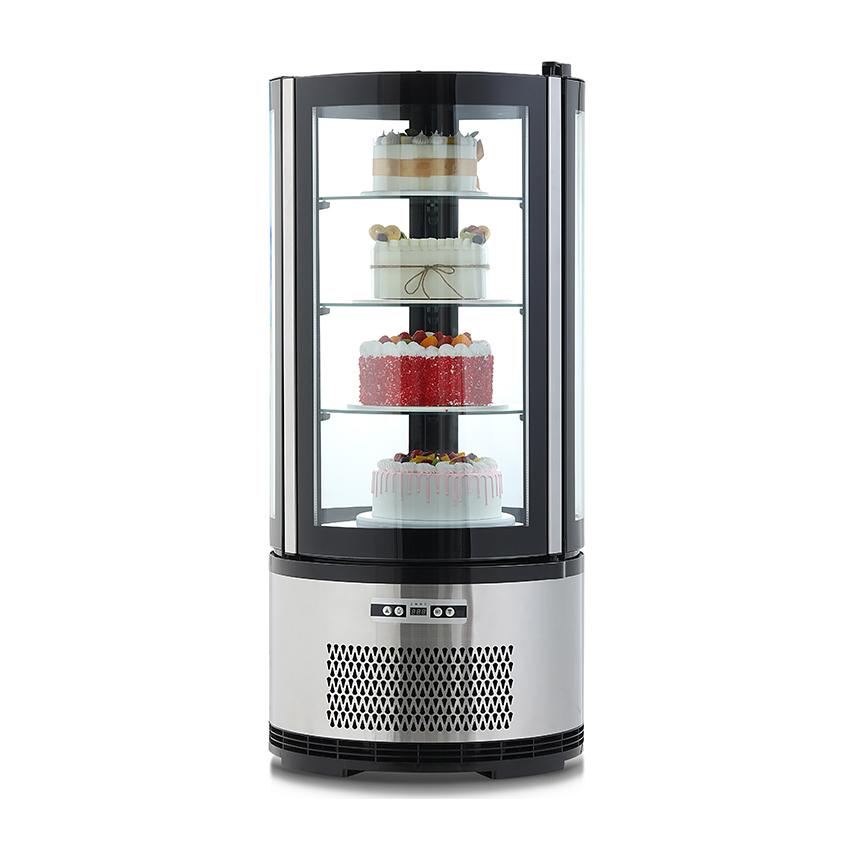
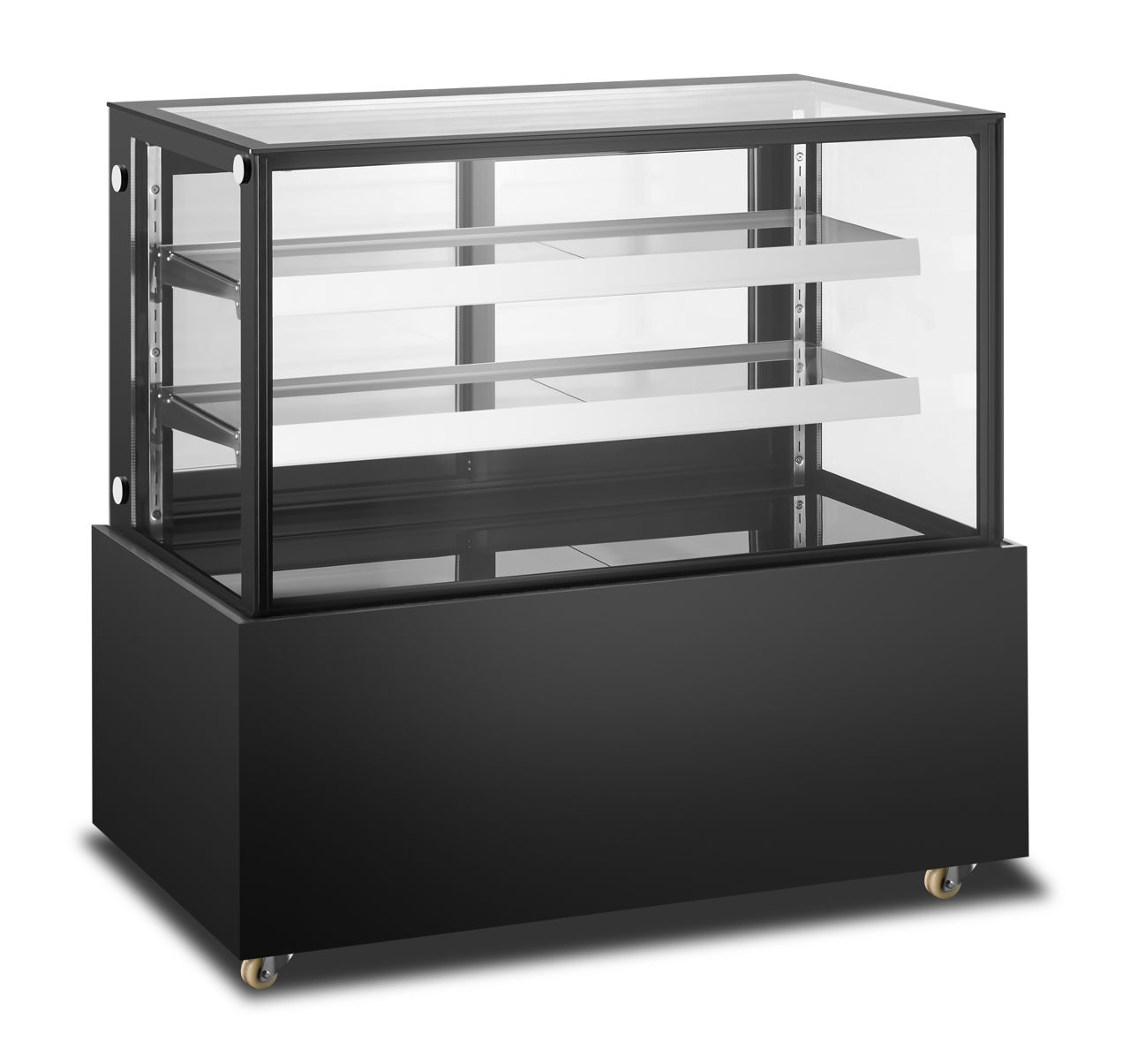
| Cake Showcase | Bakery and dessert display | Closed, curved or straight glass |
| Deli / Meat Case | Fresh meat and deli counters | Closed, low-temperature service case |
| Beverage Cooler | Drinks and grab-and-go retail | Closed, glass door upright |
| Open Multideck | Supermarket dairy and produce aisles | Open, self-service shelving |
Many stores use several of these formats together, pairing an open multideck for high-traffic dairy or beverage sections with a closed cake showcase or deli case for products requiring tighter temperature control and slower browsing. Matching the cabinet type to the merchandising role of each section is generally more effective than selecting a single cabinet format for the entire store.
Routine maintenance is the most reliable way to keep a display cabinet running at its rated efficiency and to avoid unplanned downtime during business hours. The steps below cover the most frequently recommended maintenance tasks for commercial refrigerated display cabinets.
If a cabinet is not holding temperature, the first checks are usually the simplest: confirm the door is sealing fully, check that the condenser coil is not blocked with dust, and verify the unit has adequate clearance for airflow at the rear or base. If these checks do not resolve the issue, a qualified refrigeration technician should inspect the compressor, refrigerant charge, and control system before further use.
When comparing a commercial refrigerated display cabinet manufacturer or commercial refrigerated display cabinet supplier, buyers typically look at production scale, certification coverage, and whether the factory supports OEM refrigerated display cabinet or custom refrigerated display cabinet requirements for private label retail chains and catering groups.
Zhejiang Fuerj Electric Science and Technology Co., Ltd. was founded in 1997 and operates as a commercial display refrigerator manufacturer producing electric heating and refrigeration products, including freezers and cake showcases, from a facility covering 110,000 square meters with roughly 85,500 square meters of construction area. The company employs 650 staff, including 85 engineering and technical personnel, with more than 160 employees holding a college degree or above. Annual output reaches approximately 750,000 sets across its product range, with certifications including GS, CB, RoHS, UL, CQC, and CCC, and exports to more than 20 countries and regions across Europe, America, Asia, and Africa.
Q1. How do I choose a commercial refrigerated display cabinet?Start by confirming the required temperature range for your product category, then size the cabinet to your floor space, and decide between open or closed configuration based on customer access and energy priorities. |
Q2. What size display refrigerator do I need?Sizing depends on product volume and floor space, ranging from around 150 liters for a countertop unit up to 2000 liters or more for an island-style cabinet, as shown in the capacity chart above. |
Q3. What temperature should a display fridge be?Most fresh food categories should be held at or below 5 degrees C, with meat and seafood typically requiring closer to 2 degrees C, while desserts have somewhat more tolerance up to around 8 degrees C. |
Q4. What is the best commercial display refrigerator?There is no single correct choice for every business; the right cabinet depends on your product's temperature requirements, available space, and whether open or closed display better fits your store layout. |
Q5. Can refrigerated display cabinets be used outdoors?Some models are rated for outdoor or semi-outdoor placement, but this depends on the specific unit's ambient temperature tolerance and weatherproofing, so it should be confirmed with the manufacturer before installation. |
Q6. How often should display refrigerators be cleaned?Condenser coils and gaskets are commonly checked on a monthly basis, while interior surfaces are typically cleaned more frequently as part of routine daily or weekly food safety practice. |

Copyright © Zhejiang Fuerj Electric Science And Technology Co., Ltd. Rights Reserved. Food Showcase Display Manufacturer Fireplace Factory
