 English
 русский
 Español
 Français
 عربى
عربى italiano
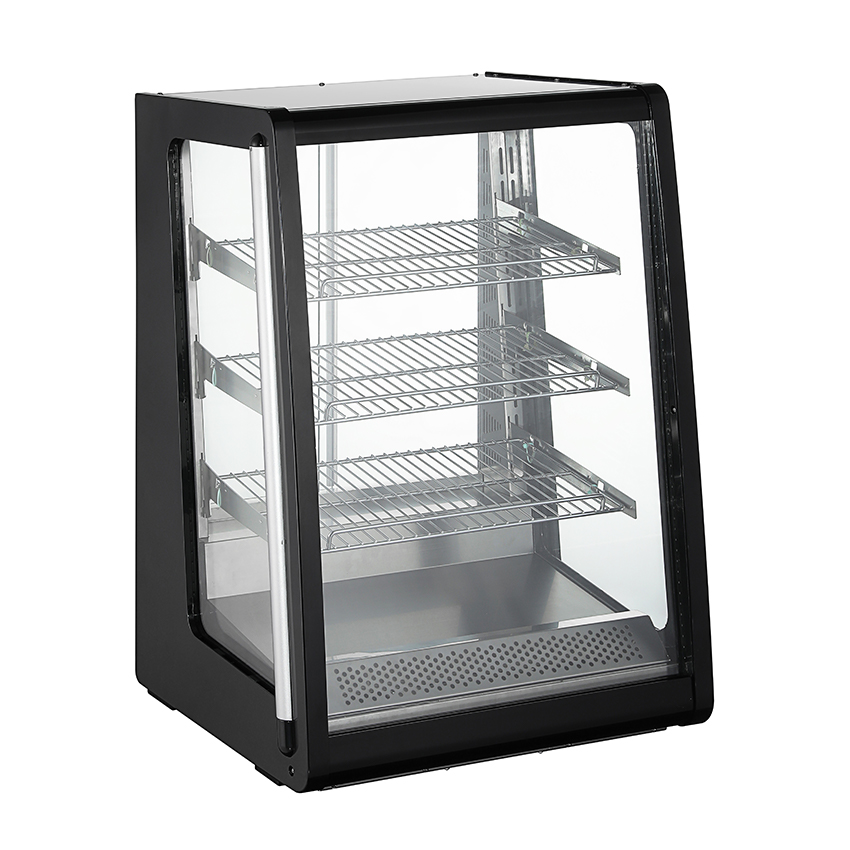
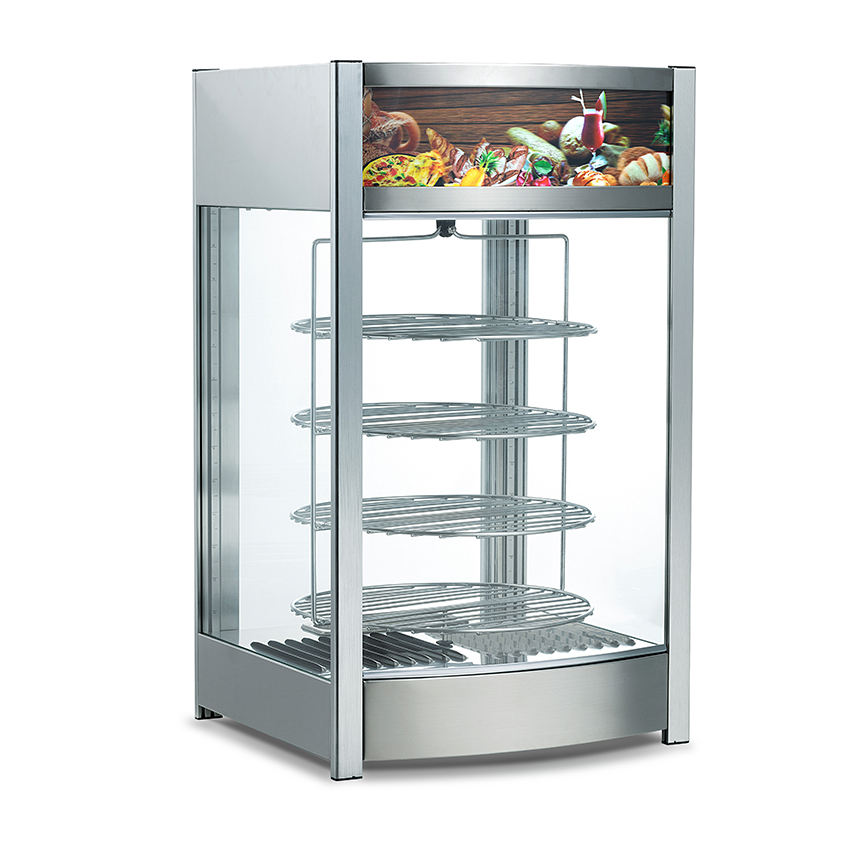
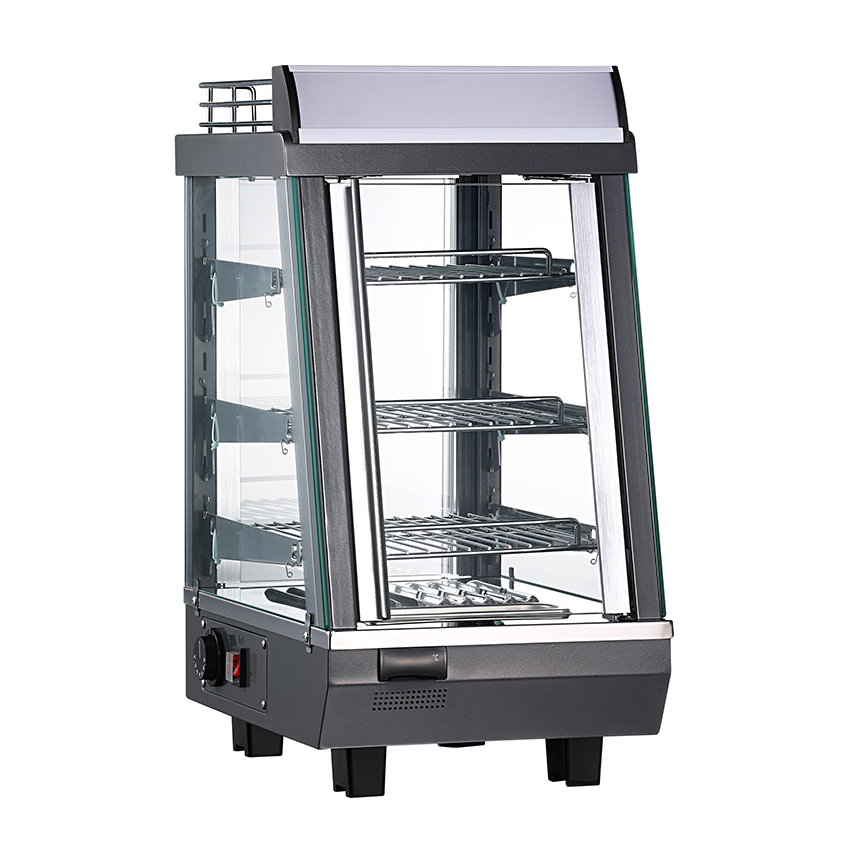
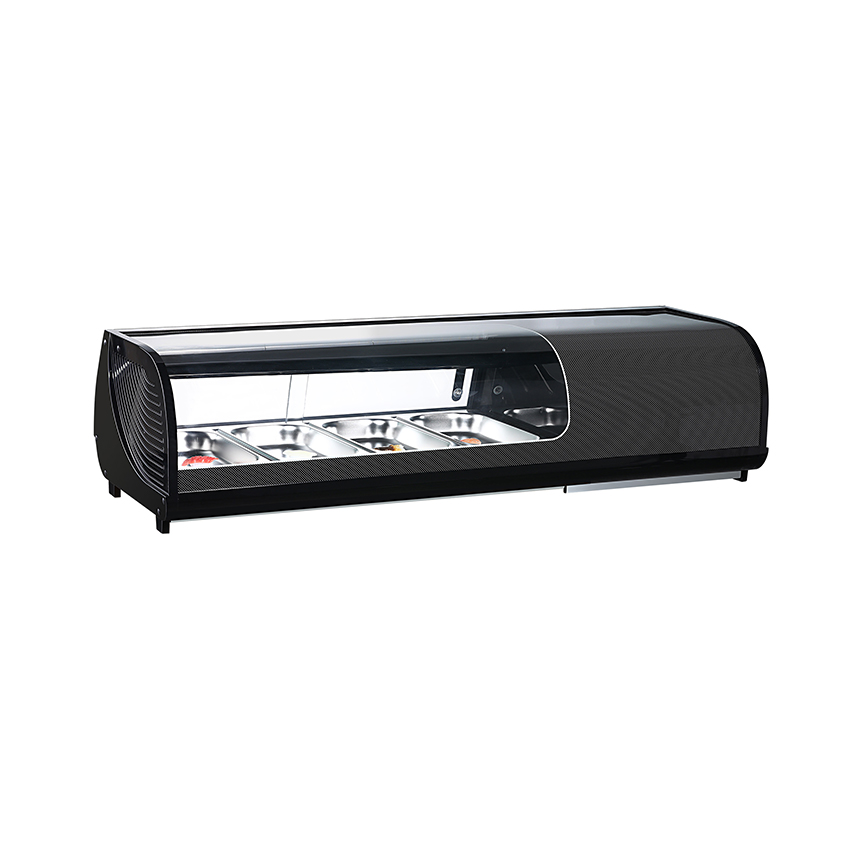
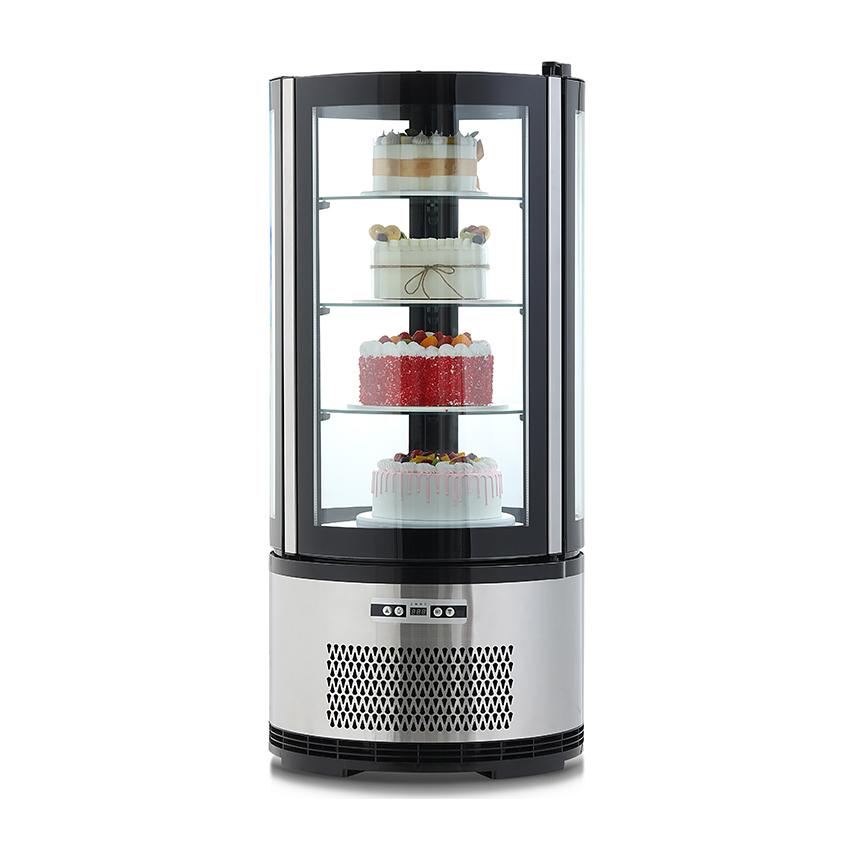
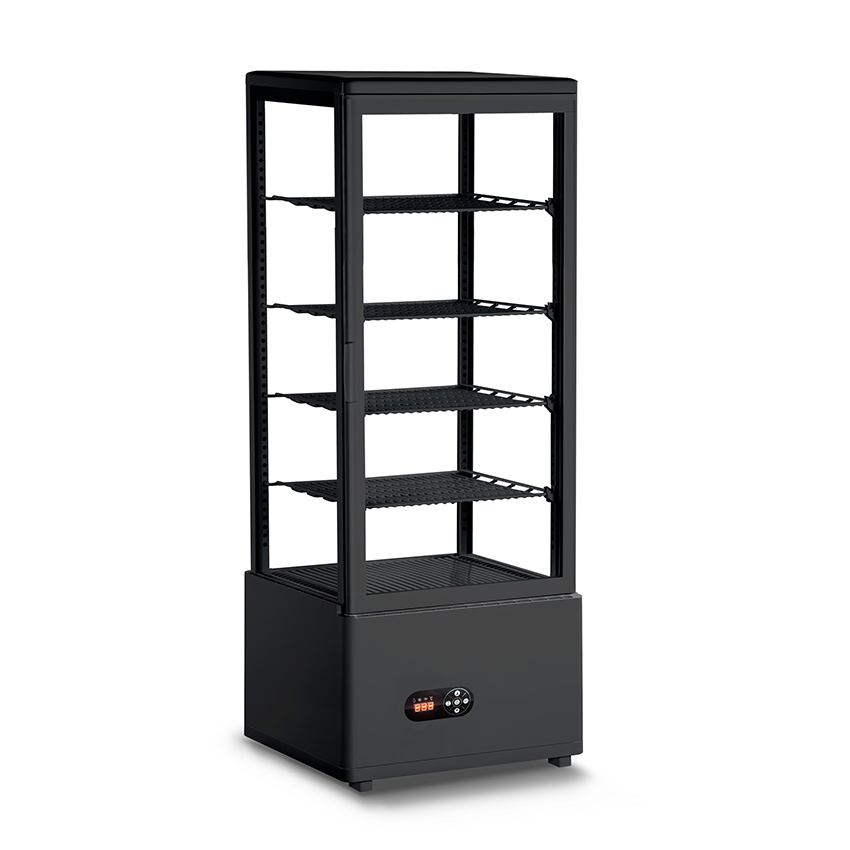
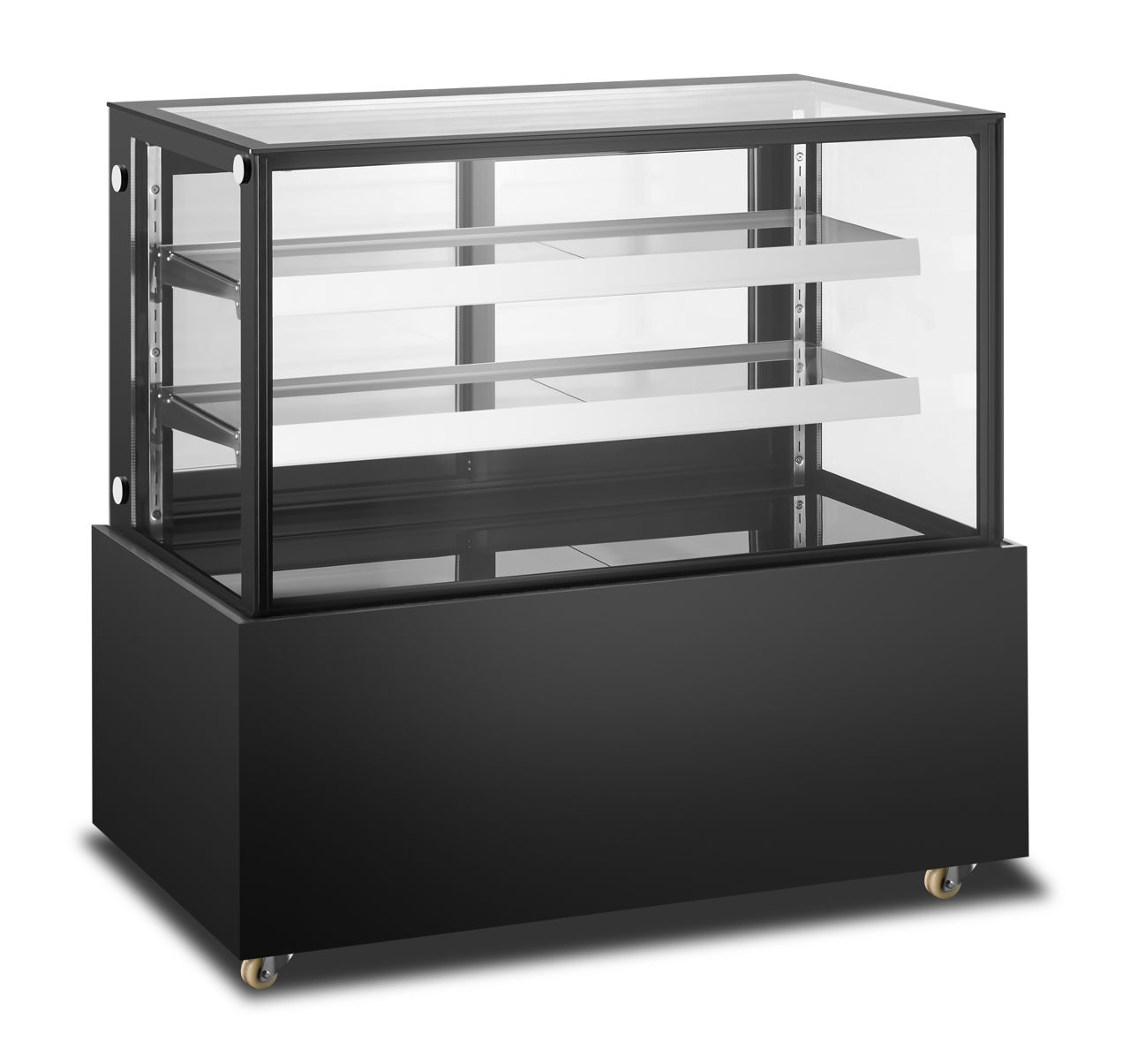
Multi-product thermal display cabinet
The multi-product thermal insulation display cabinet has various sizes, elegant appearance and unique design. It ad...



Choosing the right table hot cabinet for your business comes down to four core factors: the volume of food you need to hold, the temperature range required for your menu items, the available counter space, and the food safety standards applicable in your market. A tabletop hot cabinet is the most practical solution for restaurants, takeaways, bakeries, and catering operations that need consistent food-holding temperatures without dedicating floor space to a full-size unit. If you are short on time, the short answer is: match cabinet capacity to your peak-hour output, select a unit with a thermostatic control range of 30–90°C, and ensure it carries the certification (GS, CB, UL, CCC, or CE) required for your region.
The food holding equipment market is growing steadily as the food service and takeaway sectors expand globally. A 2023 report by Allied Market Research valued the commercial food warming equipment segment at USD 3.6 billion, with a projected CAGR of 5.8% through 2030. This growth is driven by rising demand for quick-service restaurants, ghost kitchens, and catering services that require reliable food holding cabinets to maintain food quality between preparation and service.
Zhejiang Fuerj Electric Science And Technology Co., Ltd., founded in 1997 and covering 110,000 square meters of production area, is a professional manufacturer and supplier of table hot cabinets and commercial food warming equipment. With an annual output of 750,000 sets and products exported to more than 20 countries, Fuerj's units carry GS, CB, RoHS, UL, COC, and CCC certifications to meet market requirements across Europe, the Americas, Asia, and Africa.
Content
A countertop hot holding cabinet is a thermostatically controlled enclosure designed to maintain cooked food at safe serving temperatures — typically between 60°C and 85°C — without continuing to cook it. Unlike ovens or fryers, the unit does not add heat to cook; it maintains heat to preserve. This distinction matters: the heating element warms the internal air chamber, the thermostat cycles the element on and off to maintain a set temperature, and the insulated walls retain that warmth with minimal energy loss.
Most commercial hot cabinets use one of two heating mechanisms: dry heat (ambient air heating with a coil or PTC element) or moist heat (steam injection or a water tray that adds humidity to the chamber). Dry heat is preferred for fried and crispy foods like fried chicken, spring rolls, and baked items, as moisture would soften the crust. Moist heat is better for roasted meats, soups held in pans, or rice, where a small amount of humidity prevents surface drying and cracking.
Modern heated holding cabinets feature glass doors or transparent panels on one or more sides, allowing customers to view displayed food without opening the cabinet — which would cause a temperature drop. The glass acts as both a display and an insulation layer. Stainless steel construction on the exterior and interior is the industry standard because it is non-reactive, easy to clean, and durable under high-temperature cycling. A stainless steel tabletop hot cabinet will typically outlast alternatives made from coated mild steel by a factor of three to five in commercial kitchen environments.
How a Tabletop Hot Cabinet Maintains Food Temperature
Simplified cross-section diagram of a tabletop hot holding cabinet with thermostat control and air circulation.
The diagram illustrates how the heating element at the base generates warm air that circulates around the food trays, while the thermostat continuously monitors internal temperature and cycles the element to maintain the set point. Insulated walls are critical — a poorly insulated cabinet loses heat rapidly every time the door opens, increasing energy consumption and risking temperature drops below the 60°C food-safe threshold. The glass door provides a visual display barrier that lets staff and customers see the food without breaking the thermal seal. This integrated design is what makes a well-built commercial food warmer suitable for continuous service across an entire shift.
Buying a commercial hot cabinet without a clear specification framework leads to common mismatches: units too small for peak service volume, temperature ranges incompatible with menu items, or cabinets that fail food safety audits because they lack the certifications required in the target market. The following criteria form a systematic evaluation framework.
Capacity is measured in tray count or interior volume (litres). A compact food warming cabinet suitable for a small takeaway might hold 3–5 GN 1/1 trays, while a larger countertop model for a supermarket deli or buffet service may hold 8–12 trays. The rule of thumb: calculate your peak-hour production volume in portions, divide by average portions per tray for your product, and size the cabinet to hold at least 1.5× that number to allow for staggered production without running empty.
Adjustable shelf rails are an important interior feature. Not all food service operations use standard GN trays — a food warming cabinet for bakery may need to hold taller pastry racks or half-size sheet pans. Verify that the tray runner spacing is adjustable and that the maximum tray depth accommodates your containers before purchasing.
Food safety regulations in most jurisdictions (EU Regulation (EC) 852/2004, FDA Food Code 2022, Chinese GB 31654-2021) require hot-held food to be maintained at a minimum of 60°C (140°F). The cabinet's thermostat range should extend above this — a range of 30–90°C is standard on commercial units — but the critical specification is control precision. A thermostat with ±2°C accuracy will cycle the temperature between 58°C and 62°C when set to 60°C, potentially dipping below the safe threshold. A ±1°C thermostat maintains a tighter band of 59–61°C. For high-risk food safety environments, specify a digital thermostat with ±1°C accuracy or better.
As noted above, dry heat preserves crispy textures while moist heat prevents dehydration in meats and grains. Some units offer a switchable mode or include a water tray slot that the operator can use or leave dry depending on the day's menu. A heated cabinet for fried chicken should always operate in dry mode — moisture is the primary cause of soggy coatings. A cabinet serving rotisserie chicken or braised items benefits from a small humidity input to maintain surface appearance and palatability.
A commercial hot cabinet with glass door serves a dual purpose: food safety (enclosed environment) and merchandising (visible display). For front-of-house or self-service environments, full-glass or three-sided glass doors maximize product visibility and can increase impulse purchases. For back-of-house holding applications, a solid door may be preferable as it provides better thermal retention. Hinged doors, sliding doors, and pass-through configurations (glass on front and rear) are all available and suit different service counter layouts.
Certifications are non-negotiable in many markets. A countertop hot holding cabinet manufacturer supplying Europe must provide CE marking and, for Germany and Austria specifically, GS certification. Units sold in North America require UL or NSF certification. Markets in the Middle East and Africa frequently require COC (Certificate of Conformity). China requires CCC. Fuerj's products carry GS, CB, RoHS, UL, COC, and CCC certifications, which covers the majority of global commercial markets.
Different food service formats have distinctly different hot-holding requirements. A hot holding cabinet for takeaway operations prioritizes fast accessibility and compact footprint, while a catering or banquet service values large batch capacity and portability. The table below maps business types to recommended cabinet specifications.
| Recommended tabletop hot cabinet specifications by food service business type | |||
| Business Type | Recommended Capacity | Heating Mode | Door Type |
| Quick-service restaurant | 4–6 trays | Dry | Glass front, hinged |
| Fried chicken / street food | 4–8 trays | Dry only | 3-side glass, sliding |
| Bakery / pastry shop | 3–5 trays (tall) | Dry / optional moist | Full glass display |
| Catering / banquet | 8–12 trays | Moist | Solid or pass-through |
| Supermarket deli counter | 6–10 trays | Dry / moist switchable | 3-side glass, sliding |
| Hotel buffet | 10–16 trays | Moist | Pass-through glass |
Top Use Cases for Commercial Food Holding Cabinets (% of units sold)
Estimated market distribution based on commercial food equipment sales data, 2023. Remaining 12% covers other applications including supermarkets and convenience stores.
Quick-service restaurants and fast food chains represent the largest segment of tabletop hot cabinet users at 32%, reflecting the scale of the global QSR sector and the high turnover volume of held food in these environments. Fried chicken and street food operators are the second largest segment at 22%, which explains why dry-heat models dominate overall unit sales — the need to maintain crispy textures is a primary technical driver. Bakery and deli applications at 18% increasingly favor display-oriented glass cabinet designs because the product appearance directly influences purchase decisions. Understanding where your business falls in this landscape helps justify and specify the right electric hot cabinet for catering or retail use.
Food safety is not optional — it is the primary functional requirement of a food holding cabinet. Regulators in all major markets have established minimum hot-holding temperature thresholds, and failure to comply can result in fines, temporary closure, or product liability exposure. Understanding the standards applicable to your market is as important as understanding the equipment itself.
The U.S. FDA Food Code (2022 edition) requires hot-held food to be maintained at 57°C (135°F) or above. The EU and UK follow a general safe-temperature principle of 63°C or above (with some flexibility for specific product categories). China's GB 31654-2021 standard similarly requires hot-held ready-to-eat food to be maintained above 60°C. Most equipment manufacturers set the minimum thermostat setting at 60°C to provide a universal compliance margin.
On holding time: the FDA Food Code and equivalent EU guidance both limit hot-held food to a maximum of 4 hours before it must be discarded or returned for reheating. Some jurisdictions allow 6 hours under specific documented conditions. A best practice approach is to label holding trays with start times and implement a first-in, first-out rotation system — something a good service workflow supports regardless of which commercial food holding cabinet supplier you work with.
Minimum Hot-Holding Temperature Requirements by Region (°C)
Minimum hot-holding temperatures per regional food safety authority. Sources: FDA Food Code 2022; EU Regulation (EC) 852/2004; China GB 31654-2021; Australia FSANZ Standard 3.2.2.
The EU and UK hold the highest minimum threshold at 63°C, which means businesses operating in or exporting food service products to European markets should configure their heated holding cabinet at 65°C or above to maintain a comfortable safety margin above the regulatory floor. The 60°C minimum adopted by China and Australia represents the most common global benchmark. Setting the thermostat at least 3–5°C above the local minimum is recommended to compensate for brief temperature drops when doors are opened during service. Operators in multiple markets should select a unit with sufficient thermostat range and control precision to comply with the strictest applicable standard.
The long-term value of a tabletop hot cabinet for restaurants depends heavily on construction quality, which is not always visible from product images. These are the specific construction details worth examining or asking a supplier to document.
When comparing different types of commercial food warmers, it helps to evaluate them across multiple performance dimensions simultaneously. The radar chart below compares three common configuration types: compact dry-heat units (ideal for fried food), medium moist-heat units (for caterers), and large display glass units (for deli and bakery settings).
Hot Cabinet Type Comparison: 6-Dimension Radar
Comparative scoring based on typical performance characteristics of each configuration type. Scores reflect design priorities, not absolute quality.
The radar chart reveals clear design tradeoffs between cabinet types. Compact dry-heat units excel in temperature stability and energy efficiency because their smaller internal volume requires less energy to maintain and holds temperature more consistently during door opens — making them ideal for a tabletop hot cabinet for restaurants with high service frequency. Large display units trade energy efficiency and temperature stability for maximum visual merchandising capability, which is the primary sales tool for bakery and deli operations. Medium moist-heat units occupy the middle ground and score highest on moisture control — critical for caterers serving roasted or braised meats over extended service periods. No single configuration is superior across all six dimensions; the right choice depends on your specific operational priorities.
A commercial hot cabinet runs for 8–16 hours per day in most food service operations. Energy consumption therefore has a meaningful impact on operating costs over a year, and it is worth calculating when comparing units of similar capacity. A thermostatically controlled cabinet does not consume its full rated wattage continuously — the element cycles on and off, so actual consumption is typically 40–65% of rated wattage during steady-state operation.
A 1200W tabletop cabinet operating at 50% duty cycle (600W effective average) for 12 hours per day consumes approximately 7.2 kWh per day. At a commercial electricity rate of USD 0.15/kWh, that represents roughly USD 1.08/day or USD 394/year per unit. A well-insulated unit will run at a lower duty cycle, potentially saving 20–30% of that figure annually compared to a poorly insulated equivalent. Over a 5-year service life, that difference can be significant — especially for operators running multiple units.
5-Year Cumulative Energy Cost: Well-Insulated vs. Standard Cabinet (USD)
Based on 1200W rated cabinet, 12hrs/day operation, USD 0.15/kWh. Well-insulated: 40% duty cycle. Standard: 55% duty cycle.
Over five years, the cumulative energy cost difference between a well-insulated and a standard cabinet is approximately USD 490 per unit under the modeled conditions. For an operator running four cabinets simultaneously — common in a medium-size QSR or hotel kitchen — that represents nearly USD 2,000 in electricity savings over the same period. This figure should be factored into the total cost of ownership evaluation, alongside the purchase price and expected maintenance costs. A commercial hot cabinet with glass door in a high-quality insulated build will often pay back its quality premium purely through energy savings within 2–3 years of commercial use.
Zhejiang Fuerj Electric Science And Technology Co., Ltd. was founded in 1997 and operates from a 110,000 square meter facility with 85,500 square meters of built construction. The company employs 650 people, including 85 engineering and technical staff, with more than 160 employees holding college degrees or above. Senior leadership personnel with relevant professional qualifications account for 35% of the management team, ensuring decisions in production, development, and quality control are grounded in technical expertise.
As a professional table hot cabinet manufacturer and supplier, Fuerj produces 750,000 sets of products annually across its electric heating and refrigeration product lines, which include freezers, cake showcases, and commercial food warming cabinets. Products carry GS, CB, RoHS, UL, COC, and CCC certifications, enabling distribution to more than 20 countries and regions across Europe, the Americas, Asia, and Africa.
As a commercial food holding cabinet supplier with over 25 years of manufacturing history, Fuerj has developed production processes and quality control systems built around the demands of international commercial food service markets. The company's engineering team supports custom configurations for OEM buyers, and its established export compliance process simplifies certification and logistics for international distributors and purchasing agents.
Q1. What is a hot holding cabinet?
A hot holding cabinet is a thermostatically controlled insulated enclosure designed to keep cooked food at safe serving temperatures — typically 60°C or above — after preparation and before service. It does not cook the food; it maintains it. Tabletop (countertop) versions are compact units sized for use on kitchen counters or service stations, while floor-standing models handle larger batch volumes.
Q2. How does a hot cabinet work?
An electric heating element (coil or PTC type) warms the internal air. A thermostat sensor monitors the internal temperature and cycles the element on and off to maintain the set point. Insulated walls and sealed glass doors retain heat between cycles. Some units add a water tray to introduce humidity into the chamber, which prevents surface drying on meats and rice.
Q3. What temperature should food be held at?
Most food safety regulations require hot-held food to be maintained at a minimum of 60°C (140°F). The EU standard is 63°C; the U.S. FDA Food Code requires 57°C (135°F). A practical operating recommendation is to set the cabinet thermostat 5°C above the local minimum to account for temperature fluctuations during door opens. This buffer helps maintain compliance throughout a busy service period.
Q4. How long can cooked food stay in a hot cabinet?
Under most food safety codes, including the FDA Food Code and EU Regulation (EC) 852/2004, hot-held food should be discarded or reheated after a maximum of 4 hours in holding. Some jurisdictions allow up to 6 hours under documented conditions. Beyond this, quality and safety both deteriorate. A tray labeling system with start times is a simple way to manage this rotation in a busy kitchen.
Q5. What size hot cabinet should I buy?
Start by calculating your peak-hour production in portions, then divide by the portions-per-tray for your product to find the tray count needed. Add a 50% buffer for staggered production and restocking. A small takeaway may need 3–5 trays; a QSR with multiple food categories may need 6–10 trays across one or more units. Available counter space and service configuration (self-service vs. staff-served) also affect the size decision.
Q6. What certifications should I look for?
Required certifications depend on the destination market: CE marking for the EU; GS for Germany and Austria; UL or NSF for North America; CCC for China; COC for Middle East and African markets; CB for global mutual recognition. RoHS certification is required for all electrical equipment sold in the EU. Confirm that the manufacturer can provide original certification documents rather than just displaying certification logos on marketing materials.

Copyright © Zhejiang Fuerj Electric Science And Technology Co., Ltd. Rights Reserved. Food Showcase Display Manufacturer Fireplace Factory
