 English
 русский
 Español
 Français
 عربى
عربى italiano
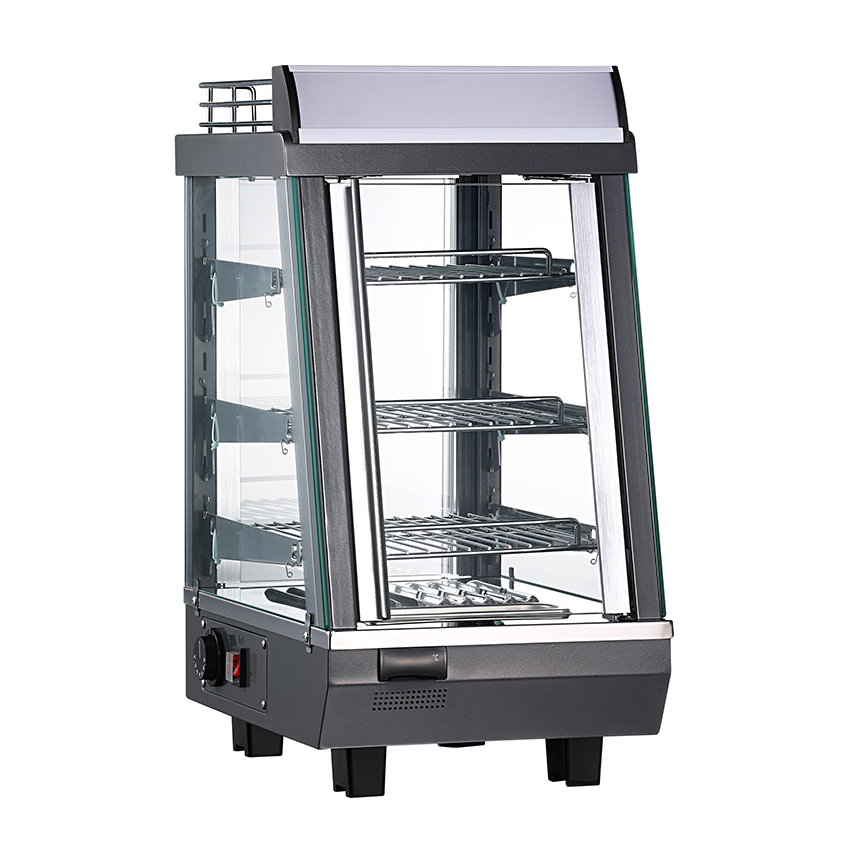
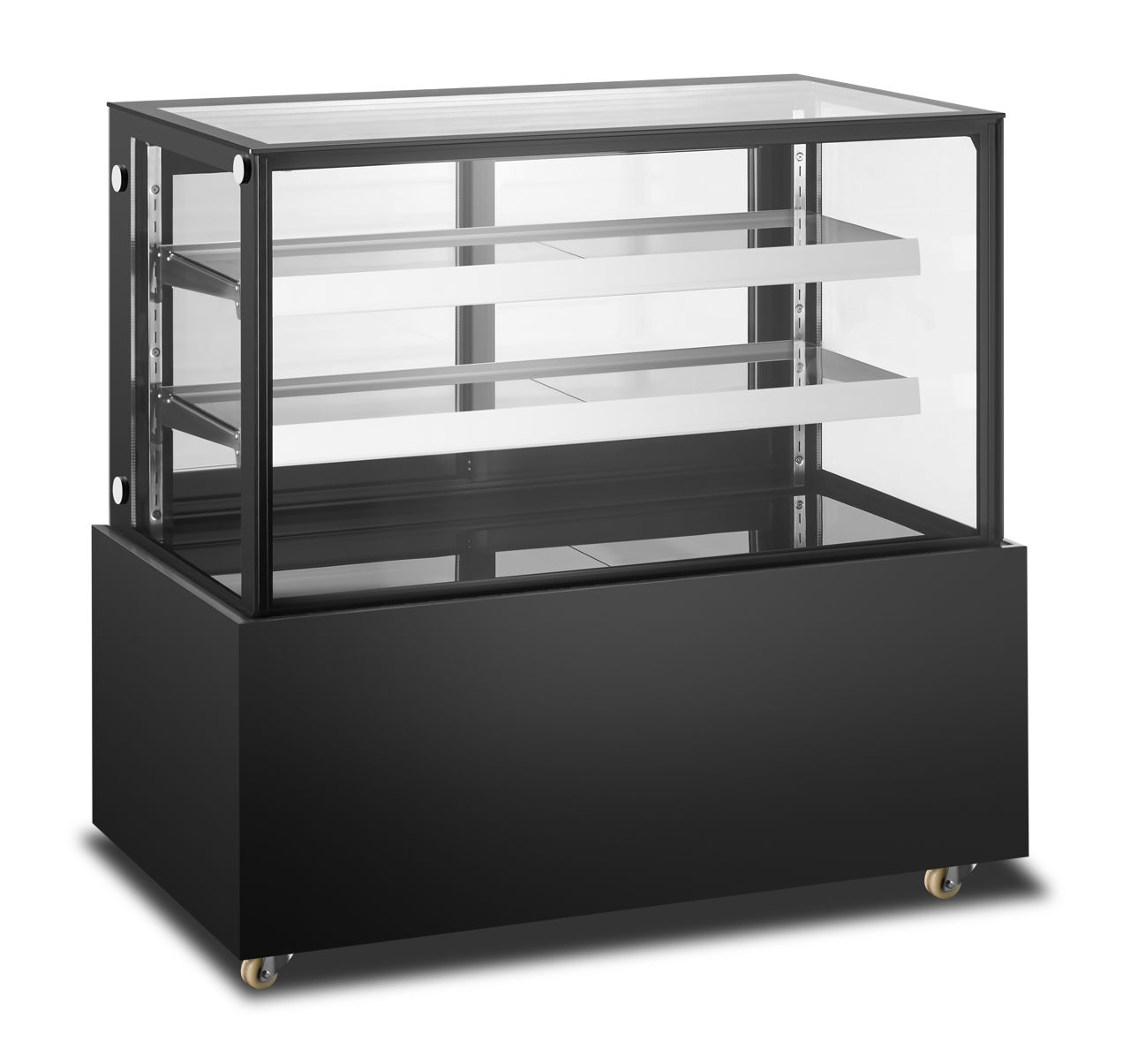
Multi-product thermal display cabinet
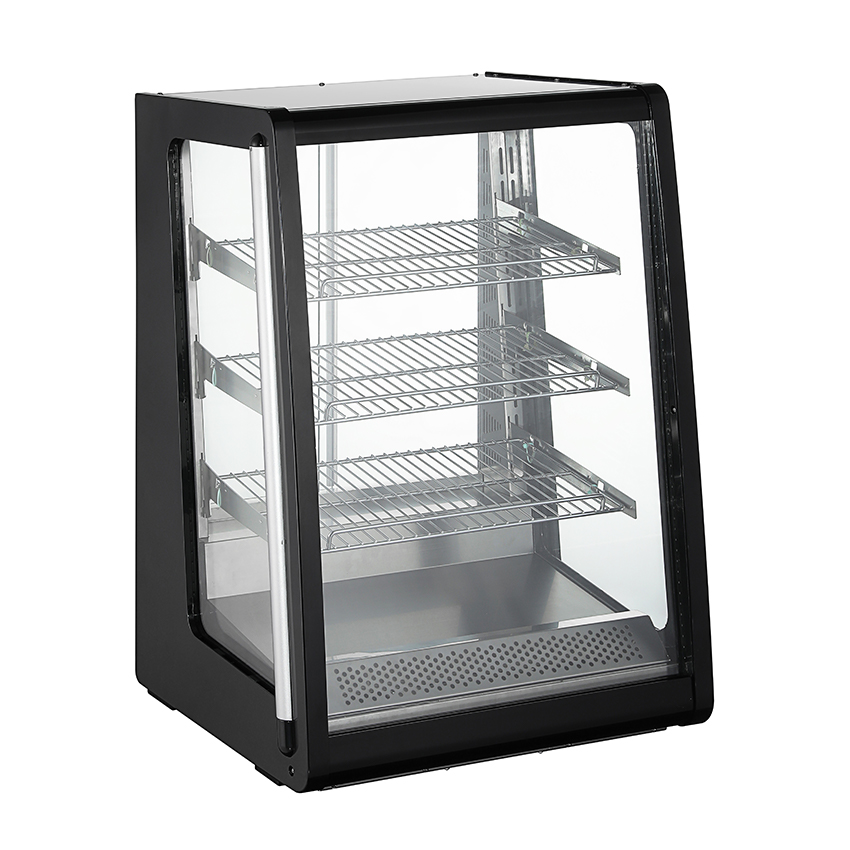
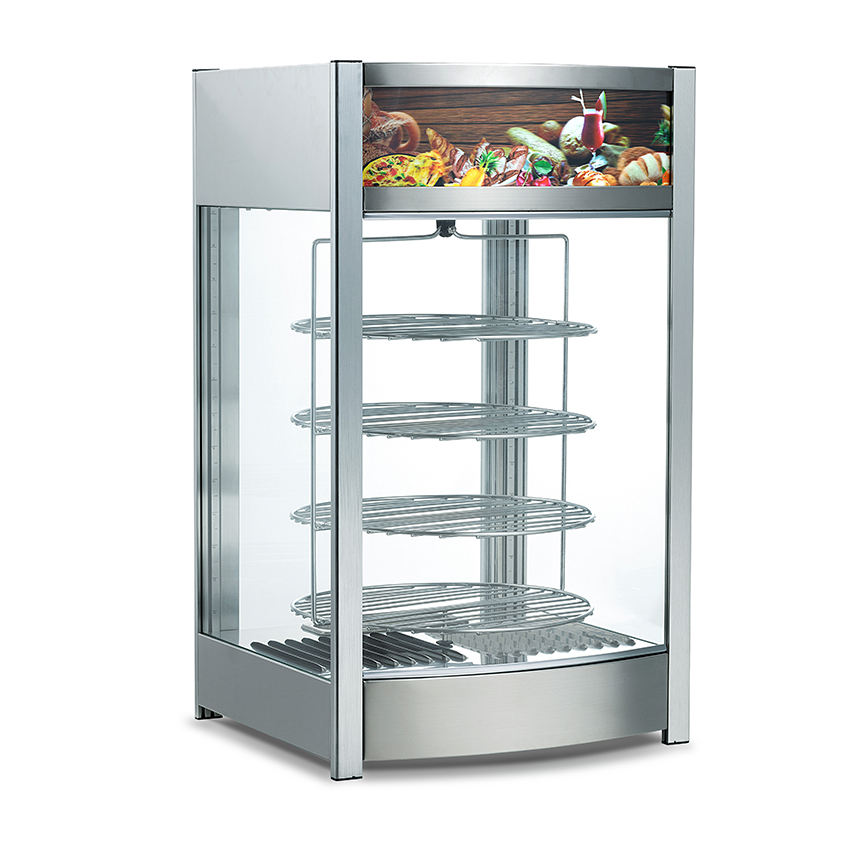
The multi-product thermal insulation display cabinet has various sizes, elegant appearance and unique design. It ad...



Walk into a bakery, a sushi bar, or a catering kitchen, and the first question about cooling is rarely “which brand?” The harder question is: which type of commercial refrigerator belongs in this specific workflow? A walk-in freezer stores ingredients in bulk, a refrigerated prep table keeps workstations efficient, and a glass-front merchandiser sells products at eye level. Choosing the wrong category means paying for space you do not use, losing product quality, or making daily cleaning more difficult. So start with the job, not the model number.
Content
The main types of commercial refrigerators can be grouped by how they are built, where they are placed, and what they are expected to do. Most food-service operations rely on one or more of the categories below.
| Type | Best For | Typical Temperature | Key Consideration |
|---|---|---|---|
| Walk-in | Bulk storage in restaurants, grocery stores, and commissaries | -23°C to -18°C for freezer models; 1°C to 4°C for cooler models | Needs insulated floor space and proper door seals |
| Reach-in | Back-of-house prep and high-turnover food storage | 1°C to 4°C | Solid doors save energy; glass doors improve visibility |
| Undercounter | Bars, cafes, and small kitchens with limited space | 1°C to 4°C | Saves counter space while keeping ingredients near the work zone |
| Refrigerated prep table | Sandwich, pizza, and deli stations | 1°C to 5°C | Cold rail depth and pan compatibility matter as much as compressor power |
| Display and merchandiser | Bakeries, sushi bars, convenience stores, and retail food areas | 2°C to 8°C | Humidity, lighting, and glass-door performance affect product shelf life |
| Bar refrigerator | Bars, cafeterias, and front-of-house service counters | 2°C to 7°C | Compact footprint and quick access are more important than large capacity |
Use this table as a shortlist, not as a replacement for measuring your kitchen space and checking the specifications of each model.
A walk-in is not a single cabinet; it is a modular room built from insulated panels. Walk-ins are the best option when a kitchen must store large quantities of perishable items at a stable temperature. Freezer models are typically kept at -23°C to -18°C, while cooler models operate around 1°C to 4°C.
Large supermarkets and high-volume restaurants may use remote or rack refrigeration systems, which place the compressor away from the box to reduce heat buildup and noise. Smaller operations often use self-contained walk-ins with a condensing unit mounted on top of the box. Either way, the real performance depends on door seals, evaporator coil design, drain-line heating, and floor insulation.
Reach-in refrigerators are vertical cabinets with one to four doors and are the most common back-of-house equipment in restaurants. They are available as refrigerators or freezers and work well for storing dairy, vegetables, meats, sauces, and prepared ingredients that staff access throughout the day.
Because reach-in doors are opened repeatedly, heavy-duty hinges and adjustable shelves matter more than the number of interior lights. Solid doors keep cold air inside longer, while glass doors let staff check inventory without opening the unit. For most kitchens, a reach-in with precise digital temperature control and easy-to-clean shelves is a safer long-term purchase.
Undercounter refrigerators slide beneath counters, freeing up wall space in small kitchens and bar areas. They are ideal for storing bottled drinks, garnishes, dairy, and backup ingredients that need to be within reach.
Refrigerated prep tables add a work surface with refrigerated pans or a cold rail on top. Pizzerias, sandwich shops, and delis rely on them because they keep toppings and sliced meats at a safe temperature while the kitchen is assembling orders. The best prep tables hold temperature evenly across the rail, not just near the fan, so check pan size compatibility and air circulation before deciding.
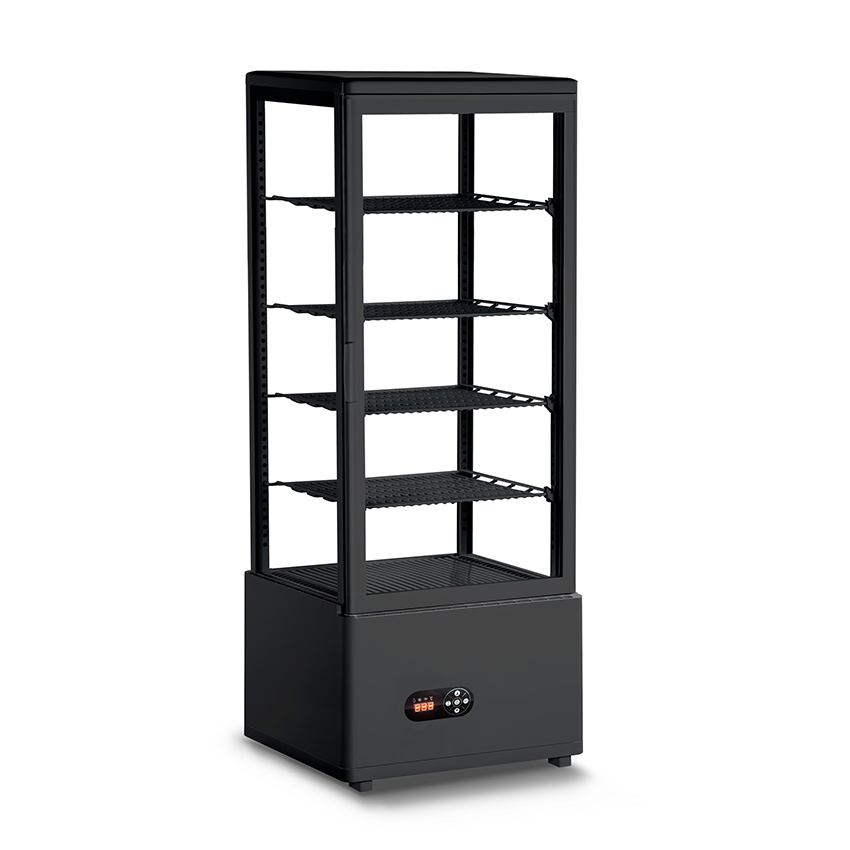
Display refrigerators turn cooling equipment into sales equipment. Glass-door cabinets, open-front merchandisers, and countertop display cases let customers see the food before they order. These units are common in bakeries, sushi bars, cafes, supermarkets, and convenience stores.
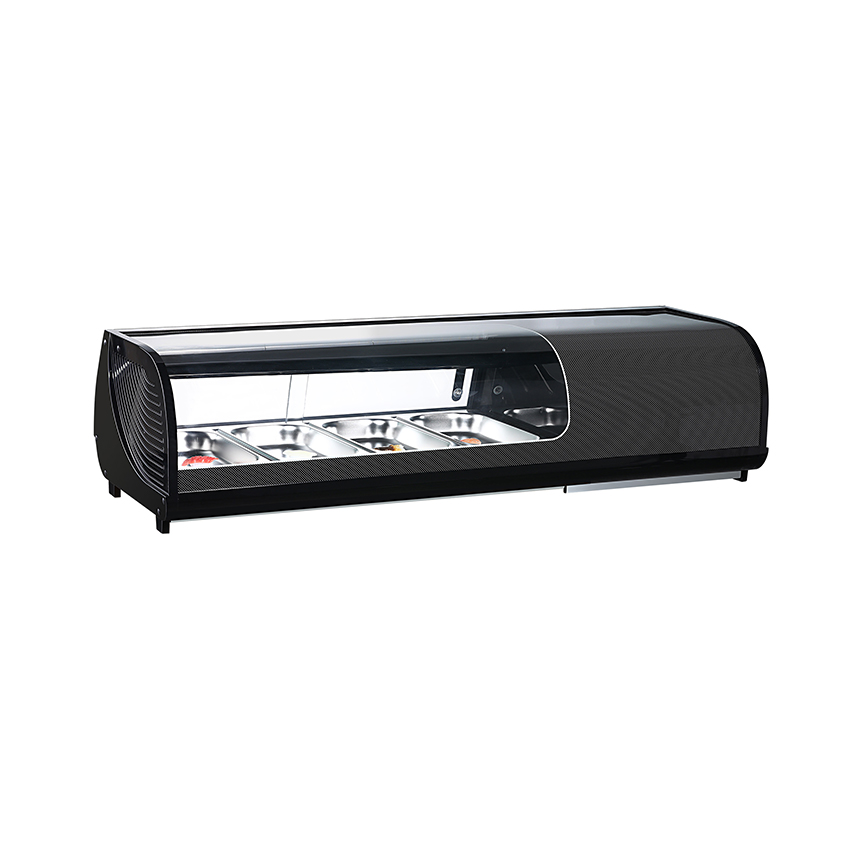
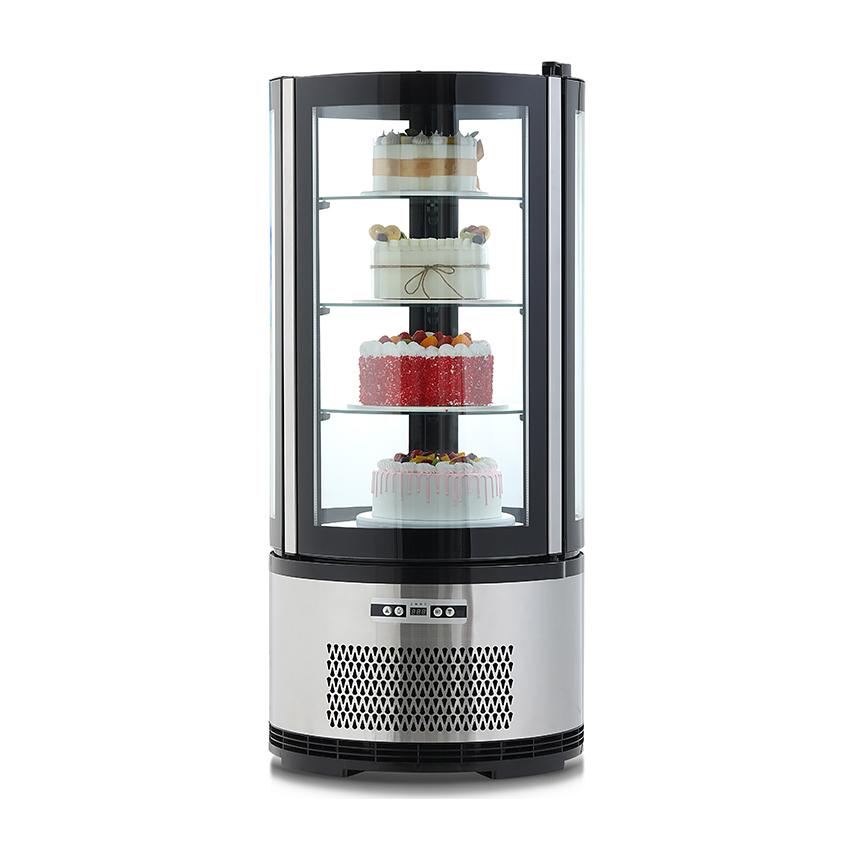
A refrigerated cake display cabinet is often the first piece of merchandising equipment a bakery buys because it keeps cream-filled desserts at a safe temperature while protecting them from dust and dry air. For a narrower counter or a smaller store, a low-noise tabletop refrigerated display cabinet can keep packaged salads, desserts, or beverages visible without dominating the front-of-house area. Sushi bars often use flat display cases at 2°C to 8°C so raw ingredients stay cold while remaining easy for customers to see.
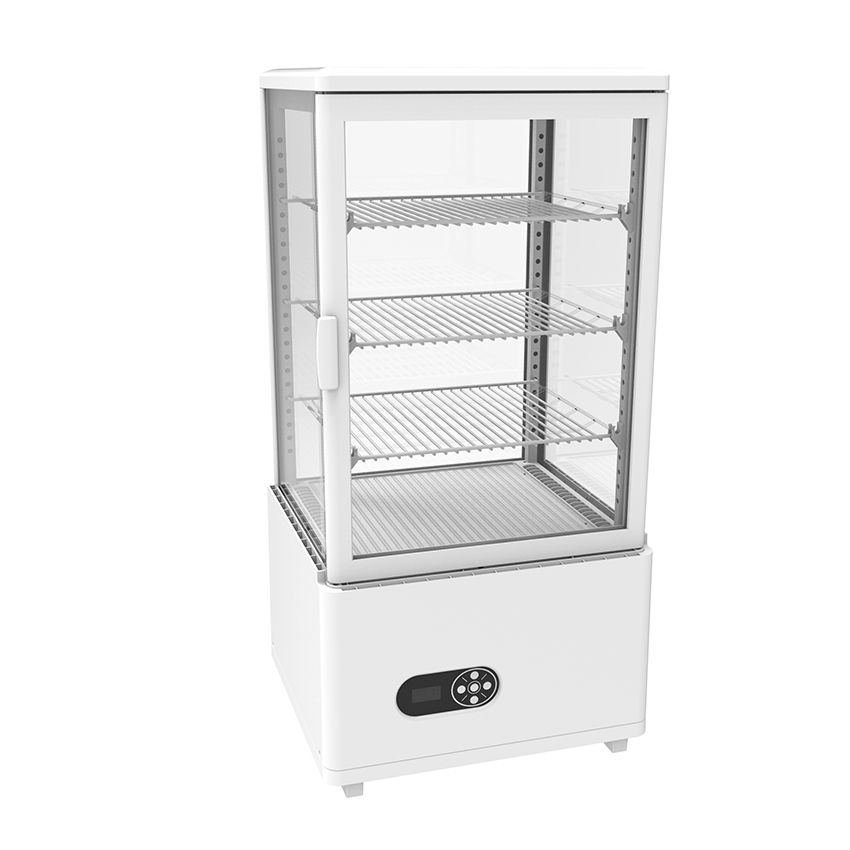 Custom Low noise tabletop refrigerated display cabinet Manufacturers, OEM SuppliAs a China OEM/ODM Low noise tabletop refrigerated display cabinet manufacturers and Low noise tabletop refrigerated display cabinet supp...View Product →
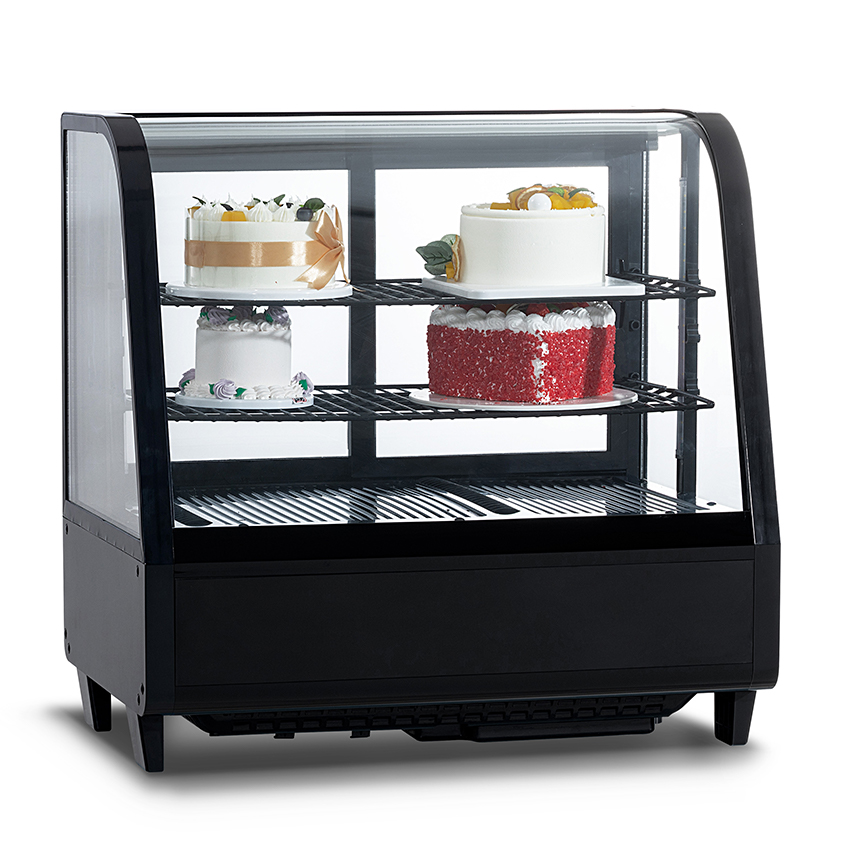 Custom Cake display cabinet Manufacturers, OEM Suppliers - Zhejiang Fuerj ElectrAs a China OEM/ODM Cake display cabinet manufacturers and Cake display cabinet suppliers, Zhejiang Fuerj professional custom Cake display...View Product →
Display cabinets need more attention than standard reach-ins because humidity, customer traffic, and lighting affect how long food looks fresh. A proper defrost cycle and temperature alarm are essential.
Bar refrigerators are built for front-of-house use. They are usually shorter, quieter, and designed to fit behind a bar or service counter. Bottles, mixers, dairy, and garnishes stay cold without forcing staff to walk to the main kitchen every few minutes.
Serve-over counter refrigerators place storage below a countertop with chilled food pans on top. Delis, bakeries, and cafeterias use them for service-style selling because they keep food accessible to customers while giving staff a clear, hygienic work surface. For these units, ease of cleaning is especially important because the pans and condiment containers are handled all day.
Ask three questions before evaluating any model. First, what temperature does the food actually need? Frozen ingredients require a freezer, while fresh produce and prepared desserts need a refrigerator. Second, how often do staff need access? A walk-in is efficient for bulk storage, but a prep table or undercounter unit is better for continuous food assembly. Third, does the unit need to sell food or simply store it? Glass doors and bright lighting help merchandising, while solid doors reduce energy use in the back of the house.
Use these ranges as planning figures, not as a replacement for the manufacturer’s technical sheet. The right choice balances food safety, energy use, cleaning access, and customer presentation.
Commercial refrigerators run for long periods, so energy consumption is part of the purchase price. Look for strong door gaskets, efficient insulation, automatic defrost, and a compressor that matches the expected ambient room temperature. A unit designed for a 20°C environment will struggle in a hot kitchen.
Temperature alarms are not a luxury. A display cabinet or walk-in that fails overnight can ruin thousands of dollars of food. Digital controls with reset alerts, door-open warnings, and accurate sensors make daily monitoring easier. Also consider service access: can a technician reach the compressor and evaporator fan without moving the whole cabinet? The total cost of ownership includes electricity, maintenance, cleaning time, and replacement parts.
Once the equipment type is clear, evaluate the manufacturer with the same care you used to select the category. Zhejiang Fuerj Electric Science And Technology Co., Ltd., founded in 1997, manufactures refrigerated display cabinets and freezers alongside electric heating products. The company operates from a 110,000-square-meter site with 85,500 square meters of buildings and produces 750,000 sets of products each year. Its 650 employees include 85 engineering and technical staff, and the company exports to more than 20 countries and regions across Europe, America, Asia, and Africa.
Products carry GS, CB, RoHS, UL, COC, and CCC certifications, which help buyers confirm that the equipment meets specific safety, environmental, and performance requirements. For a business selecting types of commercial refrigerators, a manufacturer with both engineering depth and export experience can provide clearer documentation, more consistent quality, and better support when the equipment enters a new market.
Q1: What temperature should a commercial refrigerator be set to?
Most perishable foods should be kept at 1°C to 4°C. Freezer models should be at -18°C or lower.
Q2: Can a display freezer be used as a regular kitchen refrigerator?
Yes, if it reaches the required temperature and fits your workflow, but prep tables are better for stations that need a work surface.
Q3: How often should a commercial refrigerator be serviced?
Schedule professional service at least twice a year, and clean condenser coils every three to six months.
Q4: Why does frost build up inside a display cabinet?
Frequent door openings, high humidity, worn gaskets, or a blocked drain line are the most common causes.

Copyright © Zhejiang Fuerj Electric Science And Technology Co., Ltd. Rights Reserved. Food Showcase Display Manufacturer Fireplace Factory
