 English
 русский
 Español
 Français
 عربى
عربى italiano
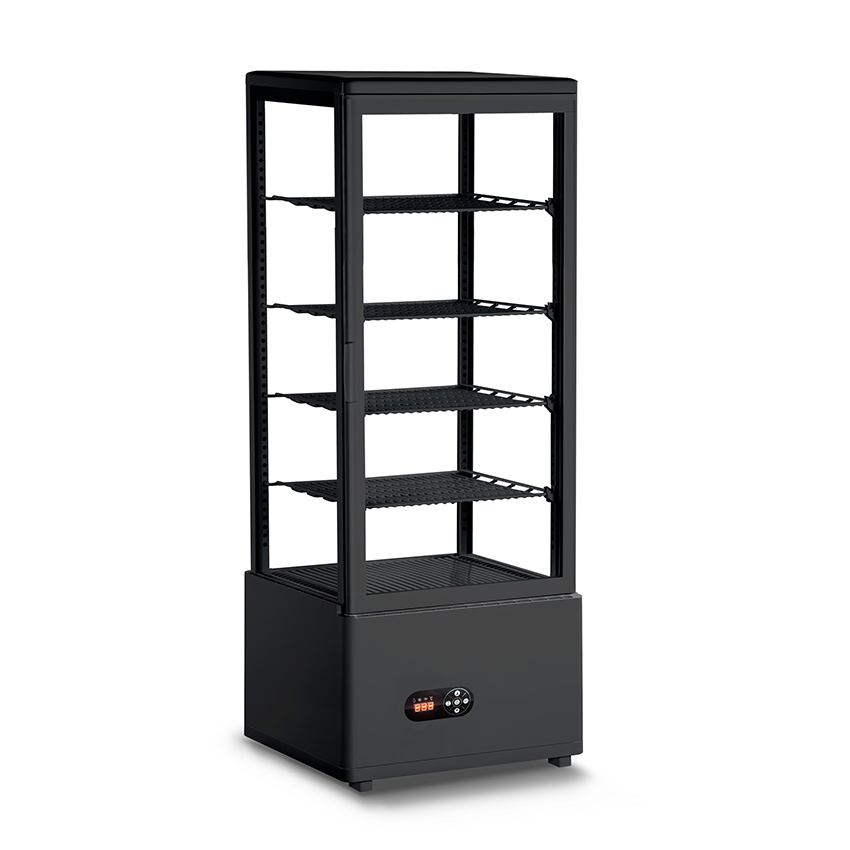
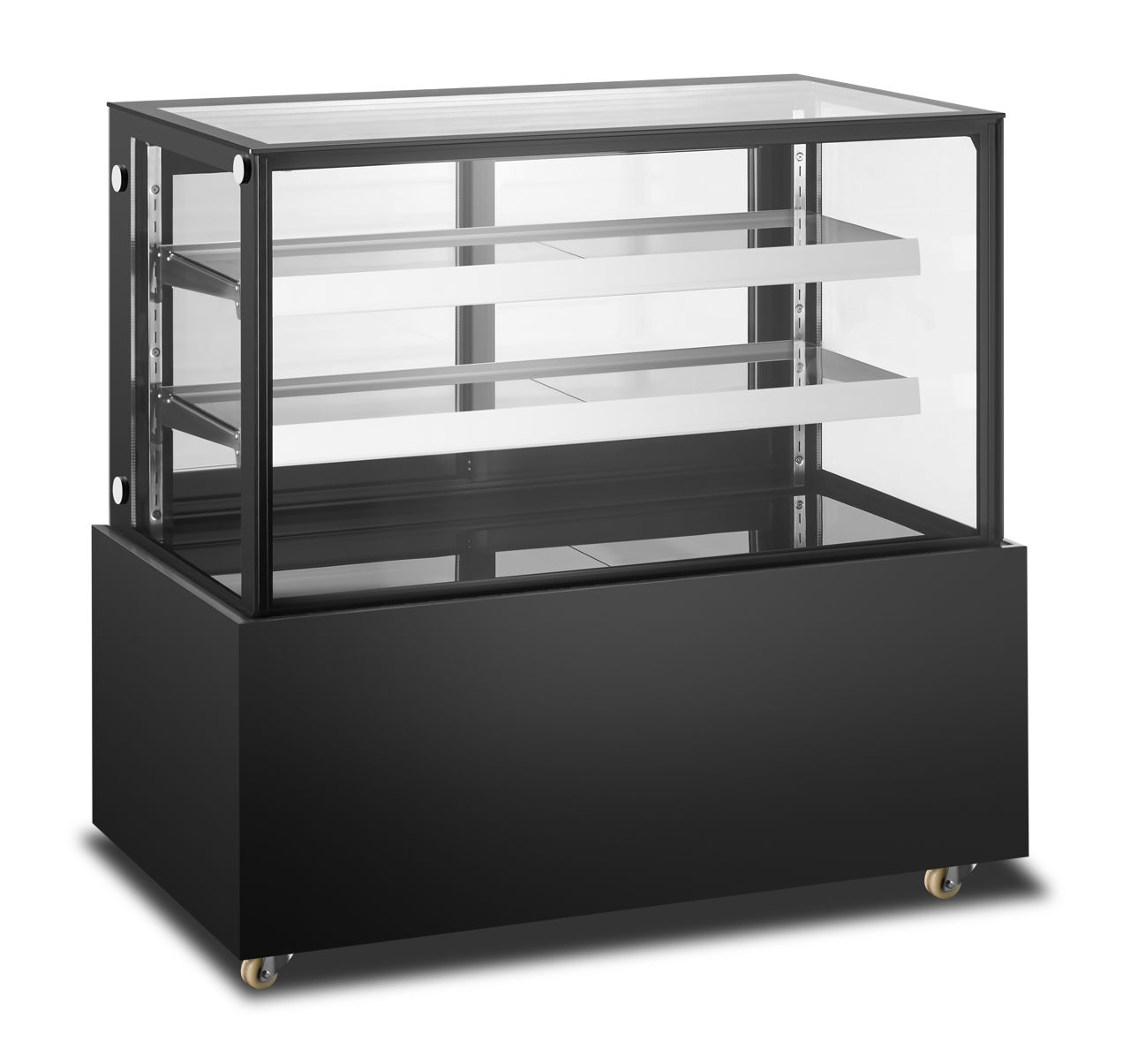
Multi-product thermal display cabinet
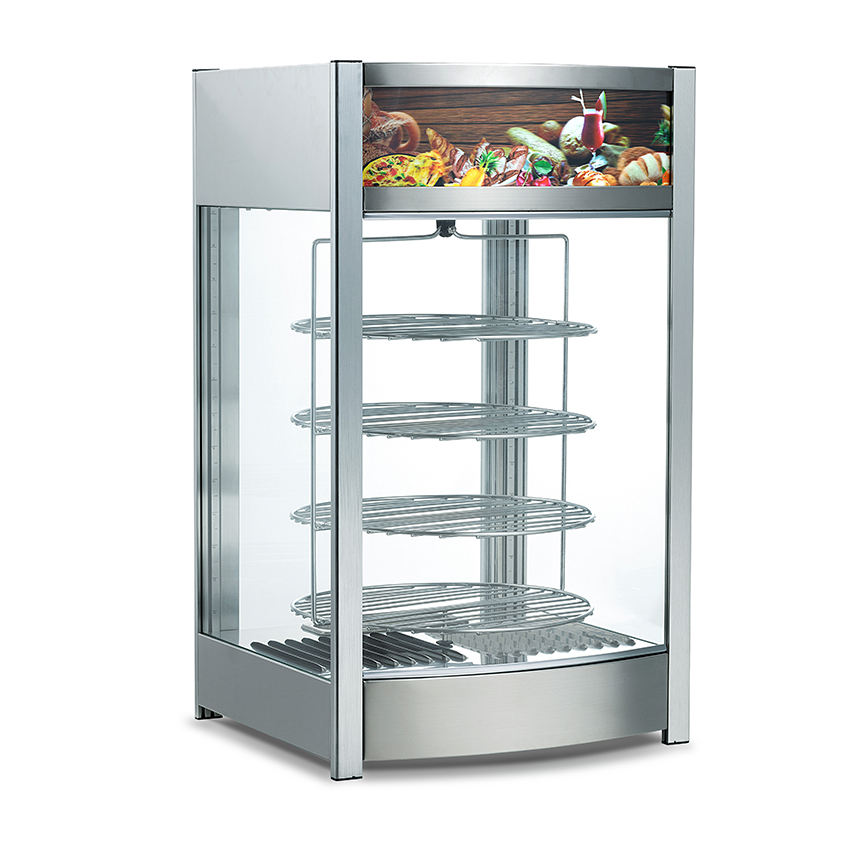
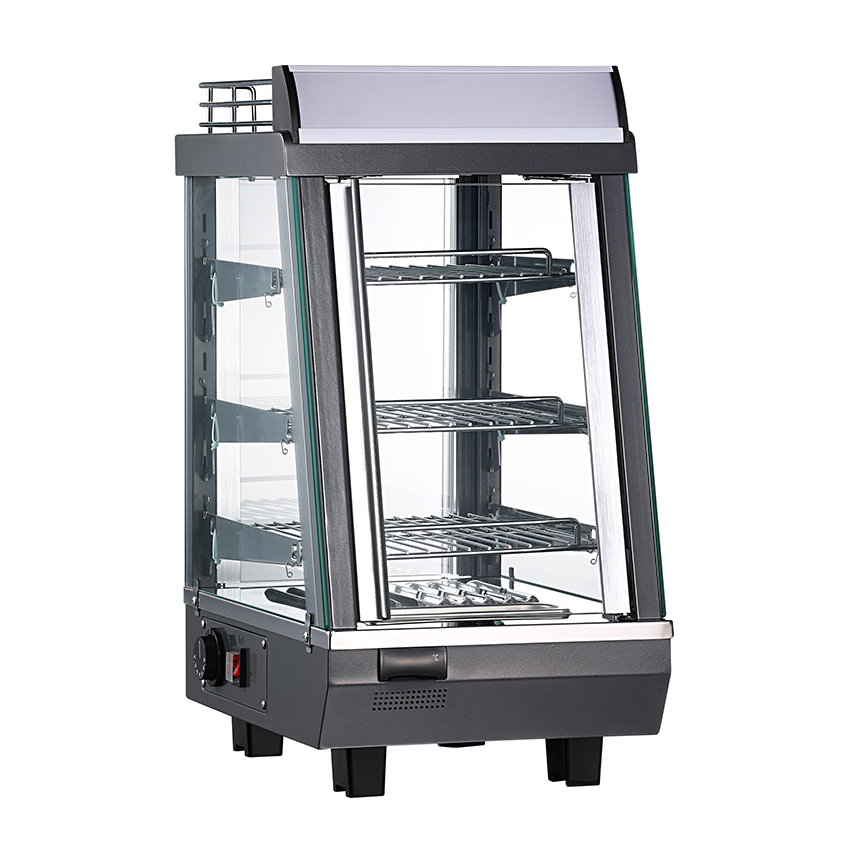
The multi-product thermal insulation display cabinet has various sizes, elegant appearance and unique design. It ad...



At 12:30 in the afternoon, a convenience store on a commuter route rings up fuel and soft drinks but very few food items. Across the street, the quick-service restaurant has a line out the door. The contrast is no longer a coincidence — it is a competitive gap.
Convenience store foodservice has become one of the fastest-moving categories in retail food. According to data cited by Paytronix, 72% of consumers now view c-store food as a viable alternative to quick-service restaurants. Made-to-order program tracking reported by H&S Energy shows hot meal purchases at convenience stores climbed from 29% in 2024 to 35% in 2025, with salads rising from 20% to 25% over the same period. The demand exists. The difference between capturing it and losing it often comes down to the foodservice equipment behind the counter.
Content
Across recent foodservice outlooks from CStore Decisions, InTouch Insight, and other industry trackers, six themes appear repeatedly. Together, they change how a store should lay out its counter, train its staff, and choose its equipment.
| Trend | What it means | Operational impact |
|---|---|---|
| Destination food | Customers plan visits around specific menu items | Visible hot holding near the register |
| From snacks to meals | Hot, made-to-order options replacing packaged snacks | Multi-SKU hot holding equipment |
| Third places | Stores become spaces to linger, not just refuel | Quiet, continuous-duty equipment |
| Global flavors | International menu items with familiar anchors | Labeled, well-lit display zones |
| Health and trust | Better-for-you options, visible prep, clean counters | Refrigerated displays for fresh grab-and-go |
| Digital and delivery | Order-ahead, pickup shelves, third-party delivery | Dedicated pickup and packaging areas |
For years, convenience store food was a last resort: a roller-grill hot dog or a sandwich that had been in the cooler too long. That perception has shifted. CStore Decisions now describes the movement as "destination food" replacing "desperation food." Customers deliberately choose a store because of a signature breakfast burrito, a house-made wrap, or a hot meal that tastes like it was actually cooked that morning.
The numbers support it. Hot meal purchases at convenience stores grew from 29% in 2024 to 35% in 2025, while salads rose from 20% to 25% over the same period. Breakfast is a primary driver: portable, protein-forward options served from a visible hot cabinet let a c-store compete with QSR drive-throughs on speed without sacrificing quality.
The equipment choice matters more than operators often realize. A table hot cabinet with precise temperature control keeps prepared items above the 60°C (140°F) safe-holding threshold while putting the food in the customer's sight line. Done well, this also cuts waste — table hot cabinets can reduce food waste by up to 30% — which protects a category that already runs on thin margins.
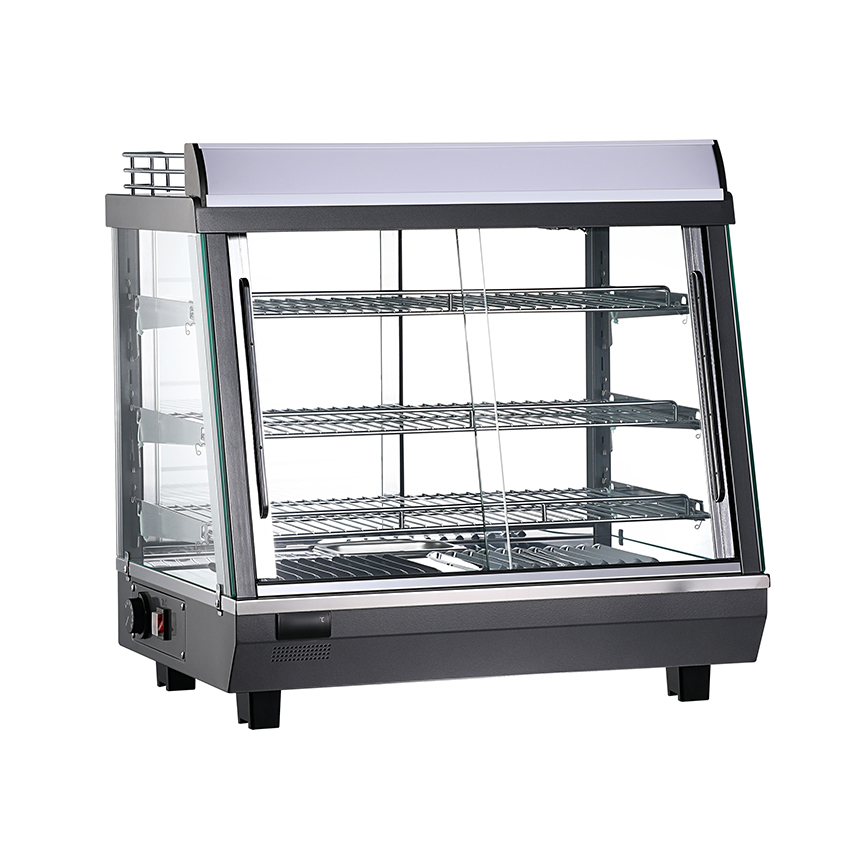 Custom Table hot cabinet Manufacturers, OEM Suppliers - Zhejiang Fuerj Electric As a China OEM/ODM Table hot cabinet manufacturers and Table hot cabinet suppliers, Zhejiang Fuerj professional custom Table hot cabinets...View Product →
The "third place" — a comfortable space between home and work — has traditionally belonged to coffee shops and bars. It is now arriving in convenience retail. Operators are adding seating, upgrading coffee programs, and extending dwell time with free Wi-Fi and better lighting. Every extra minute a customer stays is another chance to sell food.
Longer dwell times change equipment requirements. A refrigerated display that kicks on with a loud compressor every few minutes becomes a nuisance in a seating area. A hot cabinet running 24 hours must stay reliable without inflating energy bills. That is why more operators are specifying ultra-quiet refrigeration solutions designed for 24-hour convenience store operation for their grab-and-go zones.
Consumer palates have expanded well beyond the standard hot dog and taquito. Menu trend trackers see Korean gochujang, Japanese katsu, and Middle Eastern shawarma appearing on c-store menus. The winning formats usually anchor these bold flavors to familiar bases:
Limited-time offers keep the rotation moving and give customers a reason to visit more often. But menu variety puts pressure on display space. A counter that can show several hot options at once — and hold each at safe serving temperature — is the practical foundation for an LTO program.
Shoppers are more ingredient-conscious than they were a decade ago, and the data reflects it. Salads grew from 20% of c-store food purchases in 2024 to 25% in 2025 as part of a broader better-for-you push. InTouch Insight's 2026 Convenience Store Trends Report lists health, balance, and trust among the factors reshaping convenience retail.
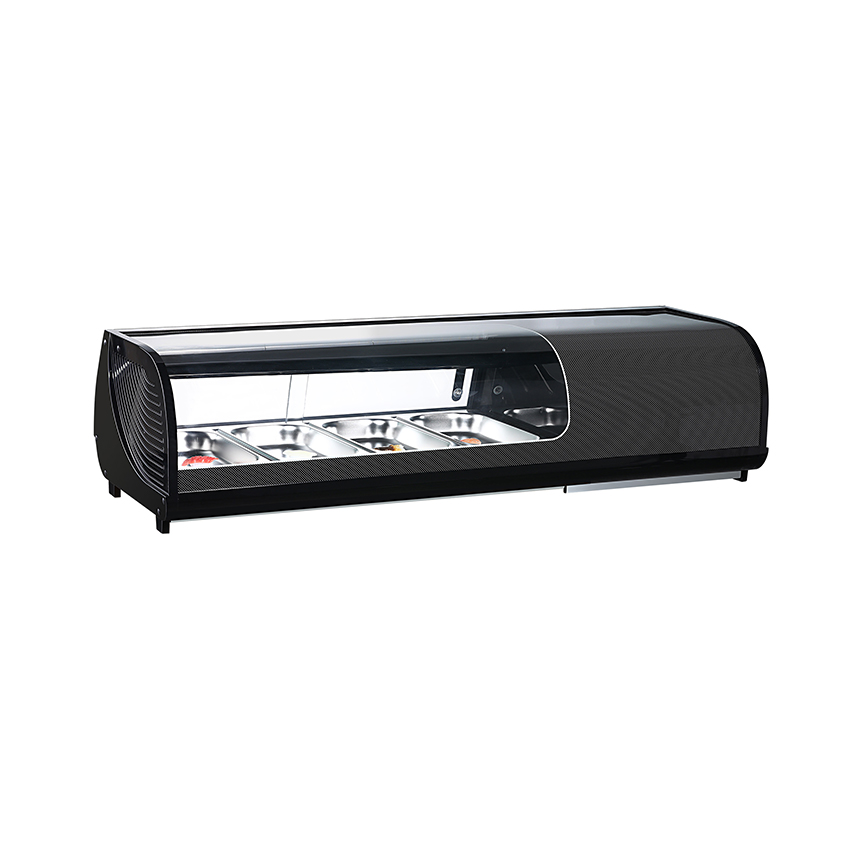
At the counter, this means fresh items must be visible — not hidden in a solid-door cooler. A low-noise tabletop refrigerated display cabinet keeps grab-and-go salads, sandwiches, and fruit cups at safe temperatures while making them look appetizing. Legible labels with calorie counts, allergens, and ingredient details build the trust that turns a one-time visitor into a regular.
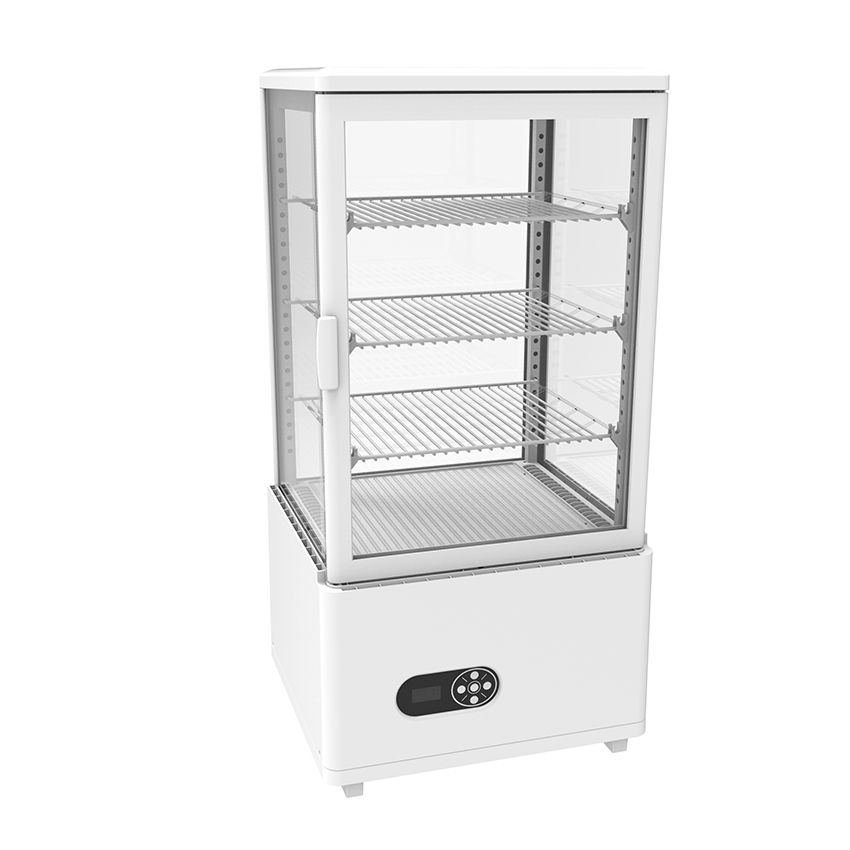 Custom Low noise tabletop refrigerated display cabinet Manufacturers, OEM SuppliAs a China OEM/ODM Low noise tabletop refrigerated display cabinet manufacturers and Low noise tabletop refrigerated display cabinet supp...View Product →
Every trend above lands on the same operational foundation: the equipment between the kitchen and the customer. A typical c-store foodservice counter needs three categories of equipment:
When comparing heated versus refrigerated display cabinets, operators should weigh menu mix, average dwell time, and energy costs. Many successful 2026 formats use both: a hot unit for entrees and a refrigerated unit for fresh items within the same sight line. A commercial insulated display cabinet can hold multiple hot SKUs at a consistent serving temperature, which reduces the need for frequent restocking and keeps the counter looking full.
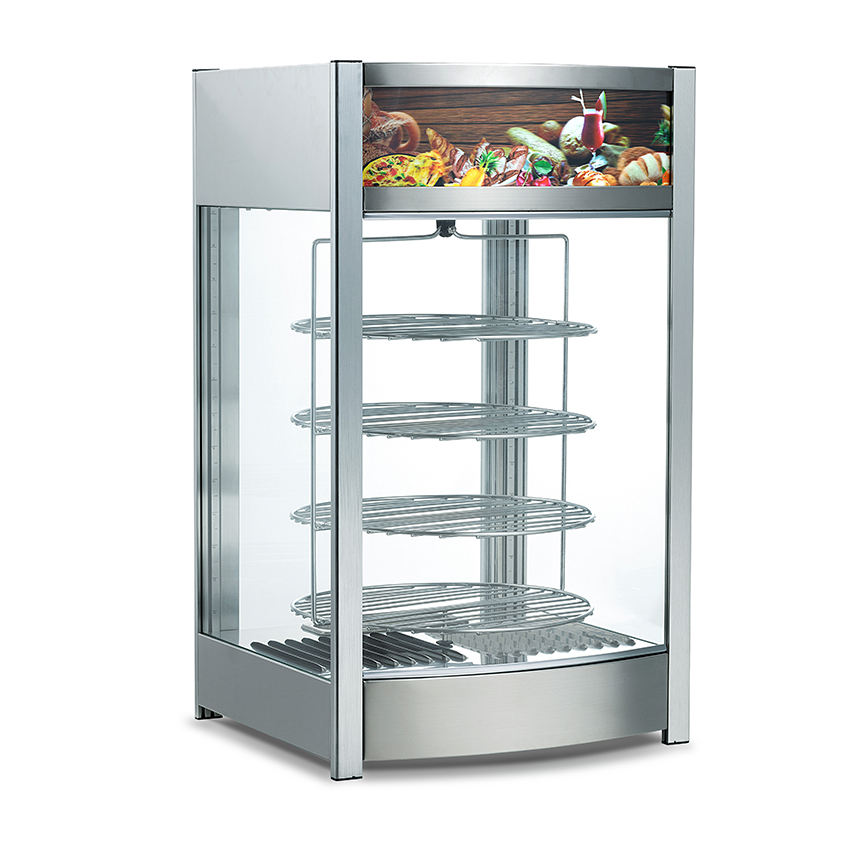 Custom Commercial insulated display cabinet Manufacturers, OEM Suppliers - ZhejiAs a China OEM/ODM Commercial insulated display cabinet manufacturers and Commercial insulated display cabinet suppliers, Zhejiang Fuerj ...View Product →
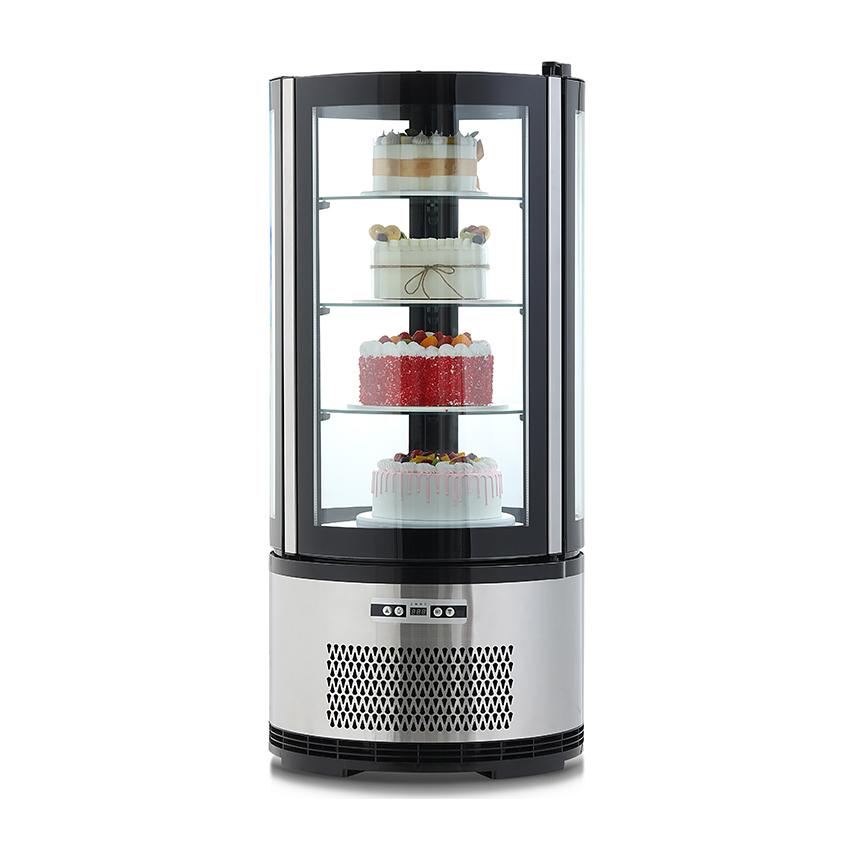
Equipment reliability determines whether a foodservice program grows or stalls. Zhejiang Fuerj Electric Science And Technology Co., Ltd., founded in 1997, has spent nearly three decades manufacturing electric heating and refrigeration products — including freezers, cake showcases, and hot display cabinets for commercial foodservice. The company's facility covers 110,000 square meters, with a construction area of 85,500 square meters. Its 650 employees, including 85 engineering and technical personnel, support an annual output of 750,000 sets of products.
Fuerj's products carry GS, CB, RoHS, UL, COC, and CCC certifications, covering safety, electromagnetic compatibility, and environmental requirements across multiple export markets. The company ships to more than 20 countries and regions in Europe, America, Asia, and Africa. With more than 160 employees holding college degrees or above and 35% of senior leadership holding college qualifications and professional titles, the company builds commercial refrigeration and heating equipment for operators who cannot afford downtime.
Hot food should be held at 60°C (140°F) or above to stay out of the bacterial danger zone. Check the temperature accuracy of any cabinet before purchasing.
Most food safety guidelines recommend 2 to 4 hours, depending on local regulations. After that, items should be discarded or reheated to the required internal temperature.
Visibility drives sales. A refrigerated display cabinet keeps products at safe temperatures while letting customers see and select them, which measurably increases impulse purchases.
Yes, when specified correctly. Look for continuous-duty compressors, quality insulation, and certifications such as GS, CB, RoHS, UL, COC, or CCC for your target market.
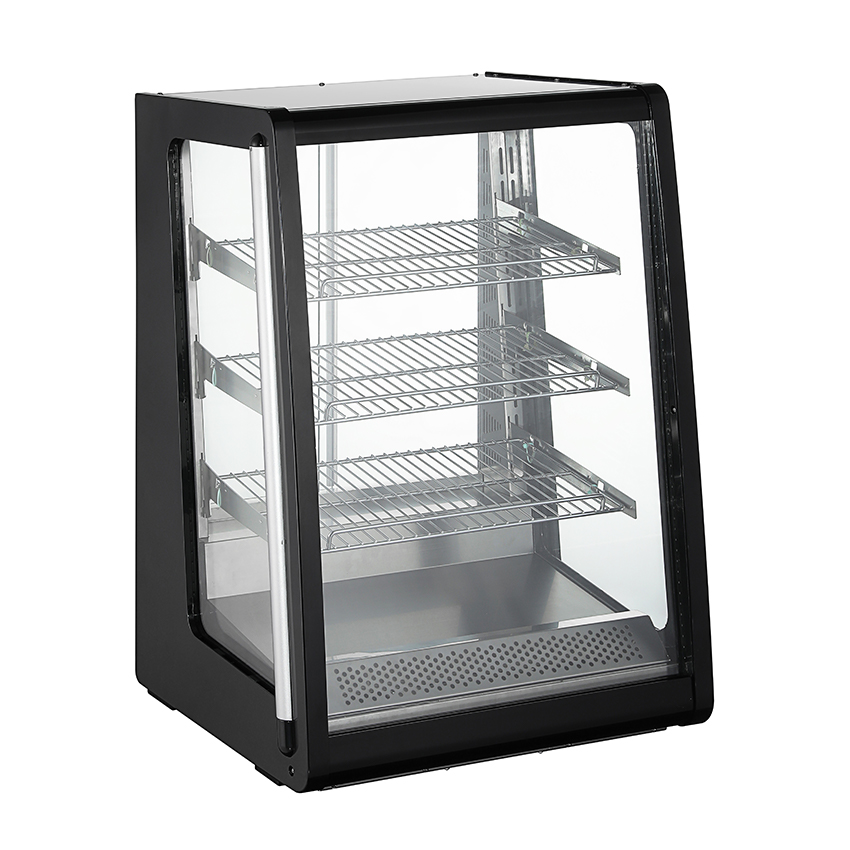

Copyright © Zhejiang Fuerj Electric Science And Technology Co., Ltd. Rights Reserved. Food Showcase Display Manufacturer Fireplace Factory
