 English
 русский
 Español
 Français
 عربى
عربى italiano
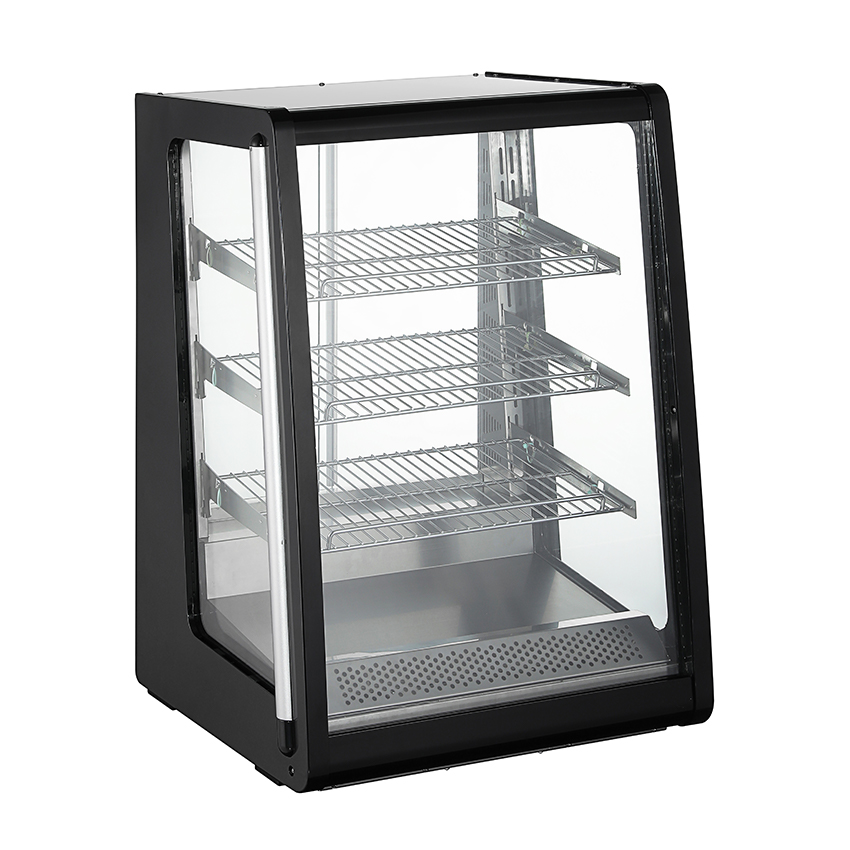
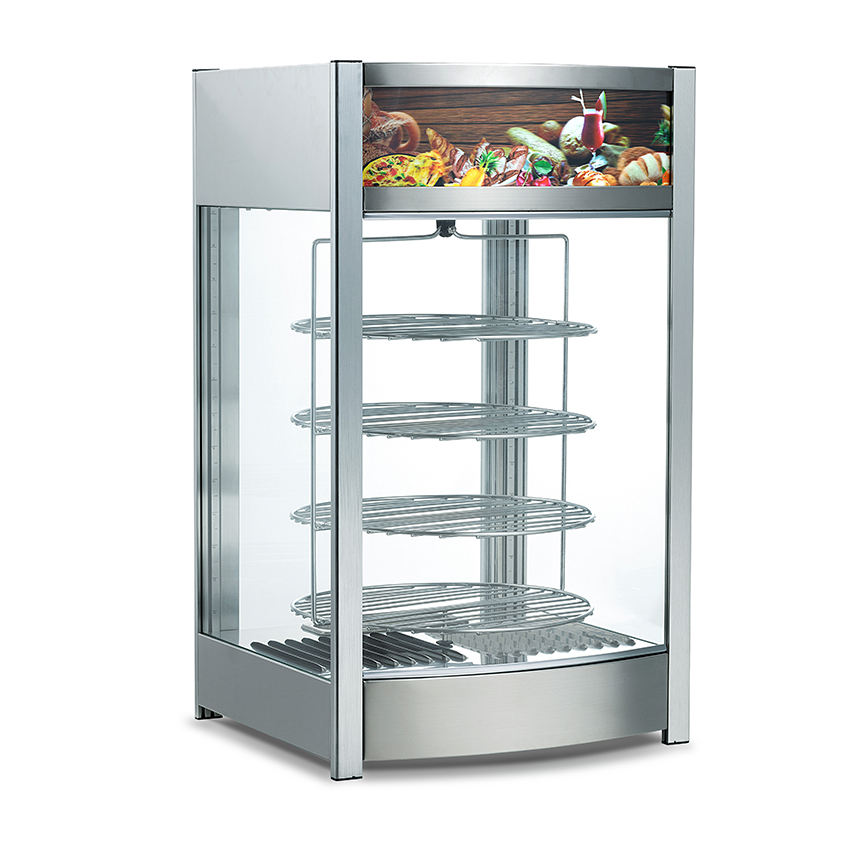
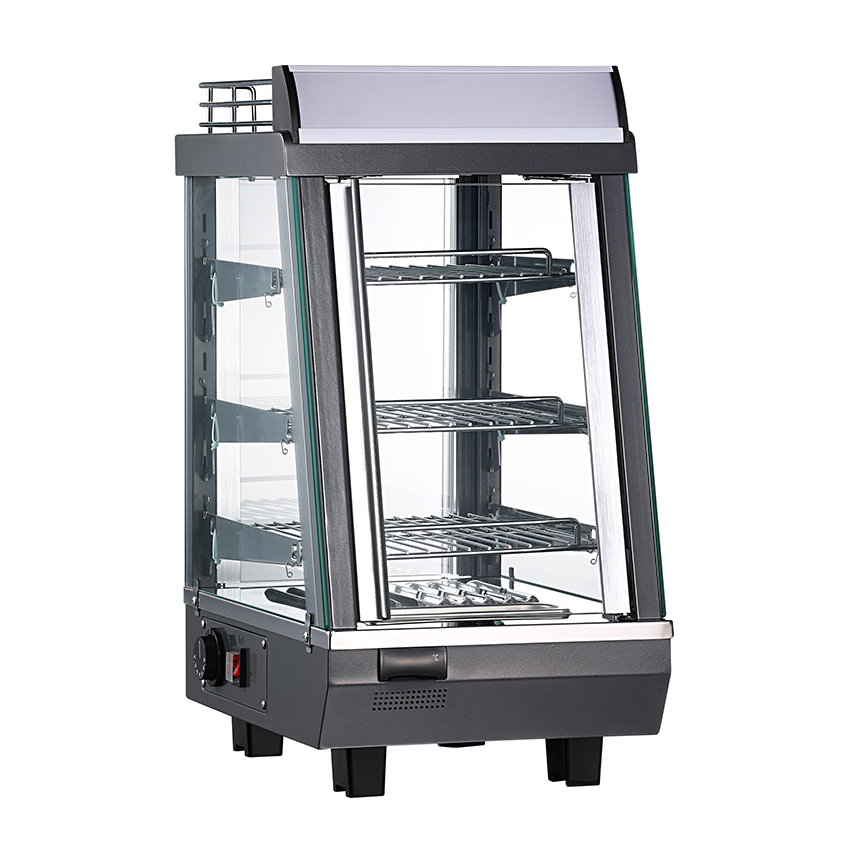
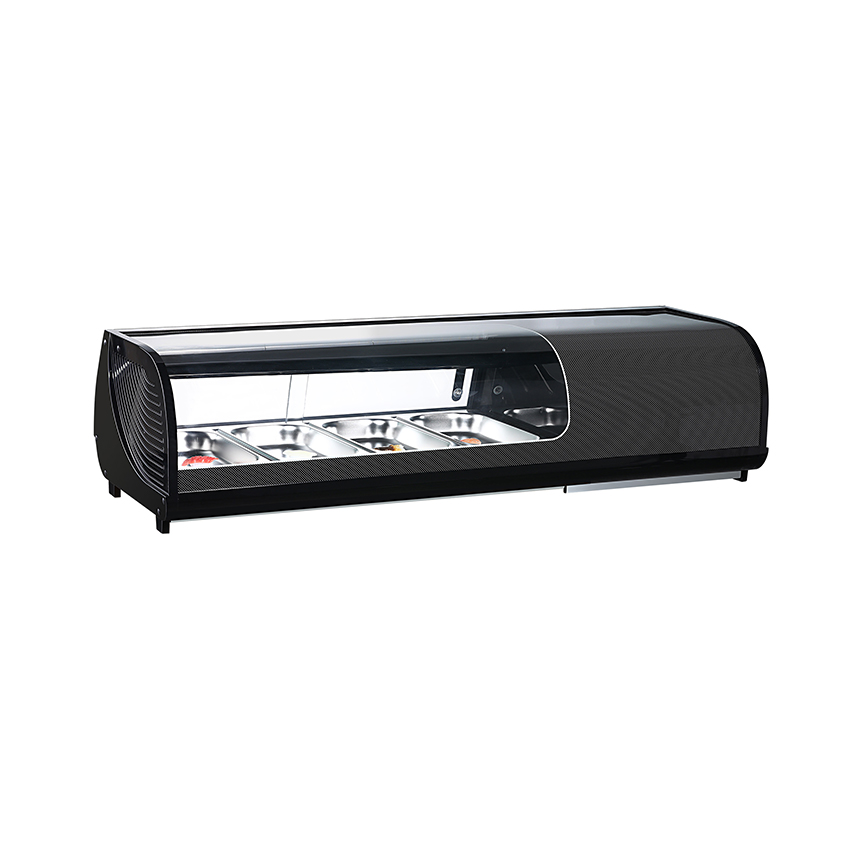
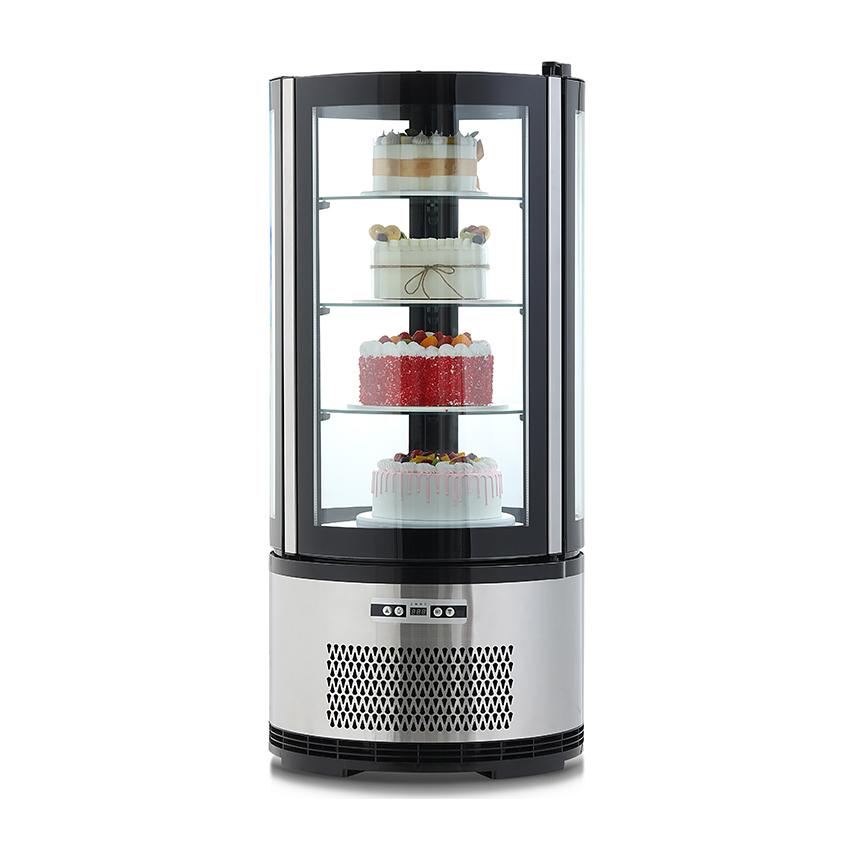
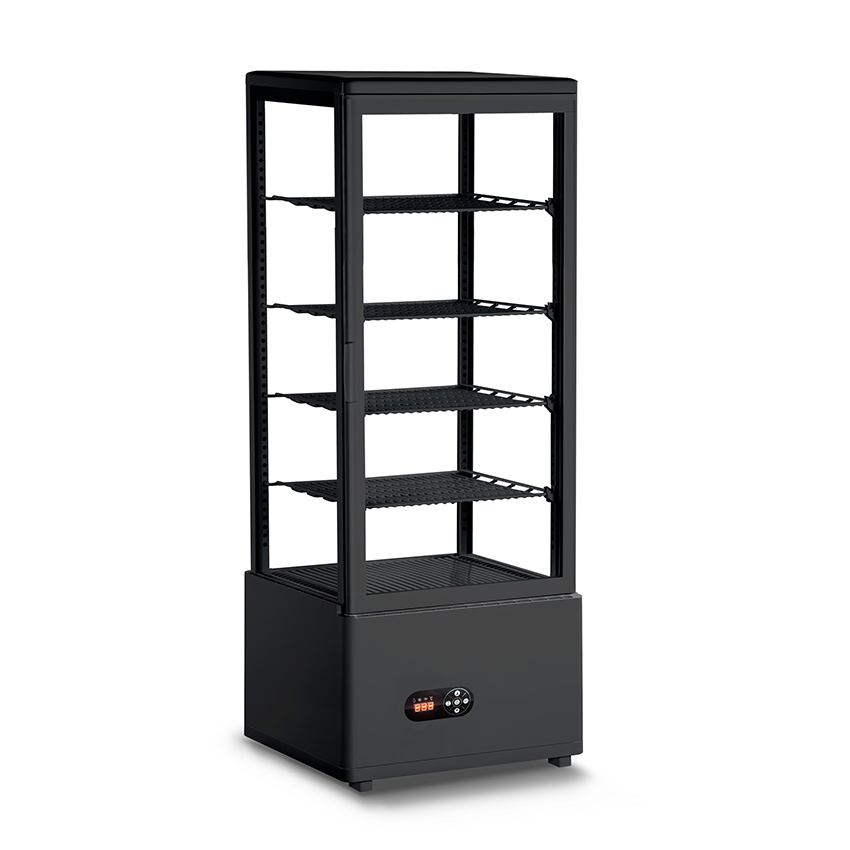
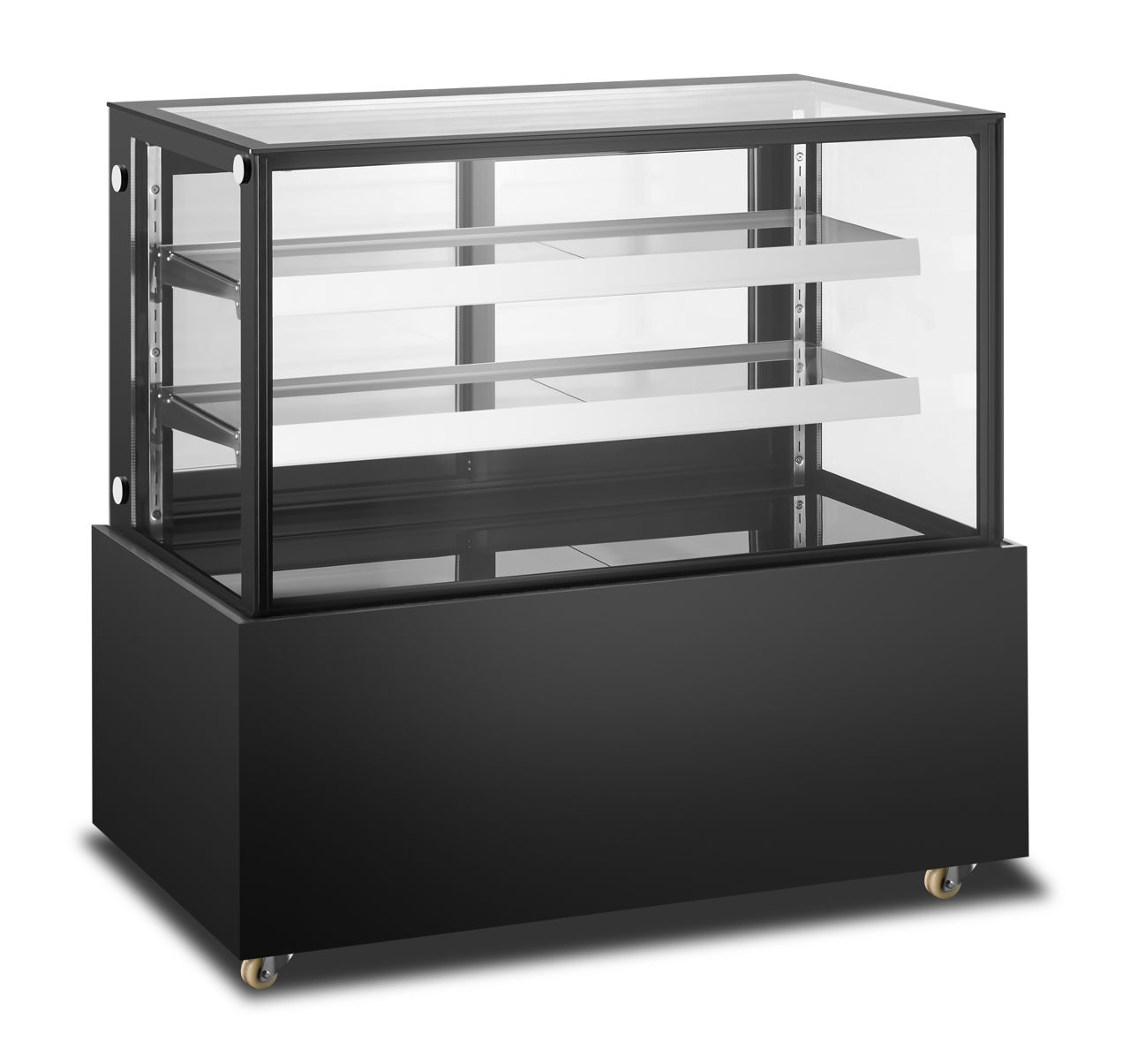
Multi-product thermal display cabinet
The multi-product thermal insulation display cabinet has various sizes, elegant appearance and unique design. It ad...



Content
Choosing a refrigeration showcase display for a bakery, supermarket, convenience store, or beverage outlet comes down to seven practical checkpoints: the cooling method, the temperature range the unit can hold, internal storage capacity, the build material and insulation quality, daily energy draw, the lighting and shelving layout, and the production background of the supplier providing the equipment. Reviewing these points before placing an order helps a buyer match the cabinet to the products it will hold and to the daily traffic passing the counter.
The sections below walk through each checkpoint with reference figures drawn from common commercial refrigeration specifications, along with comparison charts that make the differences between cooling types, sizes, and energy profiles easier to read at a glance.
A refrigeration showcase display is built in several formats, and each one serves a different counter layout and product mix. Matching the case format to the store layout before ordering reduces the chance of returning or swapping equipment later.
Compact units placed on top of an existing counter, suited to small cafes, coffee bars, and checkout areas with limited floor space.
Built into a service counter for chilled drinks, dairy, or prepared food that staff access from behind the bar.
Vertical cabinets with glass doors, commonly used for beverages, dairy, and packaged deli items in convenience stores.
Open front shelving used in supermarket aisles for produce, dairy, and packaged meat where shoppers pick items directly.
Curved or straight glass display built for pastries, cakes, and desserts, often with adjustable interior lighting to highlight the product.
Deep well or scoop cabinets holding sub zero temperatures for tub or scoop format frozen desserts.
Cooling method is one of the first decisions a buyer makes. Static cooling relies on natural convection around cold evaporator plates, while fan assisted cooling pushes air through the cabinet with a blower, spreading cold air more evenly across every shelf.
Static cooling keeps humidity closer to the product, which suits bakery items, cakes, and soft cheese that dry out under strong airflow. It also runs quieter and has fewer moving parts to maintain over the life of the unit.
Fan assisted cooling reaches a stable temperature faster after the door opens, holds a tighter range from top shelf to bottom shelf, and recovers quicker during busy service periods, which matters for beverage and dairy cases with frequent door openings.
Comparison of fan assisted cooling and static cooling across five operating factors, based on typical commercial refrigeration specifications.
| General operating differences between static and fan assisted refrigeration showcase display cabinets | ||
| Factor | Static Cooling | Fan Assisted Cooling |
| Temperature Spread Top to Bottom | Wider | Narrower |
| Humidity Retention | Higher | Lower |
| Noise Level | Quieter | Slightly Audible |
| Recovery After Door Opening | Slower | Faster |
| Suited Product Type | Bakery, Cheese, Cakes | Beverages, Dairy, Deli |
Most chilled display cases are set to hold between 2 and 8 degrees Celsius, while frozen display cases hold at or below negative 18 degrees Celsius. Staying within this range protects product quality and reduces spoilage related waste over the course of a trading day.
The chart below illustrates a typical 24 hour temperature pattern for a chilled case under fan assisted cooling compared with static cooling, based on common commercial refrigeration testing patterns. Fan assisted cooling holds a narrower band around the target temperature, while static cooling shows wider swings tied to door openings and ambient conditions around the case.
Illustrative 24 hour temperature pattern for a chilled refrigeration showcase display, fan assisted cooling versus static cooling.
A narrower temperature band also reduces frost buildup on evaporator coils, which in turn keeps airflow consistent and lowers the frequency of manual defrost cycles.
Daily electricity draw scales with cabinet size, door type, and insulation thickness. A closed door upright case typically draws less power than an open multi deck case of a similar footprint, since open cases lose more cold air to the surrounding room air.
Approximate average daily energy draw by case format, based on common commercial refrigeration specifications.
Several design choices reduce daily energy draw without changing the cabinet footprint:
Internal capacity should track expected daily turnover rather than the largest unit that fits the available floor space. An oversized case with unused shelving wastes energy cooling empty air, while an undersized case leads to overstocking and blocked airflow around the products.
Typical internal storage capacity by case category, measured in liters.
| Reference capacity and typical setting by case category | ||
| Case Category | Typical Capacity | Common Setting |
| Countertop Case | Around 120 liters | Cafe counters, checkout areas |
| Under Counter Case | Around 280 liters | Bar service, prepared food counters |
| Upright Case | Around 550 liters | Convenience store aisles |
| Multi Deck Open Case | Around 950 liters | Supermarket produce and dairy aisles |
Cabinet body material affects how a case handles daily cleaning, moisture exposure, and years of continuous compressor cycling. Buyers reviewing a refrigerated display cabinet manufacturer catalogue should look closely at the interior liner, exterior panel, and glass specification rather than the exterior color alone.
Lighting and shelving directly affect how well products are seen from the aisle, which in turn influences shelf edge purchasing decisions.
Mounted along the canopy or side rails, LED strips run cooler than older tube lighting and reduce heat load inside the cabinet.
Height adjustable shelves let a store reconfigure the case for seasonal products or different packaging sizes.
Curved glass fronts are common on bakery showcases for a wraparound view, while straight glass suits beverage and deli cases where shelf depth matters more.
Back panel finishes add depth to the display and can be matched to a store brand color scheme.
Routine maintenance keeps a refrigeration showcase display running at its rated efficiency and lowers the chance of an unplanned breakdown during trading hours.
| Suggested maintenance schedule for commercial refrigerated display cabinets | |
| Task | Suggested Frequency |
| Wipe interior shelves and glass | Daily |
| Check door seals and gaskets | Weekly |
| Clean condenser coils and fan blades | Monthly |
| Inspect drain lines for blockage | Monthly |
| Full interior deep clean and defrost check | Quarterly |
A blocked condenser coil is one of the more common causes of rising energy draw and inconsistent temperature, since dust and grease buildup restricts airflow across the coil fins.
Service life depends on build quality, daily usage pattern, and how consistently maintenance tasks are followed. The figures below reflect general expectations for commercial units under normal retail conditions.
Typical service life for a well maintained upright or multi deck case
Common compressor lifespan before rebuild or replacement
Typical interval for gasket and door seal replacement
Recommended interval for a full condenser coil deep clean in dusty environments
Retail chains, bakery groups, and beverage brands often need cabinets that match a specific counter footprint or brand color palette rather than a standard catalogue size. Working with a custom refrigerated display showcase program allows a buyer to adjust cabinet width, shelf configuration, glass shape, and panel finish to fit an existing store layout.
Cabinets built under a buyer own brand name and packaging specification, suited to chains expanding across multiple store locations.
Bulk orders for distributors and regional dealers who resupply independent stores across a territory.
Technical drawings, voltage configuration, and shipping crate planning handled ahead of container loading.
A buyer planning a multi store rollout typically shares floor plan drawings, target temperature range, and expected daily traffic with the supplier early in the process, which shortens the sampling and approval stage before a full production run begins.
Zhejiang Fuerj Electric Science And Technology Co., Ltd. has operated as a refrigeration equipment manufacturer since 1997, producing electric heating products alongside refrigeration lines that include freezers and cake showcases. The production site covers 110,000 square meters with a construction area of 85,500 square meters, giving the factory room for parallel production lines across different cabinet formats.
The workforce includes 650 employees, among them 85 engineering and technical staff and more than 160 employees holding a college degree or above. This structure supports steady product development alongside daily production output, which currently reaches around 750,000 sets of various products per year across the company product range. Buyers comparing a commercial display refrigerator manufacturer against smaller regional workshops often look at consistency across production batches, sample turnaround, and after sale technical support.
As a refrigerated display showcase manufacturer and ice cream freezer factory, the company ships to more than 20 countries and regions across Europe, America, Asia, and Africa, working with distributors and retail groups as a long standing refrigerated display exporter. Buyers researching a refrigerated display cabinet manufacturer for a new store rollout or an existing supply chain gap can review production capacity, sample lead time, and shipping documentation directly with the factory team before placing an order.
| Company production overview for Zhejiang Fuerj Electric Science And Technology Co., Ltd. | |
| Category | Figure |
| Year Established | 1997 |
| Site Area | 110,000 square meters |
| Construction Area | 85,500 square meters |
| Total Employees | 650 |
| Engineering and Technical Staff | 85 |
| Annual Output | 750,000 sets |
| Export Reach | 20 plus countries and regions |
It is a commercial cabinet built to hold chilled or frozen products at a set temperature while keeping them visible to shoppers through glass panels or an open front.
Chilled cases are commonly set between 2 and 8 degrees Celsius, while frozen cases hold at or below negative 18 degrees Celsius depending on the product category.
Daily draw depends on cabinet size and door type, ranging from around 3 kilowatt hours for a small countertop case to well above 14 kilowatt hours for a large open multi deck case.
Static cooling uses natural convection and suits humidity sensitive products, while fan assisted cooling circulates air for a tighter temperature range and faster recovery after door openings.
Interior surfaces and glass benefit from daily wiping, while condenser coils and drain lines should be checked on a monthly basis to keep airflow consistent.
A well maintained unit commonly reaches 10 to 12 years of service, though compressor and gasket components may need attention sooner depending on daily usage.
Yes, cabinet width, shelf layout, glass shape, panel finish, and branding can typically be adjusted through an OEM or custom order program.
Production capacity, sample lead time, export experience, and after sale technical support are practical points to review alongside the cabinet specification sheet.

Copyright © Zhejiang Fuerj Electric Science And Technology Co., Ltd. Rights Reserved. Food Showcase Display Manufacturer Fireplace Factory
