 English
 русский
 Español
 Français
 عربى
عربى italiano
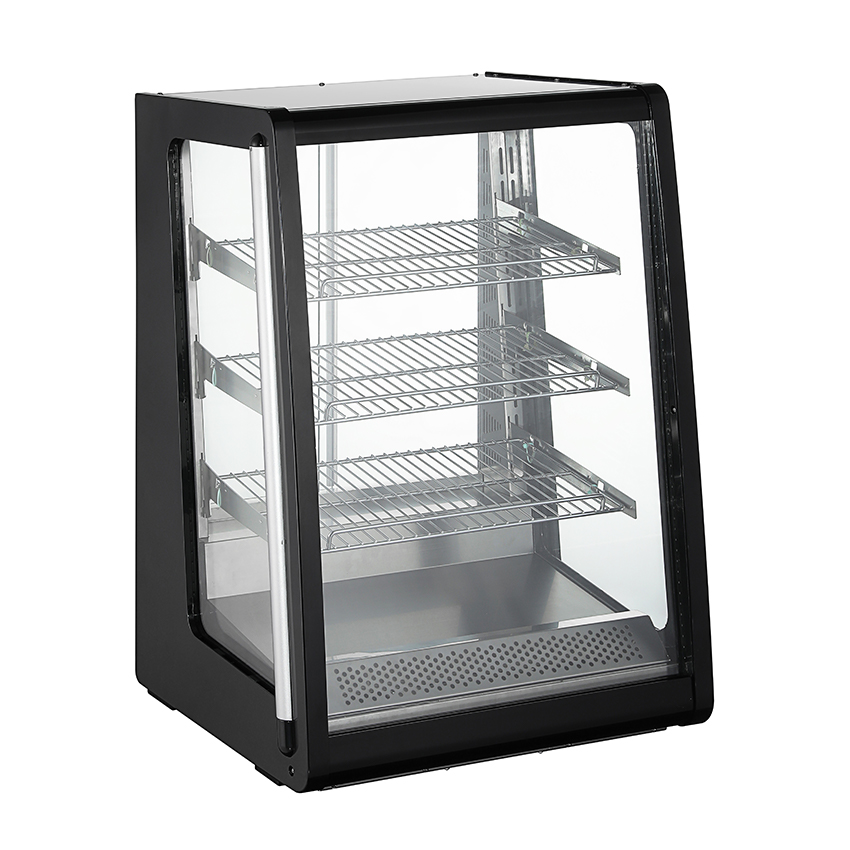
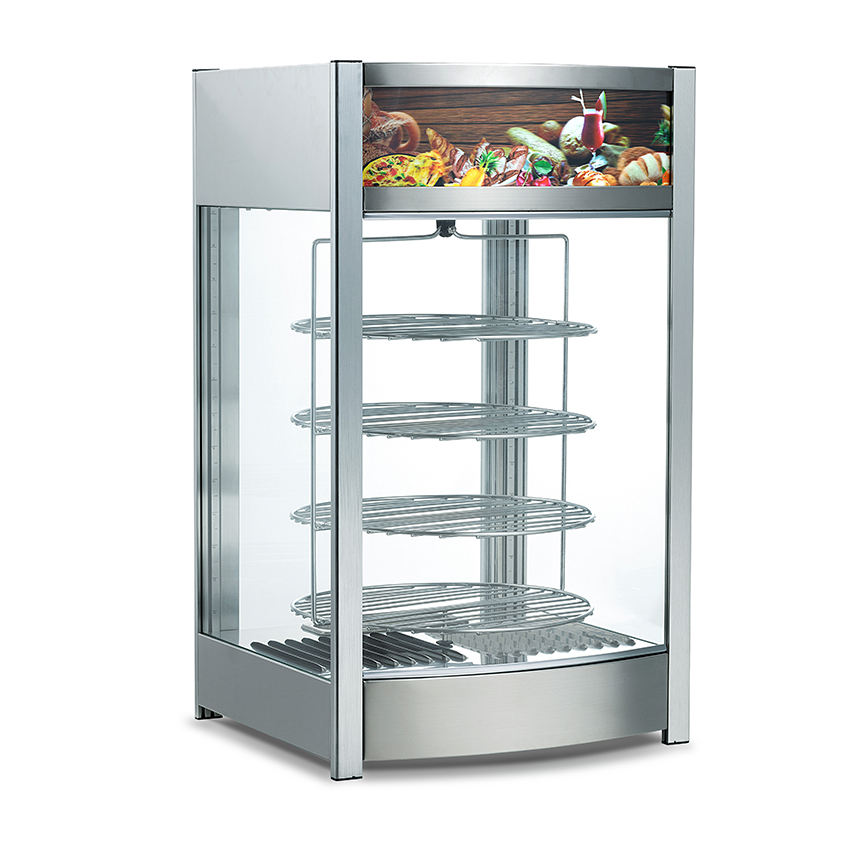
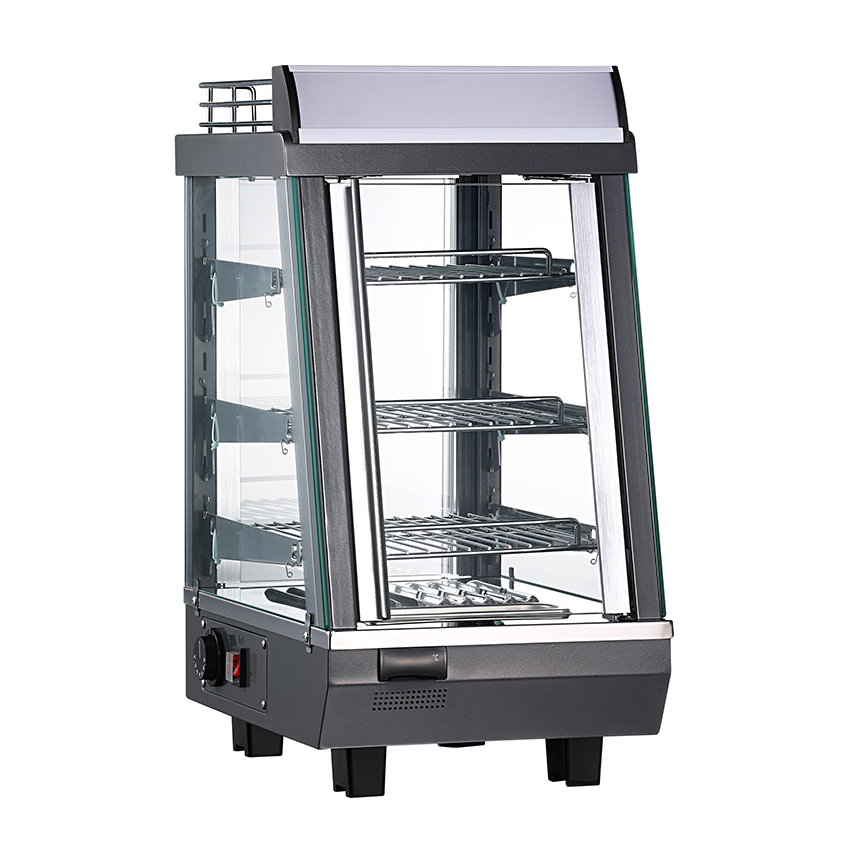
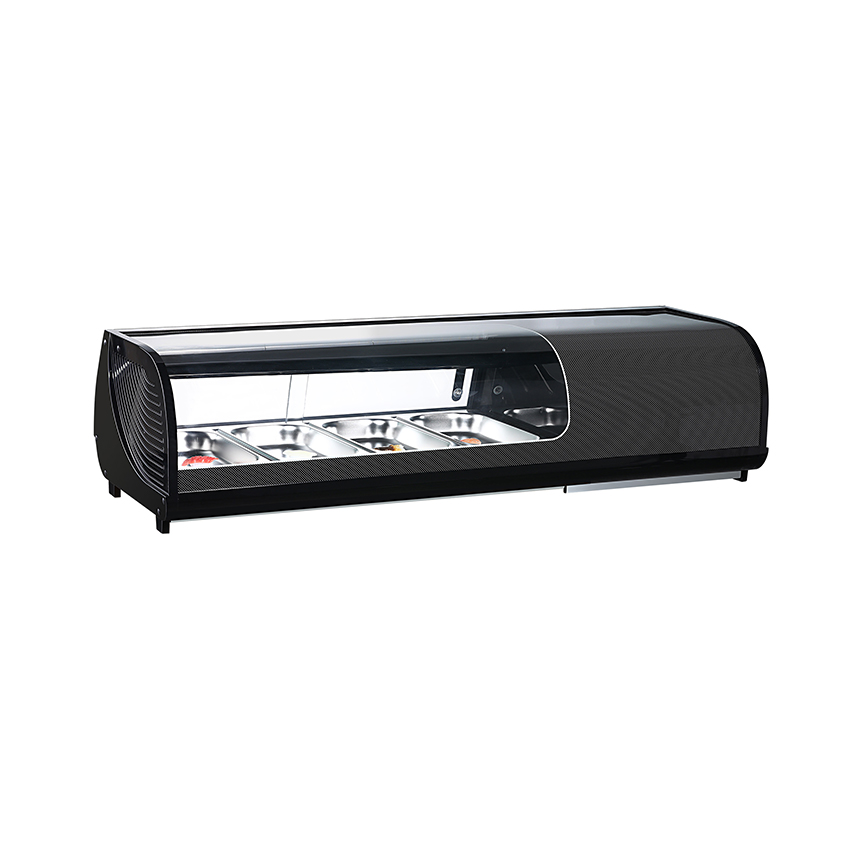
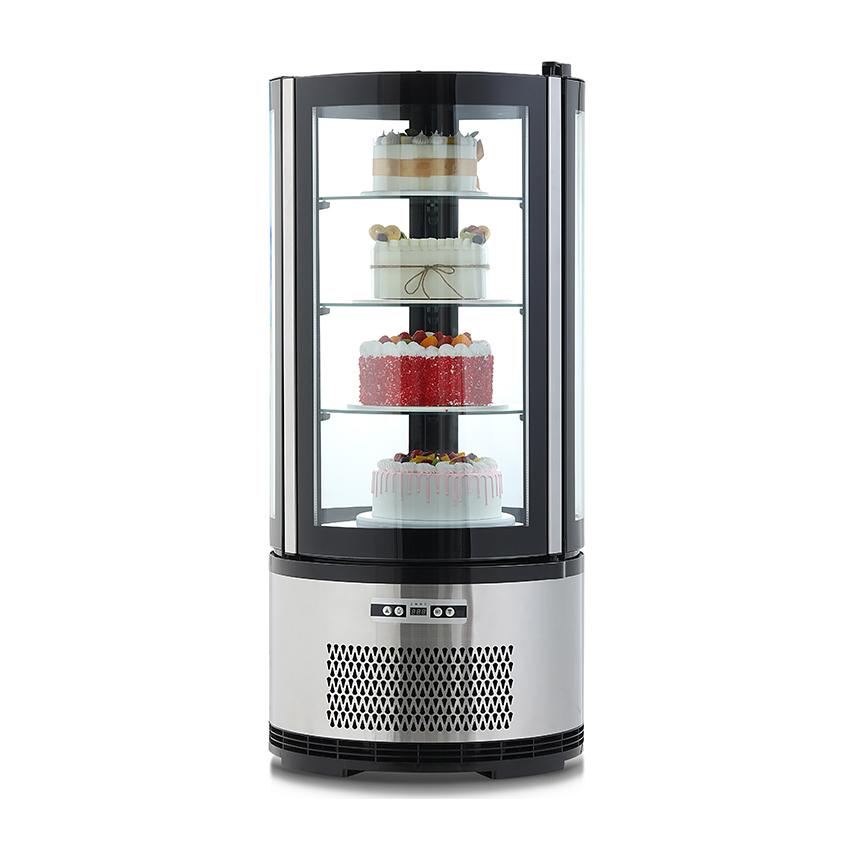
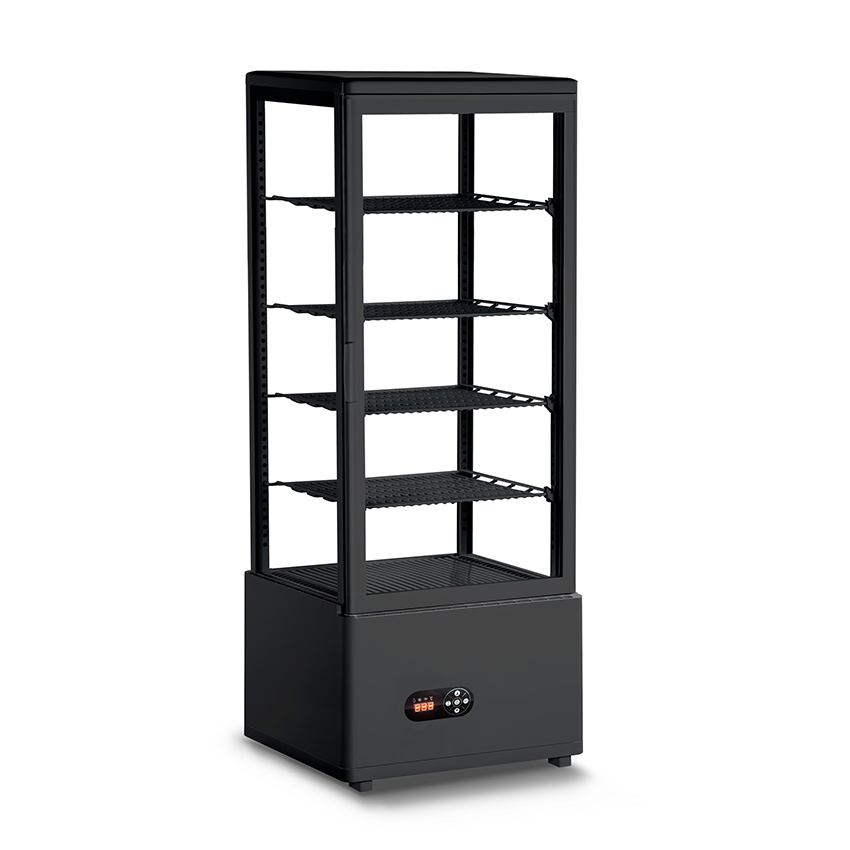
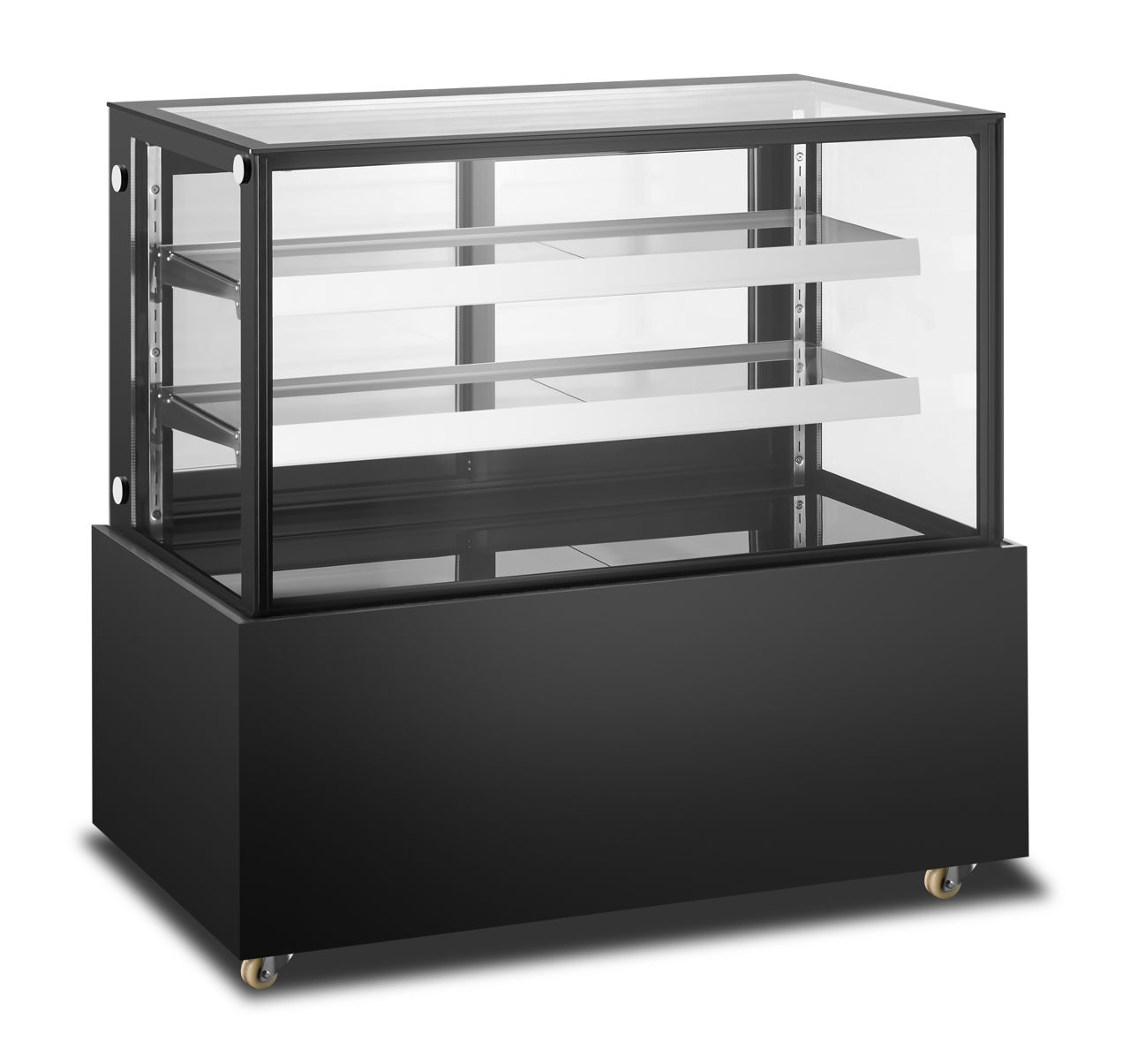
Multi-product thermal display cabinet
The multi-product thermal insulation display cabinet has various sizes, elegant appearance and unique design. It ad...



Content
Glass cake display cabinets are popular among bakeries because they solve three critical business problems at once: they showcase products visually to trigger impulse purchases, maintain the temperature and humidity conditions that keep cakes fresh, and project a professional image that builds customer trust. Research in retail food environments consistently shows that visible, well-lit product displays increase unplanned purchases by 20–30% compared to enclosed or non-transparent storage. For a bakery where margins depend on high product turnover and minimal waste, the right cake display cabinet is one of the highest-return investments an operator can make.
The fundamental commercial logic of a glass cake display cabinet is rooted in visual merchandising psychology. Cakes, pastries, and desserts are highly visual products — their color, texture, layering, and decoration are the primary purchase triggers. When products are hidden from view, that trigger is removed entirely.
Modern glass cake display cabinets incorporate LED interior lighting specifically tuned to enhance the appearance of food products. Warm-white LEDs in the 2,700–3,000K color temperature range make cream, frosting, and fruit toppings appear more vibrant and appetizing. Studies on food retail lighting show that products displayed under optimized LED lighting are perceived as 15–25% more appealing than the same products under ambient store lighting alone. The combination of transparent glass panels and internal illumination creates a focal point that draws customer attention from across the shop floor.
Quality cake display cabinets use angled or tiered shelving that positions every product at an optimal viewing angle. This means customers can see the full range of offerings in a single glance without having to lean over, crouch, or ask staff to retrieve items for inspection. The ability to see all available options simultaneously has been shown to increase average transaction value — customers who can visually compare options are more likely to add a second item to their purchase.
Beyond aesthetics, the practical food science function of a refrigerated glass cake display cabinet is critical for bakery profitability. Cream-filled cakes, mousse desserts, fresh fruit tarts, and cheesecakes are highly perishable — their quality degrades rapidly outside the correct temperature range.
| Product Type | Optimal Display Temp | Max Safe Display Time | Risk if Temperature Exceeded |
|---|---|---|---|
| Fresh cream cakes | 2–4°C (36–39°F) | Same day | Bacterial growth, cream collapse |
| Cheesecakes | 2–5°C (36–41°F) | 2–3 days | Texture breakdown, off-flavors |
| Mousse desserts | 2–4°C (36–39°F) | 1–2 days | Structure collapse, separation |
| Fresh fruit tarts | 4–6°C (39–43°F) | Same day | Fruit oxidation, soggy pastry |
| Buttercream layer cakes | 6–10°C (43–50°F) | 2–4 days | Buttercream softening, shape loss |
| Dry pastries / croissants | Ambient (18–22°C) | Same day | Sogginess if refrigerated |
A refrigerated glass cake display cabinet that maintains a stable temperature within the correct range directly reduces product waste — one of the most significant cost factors in bakery operations. Bakeries that upgrade from open or ambient display to refrigerated glass cabinets typically report 15–25% reductions in daily waste on temperature-sensitive products.
Food safety regulations in most jurisdictions require that perishable food products displayed for sale be protected from contamination, maintained at safe temperatures, and shielded from customer contact. A glass cake display cabinet fulfills all of these requirements simultaneously.
Not all cake display cabinets serve the same purpose. Choosing the right type for your bakery's product mix and floor plan is essential for maximizing both function and return on investment.
Compact units designed to sit on a service counter or display surface. Typical dimensions range from 60–120 cm wide with capacities of 3–6 shelves. Ideal for smaller bakeries, café counters, and hotel lobby displays where floor space is limited. Available in both refrigerated and ambient (non-refrigerated) versions — ambient countertop cabinets are suited to dry pastries and macarons; refrigerated versions are required for cream or custard products.
Full-height units (typically 150–200 cm tall) with multiple shelves and large glass viewing panels on three sides. Best suited to medium and large bakeries where a wide product range needs to be displayed simultaneously. Many models offer curved front glass panels for enhanced visual appeal and improved viewing angles. Refrigerated upright cabinets typically maintain 2–8°C and use forced-air or static cooling depending on the product mix.
Freestanding island cabinets offer 360-degree viewing from all sides and are designed for central placement in a bakery floor area. Rotating carousel-style display cabinets add movement that draws customer attention — studies on retail point-of-sale displays show that moving displays generate up to 30% more customer engagement than static displays of equivalent size. These formats are most effective for premium bakeries and patisseries where visual theater is part of the brand experience.
For bakery operators, the running cost of a refrigerated glass cake display cabinet is an ongoing operational expense that must be factored into the purchasing decision. Modern cabinets have improved significantly in energy efficiency over older designs.
The choice of cake display cabinet communicates directly to customers about the quality positioning of a bakery. A beautifully lit, well-organized glass display cabinet signals investment in product quality and professionalism. Conversely, an outdated, poorly maintained display unit — regardless of how good the products inside are — undermines customer confidence and perceived value.
Premium patisseries and artisan bakeries typically invest in curved-glass or custom-framed display cabinets with brushed steel or brass accents that align with their brand aesthetic. These units cost $3,000–$15,000 or more but contribute directly to the premium pricing power of the brand — customers who perceive higher quality are willing to pay 15–40% more for the same product compared to the same item displayed in a basic or visually unappealing cabinet.
The display cabinet is also a practical communication tool: clear labeling of product names, ingredients, allergen information, and prices displayed at eye level within or on the cabinet surface reduces staff time answering routine customer questions and complies with food labeling regulations in most markets.
The correct temperature depends on the products being displayed. For most fresh cream cakes, mousse desserts, and cheesecakes, a cabinet temperature of 2–4°C (36–39°F) is recommended. Buttercream and fondant cakes can be displayed at slightly higher temperatures of 6–10°C (43–50°F) without compromising food safety, and this avoids the condensation on decorations that can occur at lower temperatures. The cabinet's thermostat should be checked with an independent thermometer at least weekly, as built-in temperature displays can drift from actual cabinet temperature over time.
Glass panels should be wiped down with a food-safe glass cleaner at least once daily — fingerprints, breath condensation, and product splatter accumulate quickly and significantly reduce the display impact of even the most beautiful products. The interior shelves, walls, and drip trays require a thorough clean with a food-safe sanitizing solution at least once per week, or more frequently if any spillage occurs. The condenser coil and ventilation grilles should be cleaned with compressed air or a soft brush every 3 months to maintain refrigeration efficiency — a blocked condenser can increase energy consumption by 15–20% and shorten compressor life significantly.
A serve-over cabinet has a hinged or sliding rear door accessible only by staff — customers view products through the front glass panels but cannot access the interior directly. This design is standard in most bakeries and patisseries where staff plate and serve products to order. A self-serve cabinet has customer-accessible doors on the front, allowing customers to select and retrieve their own products. Self-serve designs are common in café and canteen environments where speed of service is prioritized. For premium bakery products requiring careful handling, serve-over cabinets are strongly preferred — they prevent product damage from customer handling and maintain better hygiene control.
Prices vary widely based on size, specification, and brand. Entry-level countertop ambient display cabinets start from $200–$500. Mid-range refrigerated countertop units (60–90 cm wide) typically cost $800–$2,000. Full-height refrigerated upright cabinets (120–150 cm wide) range from $2,000–$6,000 for commercial-grade units from reputable manufacturers. Premium curved-glass or bespoke patisserie display cabinets from European manufacturers can reach $8,000–$20,000. When evaluating cost, factor in energy consumption, warranty length (typically 1–3 years on commercial units), and the availability of spare parts and service support in your region.
Yes — glass cake display cabinets are widely used beyond bakeries for any product that benefits from attractive, illuminated, temperature-controlled presentation. Common alternative applications include chocolate and confectionery retail, deli counters displaying charcuterie and cheese, jewelry and luxury goods retail (ambient versions), hotel lobby displays of branded amenities, and catering buffet setups. The key is matching the cabinet type (refrigerated vs. ambient) and temperature range to the specific product being displayed. A cabinet designed for cream cakes at 2–4°C is not suitable for displaying chocolate, which blooms and loses gloss at temperatures below 15°C (59°F).
The most important factors to evaluate are: temperature range and stability (verify it can hold the temperature required for your product mix consistently, not just on average); interior capacity and shelf configuration (adjustable shelves accommodate different cake heights and formats); glass quality (double-glazed, low-E coated glass for energy efficiency and condensation prevention); lighting type and color temperature (LED, 2,700–3,000K for food display); ease of cleaning (removable shelves, sealed interior joints, accessible drip tray); compressor noise level (important in customer-facing environments — look for units rated below 45 dB); and after-sales service availability in your area. Buying from a brand with local service engineers and readily available spare parts is as important as the initial product specification for a piece of equipment you will rely on every trading day.

Copyright © Zhejiang Fuerj Electric Science And Technology Co., Ltd. Rights Reserved. Food Showcase Display Manufacturer Fireplace Factory
