 English
 русский
 Español
 Français
 عربى
عربى italiano
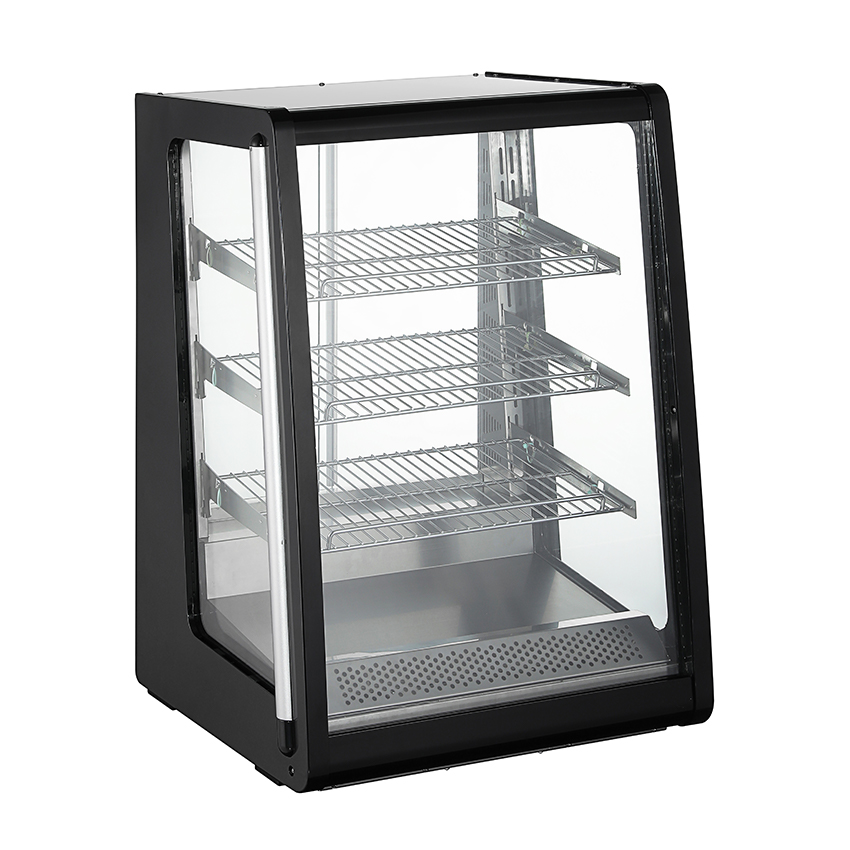
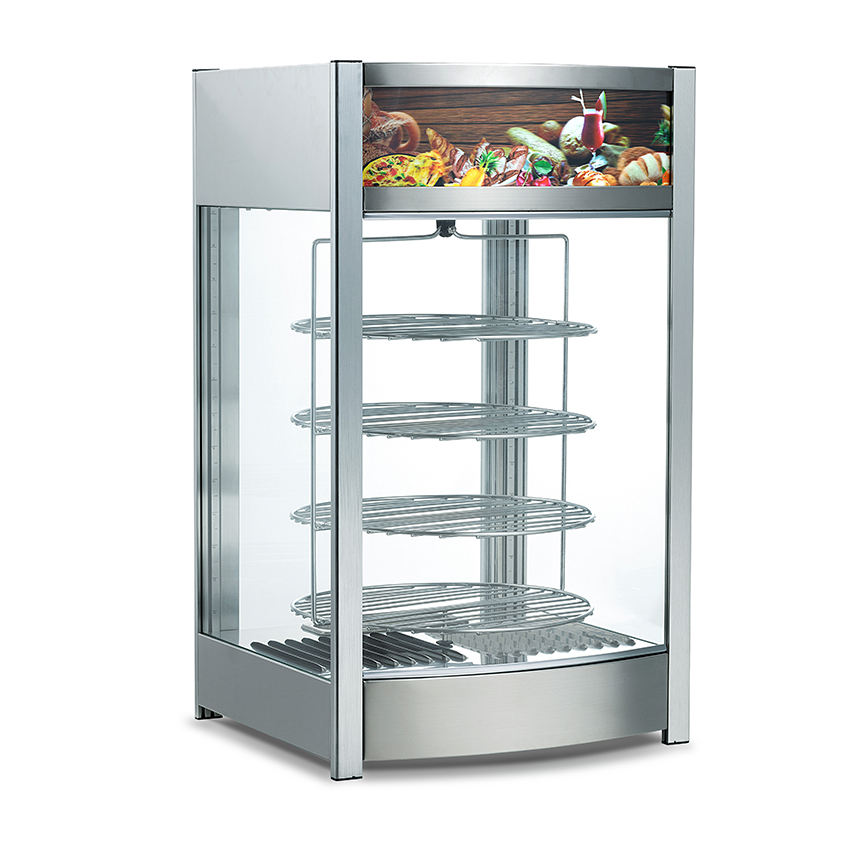
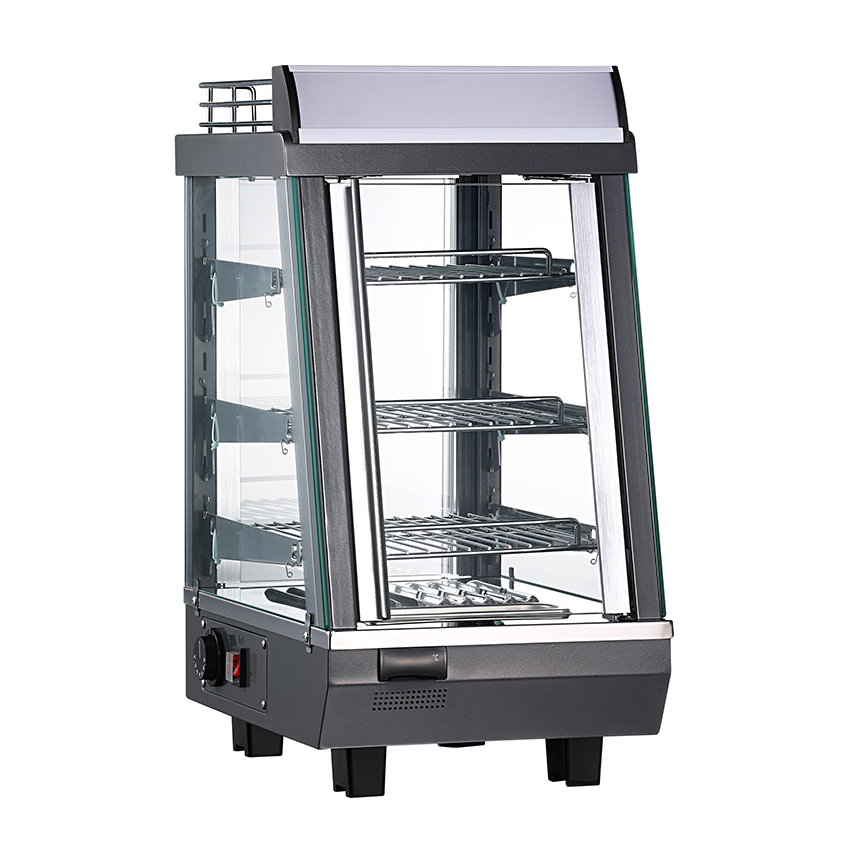
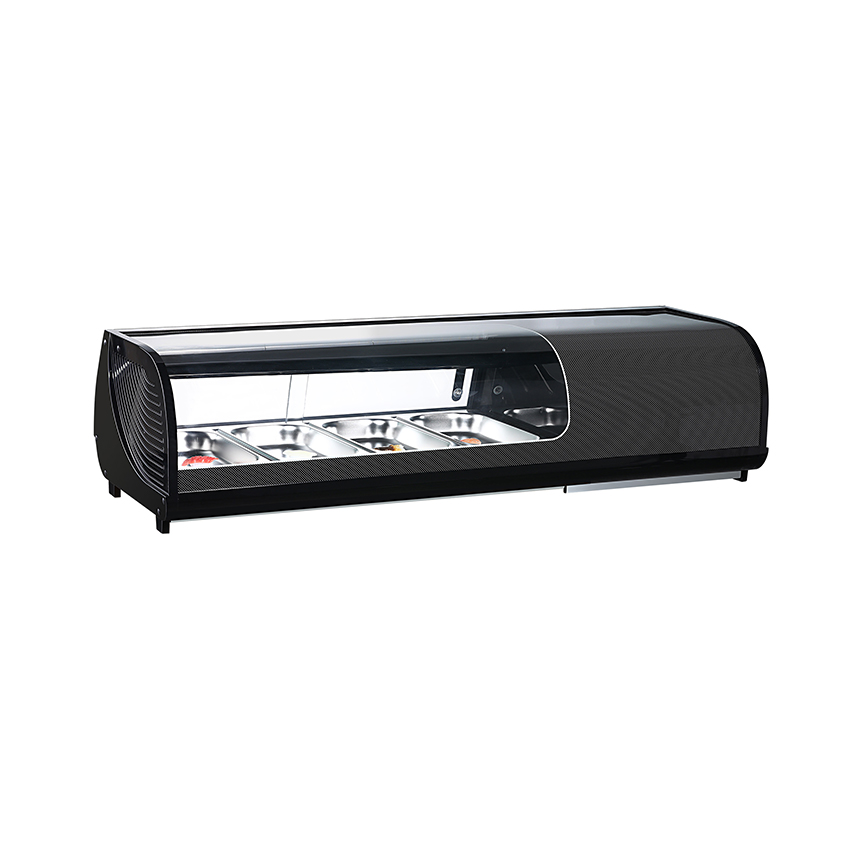
Multi-product thermal display cabinet
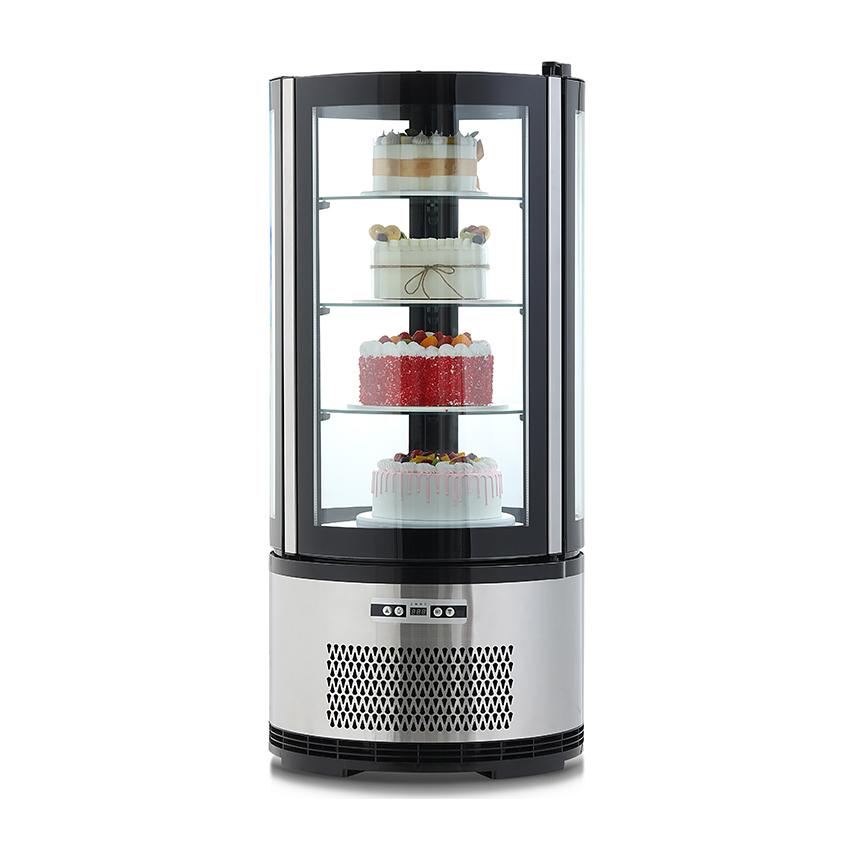
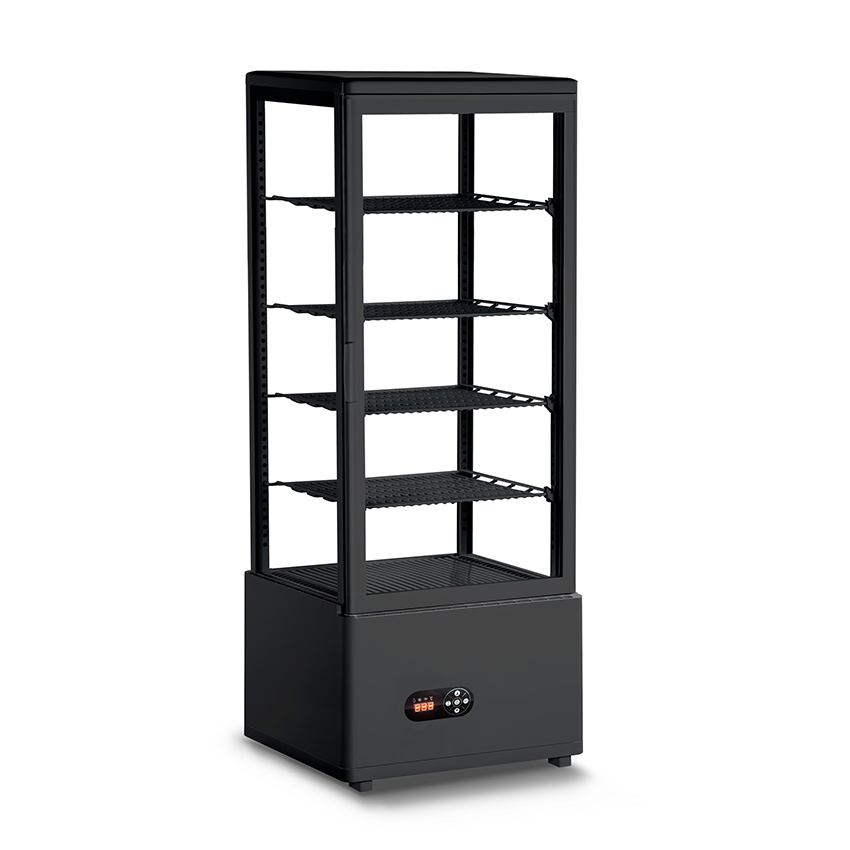
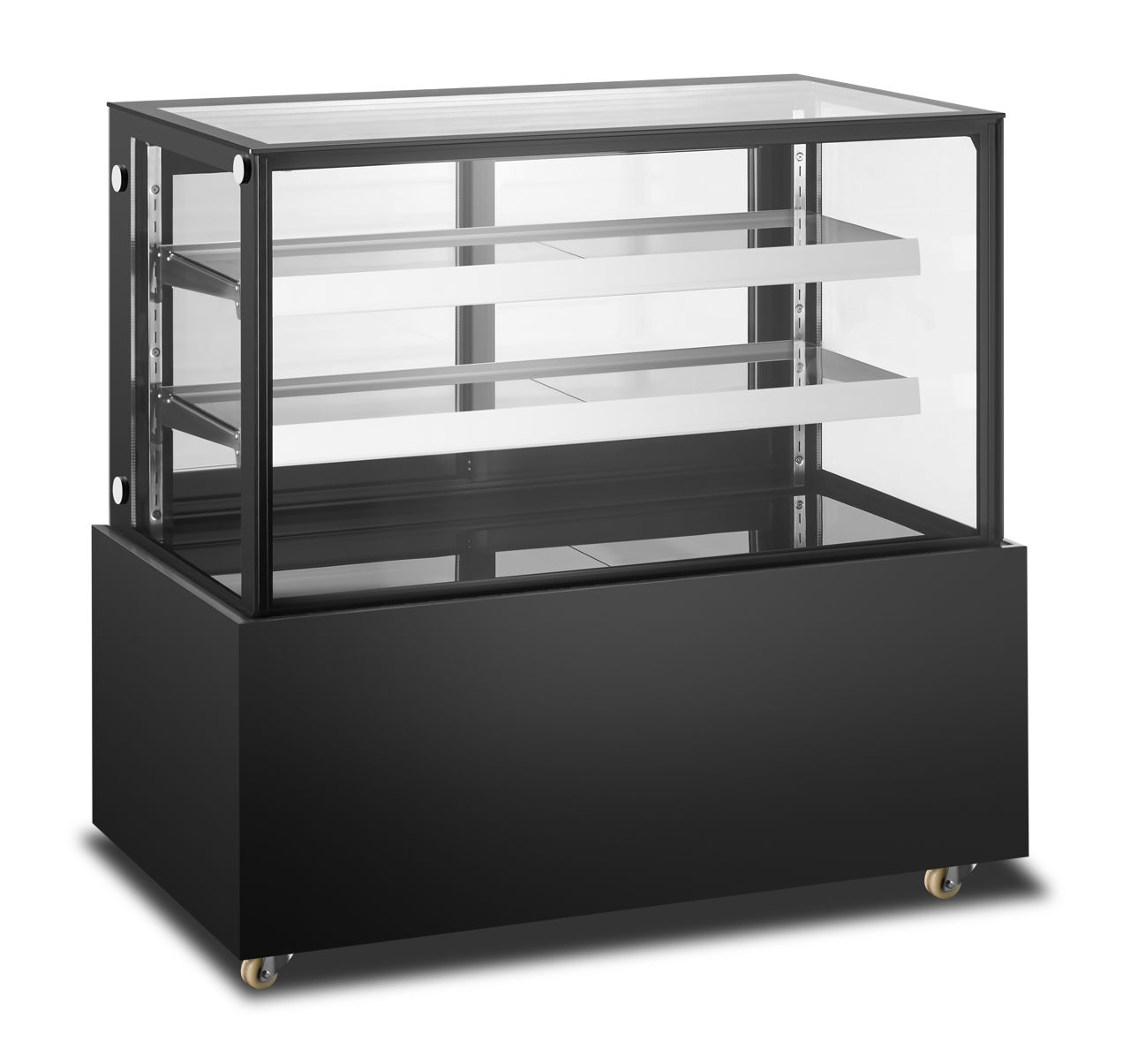
The multi-product thermal insulation display cabinet has various sizes, elegant appearance and unique design. It ad...



Restaurants are using Table Hot Cabinets primarily to maintain food at safe serving temperatures, reduce waste, and improve service speed — all without requiring permanent installation or additional kitchen space. Whether it is a busy diner holding fried items during a lunch rush or a catering setup keeping entrees warm at a buffet station, a Table hot cabinet delivers consistent heat in a compact, countertop-ready form. This practical equipment has become a front-of-house and back-of-house essential across foodservice operations of every scale.
Content
The single most critical reason restaurants adopt a Countertop Heated Display Cabinet is food safety compliance. According to the FDA Food Code, hot foods must be held at 140°F (60°C) or above to prevent bacterial growth in the temperature danger zone (40°F–140°F). Failing to maintain this standard exposes restaurants to health code violations, liability, and customer illness.
A quality table hot cabinet maintains internal temperatures within a ±5°F accuracy range, ensuring that every item — from roasted chicken to stuffed pastries — stays within the safe holding window for up to 4 hours without quality degradation. This is especially critical during peak service windows when kitchen output exceeds immediate table demand.
Food waste is a major financial burden in the restaurant industry. The USDA estimates that foodservice establishments waste between 4% and 10% of purchased food before it ever reaches a customer. A significant share of that waste comes from improper holding — food that cools too fast and cannot be legally or safely served.
A Mini Food Warmer Cabinet for Restaurants directly addresses this by extending the safe holding window for prepared items. Instead of discarding a tray of roasted vegetables or a batch of fried items after 30 minutes, operators can confidently hold them for 2–4 hours at optimal temperature. For a restaurant preparing 200+ covers per service, this can translate to meaningful reduction in daily waste.
Industry estimates suggest that restaurants using dedicated hot holding equipment reduce per-service food waste from an average of 8.5% down to approximately 3.2% — a reduction of over 60%. Across a full week of operations, this adds up to measurable savings in food cost.
One of the standout advantages of a Portable Tabletop Hot Food Cabinet is its deployment flexibility. Unlike floor-standing warming units, tabletop models fit into tight spaces and can be repositioned as service needs change. Restaurants use them across multiple stations:
Between the kitchen and the dining floor, the expo station is where orders are assembled and plated. A table hot cabinet placed here ensures that dishes prepared even a few minutes apart reach the table at the same temperature. This is essential for large party orders where courses are staggered.
Buffet restaurants, hotel breakfast stations, and cafeteria lines use Countertop Heated Display Cabinets to keep visible displays of hot food appealing and safe simultaneously. Glass-front models allow customers to see the food while it is held at serving temperature, which increases self-service efficiency and customer satisfaction.
With takeout and delivery orders now representing over 40% of restaurant revenue in many markets, holding food properly until pickup is critical. A mini food warmer cabinet placed near the front counter keeps delivery orders hot and ready without cluttering kitchen workspace.
Portable tabletop hot food cabinets are indispensable for off-site catering. They run on standard 110V or 220V outlets, require no plumbing, and can be set up in hotel ballrooms, outdoor venues, or corporate offices in minutes. A single unit can hold 2–4 full hotel pans of food depending on its capacity.
Not all hot cabinets are designed for the same tasks. Understanding the main types helps operators choose the right unit for their service style:
| Type | Heat Method | Best For | Typical Temp Range |
|---|---|---|---|
| Dry Heat Cabinet | Heating element | Fried foods, breads, pastries | 140°F – 200°F |
| Humidified Cabinet | Steam + dry heat | Meats, vegetables, soups | 140°F – 185°F |
| Glass Display Cabinet | Radiant heat | Buffet, retail, self-service | 140°F – 175°F |
| Portable Countertop Unit | Electric coil / fan-forced | Catering, delivery staging | 140°F – 190°F |
Speed of service is a defining metric for restaurant success. A Table hot cabinet positioned at the right point in the workflow allows servers to plate and deliver orders faster, because food does not need to be cooked or reheated at the last moment. Pre-prepared items are ready the instant a ticket is called.
Research in foodservice operations shows that reducing hold-and-wait time at the pass can cut average ticket times by 15–25% during peak hours. For a restaurant turning 80 covers per hour, this improvement can mean serving 10–20 additional guests per shift without adding staff.
From the customer's perspective, receiving food at the correct temperature consistently — not just occasionally — builds trust and drives repeat visits. Online review platforms frequently cite "food arrived cold" as one of the top negative complaints in dining reviews, making temperature control a direct factor in reputation management.
The use of Countertop Heated Display Cabinets and tabletop warming units has grown steadily across all restaurant categories. The chart below illustrates estimated adoption rates by segment:
Quick service and fast casual restaurants lead adoption, with estimated usage reaching 85% by 2024. The surge in catering and event service adoption reflects the growing reliance on portable units for off-premise operations. Full-service dining adoption grew from 30% in 2019 to 66% in 2024, driven largely by the rise of delivery and takeout operations.
When selecting a Mini Food Warmer Cabinet for Restaurants, operators evaluate several functional and practical criteria:
Answer two quick questions below to get a tailored recommendation for your restaurant type and holding needs:
A well-maintained Portable Tabletop Hot Food Cabinet can deliver reliable service for 8–12 years. These maintenance steps help operators protect their investment:
A Table hot cabinet is used to hold cooked food at safe serving temperatures (140°F or above) between preparation and service. It helps maintain food quality, prevent bacterial growth, and reduce waste during high-volume service periods.
Most foods can be safely held for 2–4 hours in a properly set Countertop Heated Display Cabinet as long as the internal temperature stays at or above 140°F. After 4 hours, food quality and safety should be reassessed based on the specific item.
Yes. Most units feature stainless steel interiors and removable drip trays designed for quick sanitation between services. Daily wipe-downs with food-safe sanitizer and weekly deep cleans are typically sufficient for most restaurant environments.
Yes. Portable tabletop units are specifically designed for this purpose. They operate on standard electrical outlets, require no plumbing, and are compact enough to set up in venues without commercial kitchen infrastructure. They are ideal for events, hotel banquets, and corporate catering.
A dry heat cabinet circulates hot air without added moisture — best for fried or baked items where crispness is important. A humidified cabinet adds steam or moisture to prevent surface drying, making it better suited for proteins, vegetables, and stews that lose quality when exposed to dry heat for extended periods.

Copyright © Zhejiang Fuerj Electric Science And Technology Co., Ltd. Rights Reserved. Food Showcase Display Manufacturer Fireplace Factory
