 English
 русский
 Español
 Français
 عربى
عربى italiano
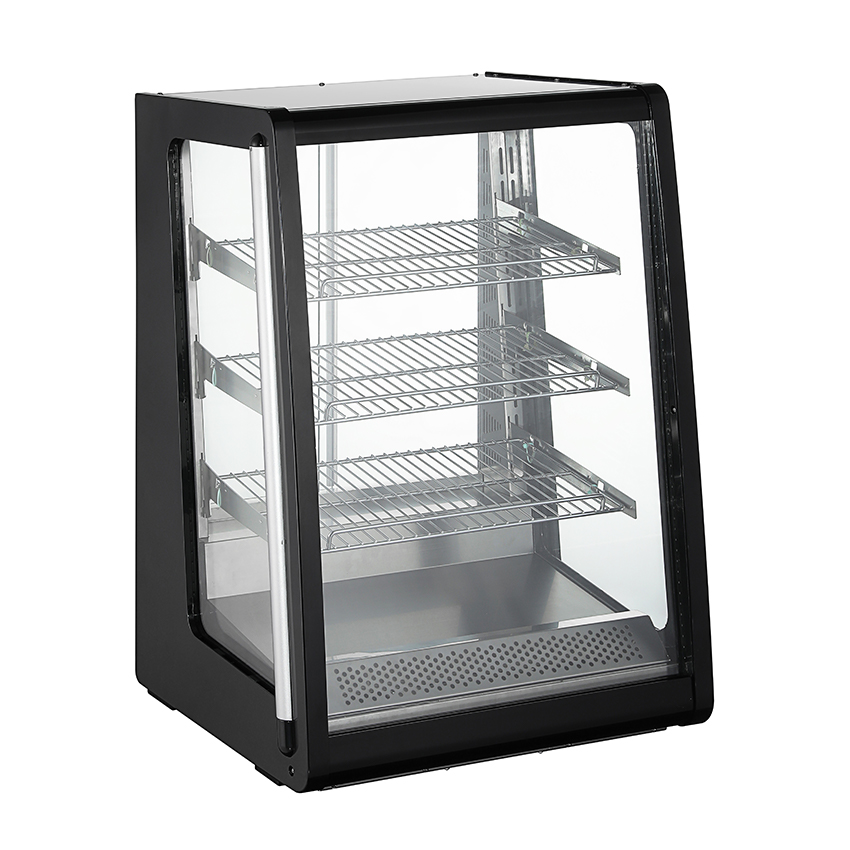
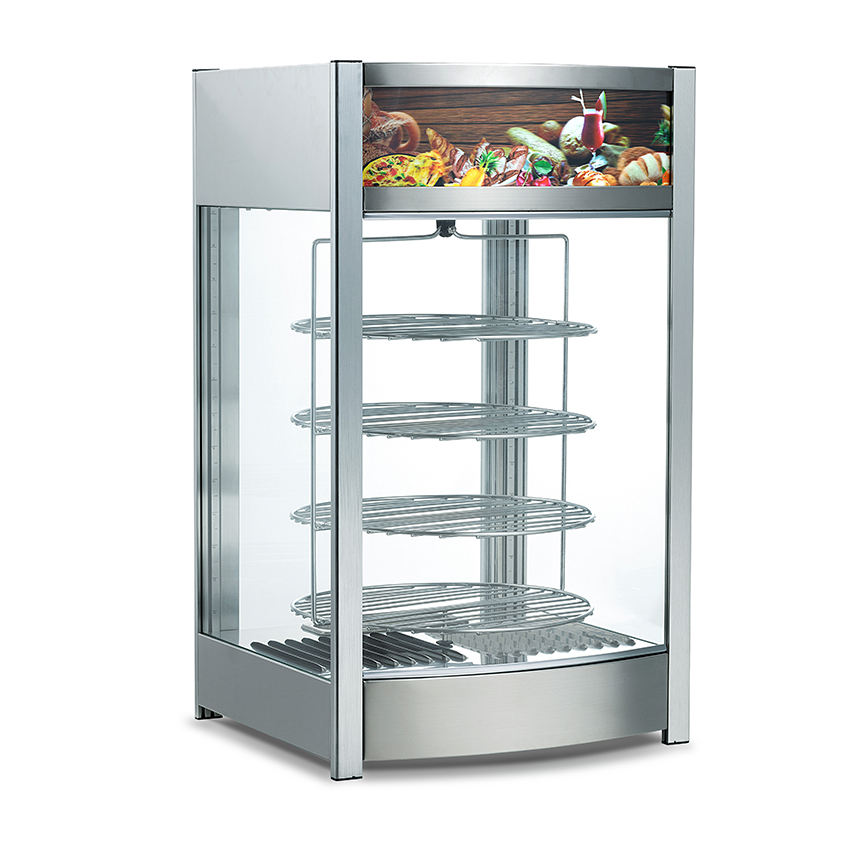
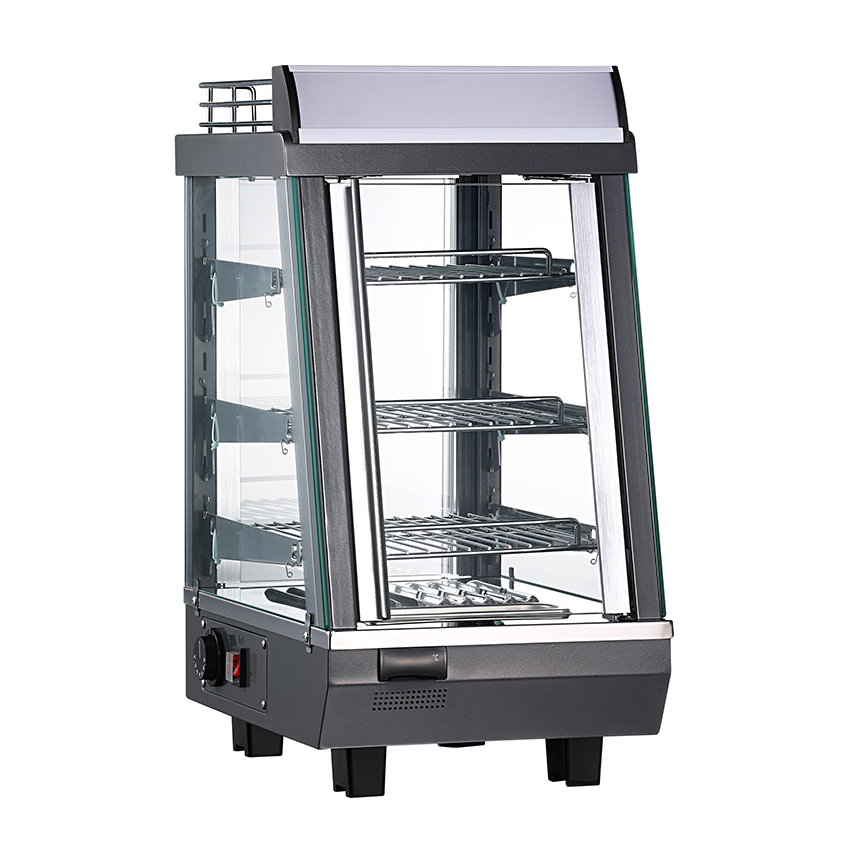
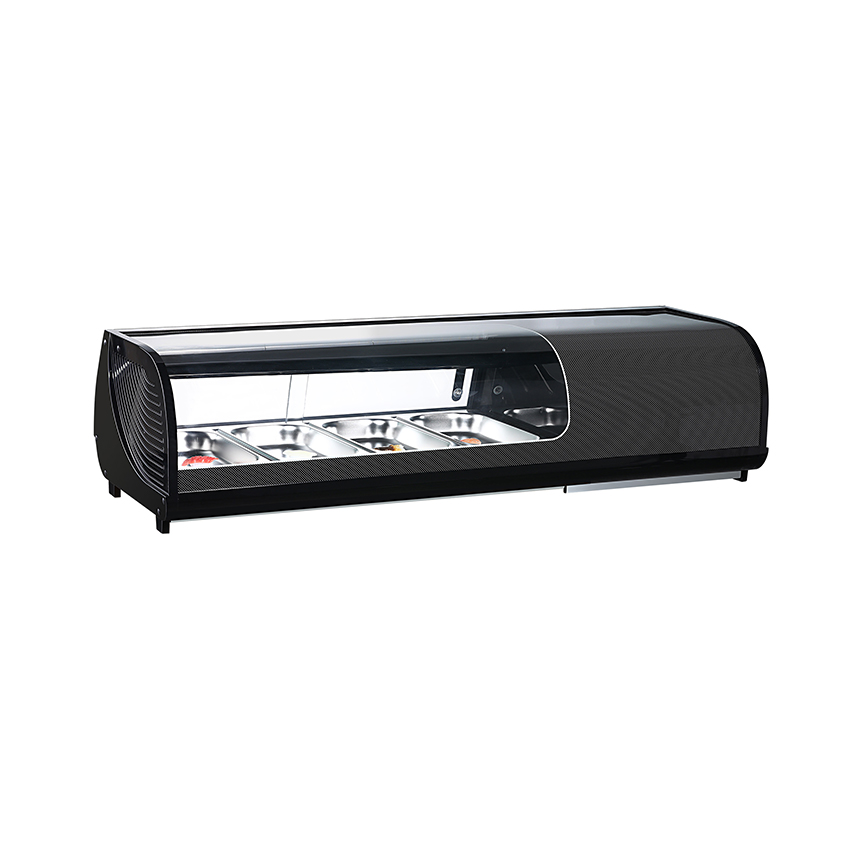
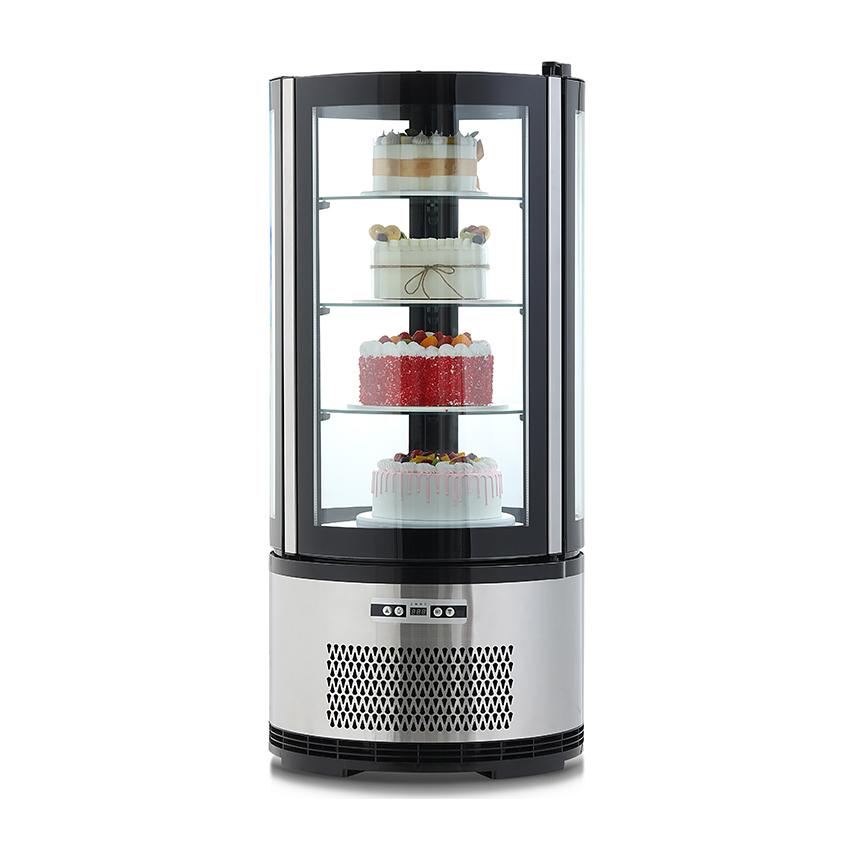
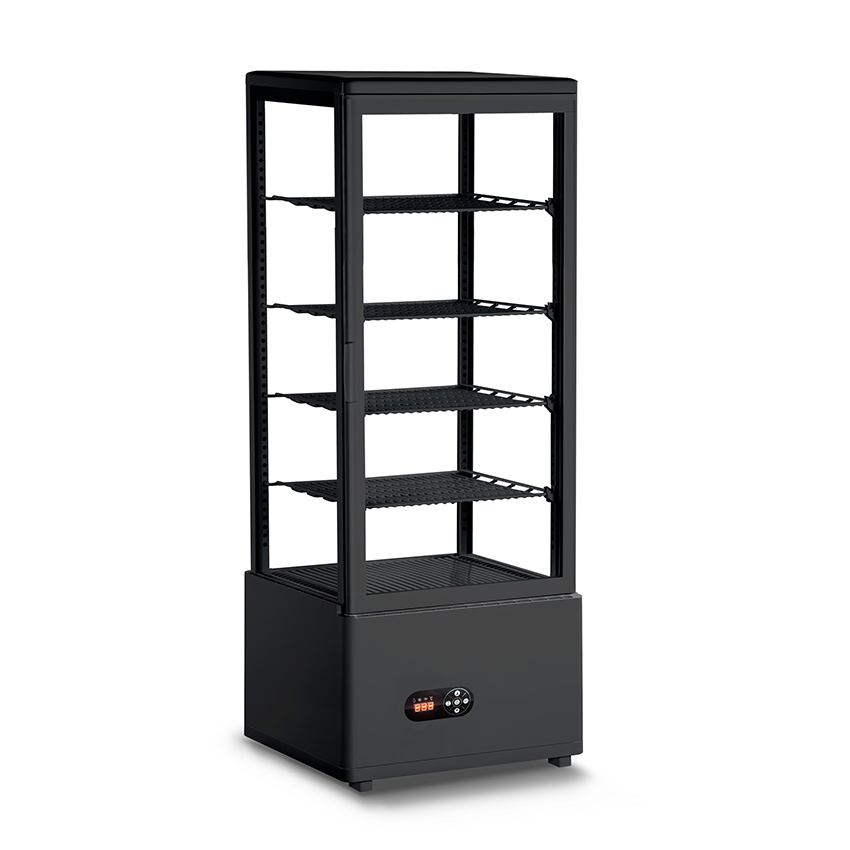
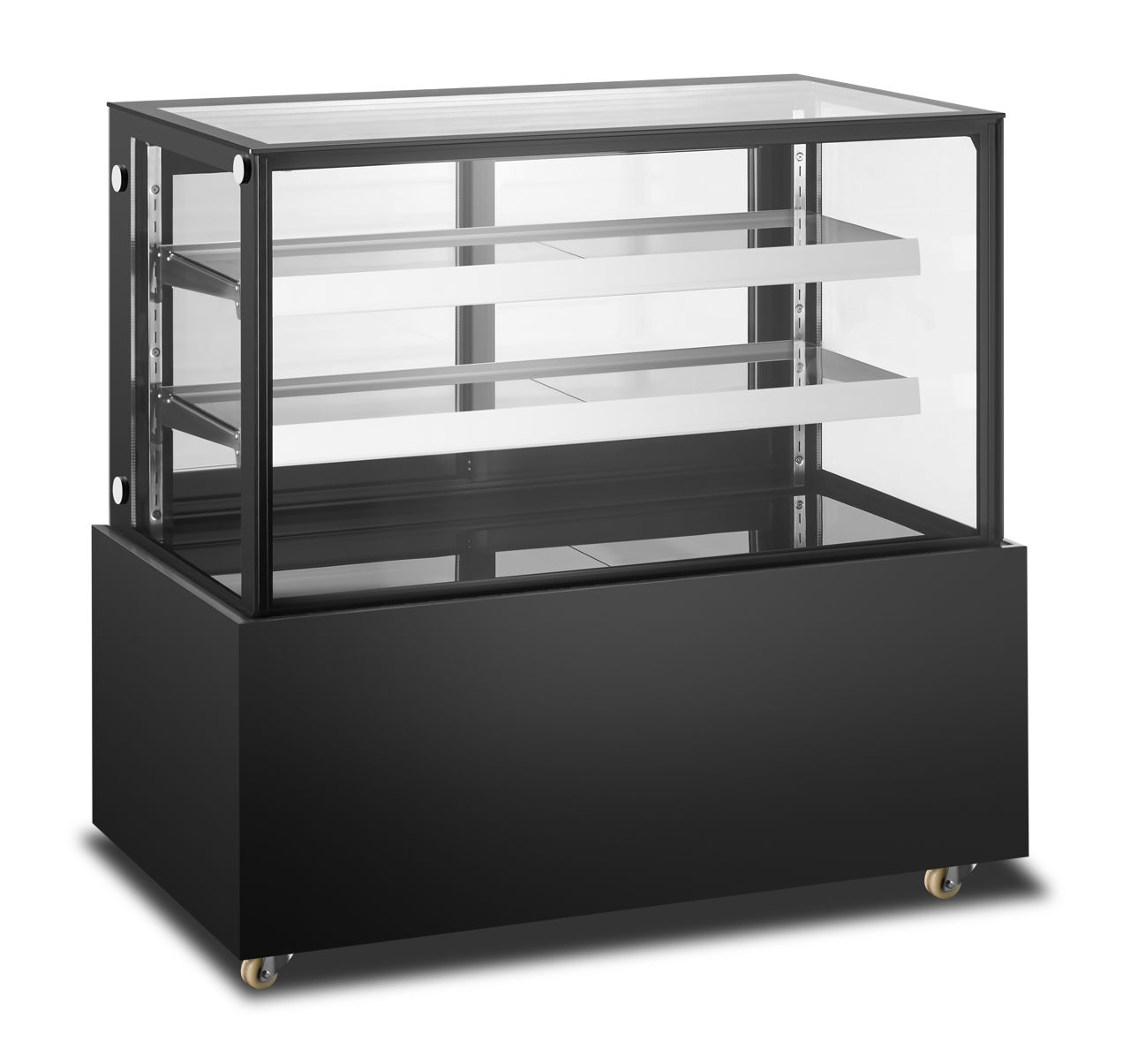
Multi-product thermal display cabinet
The multi-product thermal insulation display cabinet has various sizes, elegant appearance and unique design. It ad...



Direct answer: A refrigeration showcase display is important for retail stores because it directly increases product visibility, maintains food safety compliance, reduces spoilage loss, and drives impulse purchases — all simultaneously. Retailers using purpose-designed refrigerated display units report average sales uplifts of 15 to 30% on showcased products compared to the same products stored in back-of-house refrigeration, because visibility at point of purchase is the single most reliable driver of unplanned buying decisions.
Content
The primary commercial purpose of a refrigeration showcase display is not storage — it is sales activation. Cold storage keeps products safe; a refrigerated showcase makes customers buy them. The distinction matters because the design priorities are entirely different: a back-of-house cold room maximizes storage density, while a showcase maximizes product visibility, accessibility, and appeal at the precise moment a purchasing decision is made.
Research in retail merchandising consistently shows that 70 to 80% of purchase decisions in grocery and convenience retail are made at the shelf or display unit, not in advance. For chilled products — beverages, dairy, prepared foods, bakery items, and confectionery — the refrigerated showcase is the primary sales tool. A product that cannot be seen cannot be bought impulsively, and impulse purchases represent a disproportionately high share of margin contribution in food retail.
The effect is amplified by lighting. Modern refrigeration showcase displays incorporate LED lighting specifically angled to illuminate product labels and packaging. Studies measuring customer eye-tracking in supermarket aisles have found that well-lit refrigerated displays generate up to 40% more visual engagement from passing shoppers compared to unlit or poorly lit cases — translating directly into longer dwell time and higher conversion rates.
Beyond sales performance, a refrigeration showcase display serves a mandatory food safety function. Chilled food products require continuous temperature maintenance within defined ranges — typically 0°C to 4°C for dairy and fresh meat, 2°C to 8°C for prepared foods and beverages, and –5°C to –10°C for frozen bakery and ice cream products. Failure to maintain these ranges is not just a quality issue — it is a public health risk and a regulatory liability.
Food safety regulations in most jurisdictions require that display equipment maintain consistent temperatures under operating conditions, including with doors open for restocking and in ambient temperatures representative of summer retail environments. Commercial refrigeration showcase displays are specifically engineered to maintain setpoint temperatures under these variable conditions, while consumer-grade refrigerators are not designed or tested for this purpose.
Temperature abuse during retail display is responsible for an estimated 25% of foodborne illness outbreaks traced to retail food service environments, according to food safety authority data across multiple countries. Purpose-designed refrigerated showcases with accurate thermostat control and audible temperature alarms are the primary preventive measure at the display stage of the cold chain.
For retail store operators, the financial risk is also significant. A single enforcement action for temperature non-compliance can result in product disposal, facility closure, and reputational damage that far exceeds the investment cost of compliant refrigeration equipment. The showcase display is therefore not a discretionary purchase — for any store handling chilled or frozen food for sale, it is an operating requirement.
A glass door refrigeration showcase display for supermarket environments must balance three competing demands: maximum product visibility for shoppers, minimal energy consumption at the scale of a large retail operation, and reliable temperature maintenance through multiple door-open cycles per day.
In a medium-to-large supermarket, refrigeration can account for 35 to 50% of total electricity consumption. Selecting glass door showcases with high-efficiency compressors, well-sealed door gaskets, and anti-fog heating technology that minimizes unnecessary door heating cycles has a material impact on operating costs. Modern glass door refrigerated showcases equipped with EC (electronically commutated) fan motors and variable-speed compressors consume 20 to 35% less energy than equivalent units with conventional single-speed motors — a saving that compounds significantly across a full supermarket refrigeration installation.
Supermarket refrigerated showcase layout directly influences both energy use and customer behavior. Hinged single-door units require customers to open and close individual doors, limiting the door-open period per interaction. Sliding door configurations allow easier access from wider angles and are preferred in high-traffic aisles. Multi-deck open display cases — used for dairy and fresh produce — sacrifice energy efficiency for maximum accessibility and sales visibility, and are typically deployed only in product categories where the sales uplift justifies the higher energy cost.
A commercial refrigeration showcase display for bakery use must meet a different performance profile than a general grocery showcase. Bakery products — including cream cakes, mousse desserts, fresh-filled pastries, and chilled breads — have specific display requirements that distinguish them from beverages or packaged dairy products.
Bakery products are highly sensitive to both temperature and humidity within the display environment. Too low humidity causes rapid drying and crust hardening; too high humidity promotes condensation on packaging and compromises the visual appeal of cream and glazed products. Commercial bakery showcases incorporate humidity regulation systems — either passive through careful airflow design or active through humidification modules — to maintain internal relative humidity between 60 and 80% RH for most fresh bakery products.
Bakery display is as much about food presentation as refrigeration. Leading commercial refrigeration showcases designed for bakery environments use warm-tone LED lighting (2700K to 3000K color temperature) that enhances the visual appeal of bread, pastry glazes, and cream colors — in contrast to the cool-white LEDs used in beverage or dairy showcases. The angle and intensity of lighting within the cabinet is engineered to eliminate shadows on lower shelves while avoiding glare on upper-shelf products visible through the glass front panel.
Bakery product dimensions vary significantly — a full-size tiered celebration cake requires very different shelf spacing from individually portioned pastries. Commercial bakery showcases designed for retail use typically offer adjustable wire or tempered glass shelves at multiple height increments, allowing operators to reconfigure the interior for different product mix requirements without tools.
| Feature | Bakery Showcase | Beverage / Dairy Showcase | Ice Cream / Frozen Showcase |
|---|---|---|---|
| Temperature Range | 0°C to 8°C | 2°C to 10°C | –18°C to –25°C |
| Humidity Control | Essential (60–80% RH) | Not critical | Low humidity preferred |
| Lighting Color Temp | Warm white (2700–3000K) | Cool white (4000–5000K) | Neutral to cool white |
| Shelf Flexibility | High (variable heights) | Moderate (fixed or adjustable) | Low (fixed for ice cream tubs) |
| Glass Type | Curved or flat front panel | Flat door glass | Flat or angled lid glass |
A small refrigeration showcase display for retail store environments — convenience stores, pharmacies, florists, specialty food shops, and cafes — requires a different selection approach from large-format supermarket equipment. Space, power supply, and product specificity all constrain the options and make the right choice highly context-dependent.
For retail environments with limited floor space, countertop refrigerated showcases — typically 60 to 120 cm wide and 50 to 80 cm deep — provide valuable product display capability within a checkout counter, service counter, or gondola end cap footprint. They are particularly effective for high-margin impulse products: chilled confectionery, premium beverages, grab-and-go desserts, and fresh juice. Floor-standing compact units in the 90 to 150 cm height range suit corridor positions and window placements where vertical visibility adds to the display impact from outside the store.
Small retail refrigeration showcases typically operate on standard single-phase 220–240V / 50Hz or 110–120V / 60Hz supply — no three-phase power requirement. This makes installation straightforward in most retail environments without electrical upgrade. Confirm the unit's power consumption against available circuit capacity, particularly when adding a showcase to an existing circuit that already services lighting or other equipment. Units drawing above 500W should be on a dedicated circuit to prevent nuisance tripping.
Compressor noise is an important but frequently overlooked selection factor for small retail showcases placed in customer-facing positions. A unit producing above 50 dB(A) becomes noticeably intrusive in a quiet specialty food shop or pharmacy environment. Modern EC-motor showcases with inverter compressors operate at 38 to 45 dB(A) — below the threshold of conversational annoyance — making them appropriate for premium or service-focused retail environments where customer experience is a priority.
| Retail Format | Recommended Showcase Type | Typical Capacity | Key Priority |
|---|---|---|---|
| Convenience store | Glass door upright, multi-shelf | 200–500L | Capacity and visibility |
| Bakery / patisserie | Curved glass countertop showcase | 100–250L | Presentation and humidity control |
| Pharmacy | Small glass door upright, quiet | 60–150L | Noise level and precise temp |
| Cafe / coffee shop | Countertop display with front glass | 80–180L | Aesthetics and counter fit |
| Florist | Upright full-glass showcase | 300–600L | Full visibility, humidity |
A refrigeration showcase display is a capital investment that should deliver reliable performance for 8 to 15 years with correct maintenance. Neglected maintenance shortens this significantly and increases energy consumption and repair costs in the intervening period.
The condenser coil dissipates heat extracted from the showcase cabinet to the surrounding ambient air. In a retail environment with airborne cooking oils, dust, and flour particles, condenser coils accumulate deposits that reduce heat transfer efficiency. A coil with 20% fouling causes the compressor to work approximately 15% harder to achieve the same cabinet temperature — increasing energy consumption and accelerating compressor wear. Clean condenser coils every 3 to 6 months in commercial kitchen-adjacent environments, and at minimum annually in cleaner retail environments.
Door gaskets provide the thermal seal between the refrigerated cabinet interior and the ambient environment. A gasket that has hardened, cracked, or lost its compression seal allows warm air infiltration, increasing the compressor run cycle. Inspect gaskets monthly by running a piece of paper between the gasket and frame — if the paper slides freely without resistance, the gasket requires replacement. Gasket replacement is a low-cost maintenance task that can recover 10 to 20% of energy efficiency in older units with degraded seals.
Most commercial refrigeration showcases use automatic defrost cycles to prevent frost accumulation on evaporator coils, which impedes airflow and reduces cooling efficiency. Ensure defrost cycle frequency and duration are set to the manufacturer's recommended parameters for your ambient temperature and product loading conditions. Excessive frost buildup between cycles — visible as ice formation on internal surfaces — indicates the defrost cycle is insufficient and requires adjustment.
Zhejiang Fuerj Electric Science and Technology Co., Ltd. was founded in 1997 and primarily produces electric heating products and refrigeration products including freezers and cake showcases. The company covers a total area of 110,000 square meters with a construction area of 85,500 square meters, representing one of the more substantial manufacturing footprints in the commercial refrigeration display sector.
The workforce comprises 650 employees, including 85 engineering and technical personnel. More than 160 employees hold college degrees or above, and 35% of the senior leadership team holds formal professional qualifications — a composition that supports both production quality and ongoing product development capability. The team integrates experienced engineers with professionals who bring substantial social and industry practical experience to decision-making and operations.
As a professional refrigeration showcase display manufacturer and ice cream freezer factory, Fuerj achieves an annual output of 750,000 sets of various products. All products carry the certifications required for international market access: GS, CB, RoHS, UL, COC, and CCC. Products are exported to more than 20 countries and regions across Europe, America, Asia, and Africa.

Copyright © Zhejiang Fuerj Electric Science And Technology Co., Ltd. Rights Reserved. Food Showcase Display Manufacturer Fireplace Factory
