 English
 русский
 Español
 Français
 عربى
عربى italiano
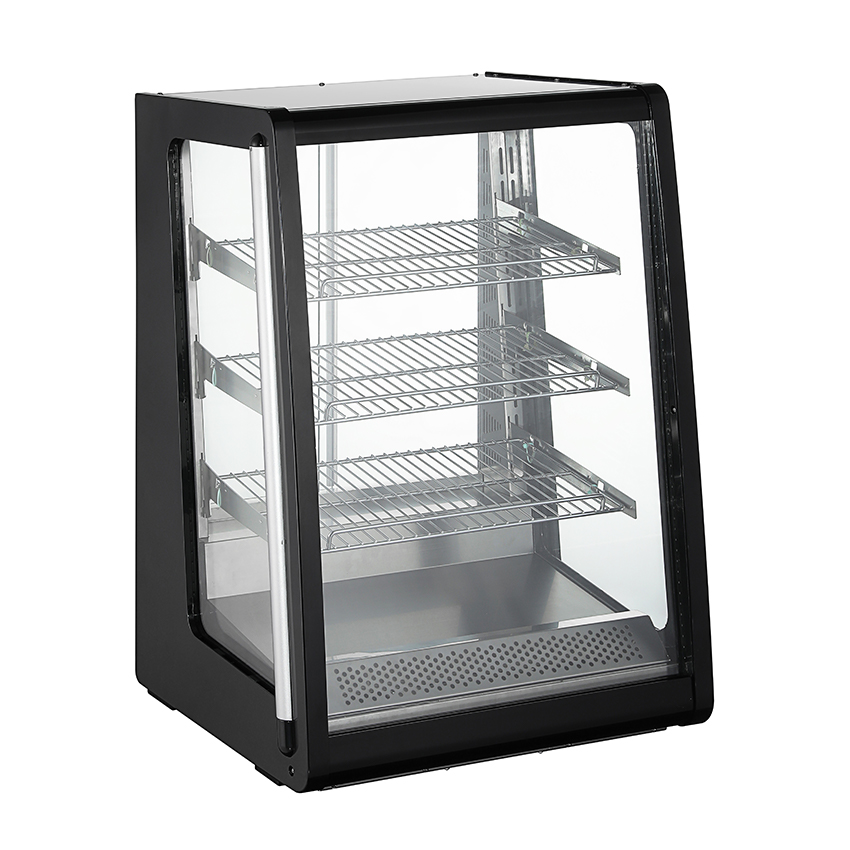
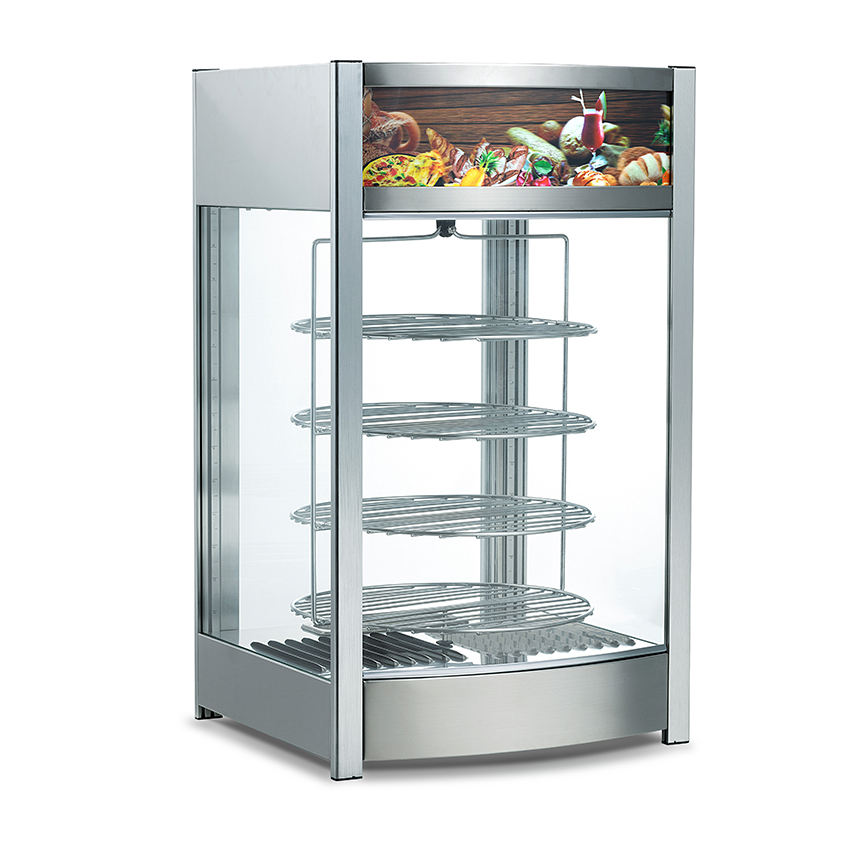
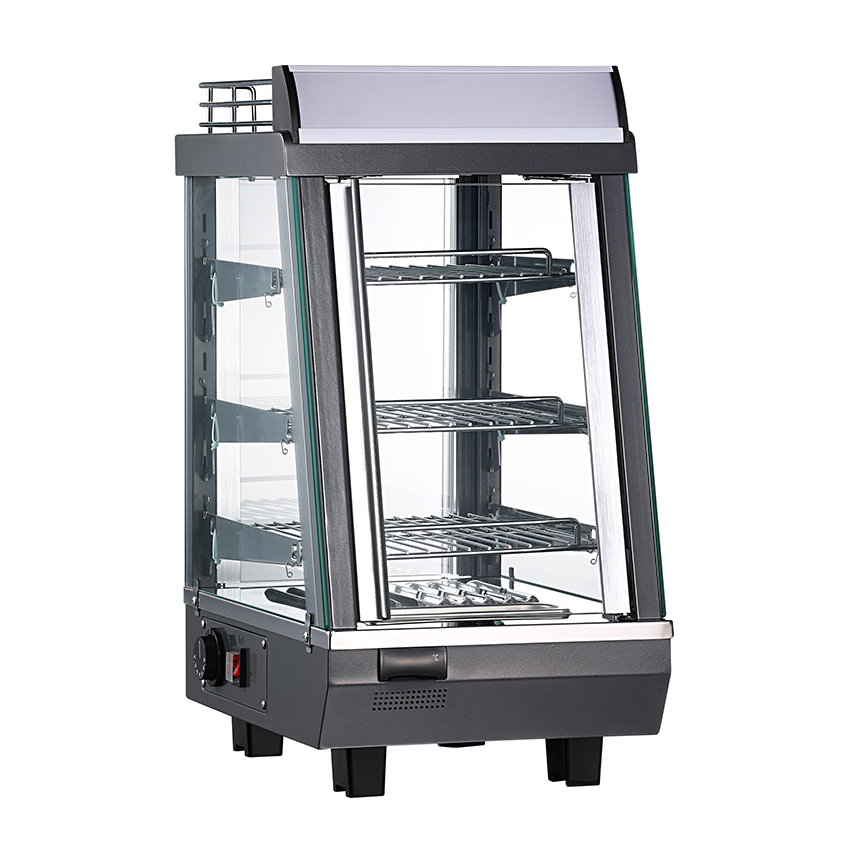
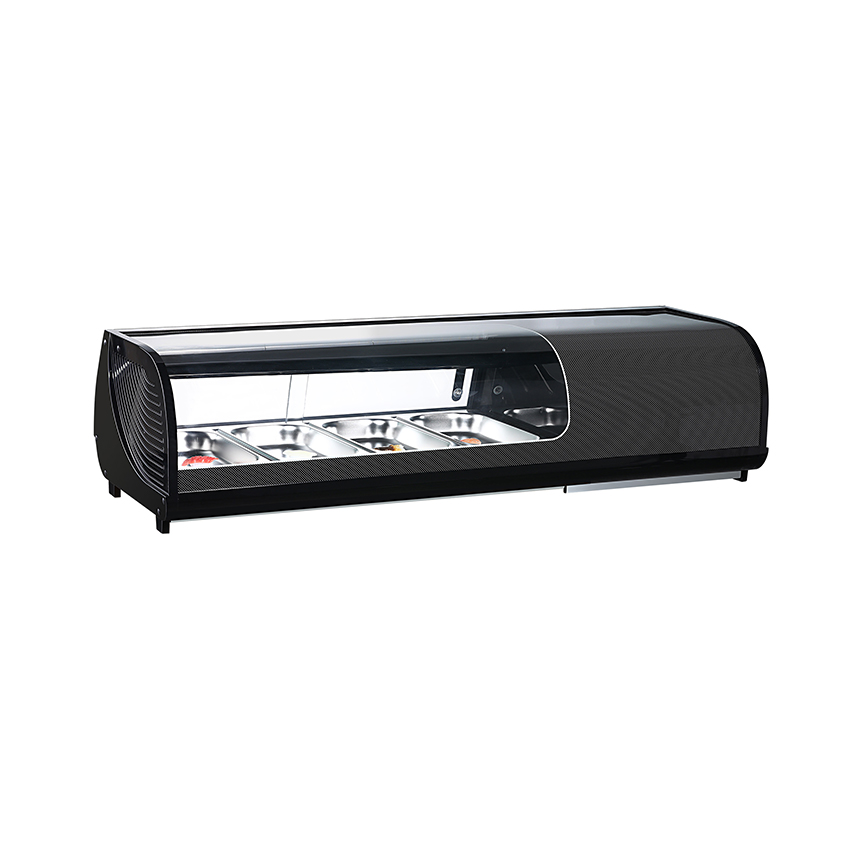
Multi-product thermal display cabinet
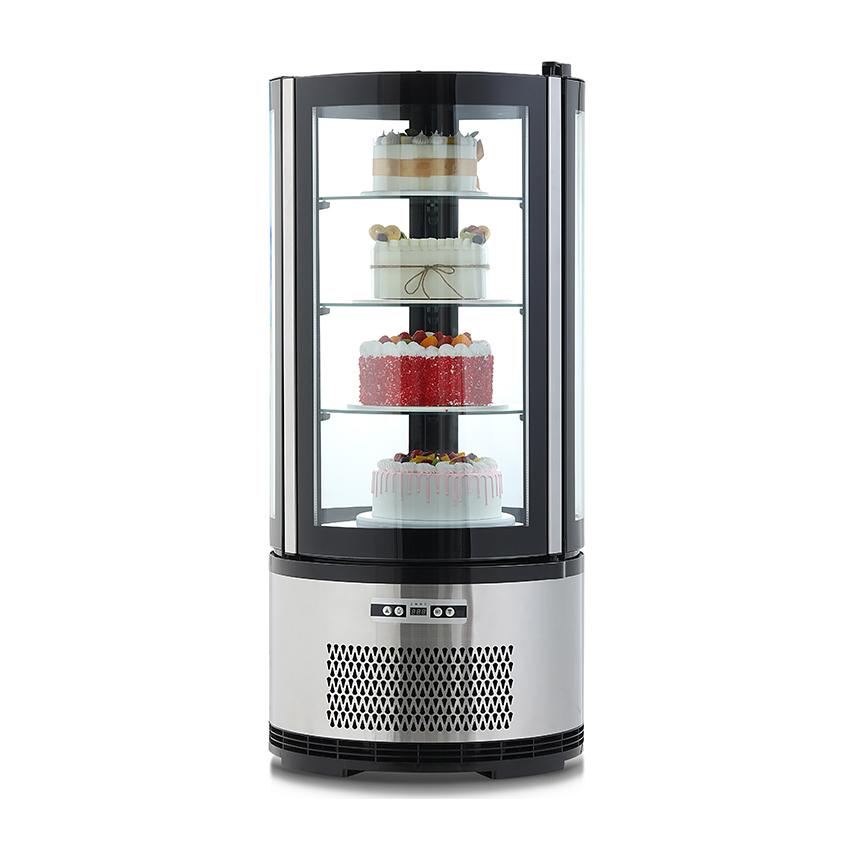
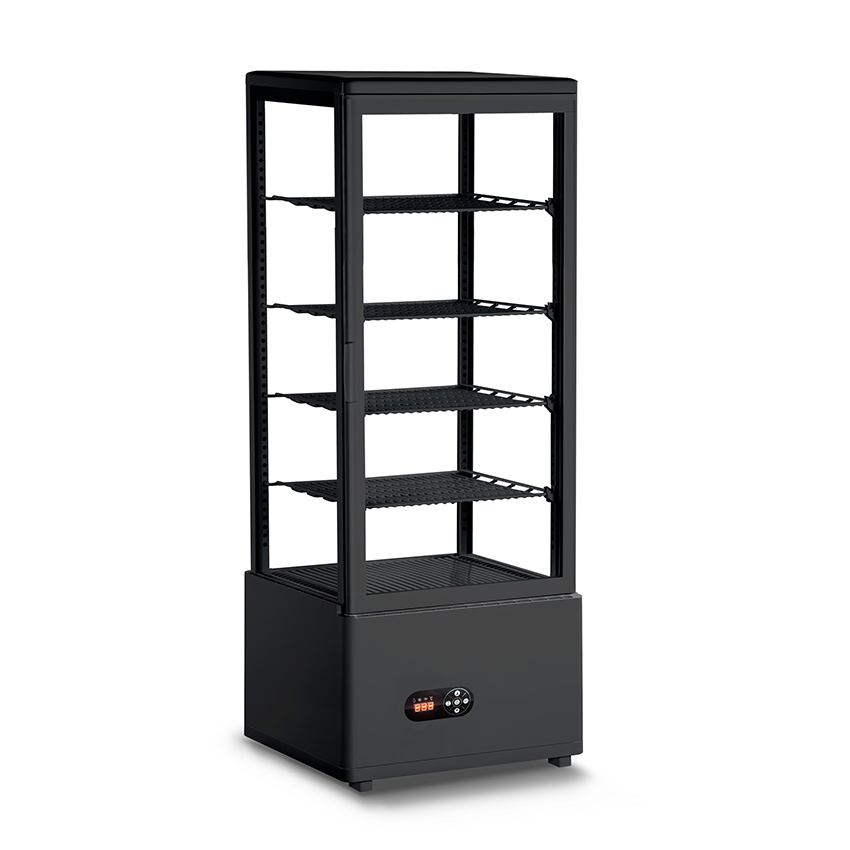
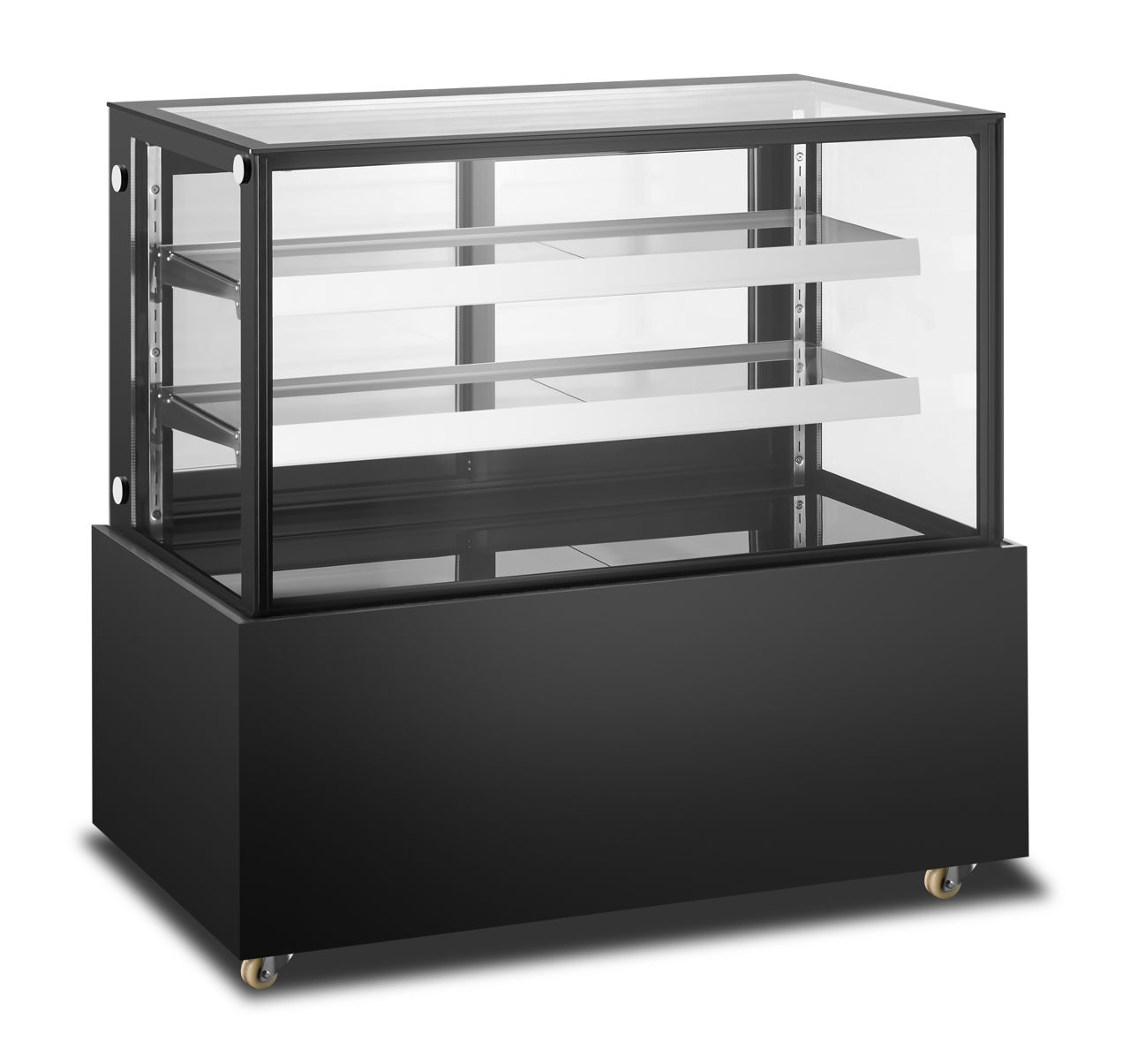
The multi-product thermal insulation display cabinet has various sizes, elegant appearance and unique design. It ad...



Content
The right cake display cabinet for your bakery in 2026 depends on three core decisions: whether your products require refrigeration, how much counter or floor space you have, and how prominently you want cakes visible to customers at the point of sale. Get these three factors right, and every other specification — glass type, lighting, shelf count, door configuration — falls into place around them.
Research consistently shows that well-lit, clearly visible product displays increase impulse purchases in bakery environments. A study published in the Journal of Retailing found that customers are 30% more likely to purchase a product they can clearly see and are drawn to visually compared to a product behind an opaque or poorly lit display. For bakeries where whole cakes, sliced portions, and decorated pastries represent high-margin items, a cake display cabinet is not merely storage — it is a sales tool that directly influences revenue per customer visit.
Before comparing dimensions, materials, or aesthetics, every bakery operator must determine whether their products require active cooling. This single decision defines the cabinet category you are selecting within.
A refrigerated cake display cabinet is essential for any product containing fresh dairy cream, custard, mousse, fresh fruit, or egg-based fillings. Food safety regulations in most jurisdictions — including FDA Food Code guidelines in the United States and EU Regulation (EC) No 852/2004 in Europe — require that cream-filled and dairy-topped products be held at or below 41°F (5°C) at all times after preparation. Products that fall into this category include:
Non-refrigerated cake display cabinets — also called ambient or dry display cases — are appropriate for shelf-stable products that do not contain perishable dairy or protein-based fillings. Fondant-covered celebration cakes, buttercream-frosted cakes intended for same-day sale, biscotti, brownies, and most dry pastries can be displayed safely at ambient temperature for the typical retail sales window of 4–6 hours without food safety concern, provided the retail environment is not excessively warm.
Many bakeries operate both types simultaneously — a refrigerated cake display cabinet for fresh cream products and an ambient display for dry goods — positioned side by side at the counter to present the full product range without compromise.
| Feature | Refrigerated Cabinet | Ambient Cabinet |
|---|---|---|
| Temperature Range | 35–41°F (2–5°C) | Room temperature |
| Required For | Dairy cream, custard, fresh fruit products | Fondant, buttercream (same-day), dry goods |
| Energy Use | Higher (compressor) | Low (lighting only) |
| Condensation Risk | Requires anti-fog glass or heated front panel | None |
| Noise Level | Moderate (compressor cycling) | Silent |
The glass panels in a glass cake display cabinet are the interface between your product and your customer's appetite. The optical quality, thickness, and treatment of the glass directly affect how appetizing your cakes appear from the customer's viewing angle.
Commercial cake display cabinets use either tempered or laminated safety glass. Tempered glass — heat-treated to be approximately four times stronger than standard glass — is the most common choice. It shatters into small, rounded fragments rather than sharp shards, satisfying food safety requirements in most jurisdictions. Laminated glass, with a plastic interlayer that holds fragments together on breakage, is specified in high-traffic locations or when regulatory requirements are stricter, but carries a slight optical green tint in thicker panels.
Standard float glass has a faint green tint caused by iron content in the raw material. For a bakery cake display cabinet where the visual presentation of decorated cakes, bright fruit toppings, and white cream work is central to the product's appeal, low-iron glass (commonly marketed as ultra-clear or Starphire glass) transmits 91% of visible light vs. 83–85% for standard glass, eliminating the green cast and rendering colors significantly more accurately. High-end patisseries and hotel bakeries consistently specify low-iron glass for front and top panels.
A critical specification for any refrigerated cake display cabinet is anti-condensation treatment on the front glass panel. When cold interior glass meets warm, humid bakery air, condensation forms on the outer surface — obscuring the display entirely. Quality refrigerated display units address this with a thin embedded heating element in the front glass that maintains the outer surface above the dew point. Look for units specifying a front glass heating wattage of 30–60W per panel to ensure effective anti-condensation performance in high-humidity baking environments.
Bakery cake display cabinets are available in several physical configurations, each suited to a different counter layout, viewing angle, and product range. Understanding the options prevents costly mismatches between the cabinet and your sales floor.
Countertop units sit on an existing service counter and bring product up to eye-level viewing height for customers standing at the counter. They are ideal for bakeries with limited floor space or existing service infrastructure. Standard countertop cake display cabinets range from 24 to 48 inches wide, with 2–4 adjustable shelves and a typical interior depth of 14–18 inches — sufficient for standard round cake boards and cake slices presented on individual plates.
Floor-standing curved-front display cases — the format most associated with high-street patisseries and hotel bakeries — present product in a wide arc of glass that invites browsing from multiple angles. The curved front panel increases the visible display area for the same floor footprint compared to flat-front units, and the elevated viewing angle (looking slightly down into an angled cabinet) is ideal for showing decorated cake tops. Standard widths run 39 to 79 inches, and most units include an illuminated base panel that lights the lower shelf from below as well as LED rail lighting along interior shelves.
Tower or upright display cabinets are narrow-footprint floor units — typically 24–30 inches wide and 60–72 inches tall — designed for bakeries where floor space is at a premium. With 4–6 shelves, these units display a high volume of product in minimal floor area and work well near a checkout counter or in a corner position to intercept customers on their way to the exit. The vertical format requires careful shelf height configuration to display whole cakes on lower shelves and sliced portions at eye level.
Island display units are designed for freestanding placement in the center of a sales floor, with glass panels on all four sides allowing viewing from every direction. These are used in larger bakeries, cake boutiques, and supermarket bakery departments where floor traffic passes the display from multiple directions. They are particularly effective for showcasing signature or seasonal celebration cakes where the decoration on all sides of the cake is part of the presentation.
Interior lighting is arguably the most underspecified element when bakeries purchase display cabinets, yet it has an outsized influence on how appetizing products appear. Two lighting metrics matter most:
Modern cake display cabinets increasingly use LED strip lighting along each shelf rail rather than fluorescent tube fixtures. LED strips generate significantly less heat — important for both refrigerated units (less cooling load) and ambient units (no drying of exposed cake surfaces) — and provide more even illumination across the shelf depth. Specify a minimum of 500–800 lux at the product surface for effective counter display lighting.
Cabinet sizing should be driven by your peak-hour display capacity requirement — the number of products you need to have on display simultaneously during your busiest period, not your total daily production volume. Oversizing leads to a visually sparse display (which reads as low quality or poor freshness), while undersizing creates restocking bottlenecks and missed sales during peak traffic.
| Bakery Scale | Recommended Cabinet Width | Min. Shelf Count | Typical Whole Cake Capacity |
|---|---|---|---|
| Small (café / home bakery) | 24–36 inches | 2–3 | 4–8 cakes (8-inch rounds) |
| Medium (high-street bakery) | 48–60 inches | 3–4 | 10–20 cakes |
| Large (patisserie / hotel bakery) | 60–79 inches | 4–5 | 20–40+ cakes |
| Supermarket Bakery Section | Multiple units / island | 4–6 | 40–80+ products |
When calculating shelf capacity, use the actual dimensions of your largest regularly displayed item — typically a 10-inch or 12-inch round cake on a board — as the reference unit, not average product size. Shelf depth should be at least 3 inches deeper than the largest cake board to allow proper placement without overhang. Adjustable shelf systems accommodate mixed displays of whole cakes, sliced portions, and smaller pastries by allowing shelf heights to be reconfigured between product categories.
The cooling system type in a refrigerated cake display cabinet determines temperature uniformity, noise level, humidity management, and maintenance requirements. Two main approaches are used in commercial bakery display units:
Static cooling relies on natural cold air circulation without forced airflow. Cold air settles from the evaporator coil and distributes through the cabinet by convection. This approach produces no air movement across the product surface — ideal for decorated cakes where forced air would dry out cream finishes, cause sugar decorations to deteriorate, or blow lightweight garnishes off product. The tradeoff is slower temperature recovery after door opening and slightly less uniform temperature distribution across all shelves. Static systems are the preferred choice for premium decorated cakes and delicate mousse-based products.
Fan-forced systems circulate chilled air with an internal fan, providing faster temperature recovery after door opening and more uniform temperatures across all shelf levels. The faster pull-down to safe temperature after a high-traffic serving period is a significant operational advantage in busy retail environments. However, air movement accelerates surface drying on cut cake faces and can affect whipped cream consistency over extended display periods. Fan-forced units are better suited to sliced portions, wrapped items, and products with more robust surface finishes such as fondant or ganache.
Before finalizing a purchase, verify each of the following specifications against your operational requirements. Missing or inadequate specifications on any one point can result in food safety non-compliance, poor product presentation, or premature equipment failure.

Copyright © Zhejiang Fuerj Electric Science And Technology Co., Ltd. Rights Reserved. Food Showcase Display Manufacturer Fireplace Factory
