 English
 русский
 Español
 Français
 عربى
 italiano

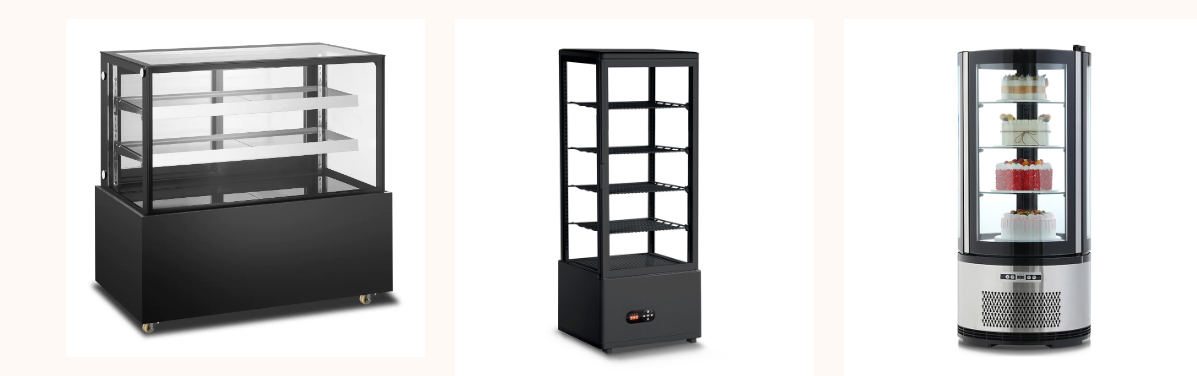
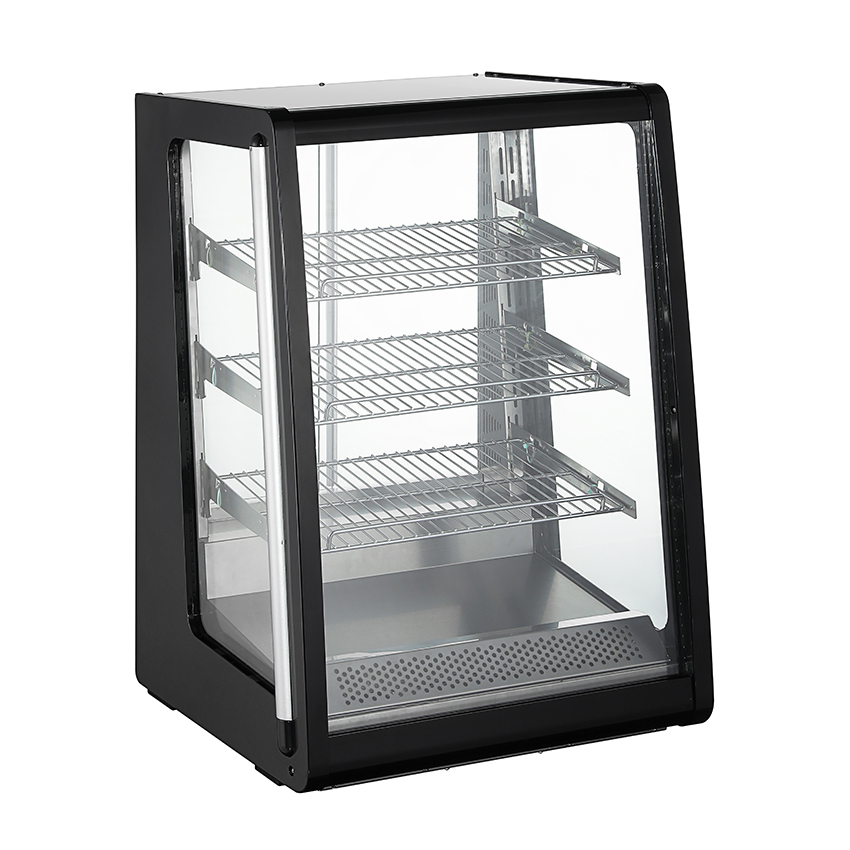
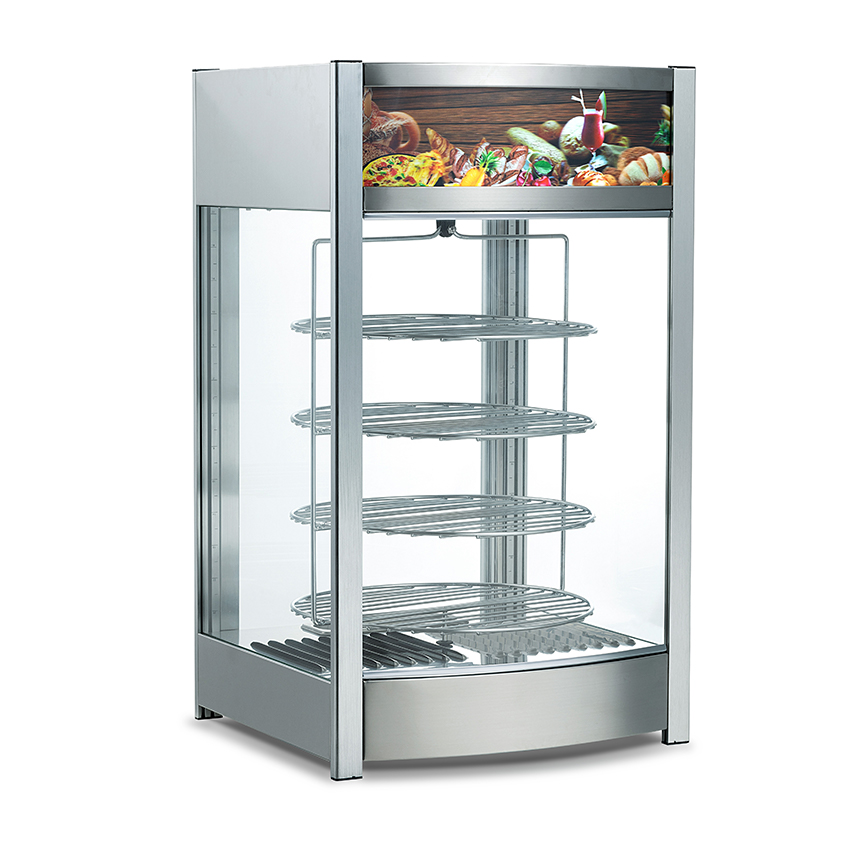
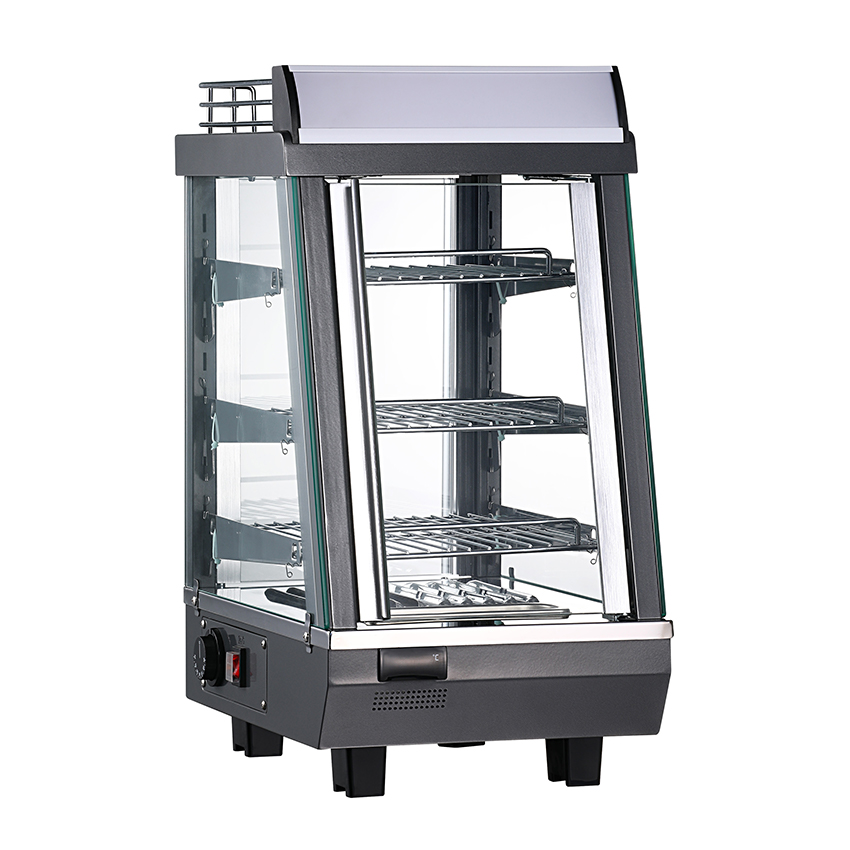
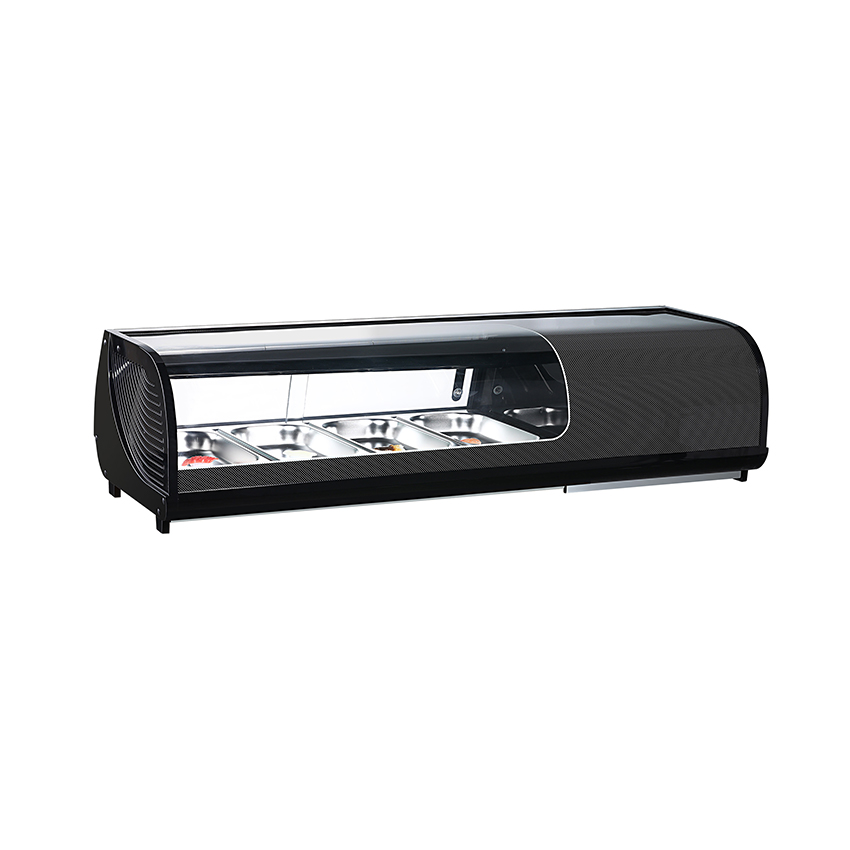
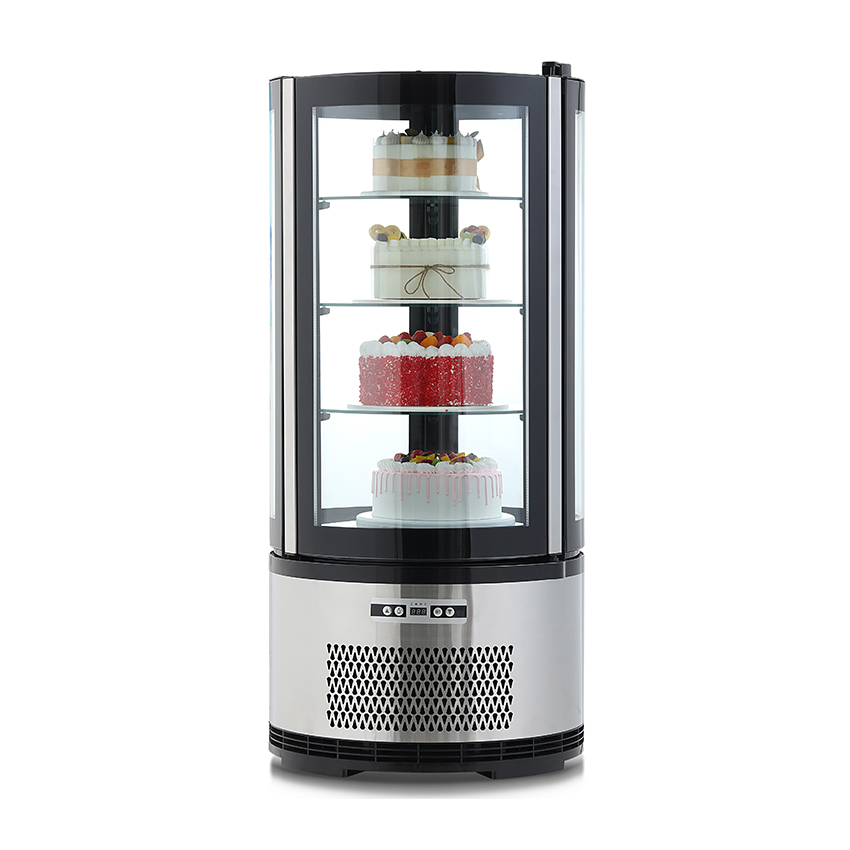
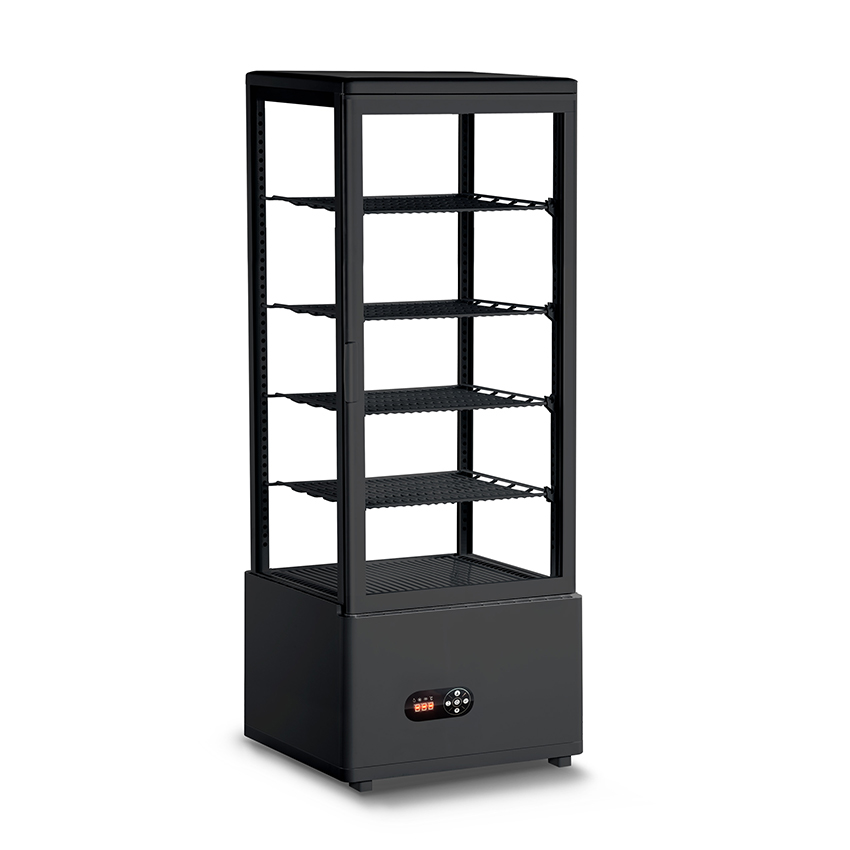
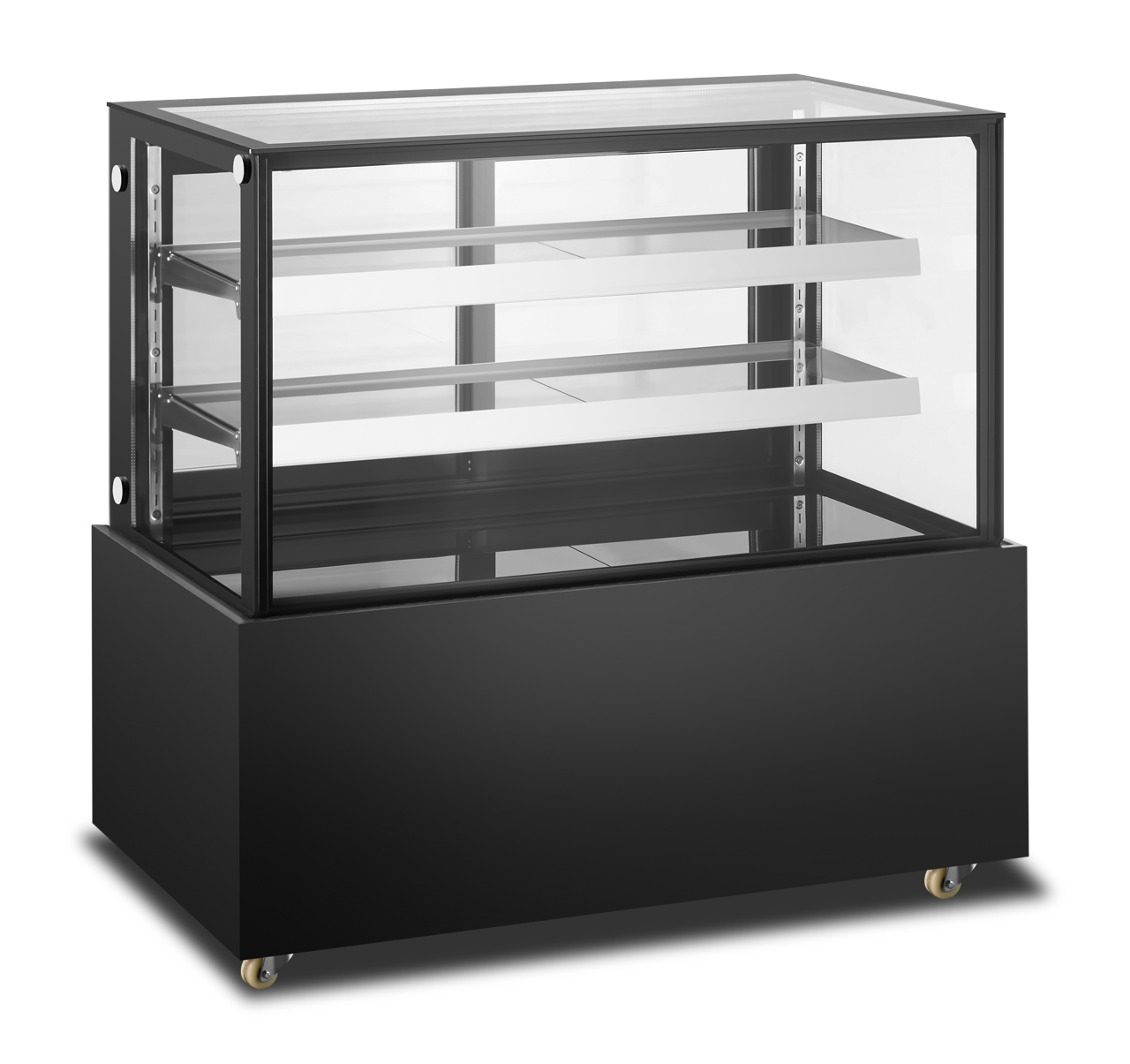
Multi-product thermal display cabinet
The multi-product thermal insulation display cabinet has various sizes, elegant appearance and unique design. It ad...



Two 500 lb ice machines can behave like completely different machines on the same site. Drop a water-cooled unit into a mall kiosk with no floor drain and you will spend your week chasing condensate and water bills. Put an air-cooled unit into a small back kitchen in August and the compressor will run hot, loud and long.
The decision comes down to one question: what can your building give the condenser? Air-cooled machines reject heat into the room through a fan and coil. Water-cooled machines reject it into a stream of water that leaves through a drain or returns to a cooling tower. Water bills, noise, service intervals and installation cost all follow from that single difference.
The short version: specify water-cooled when water is cheap, drainage is permanent and the room must stay quiet and cool. Specify air-cooled when water is scarce or metered, when installation has to be simple, and when the space can absorb the extra heat and fan noise. For most small shops, restaurants and convenience stores, that still points to air-cooled.
Content
Strip away the marketing and the choice comes down to two constraints — water availability and where the rejected heat can go.
| Factor | Air-cooled | Water-cooled |
| Heat rejection | Into the room, through a fan and finned coil | Into water, then to drain or cooling tower |
| Water use | Only the water bound in the ice, plus a small purge | Continuous condenser water, close to two gallons per pound of ice if once-through |
| Energy use | Higher in hot rooms; condensing temperature tracks ambient air | Lower and steadier; condensing temperature tracks water, not weather |
| Noise | Fan plus compressor, often 55–65 dB(A) | Mostly compressor only; noticeably quieter |
| Installation | Air clearance and ventilation only | Supply line, drain, water-regulating valve |
| Room impact | Warms the space it stands in | Almost none |
| Main maintenance | Cleaning the condenser fins | Descaling, water treatment, valve checks |
| Best fit | Retail, small kitchens, dry or water-scarce sites | Hotels, hospitals, bakeries, hot climates with stable water |
If you are comparing two specific models, ignore the purchase price for a moment. The unit that fits your building's water and ventilation will always cost less to own than the one that fights it.
An air-cooled machine uses a finned condenser coil and an axial fan. Room air is pulled across the fins, picks up the heat the refrigeration circuit has collected, and is discharged back into the room at roughly 10–15 °C above ambient. The cleaner the coil and the more space around the cabinet, the lower the condensing temperature and the shorter the compressor run time.
A water-cooled machine replaces that coil with a shell-and-tube or coaxial heat exchanger. Water passes over the hot refrigerant and carries the heat away, while a water-regulating valve throttles the flow so condensing pressure stays stable even as the incoming water temperature swings. Once-through systems send that water straight to drain; recirculating systems run it through a cooling tower and use it again.
The practical consequence is simple. An air-cooled condenser performs according to the weather and how clean it is; a water-cooled condenser performs according to water temperature and water quality. That is why scale, not ambient heat, is the main failure mode on water-cooled units.
The diagram shows a single condensing chassis with two possible exhaust routes: air pushed out by the condenser fan, or water carried away through a supply and return pipe.
Published water-footprint analyses of ice machines put once-through water-cooled consumption at roughly 187–193 gallons of condenser water for every 100 lb of ice produced. That is close to two gallons of water for every pound of ice you sell, and none of it ends up in the glass.
An air-cooled machine of similar capacity uses only the water that becomes ice — about 12 gallons per 100 lb — plus the small purge that goes down the drain during each harvest cycle, so roughly 15 gallons in practice.
The energy side runs the other way. In a hot kitchen a water-cooled machine holds a lower, steadier condensing temperature, so it draws fewer kilowatt-hours per pound of ice and its compressor runs cooler. In a climate-controlled room near 21 °C the difference narrows to a few percent; at 35 °C the gap widens quickly, because an air-cooled condenser has to push against much hotter air.
The obvious fix — recirculating condenser water through a cooling tower — can cut water consumption by well over 90 %. It also adds a pump, chemical treatment, bleed-off control and a Legionella risk-management programme. For a single machine under a few hundred pounds a day, those costs usually erase the saving.
Every kilowatt-hour the machine draws ends up as heat that has to leave the building. An air-cooled unit dumps all of it into the room it stands in. In a small back kitchen that is immediately noticeable, and in summer the air conditioner pays for it twice. Keep 150–300 mm of clearance on the intake and discharge sides, and never box the unit into a cupboard.
Noise follows the same logic. Air-cooled units add fan noise on top of compressor noise, which is why they are often measured in the 55–65 dB(A) range. Water-cooled units are far quieter because the fan disappears. In an open-fronted shop or a hotel corridor, that difference is usually the deciding factor.
The same trade-off appears in commercial refrigeration. A low-noise tabletop refrigerated display cabinet, for example, is engineered so its condenser can reject heat quietly into a sales area without turning the counter into a hotspot — exactly the balance an air-cooled machine has to strike.
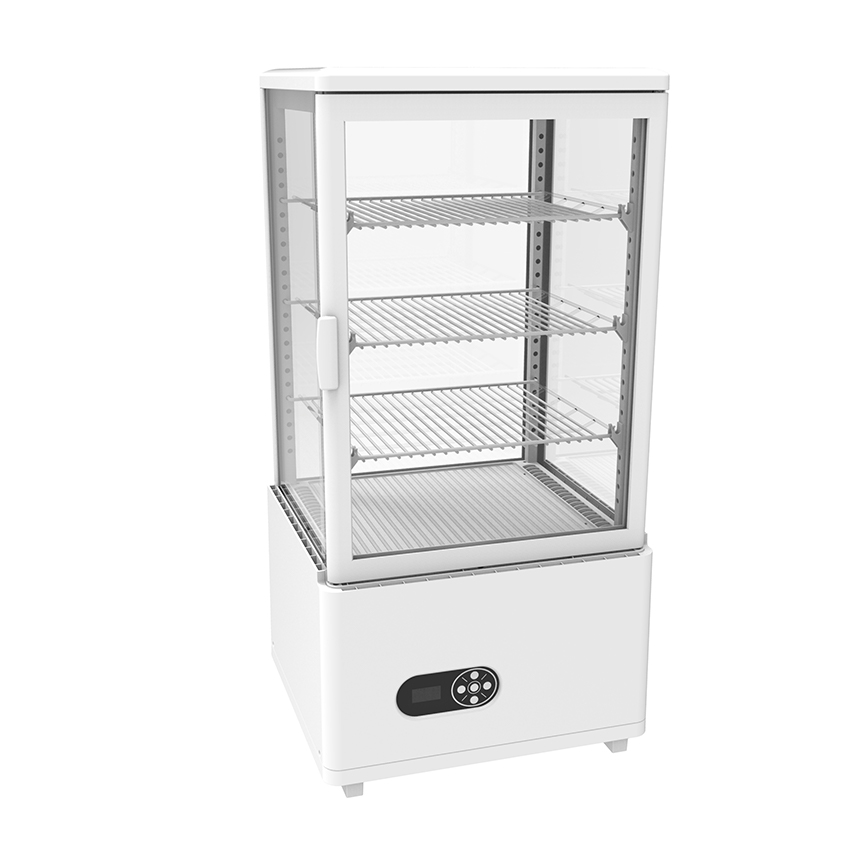 Low Noise Tabletop Refrigerated Display Cabinet SeriesLow-noise tabletop refrigerated display cabinet for commercial cold food, with configurable LED lighting, glass doors, temperature control, and batch customization.View Product →
Water-cooled units usually cost more up front: heat exchanger, water-regulating valve and plumbing. Air-cooled units are cheaper to buy and quicker to install. Beyond that, running cost depends almost entirely on local water and electricity rates.
Run the arithmetic with your own numbers. Multiply the daily condenser water figure by your metered water and sewer rate, then compare it with the electricity saved by the lower condensing temperature. Where water and sewer charges are high, water-cooled rarely pays back on a small machine. In a hotel or hospital with cheap water, permanent drainage and noise-sensitive guests, it usually does.
The chart is a general design comparison rather than a measurement of any single model — use it as a checklist of trade-offs, not as a datasheet.
Ice machines are only one place where condenser choice matters. Cake display cabinets, freezers, sushi cases and hot holding cabinets all reject heat, and the air-cooled versus water-cooled question returns every time a shop is fitted out. A bakery counter that adds a cabinet also adds a steady heat load, and a shop with no floor drain cannot use a water-cooled design at all, however efficient it looks on paper.
That is the environment Zhejiang Fuerj Electric Science And Technology Co., Ltd. builds for. Founded in 1997, the company produces both electric heating products and refrigeration products such as freezers and cake showcases from a 110,000 m² site with 85,500 m² of buildings and 650 employees, 85 of them engineering and technical staff. More than 160 employees hold a college degree or above, and 35 % of the senior leadership team holds a college degree or above with corresponding professional titles. Annual output reaches 750,000 sets, and the products carry GS, CB, RoHS, UL, COC and CCC approvals for markets in Europe, the Americas, Asia and Africa.
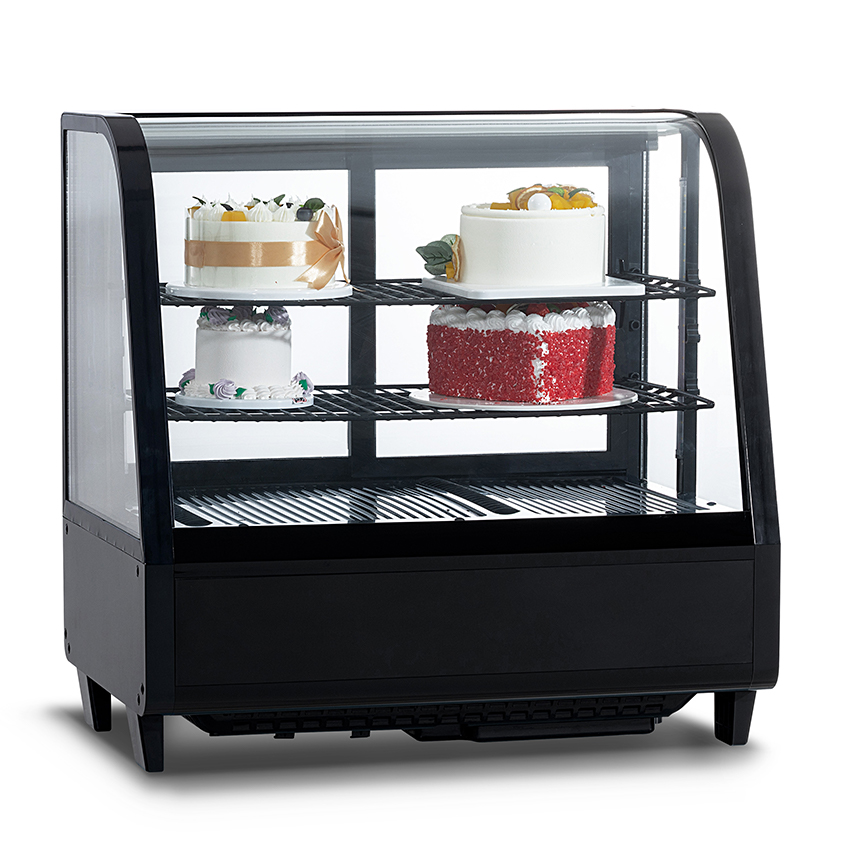 Commercial Cake Display Cabinet for Restaurants and SupermarketsCommercial cake display cabinet by Zhejiang Fuerj, featuring refrigeration, LED lighting, temperature control, and bulk customization for restaurants and supermarkets.View Product →
If you are specifying a cabinet rather than an ice machine, the same water, drainage and heat questions apply. This guide to choosing the right commercial refrigerated display cabinet is a useful starting point before the sales floor layout is fixed.
Work through these points before the purchase order is signed:
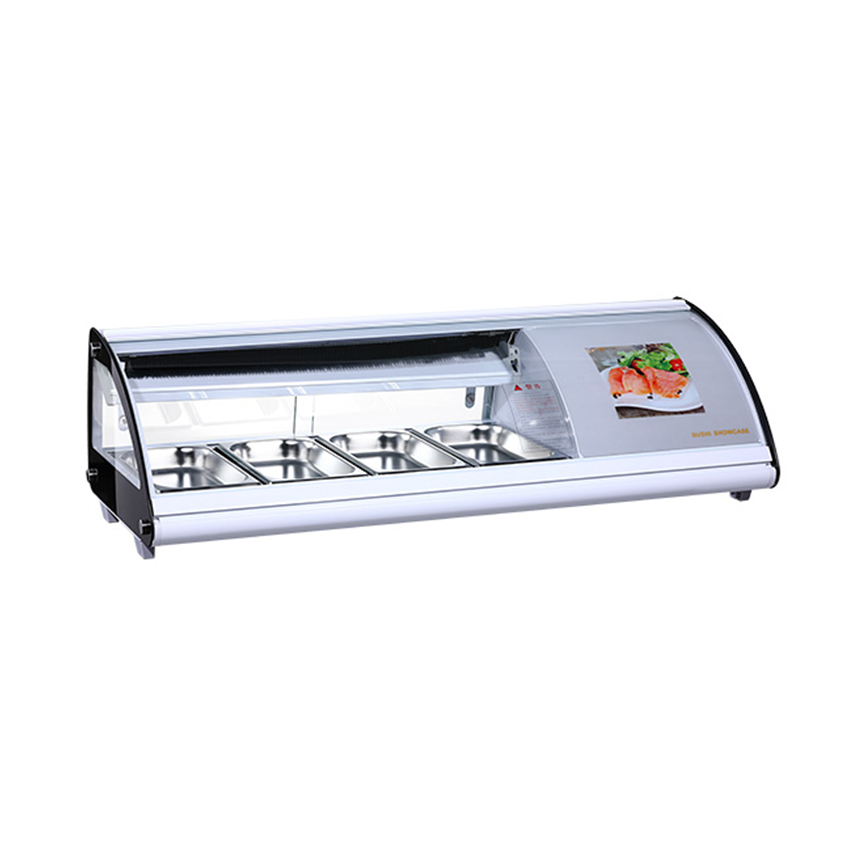 Commercial Sushi Display Cabinet with Intelligent Temperature ControlCommercial sushi display cabinet with GN-standard sizing, intelligent temperature control, corrosion-resistant materials, and bulk customization for sushi restaurants, supermarkets, and convenience stores.View Product →
The same checklist scales down to smaller cases. A sushi display cabinet, for instance, typically uses air-cooled condensing and a front-facing evaporator so the case stays cold without a drain line, but it still needs clean airflow around the condenser and a level surface. The commercial freezer and showcase range applies that logic across countertop and floor-standing formats.
Q1. Can I convert a water-cooled ice machine to air-cooled?
In practice, no. The two designs use different condensers, refrigerant charges and control logic. A few manufacturers sell conversion kits for specific models, but parts and labour usually cost more than replacing the unit.
Q2. How much water does a water-cooled ice machine use per day?
A once-through unit making 500 lb of ice a day uses roughly 900–950 gallons of condenser water daily, based on about 1.9 gallons per pound. On a cooling tower that drops to a small daily top-up plus bleed-off.
Q3. Is water-cooled still worth it if my water is metered?
Sometimes, but less often than people expect. Multiply the daily water figure by your combined water and sewer rate, then compare that with the electricity saved by the lower condensing temperature. Where water charges are high, air-cooled usually wins.
Q4. Why does my air-cooled machine make the kitchen so hot?
Because everything it removes from the water, plus the heat of compression, is discharged into the room. Clearance, a clean coil and cross-ventilation reduce the effect but cannot remove it. If the room cannot absorb the heat, use water-cooled or a remote condenser.
Q5. Do water-cooled machines always need a cooling tower?
No. Once-through operation is common where water is cheap and drainage is available. Towers are used where water is metered or restricted; they cut consumption sharply but add pumps, chemical treatment and a risk-management programme.
Q6. Which type lasts longer?
Water-cooled compressors generally see lower, steadier condensing pressures, which helps service life. But scale and untreated water can ruin a water-cooled condenser faster than a dusty air-cooled coil. Maintenance decides the lifespan.

Copyright © Zhejiang Fuerj Electric Science And Technology Co., Ltd. Rights Reserved. Food Showcase Display Manufacturer Fireplace Factory
