 English
 русский
 Español
 Français
 عربى
عربى italiano
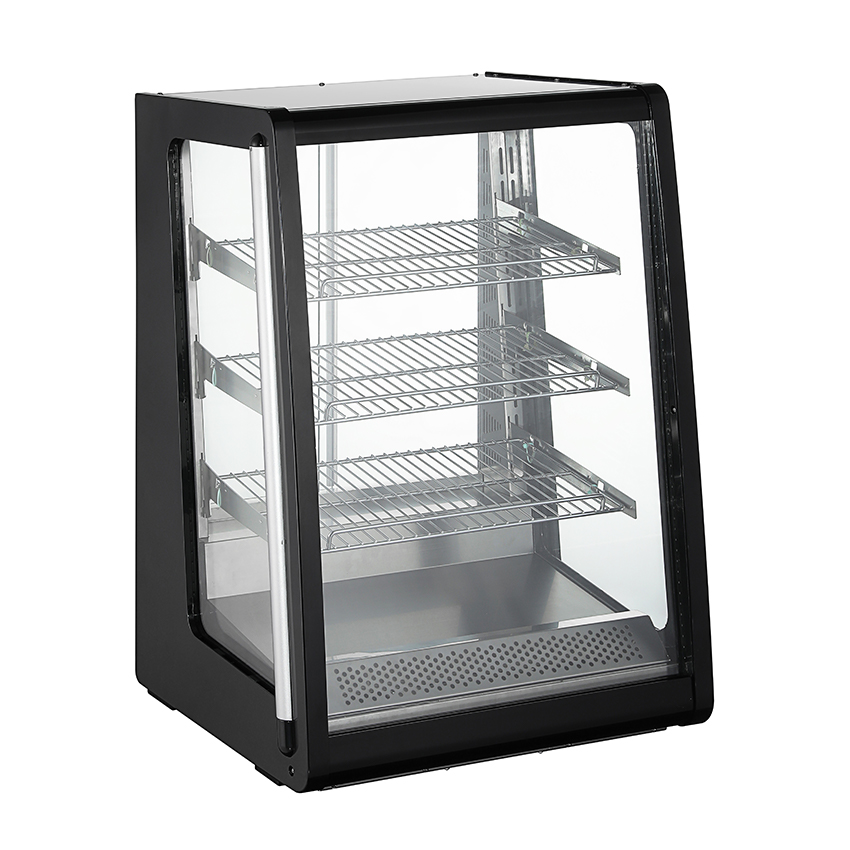
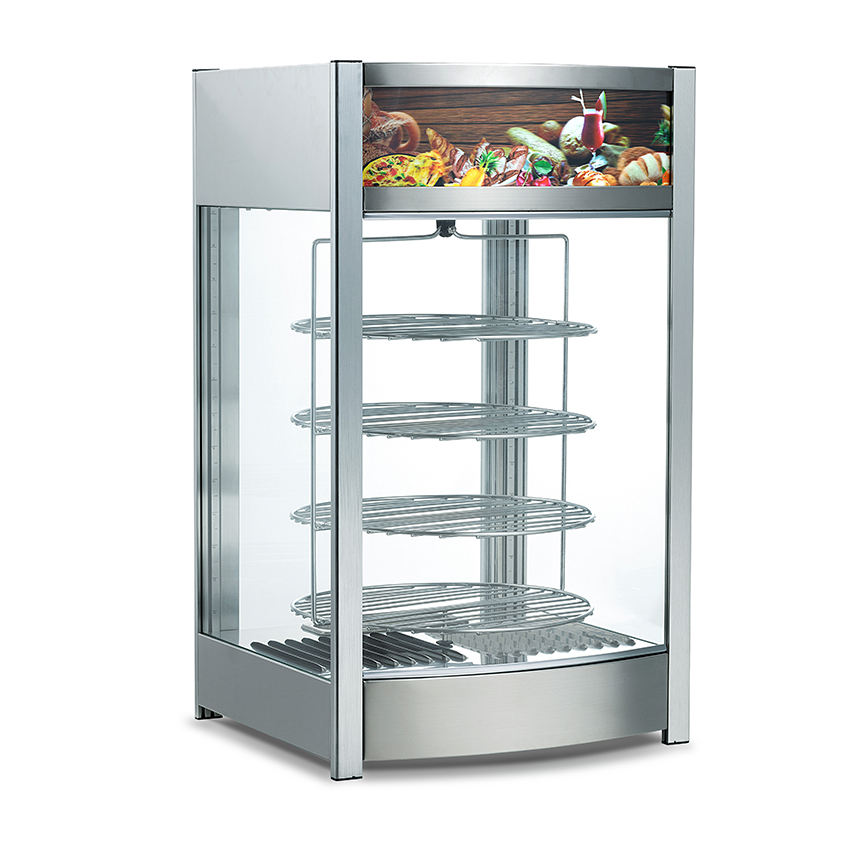
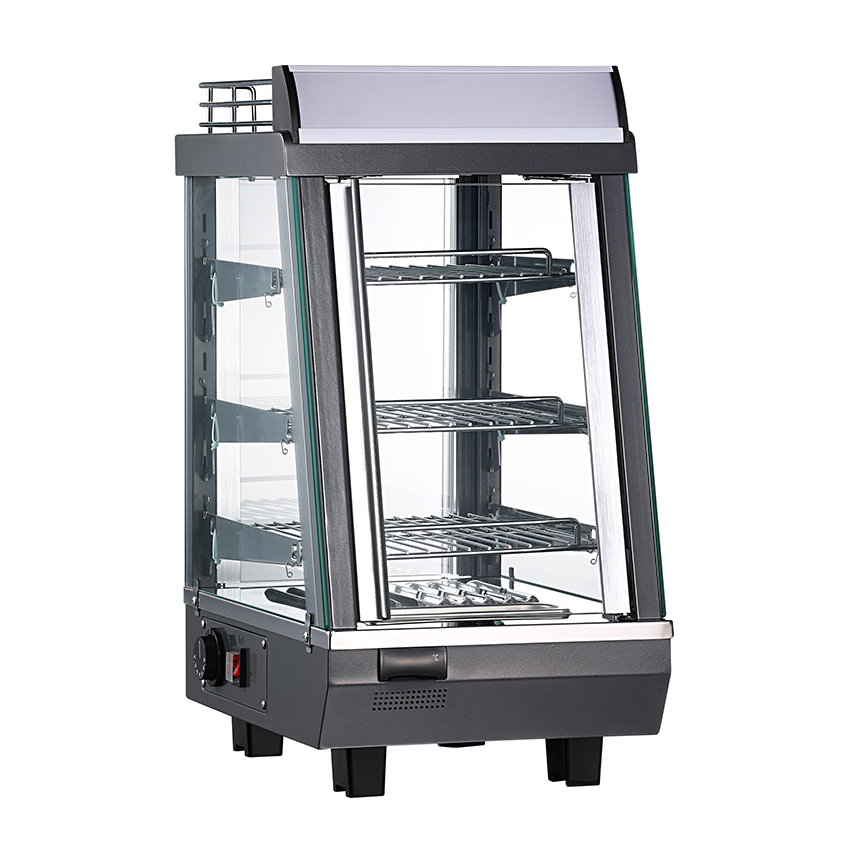
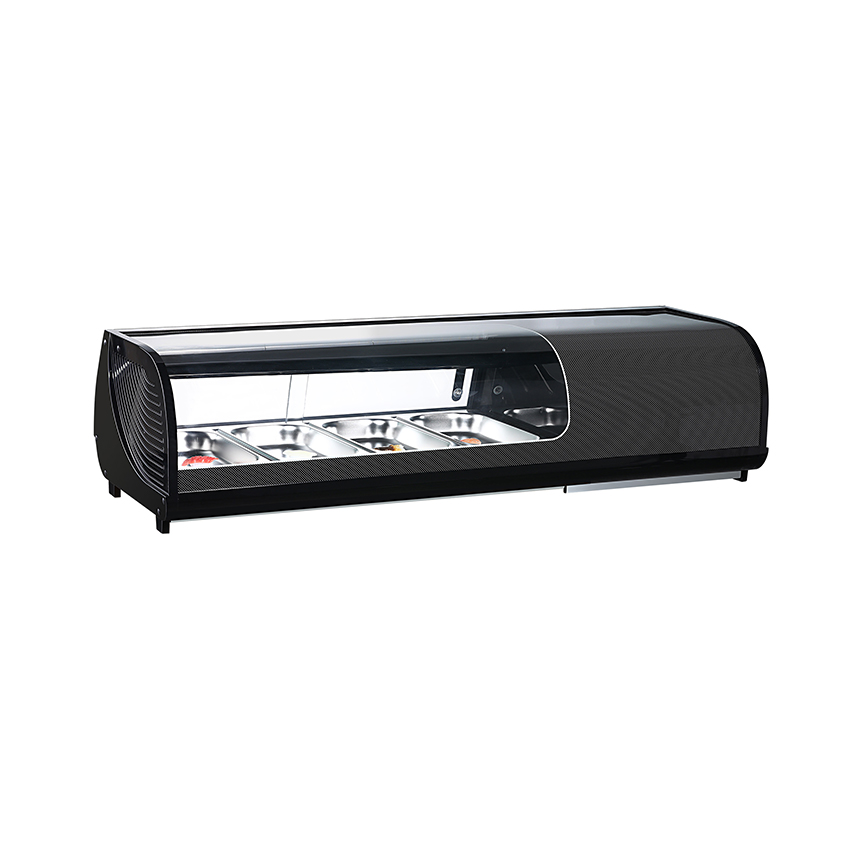
Multi-product thermal display cabinet
The multi-product thermal insulation display cabinet has various sizes, elegant appearance and unique design. It ad...



Content
A commercial food warming cabinet keeps cooked food at a safe, serving-ready temperature for several hours without overcooking it, which makes it a core piece of restaurant kitchen food holding equipment. Rather than continuing to cook, the cabinet maintains the food's existing texture and moisture by surrounding it with controlled warm air. This is why these units are sometimes simply called a table hot cabinet in foodservice supply contexts.
These cabinets are used across very different kitchen sizes. A commercial table top food warmer for restaurant service sits on a counter near the pass and holds a few trays of sides, sauces, or proteins. At the other end, a large stainless steel hot holding cabinet for catering operations may hold dozens of full-size pans for banquets, hotels, or institutional dining halls.
Stainless steel is the standard material for both the interior and exterior of a food warmer cabinet stainless steel build because it resists corrosion from steam and food acids, cleans quickly with standard kitchen sanitizers, and holds up to daily use in high-traffic kitchens. Most units include adjustable shelving, a thermostat dial or digital control, and a sealed door to limit heat loss.
The horizontal bar chart above shows how holding cabinets are distributed across foodservice settings. Restaurants and catering companies together account for the largest share, which reflects the constant need to bridge the gap between batch cooking and service timing. Hotels and banquet halls rely heavily on larger units for events, while fast food and quick-service shops tend to favor compact countertop models positioned near the front counter for fast access during peak hours.
Inside an electric food warming cabinet for buffet or back-of-house use, a heating element warms the air inside an insulated chamber, and that warm air circulates around the food through natural convection or a small fan. A thermostat continuously checks the internal temperature and switches the heating element on and off to keep it close to the setpoint, typically adjustable across a range that covers both low-temperature proofing and higher-temperature holding.
Many cabinets also include a water reservoir or humidity tray. Adding moisture to the warm air slows down evaporation from the food's surface, which is the main mechanism behind how to keep food warm for long time restaurant operations rely on without sacrificing texture. Without this moisture, dry-heat convection alone will gradually pull water out of the food, especially from items like roasted meats, rice, or sauces.
Double-wall insulated panels reduce how often the heating element needs to cycle, which both saves energy and keeps the outer cabinet surface cooler and safer to work near. The thicker the insulation and the tighter the door seal, the more stable the internal environment remains even when the kitchen door opens and closes frequently around it.
This line chart compares two holding scenarios over a four-hour service window. The upper line, representing a cabinet with an active humidity tray, stays close to its setpoint with only minor fluctuation as the thermostat cycles. The lower line shows a steady downward drift when humidity control is absent, since evaporative cooling from the food surface works against the heating element. This pattern is the most common explanation people find when searching for why food dries out in warming cabinet setups that otherwise seem to be working correctly.
Not all commercial food warmer equipment is built to the same standard, and a handful of features make the biggest practical difference in daily kitchen use. The table below summarizes the specifications that are most worth checking before narrowing down a shortlist.
| Core specifications to review when comparing food warming cabinets | ||
| Feature | Typical Range | Why It Matters |
| Temperature Range | 30°C to 90°C | Covers proofing, holding, and crisping needs |
| Body Material | Full stainless steel | Corrosion resistance and easy sanitizing |
| Humidity Control | Removable water tray or auto-fill | Keeps food from drying out |
| Insulation | 25mm to 50mm double wall | Reduces energy use and exterior heat |
| Door Type | Glass, solid, hinged, or sliding | Balances visibility and heat retention |
| Shelving | 1 to 3+ adjustable levels | Sets total holding capacity |
A few additional details often separate a good cabinet from a great one in daily practice:
The clearest benefit of a reliable holding cabinet is consistency: food leaves the kitchen at the same quality whether it was plated the moment it finished cooking or twenty minutes later during a rush. This consistency directly supports food safety compliance, since most health codes require hot food to stay above a minimum internal temperature throughout service.
A second benefit is workflow flexibility. Kitchens can batch-prepare items like fried sides, sauces, soups, and baked goods during slower periods and hold them safely until ordered, rather than cooking everything strictly to order. This is particularly useful for menus with high-volume repeat items, where consistent timing matters more than individual customization.
A third, often underestimated benefit is reduced food waste. When food is held at the correct temperature and humidity, it stays within an acceptable quality window for longer, which means fewer trays need to be discarded at the end of a shift due to drying, over-crisping, or temperature drop below safe holding levels.
This column chart ranks the operational areas most influenced by consistent hot holding practices. Food safety compliance sits at the top because it reflects a regulatory requirement rather than a preference, making it the most consistently cited benefit across kitchen operations. Reduced food waste follows closely, since properly held food rarely needs to be discarded for quality reasons. Service speed and staff workload show smaller but still meaningful improvements, largely because batch holding reduces the number of last-minute preparation steps during peak hours.
The right choice depends mainly on three factors: how much food needs to be held at once, how long it needs to stay warm, and how much counter or floor space is available. A countertop food warmer for fast food shop environments is usually the right fit when space is limited and turnover is fast, since these units sit directly behind the counter and hold only what is needed for the next hour or two of service.
The best temperature for food holding cabinet use is not a single fixed number; it depends on what is being held. Fried and breaded items generally do better with lower humidity and slightly higher dry heat to preserve crispness, while soups, sauces, rice, and braised dishes benefit from a humid environment to prevent a dry skin from forming on the surface.
Because these cabinets often run for an entire service period, choosing an energy efficient food warming cabinet with strong insulation and an accurate thermostat can noticeably reduce how often the heating element cycles. Tighter door seals and thicker panel insulation both contribute to fewer heating cycles over a multi-hour shift, which adds up across a full week of service.
The radar chart compares countertop and floor-standing cabinets across six practical criteria that matter when narrowing down options. Floor-standing units tend to score higher on holding time, capacity, and humidity control, which suits catering companies and hotels handling large events. Countertop cabinets score higher on portability and space efficiency, making them a strong match for compact kitchens, food trucks, or quick-service counters where every square foot of space is already accounted for.
The food warmer vs steam table difference comes down to design intent. A steam table uses open wells filled with steam or hot water beneath food pans and is built for front-of-house buffet display, where food remains visible and accessible to staff or guests throughout service. A food warming cabinet is fully enclosed and insulated, designed primarily for back-of-house holding before plating, which helps retain moisture and heat more effectively than an open well over longer periods.
| Common questions from restaurant and catering buyers about hot holding cabinets | |
| Q1: How long can a holding cabinet keep food safe? | Q2: What is the best temperature for a food holding cabinet? |
| As long as the internal temperature stays above the safe hot holding threshold, most cooked food can be held for several hours without quality loss. | It varies by food type, with dry-heat settings preferred for fried items and humidity-assisted settings preferred for soups, sauces, and rice dishes. |
| Q3: Why does food dry out in a warming cabinet? | Q4: What is the difference between a food warmer and a steam table? |
| Drying usually happens when humidity control is missing or the door is opened too often, letting warm moist air escape and surface moisture evaporate. | A steam table uses open water wells for buffet display, while a food warming cabinet is a sealed insulated unit suited to back-of-house holding. |
| Q5: Why is stainless steel preferred for these cabinets? | Q6: Is a countertop warmer enough for a fast food shop? |
| Stainless steel resists corrosion from steam and moisture, cleans easily with standard sanitizers, and holds up well under daily commercial use. | For most quick-service counters, a compact countertop unit holds enough fried items and sides for steady turnover near the point of sale. |
| Q7: How does humidity control help food quality? | Q8: What makes a cabinet more energy efficient? |
| It adds moisture to the holding chamber, which slows surface evaporation so food stays tender rather than drying out or hardening. | Thicker double-wall insulation, sealed door gaskets, and an accurate thermostat all reduce how often the heater needs to cycle on. |

Copyright © Zhejiang Fuerj Electric Science And Technology Co., Ltd. Rights Reserved. Food Showcase Display Manufacturer Fireplace Factory
