 English
 русский
 Español
 Français
 عربى
عربى italiano
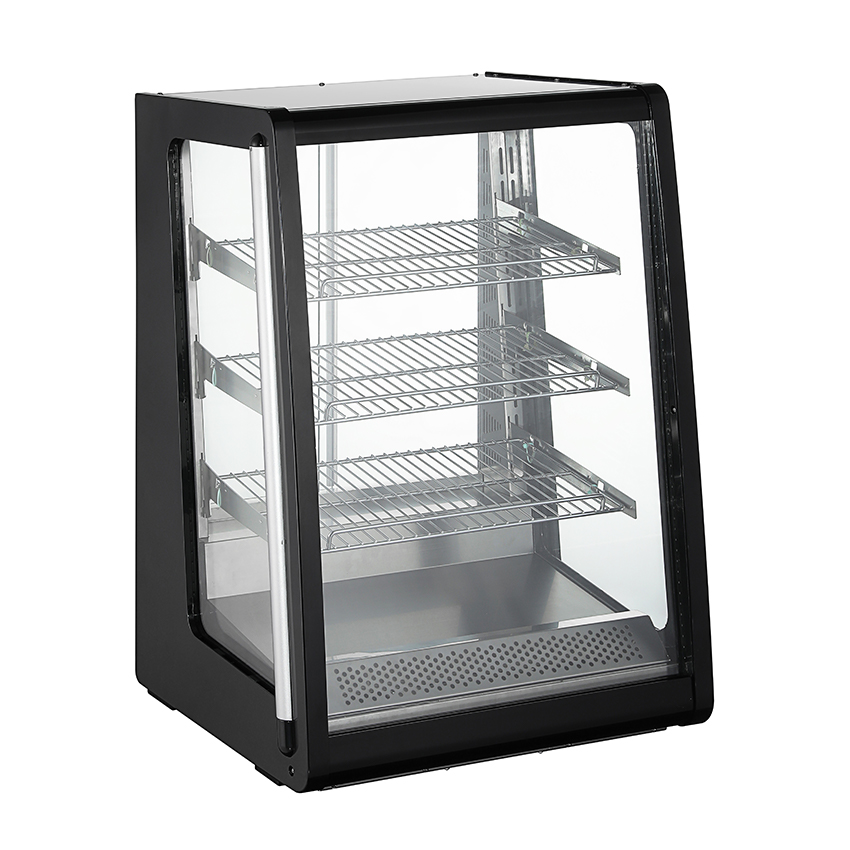
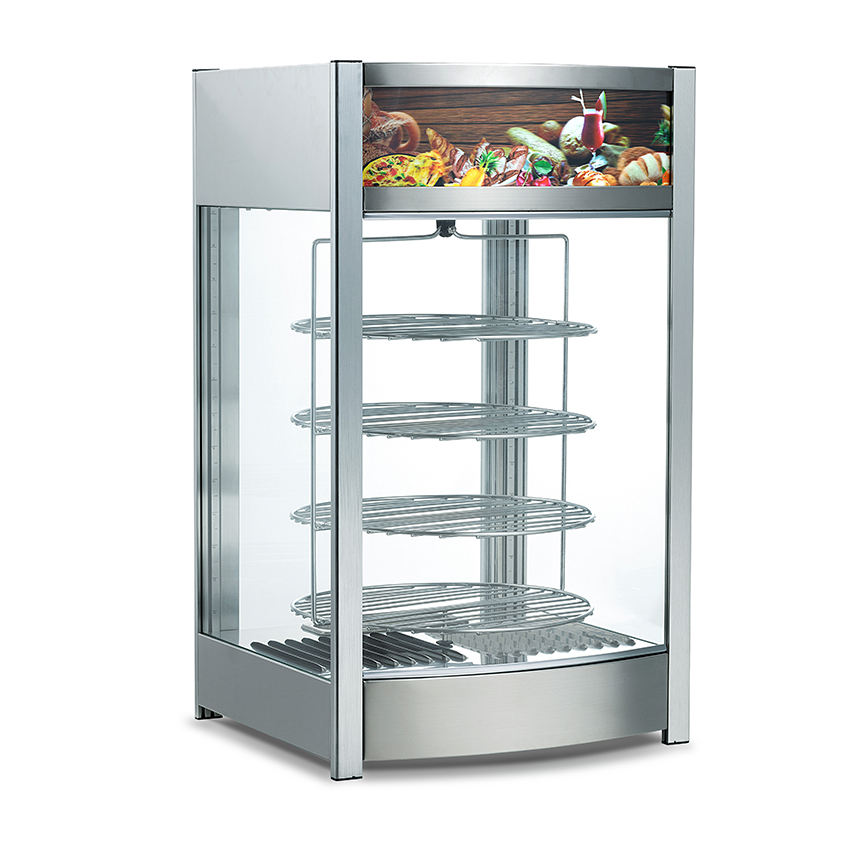
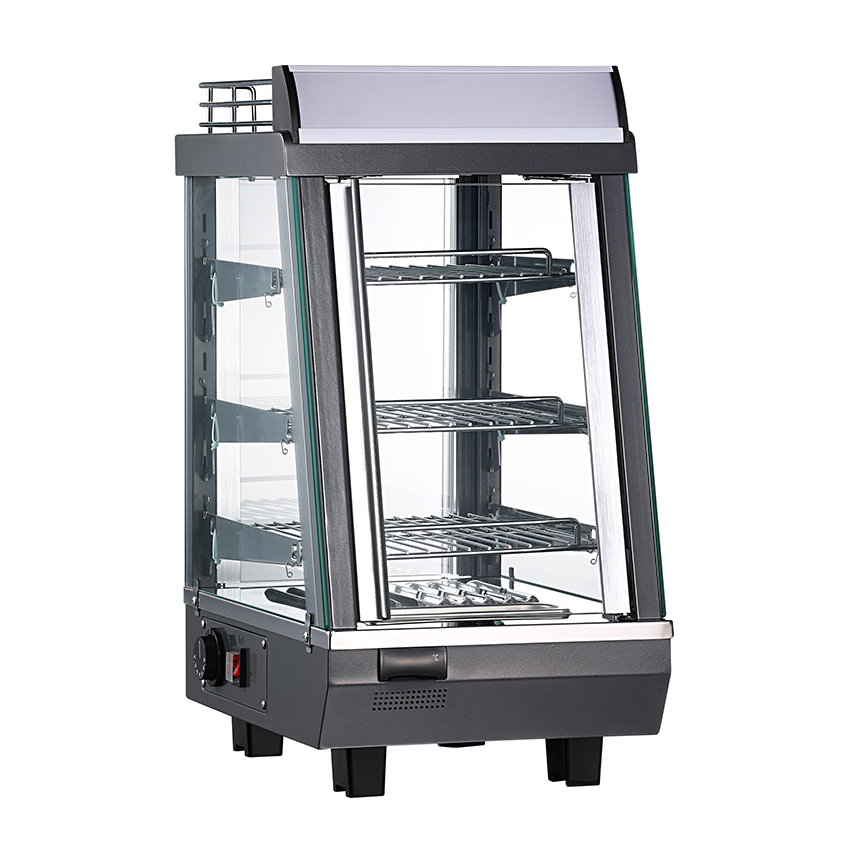
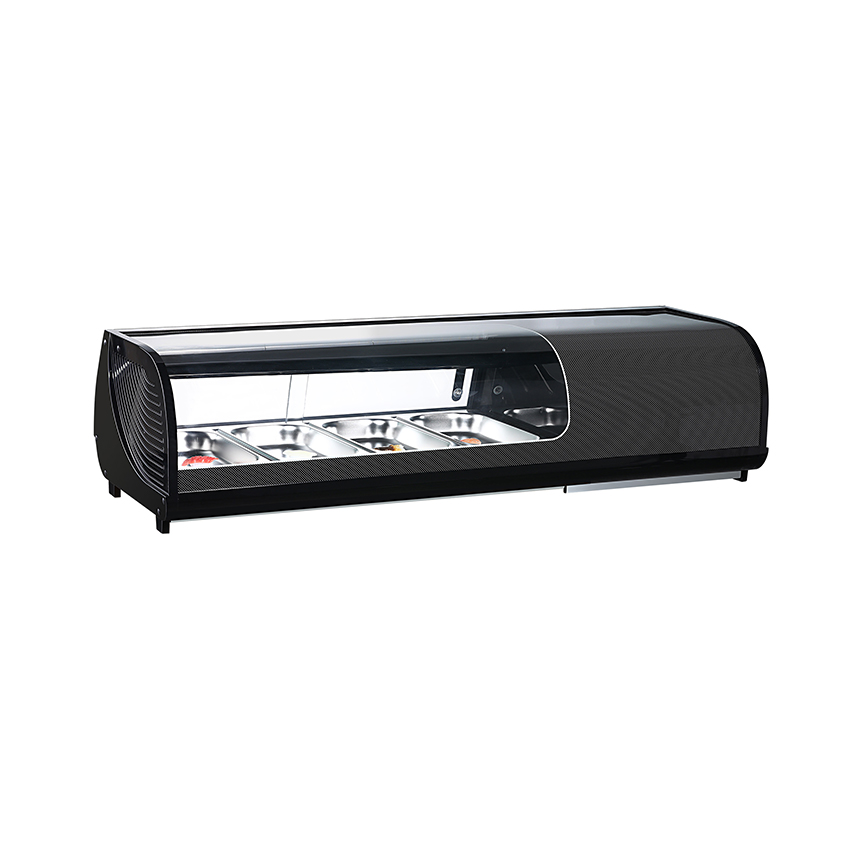
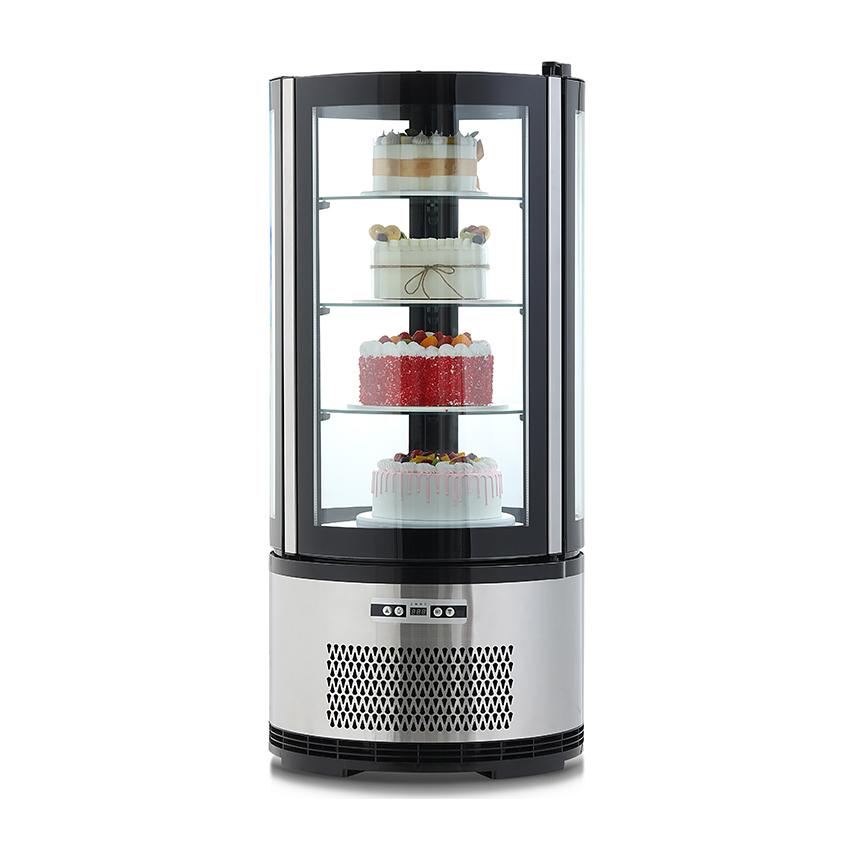
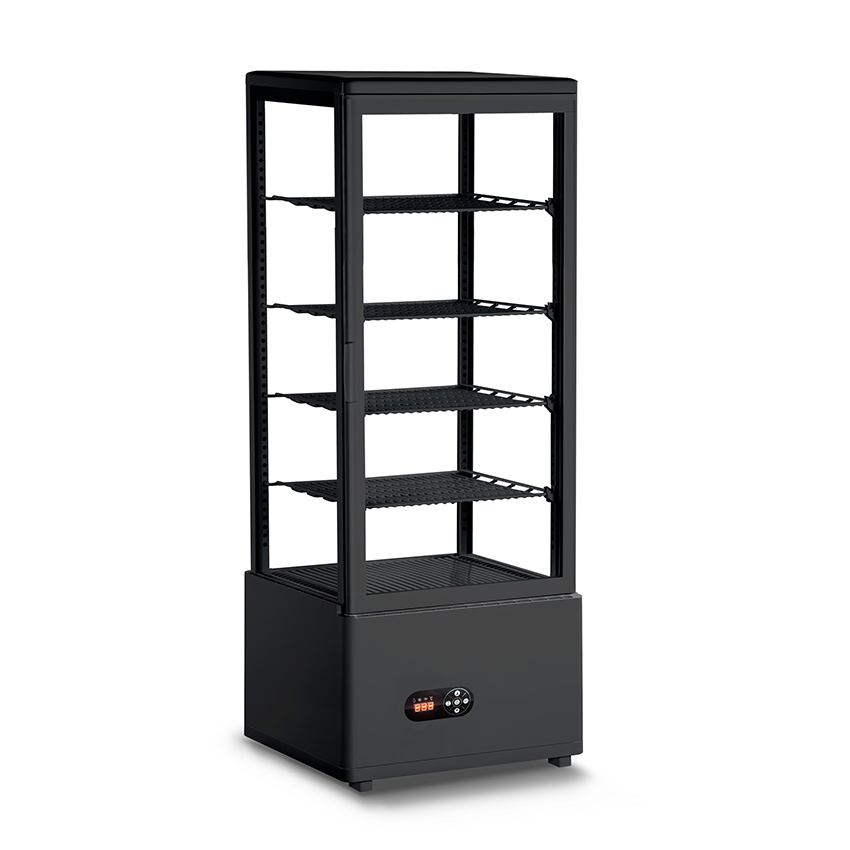
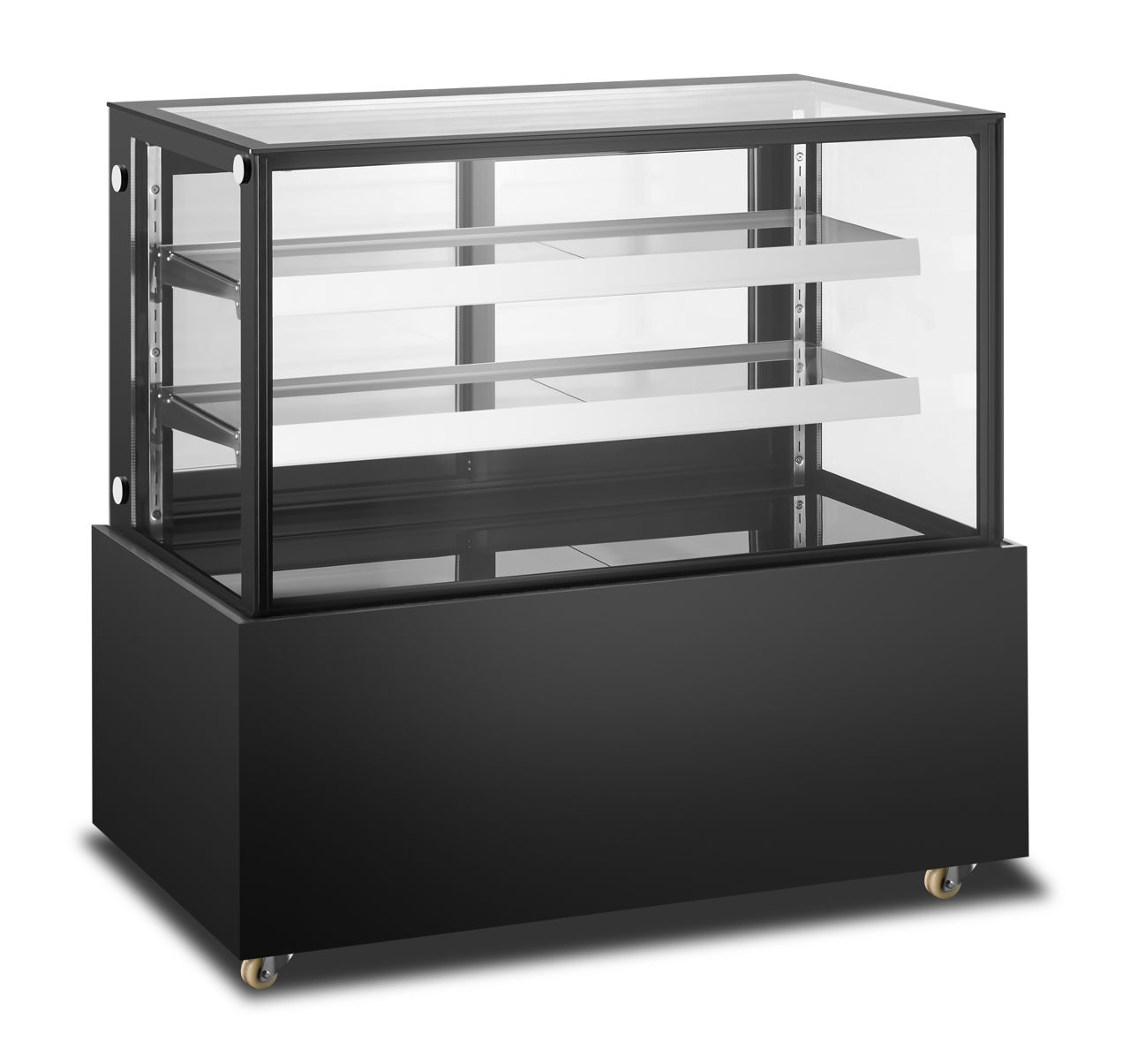
Multi-product thermal display cabinet
The multi-product thermal insulation display cabinet has various sizes, elegant appearance and unique design. It ad...



The direct answer: cakes stored in a quality refrigerated cake display cabinet maintained at 2–5°C can stay fresh for 2 to 5 days depending on cake type, ingredients, and whether the cabinet provides stable humidity control alongside refrigeration. Cream-based and mousse cakes typically last 2–3 days, while fondant-decorated or dry-sponge cakes can remain presentable for up to 4–5 days under properly controlled display conditions. Without refrigeration — in an ambient cake showcase cabinet — most fresh cream cakes should not be displayed for more than 4–6 hours in a commercial environment.
This guide covers the science behind cake freshness in display settings, how different cabinet technologies affect shelf life, what temperature and humidity ranges to maintain for each cake type, and what to look for when choosing a cake display cabinet that genuinely preserves product quality rather than just showcasing it visually.
Content
Not all cakes age at the same rate. The primary variables that determine display lifespan are moisture content, fat composition of the frosting or filling, and the stability of any decorative elements. Understanding the freshness window for each cake category is the foundation of any effective display rotation strategy for bakeries and patisseries.
All values assume consistent refrigeration at 2–5°C with relative humidity 60–70% inside the cabinet. Fresh fruit tarts degrade most rapidly due to moisture migration from fruit into pastry, while fondant-covered cakes benefit from the protective moisture barrier of the fondant coating itself.
Mousse cakes and fresh cream gateaux are the most time-sensitive category in any bakery display cabinet setting. Their high water activity and aerated structures make them vulnerable to both bacterial growth above 5°C and texture collapse from humidity fluctuations. A refrigerated cake display cabinet that maintains consistent 3°C with ±1°C variation — rather than cycling between 2°C and 8°C — can extend the usable display life of mousse cakes by as much as 30% compared to cabinets with imprecise thermostat control.
| Table 1: Recommended Display Parameters by Cake Category in a Cake Display Refrigerator | |||
| Cake Type | Temp Range (°C) | Humidity (%RH) | Max Display Time |
| Mousse / Bavarois | 2–4°C | 60–65% | 2 days |
| Fresh Cream Cake | 2–5°C | 60–70% | 2.5 days |
| Cheesecake | 3–5°C | 65–70% | 3 days |
| Buttercream Layer Cake | 3–6°C | 55–65% | 4 days |
| Fondant / Dry Sponge | 4–8°C | 50–60% | 5 days |
| Fresh Fruit Tart | 2–4°C | 55–65% | 24 hours |
Temperature consistency, not just temperature level, is the most critical factor in cake longevity inside a cake display cabinet. A cabinet that averages 4°C but fluctuates between 1°C and 7°C during compressor cycles causes repeated condensation and evaporation cycles on cake surfaces — accelerating staling, surface cracking on fondant, and weeping of cream fillings. Research in commercial food refrigeration consistently shows that temperature variation above ±2°C from target setpoint is a primary driver of premature freshness loss in pastry and cake products.
The chart demonstrates a steep, non-linear relationship between temperature fluctuation and usable display life. A cabinet maintaining ±0.5°C delivers nearly 6× the freshness window of one with ±5°C variation. This underscores why compressor cycling behavior and insulation quality are as important as the target temperature setting when selecting a cake display refrigerator.
Frequent door opening in high-traffic retail environments is one of the most common sources of temperature instability in a bakery display cabinet. Each door opening introduces a warm air pulse that the refrigeration system must compensate for. Cabinets with well-sealed magnetic gaskets, anti-fog double-glazed glass doors, and fast-recovery compressors recover to setpoint temperature within 60–90 seconds of a door closure, compared to 3–5 minutes for lower-specification units — a meaningful difference in busy bakery or patisserie environments with dozens of daily door cycles.
While most cake business operators focus on temperature, humidity management inside a cake showcase cabinet is equally critical and often poorly understood. The ideal relative humidity (RH) for most fresh cake types is 60–70%. Below 55% RH, cakes dry out and develop surface cracking — particularly problematic for ganache-topped and buttercream-finished products. Above 75% RH, condensation forms on sugar decorations and moist cream surfaces, promoting mold growth and surface weeping.
A refrigerated cake display cabinet with active humidity control outperforms ambient display solutions across all six freshness-related performance dimensions. The most significant gaps appear in temperature stability, product lifespan, and hygiene safety — the three dimensions most directly linked to food safety compliance and customer satisfaction in professional bakery and patisserie environments.
Some operators mitigate humidity issues by placing small open containers of water inside ambient cabinets, or by avoiding the practice in high-humidity climates. Neither approach provides the precise control available in a purpose-built refrigerated cake display cabinet with active humidity regulation. For commercial settings where cake appearance directly drives purchase decisions — such as hotel patisseries, cake shops, and upscale supermarkets — investing in humidity-controlled display solutions is a demonstrable differentiator in product presentation quality.
Lighting inside a cake display cabinet serves dual purposes: it makes cakes visually appealing to customers, and — when chosen correctly — it avoids contributing to freshness degradation. Traditional incandescent and halogen lighting generates significant heat, raising interior cabinet temperatures near the top shelves by 3–6°C above ambient cabinet temperature, which accelerates cream softening and condensation on confectionery elements. Modern LED lighting systems, which generate far less radiant heat, are now the industry standard in quality cake showcase cabinets.
LED lighting generates approximately 90% less radiant heat than incandescent alternatives at equivalent light output levels. Inside a refrigerated cake display cabinet, this difference translates directly into more stable internal temperatures, reduced compressor workload, and lower energy consumption — all contributing to better cake preservation and lower operating costs for bakery businesses.
Beyond heat considerations, the color rendering index (CRI) of display lighting affects how appetizing cakes appear to customers. LED lighting with a CRI of 90 or above and a color temperature of 3000K–3500K (warm white) renders cream yellows, berry reds, and chocolate browns with accurate saturation that cold fluorescent lighting at 4000K–5000K fails to achieve. Quality bakery display cabinets from experienced manufacturers specify their LED systems to both thermal and optical standards simultaneously.
Commercial bakery operations are subject to food safety regulations that impose specific temperature and time requirements on perishable food display. In most jurisdictions, fresh cream cakes and dairy-containing products must be maintained at below 8°C at all times during display, with most food safety authorities recommending 5°C or lower as an operational target to provide a safety margin above the regulatory limit. Exceeding these temperature thresholds — even briefly during a door-opening sequence — can constitute a food safety violation in inspected establishments.
A well-specified cake display refrigerator with certified thermostatic control, an audible temperature alarm, and a display temperature log function provides the documentation trail that food safety inspectors and HACCP compliance programs require. When sourcing from a cake display cabinet manufacturer, requesting documentation of the cabinet's certified operating temperature range and temperature recovery time after door opening is a standard due diligence step.
Selecting the right cake display cabinet is a long-term investment that directly affects product quality, energy costs, and the visual identity of your retail space. The technical specifications that matter most for cake freshness and business performance are often not prominently featured in basic product listings — they require specific questions to any bakery display cabinet supplier or cake display cabinet manufacturer.
Temperature accuracy and ease of cleaning score highest among professional bakery operators, confirming that performance and hygiene practicality outweigh aesthetic or technology features in day-to-day commercial use. OEM and customization capability ranks fifth — reflecting the growing demand from multi-location bakery chains and franchise operators who require brand-consistent display formats across their store networks.
Zhejiang Fuerj Electric Science And Technology Co., Ltd., founded in 1997, is a professional cake display cabinet manufacturer and supplier with an annual output of 750,000 sets of refrigeration and electric heating products. Operating from a 110,000 m² facility with 650 employees including 85 engineering and technical staff, Fuerj designs and produces refrigerated cake display cabinets and cake showcase cabinets to GS, CB, RoHS, UL, COC, and CCC certification standards. Products are exported to more than 20 countries across Europe, North America, Asia, and Africa. As an experienced OEM cake display cabinet partner, Fuerj accepts bulk customization to meet specific display dimensions, branding requirements, and technical specifications for retail chains, hotel groups, and wholesale distributors.

Copyright © Zhejiang Fuerj Electric Science And Technology Co., Ltd. Rights Reserved. Food Showcase Display Manufacturer Fireplace Factory
