 English
 русский
 Español
 Français
 عربى
عربى italiano
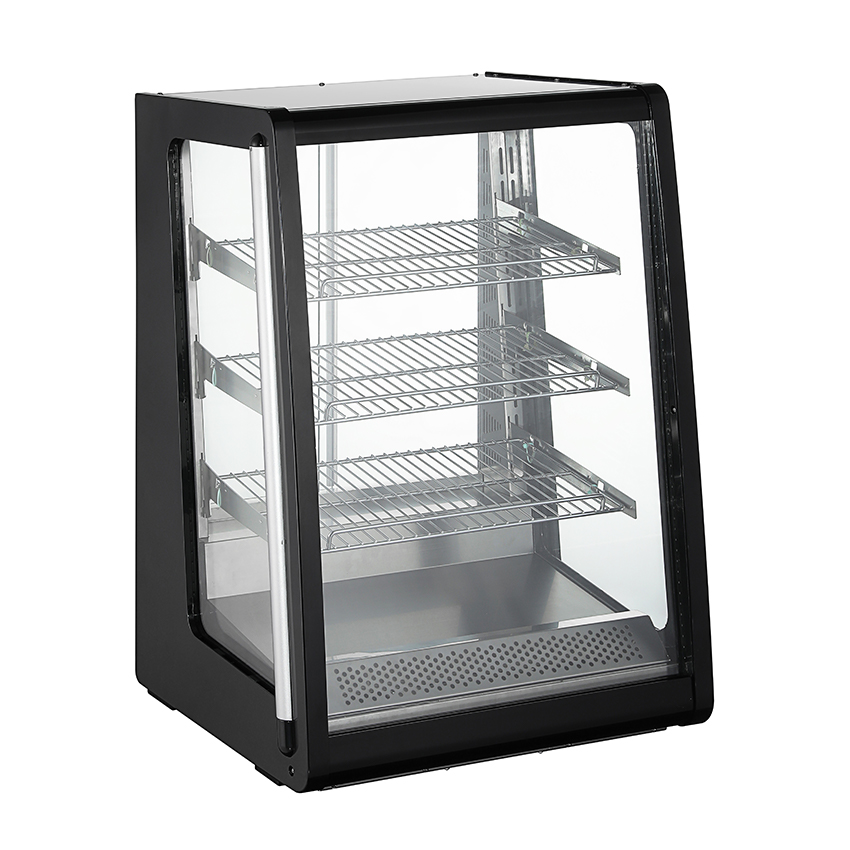
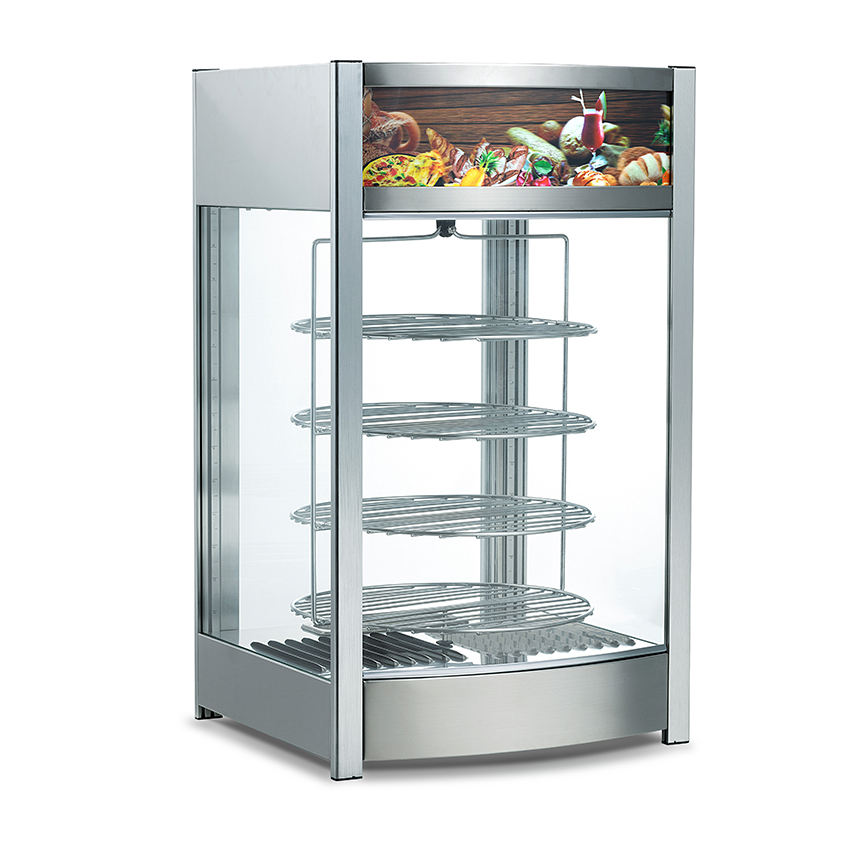
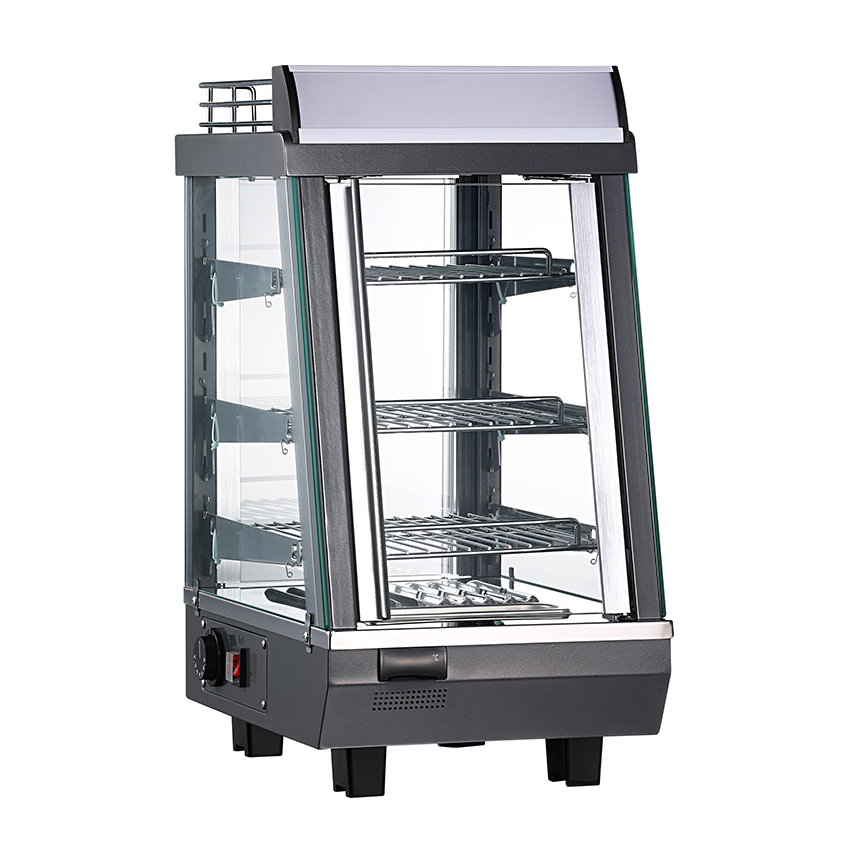
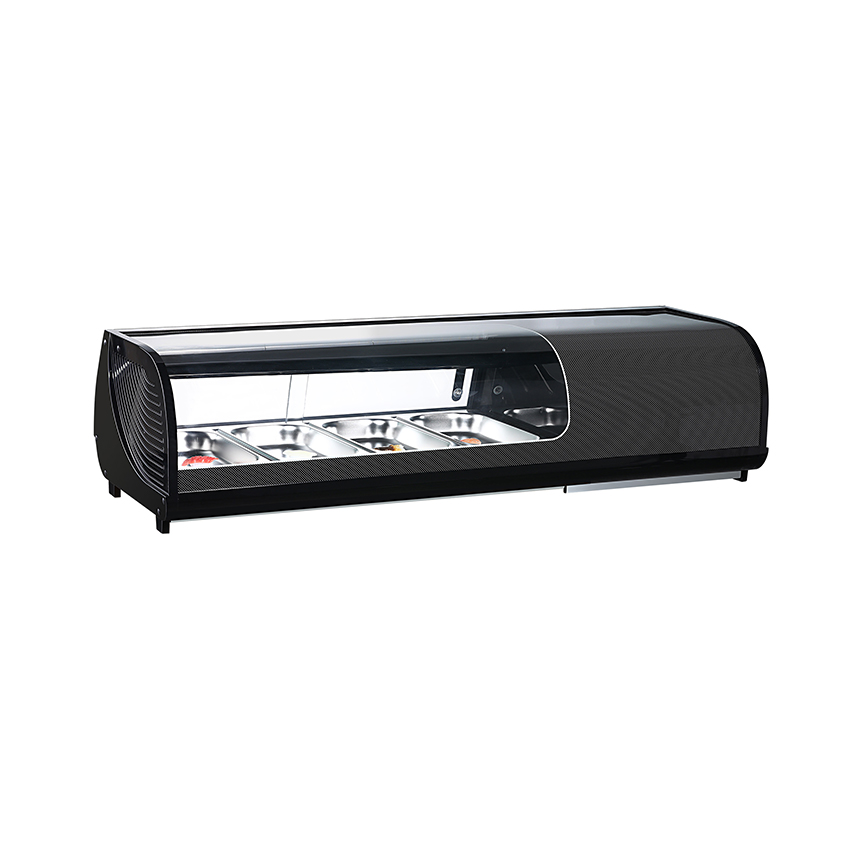
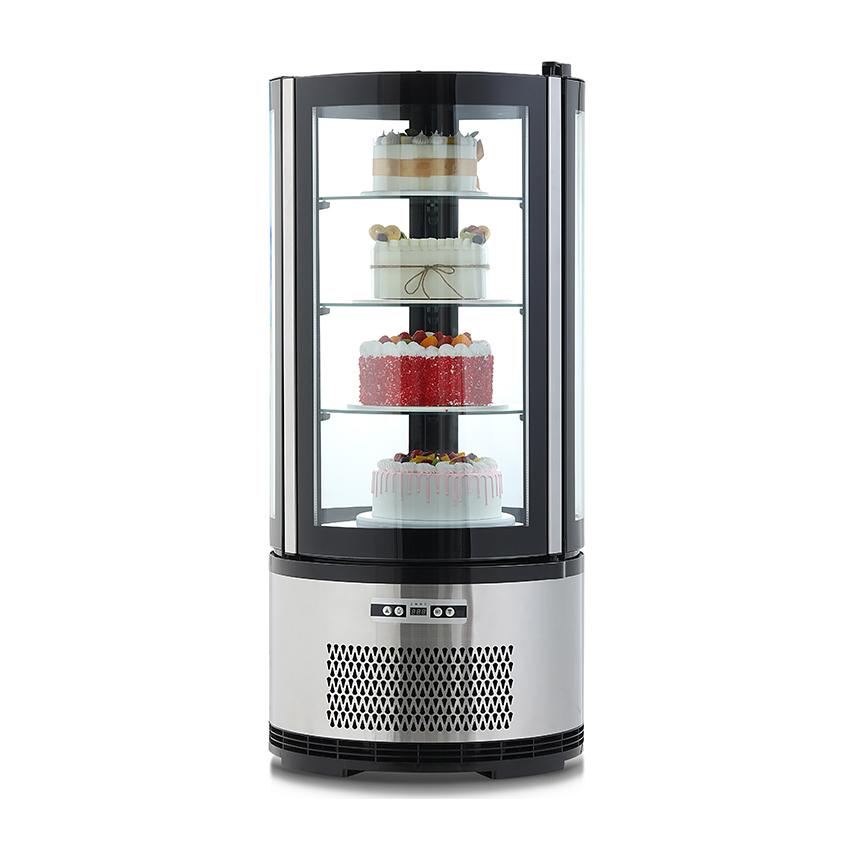
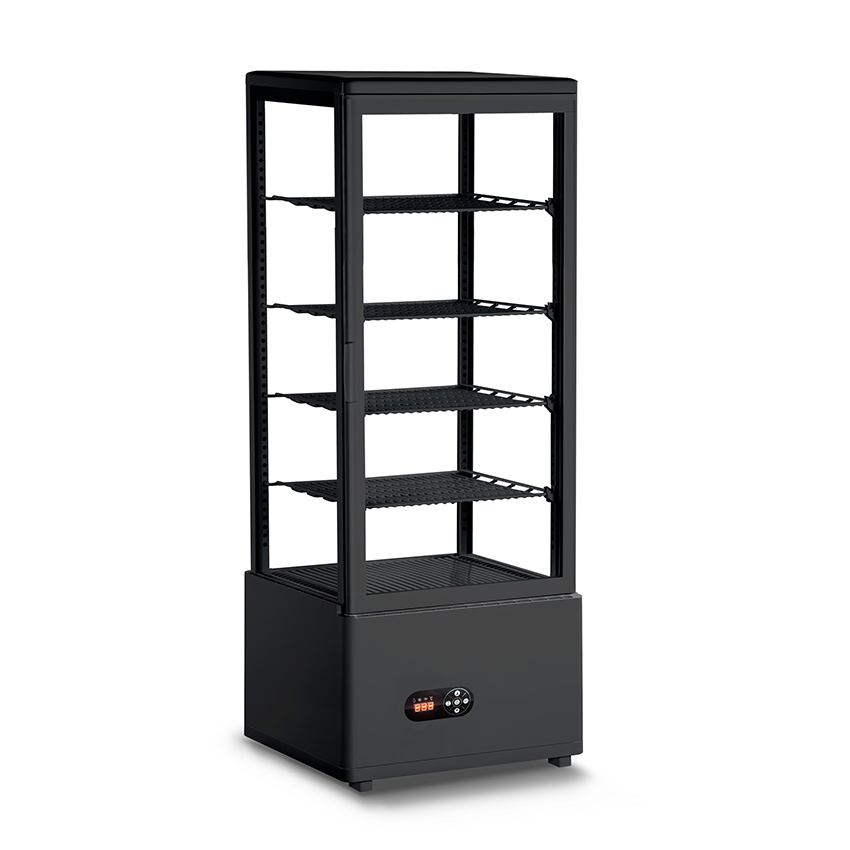
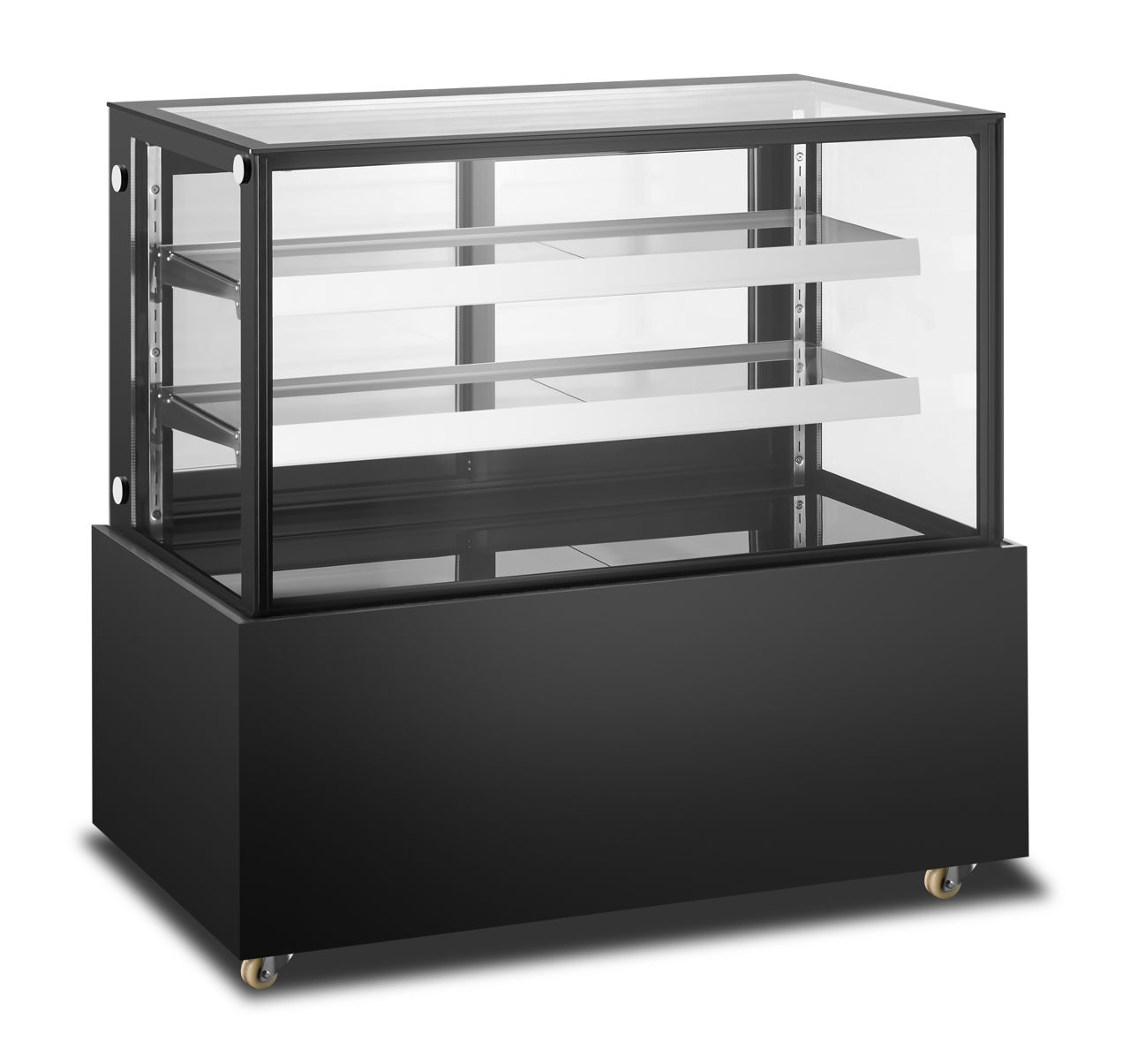
Multi-product thermal display cabinet
The multi-product thermal insulation display cabinet has various sizes, elegant appearance and unique design. It ad...



When selecting a commercial insulated display cabinet for your business, the most critical factors are temperature consistency, energy efficiency, display visibility, and compliance with food safety standards. Whether you operate a supermarket, bakery, deli, or convenience store, the right refrigerated display cabinet directly impacts product freshness, customer purchasing behavior, and operational costs. This guide covers everything procurement managers, retailers, and foodservice operators need to make an informed decision — from cabinet types and technical specifications to supplier evaluation criteria and maintenance best practices.
According to industry research, over 70% of impulse food purchases occur at the point of display — making your refrigerated showcase a direct revenue driver, not just a storage unit. Yet many buyers focus primarily on upfront cost while underestimating the long-term impact of energy consumption, compressor reliability, and cabinet insulation quality. This article addresses all of those dimensions with concrete data, comparison tables, and expert insight drawn from decades of commercial refrigeration manufacturing experience.
Content
A commercial insulated display cabinet is a refrigeration unit designed to store and present chilled or frozen products in retail, foodservice, and supermarket environments. Unlike standard refrigerators, these units prioritize product visibility through large glass panels or open fronts, while maintaining precise temperature ranges to meet food hygiene standards.
The insulation layer — typically constructed from high-density polyurethane foam — plays a pivotal role in thermal efficiency. Quality insulation reduces compressor load, lowers electricity consumption, and stabilizes interior temperatures even in high-ambient-temperature environments (such as store floors in summer). This is a key differentiator among commercial refrigeration display cases across the market.
Common product categories displayed in these cabinets include fresh meat, dairy, beverages, baked goods, prepared meals, and confectionery. Each category may require a different cabinet configuration, temperature range, and airflow design. Understanding these requirements upfront is essential to avoiding costly mismatches between your products and your equipment.
| Table 1: Common commercial insulated display cabinet types, temperature ranges, and applications | |||
| Cabinet Type | Temperature Range | Best For | Door Type |
| Upright Chiller | 0°C to +8°C | Beverages, dairy, deli | Glass door |
| Bakery Showcase | +2°C to +6°C | Pastries, cakes, bread | Curved glass |
| Open Multideck | +1°C to +5°C | Supermarket fresh produce | Open front |
| Island Freezer | -18°C to -22°C | Frozen foods, ice cream | Glass lid / open top |
| Deli Counter | 0°C to +4°C | Meats, cheeses, prepared foods | Curved or flat glass |
Commercial refrigeration accounts for 35–50% of total electricity consumption in a typical supermarket or grocery retail environment (Source: U.S. Department of Energy, Commercial Building Energy Consumption Survey). Choosing an energy efficient display cabinet isn't just an environmental decision — it's a financial one that compounds over the 10–15 year operational lifespan of the unit.
Key energy efficiency factors include the type of refrigerant used (R290 propane and R600a are low-GWP alternatives gaining traction in Europe and Asia), compressor quality, insulation thickness, door seal integrity, LED lighting systems, and the presence of night blinds or glass doors that reduce cold air spillage during closed hours. Modern glass door display fridge commercial units with anti-fog heated glass dramatically outperform older open-front designs in energy benchmarks.
The chart above illustrates estimated annual energy consumption across five common commercial refrigeration display case configurations. Open-front multidecks are the most energy-intensive, consuming up to 2,500 kWh per year per unit, while smart IoT-enabled glass door chillers with inverter compressors and eco-refrigerants can achieve consumption as low as 1,000 kWh annually. For a retailer running 10 display units, this efficiency gap translates to meaningful savings on utility bills each year. Choosing the right technology from the outset is therefore one of the most financially significant decisions in your equipment procurement cycle. Beyond direct savings, many regional markets now mandate minimum energy performance standards (MEPS) for commercial refrigeration equipment, making compliance a non-negotiable consideration for importers and retailers alike.
The commercial refrigeration display market offers a wide range of cabinet formats, each engineered for a specific merchandising context. Understanding these distinctions helps buyers avoid over-specifying (and overspending) or under-specifying (and facing product spoilage or compliance issues).
The supermarket display fridge format — whether upright multideck or horizontal island — is optimized for high-volume, high-throughput retail environments. These units prioritize accessibility, with open fronts or low glass lids allowing customers to self-serve quickly. Forced-air circulation systems maintain uniform temperatures across all shelf levels. Modern supermarket showcases are increasingly equipped with electronic temperature logging, EC fan motors, and LED lighting that reduces heat generation inside the cabinet.
A bakery display refrigeration unit is designed to showcase pastries, cakes, and confectionery attractively while keeping them fresh. These units typically feature curved tempered glass fronts, interior lighting positioned to highlight products, and humidity-controlled environments that prevent drying out. Unlike standard chillers, bakery showcases may incorporate low-velocity airflow to avoid disrupting light pastry items. The visual merchandising aspect is equally important — the cabinet's aesthetic design directly influences customer perception of product quality.
The deli display cooling cabinet serves food counters in delis, butcher shops, prepared food stations, and specialty grocery stores. These units operate at tighter temperature tolerances (0°C to +4°C) to handle unpackaged meats, cheeses, and ready-to-eat foods, where food safety regulations are particularly stringent. Many deli cabinets are custom-configured with adjustable sneeze guards, integrated service counters, and modular shelving. Stainless steel interiors are the standard for hygiene compliance.
The glass door display fridge commercial category has seen the strongest growth in recent years, driven by demand from convenience stores, petrol station forecourts, coffee shops, and hotel grab-and-go counters. These upright single or multi-door units combine excellent product visibility with the energy efficiency benefits of a closed cabinet system. Anti-condensation heated glass frames and low-emissivity (Low-E) coated glass are now standard features in quality-grade units, maintaining clear product visibility even in high-humidity store environments.
The horizontal bar chart above provides a comparative view of how well different retail segments are served by commercial insulated display cabinets as a product category. Supermarkets and convenience stores score highest (9–10/10), reflecting their core dependence on high-throughput, temperature-controlled product display. Bakeries, cafes, and deli operations score 8/10, as they rely on specialized cabinet formats with strong aesthetic and food-safety requirements. Hospitality and pharmacy segments score lower (6–7/10) because their refrigeration needs are often met by more niche or compact solutions. This segmentation analysis helps procurement managers align cabinet specifications with their specific retail channel requirements rather than defaulting to generic configurations. Understanding your segment's performance expectations is the first step toward choosing the right commercial refrigerated showcase for your operation.
Beyond cabinet type, the technical specifications of a food display refrigerator determine its real-world performance, longevity, and compliance profile. Buyers — especially those evaluating units from multiple commercial display cabinet suppliers — should systematically compare specifications across these core dimensions.
Compressor quality is arguably the single most important determinant of long-term reliability. Fixed-speed compressors are common in budget-tier units but cycle on and off repeatedly, causing temperature fluctuations and higher wear rates. Inverter compressors (variable-speed) modulate their output to maintain stable temperatures with significantly lower energy consumption — typically 20–30% more efficient than fixed-speed equivalents. For high-ambient-temperature environments (climates rated T3, 43°C ambient), compressor sizing and refrigerant selection become critical to maintaining safe storage temperatures.
High-density polyurethane foam insulation (typically 60–80mm thickness in side walls) is the standard for quality commercial insulated display cabinets. The density and uniformity of this foam layer directly affects thermal retention — a factor that becomes especially critical during power interruptions, defrost cycles, or high door-open frequency periods. Cabinet frame materials (cold-rolled steel vs. aluminum alloy) affect both durability and weight, with aluminum-framed units offering better corrosion resistance in humid environments.
Refrigerant choice affects both environmental footprint and regulatory compliance. R134a remains common globally but is being phased out in European markets under F-gas regulations. R290 (propane) and R600a (isobutane) are natural refrigerants with very low Global Warming Potential (GWP) and are increasingly required for products sold in the EU, UK, and California. When sourcing from a custom display refrigeration manufacturer or OEM display fridge factory, confirm refrigerant compliance for your target market before ordering.
Reputable manufacturers and wholesale refrigerated display cabinet suppliers ensure their products carry relevant international certifications. Common certifications include CE (European conformity), CB (international electrical safety), UL (North America), GS (Germany), CCC (China), RoHS (hazardous substance restriction), and COC (Certificate of Conformity for certain export markets). Always request certification documentation as part of your supplier qualification process, particularly when importing across borders.
The radar chart above maps six critical performance dimensions for standard versus premium commercial insulated display cabinets. Premium cabinets score 8–9 out of 10 across all axes, particularly excelling in temperature stability, compliance certification coverage, and build quality — dimensions where standard-tier units typically fall to 5–6 out of 10. The most pronounced gap appears in energy efficiency and regulatory compliance, which are increasingly important factors for retailers operating in regulated markets or seeking to reduce operational costs over a multi-year horizon. For buyers evaluating wholesale refrigerated display cabinet options from multiple suppliers, using a radar-style scoring matrix like this as part of your vendor RFQ process can systematically surface quality differences that are otherwise obscured by price comparisons alone. Long-term total cost of ownership (TCO) analysis nearly always favors the premium tier when cabinet lifespans of 8–12 years are considered.
The global commercial refrigeration equipment market was valued at approximately USD 43.2 billion in 2023 and is projected to grow at a CAGR of 4.8% through 2030, driven by expanding modern retail networks in Asia, Africa, and Latin America, combined with rising demand for refrigerated convenience foods in developed markets (Source: Grand View Research, 2023). For commercial display cabinet suppliers and importers, this trajectory reflects sustained demand across all product segments.
Key demand drivers include the rapid growth of convenience store chains and quick-service restaurants (QSRs), supermarket modernization programs in emerging economies, tightening food safety regulations requiring temperature monitoring and documentation, and the global shift toward plant-based and fresh prepared foods that require chilled display rather than shelf storage. Retailers in markets with rising ambient temperatures (Middle East, Southeast Asia, sub-Saharan Africa) are particularly investing in high-ambient-rated refrigeration equipment.
The line chart above tracks the global commercial refrigeration market from 2020 through projected 2028 values, illustrating consistent upward growth across the forecast period. Market expansion from approximately USD 37.5 billion in 2020 to a projected USD 54.2 billion by 2028 represents a cumulative growth of over 44%, reflecting the structural expansion of organized retail formats globally. The inflection point around 2022–2023 aligns with post-pandemic retail recovery and accelerating convenience store rollouts across Asia-Pacific. For importers, distributors, and retailers evaluating when to invest in new display refrigeration infrastructure, this market trajectory confirms that demand fundamentals are solid across all major geographic regions. Buyers seeking to source from a commercial display cabinet supplier or OEM display fridge factory with scale and export capability are well-positioned to benefit from this sustained demand environment.
Selecting a reliable commercial display cabinet supplier is as important as selecting the right product. Quality inconsistencies, missed delivery schedules, lack of after-sales support, or certification gaps can create significant operational and financial risks — especially for importers placing large orders for new store rollouts or supermarket fit-outs.
A supplier's manufacturing capacity directly determines their ability to fulfill bulk orders on schedule. Reputable manufacturers typically operate with annual production volumes of hundreds of thousands of units across multiple product lines. Zhejiang Fuerj Electric Science And Technology Co., Ltd., founded in 1997, exemplifies this scale — with a production facility covering 110,000 square meters and an annual output of 750,000 sets across electric heating and refrigeration product categories. This scale of production supports both standard stocked configurations and custom-engineered solutions for specific retail environments.
The depth of a supplier's engineering team determines their ability to support custom designs, resolve technical issues quickly, and adapt products to local market requirements. When evaluating a custom display refrigeration manufacturer, ask about the ratio of engineering staff to total employees, their R&D investment as a percentage of revenue, and their experience with market-specific requirements such as high-ambient temperature ratings, specific voltage/frequency combinations, or unique certification requirements for your target market.
A supplier with an established multi-market export track record demonstrates their ability to navigate international logistics, customs documentation, and market-specific regulatory requirements. Suppliers exporting to more than 20 countries across Europe, America, Asia, and Africa have, by necessity, developed robust quality management systems, packaging standards, and documentation workflows that protect buyers from costly compliance issues. Regional market diversity also signals product adaptability — a unit that successfully serves both European CE markets and African COC markets has been validated across multiple regulatory frameworks simultaneously.
For retail chains, distributor networks, and buying groups, the ability to source wholesale refrigerated display cabinet products under an OEM arrangement — with custom branding, proprietary configurations, or market-specific features — provides significant competitive differentiation. When assessing an OEM display fridge factory, evaluate their tooling investment, minimum order quantities (MOQs) for custom designs, sample lead times, and the flexibility of their production scheduling to accommodate phased order releases.
| Table 2: Supplier evaluation scorecard for commercial insulated display cabinet procurement | |||
| Evaluation Criterion | Weight | Key Questions to Ask | Red Flags |
| Certifications | High | Which standards are certified? Validity dates? | Expired certificates, copied certificates |
| Production Capacity | High | Annual output? Lead times? Peak season capacity? | No clear production data, frequent delays |
| Quality Control | High | In-line QC processes? Final inspection protocol? | No ISO 9001, no QC documentation |
| Export Experience | Medium | Which markets? Reference customers? | Limited market exposure, no references |
| Customization | Medium | OEM MOQ? Sample cost? Design flexibility? | Rigid standard-only catalog, very high MOQ |
| After-Sales Support | Medium | Spare parts availability? Warranty terms? | No spare parts stock, warranty voiding clauses |
Even the highest-quality commercial refrigeration display case will underperform if installed incorrectly or placed in a suboptimal store location. These operational factors are frequently overlooked by first-time buyers but are well-understood by experienced retail equipment managers.
Most commercial display cabinets are rated for specific ambient temperature classes (e.g., Class N: up to 32°C, Class ST: up to 38°C, Class T: up to 43°C). Installing a Class N unit in a store environment that regularly reaches 35°C will result in compressor overload, elevated temperatures inside the cabinet, higher energy consumption, and premature equipment failure. Ensure cabinet placement allows for at least 5–10cm clearance on all sides and above for condenser airflow, and that condenser units are not positioned near heat sources such as ovens, fryers, or direct sunlight exposure.
Commercial refrigeration equipment should always be connected to a dedicated electrical circuit with the correct voltage and frequency for your market (220V/50Hz in most of Europe and Asia; 110V/60Hz in North America). Shared circuits with other high-draw appliances cause voltage fluctuations that damage compressors and control boards. Install appropriately rated circuit breakers and ensure grounding complies with local electrical codes. For large supermarket installations, consult a licensed electrician to design the power distribution layout before equipment delivery.
Research in retail merchandising consistently shows that end-aisle and perimeter placements for refrigerated display cabinets generate higher customer engagement and purchase rates than mid-aisle positioning. Chilled beverage cabinets at entrance or exit points are among the highest revenue-per-square-meter assets in convenience retail. Bakery showcases perform best near entrance areas or adjacent to coffee stations where customer dwell time is highest. Positioning a supermarket refrigerated showcase in a location with natural customer traffic flow — rather than in a low-traffic corner — can increase category sales by 15–25% without any product or pricing changes.
A well-maintained food display refrigerator operating in a properly managed environment should deliver reliable service for 8–12 years. Premature failure is almost always traceable to neglected maintenance rather than manufacturing defects in quality-grade units. Establishing a preventive maintenance schedule from day one of installation is the most cost-effective investment in equipment longevity.
For operators running multiple units across multiple locations, consider investing in IoT-enabled temperature monitoring systems that provide real-time alerts for temperature excursions, door-open alerts, and compressor fault codes. These systems reduce the labor cost of manual temperature logging while providing the documentation trail required by food safety auditors.
The column chart above illustrates the dramatically different lifespan outcomes associated with varying maintenance practices for commercial insulated display cabinets. Units receiving no structured maintenance average only 4 years of operational life — less than half the performance achievable with a full preventive maintenance program. Quarterly maintenance extends average lifespan to 8 years, while a comprehensive preventive maintenance regime covering weekly, monthly, quarterly, and annual interventions can extend operational life to 11 years or beyond. For a retail operator running 20 display units, the difference between the "no maintenance" and "full preventive" scenarios represents millions of dollars in avoided early capital replacement costs over a 15-year business horizon. This is one of the most compelling arguments for including maintenance budget allocations when calculating the total cost of ownership for any commercial refrigeration display case investment.
For retail chains, buying groups, and regional distributors, the ability to source customized or OEM-branded commercial insulated display cabinets provides a meaningful competitive advantage. Custom configurations allow operators to align refrigeration equipment with store-specific floor plans, brand visual identities, and unique product display requirements that standard catalog products cannot accommodate.
Typical customization options available from experienced manufacturers include: cabinet dimensions (height, width, depth), door configurations (number of doors, swing vs. sliding), RAL color options for exterior panels, custom logo and branding integration, shelf materials and configurations, internal lighting color temperature, refrigerant type selection, and control system integration (including compatibility with centralized store management or HVAC systems). When sourcing from a custom display refrigeration manufacturer with established tooling and production processes, custom lead times for approved designs typically range from 45 to 90 days depending on order volume and configuration complexity.
OEM partnerships offer an additional layer of value for distributors supplying the wholesale refrigerated display cabinet market — enabling them to offer proprietary product lines that cannot be directly price-compared on open market platforms. This differentiation supports stronger distributor margins and customer retention, particularly in competitive regional markets where standard catalog products are widely available from multiple sources.
Established in 1997, Zhejiang Fuerj Electric Science And Technology Co., Ltd. is a professional manufacturer of commercial insulated display cabinets, refrigeration display cases, and electric heating products. Operating from a facility covering 110,000 square meters with a construction area of 85,500 square meters, the company employs 650 staff including 85 engineering and technical personnel and over 160 college-educated professionals.
With an annual output capacity of 750,000 units across product categories, Fuerj holds multiple international certifications including GS, CB, RoHS, UL, COC, and CCC — enabling compliant distribution across more than 20 countries and regions in Europe, America, Asia, and Africa. The company operates as both a direct manufacturer and an OEM/ODM partner for international distributors seeking custom display refrigeration solutions at scale.
The company's senior leadership team combines engineering expertise with international market experience, bringing together specialized professionals focused on product development, quality control, and export operations. Fuerj's credit management framework and quality assurance systems are structured to support long-term partnerships with international buyers across diverse regulatory environments.
Q1: What temperature should a commercial display cabinet maintain?
Most chilled display cabinets should maintain 0°C to +8°C for general fresh food and beverages. Deli and meat displays require 0°C to +4°C. Frozen displays operate between -18°C and -22°C. Always verify against your local food safety regulations.
Q2: How do I choose between an open-front and glass door display fridge?
Open-front units maximize customer accessibility and are suited for high-traffic, fast-moving products. Glass door units are significantly more energy efficient and better for slower-moving SKUs or environments where ambient temperature is hard to control.
Q3: Can I order a custom-sized commercial display cabinet?
Yes. Experienced manufacturers offer OEM and custom configuration services covering cabinet dimensions, door types, shelf layouts, and exterior finishes. Minimum order quantities apply for custom configurations; lead times are typically 45–90 days.
Q4: What certifications should a commercial display cabinet have?
For European markets: CE and GS. For North America: UL or ETL. For global markets: CB certification is widely recognized. RoHS compliance is required for EU import. Always request valid certification documents before placing a purchase order.
Q5: How often should I service a commercial refrigerated display case?
Weekly visual checks and condenser cleaning, monthly internal inspections, quarterly professional checks, and a full annual service by a qualified refrigeration technician. A proactive schedule can extend cabinet lifespan to 10+ years.
Q6: What is the most energy efficient refrigerant for display cabinets?
R290 (propane) and R600a (isobutane) are currently the most environmentally friendly options with very low Global Warming Potential. They are increasingly mandated in European markets and adopted by energy-conscious retailers globally.
Q7: What is the typical lifespan of a commercial display cabinet?
With proper maintenance, quality commercial insulated display cabinets can operate reliably for 8–12 years. Units with no structured maintenance often fail within 4–5 years. Compressor quality, insulation integrity, and door seal condition are the main lifespan drivers.
Q8: Is it possible to source wholesale refrigerated display cabinets directly from a manufacturer?
Yes. Many manufacturers, including those with large-scale export operations, supply directly to international distributors and retail chains. Direct sourcing typically offers better lead times and customization flexibility compared to purchasing through intermediaries.

Copyright © Zhejiang Fuerj Electric Science And Technology Co., Ltd. Rights Reserved. Food Showcase Display Manufacturer Fireplace Factory
