 English
 русский
 Español
 Français
 عربى
عربى italiano
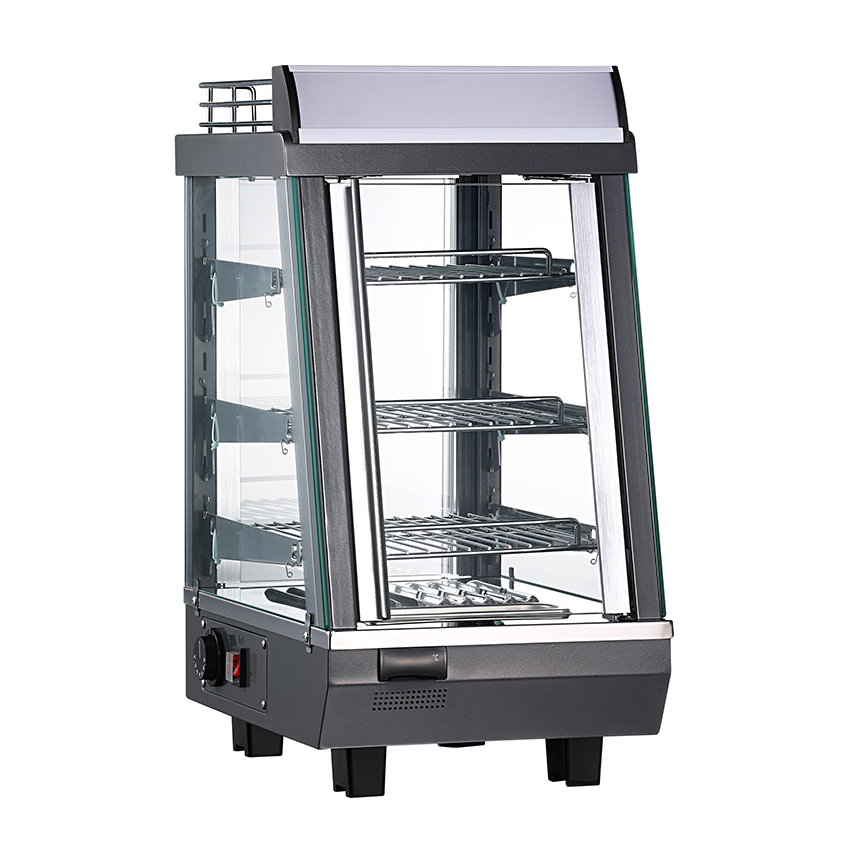
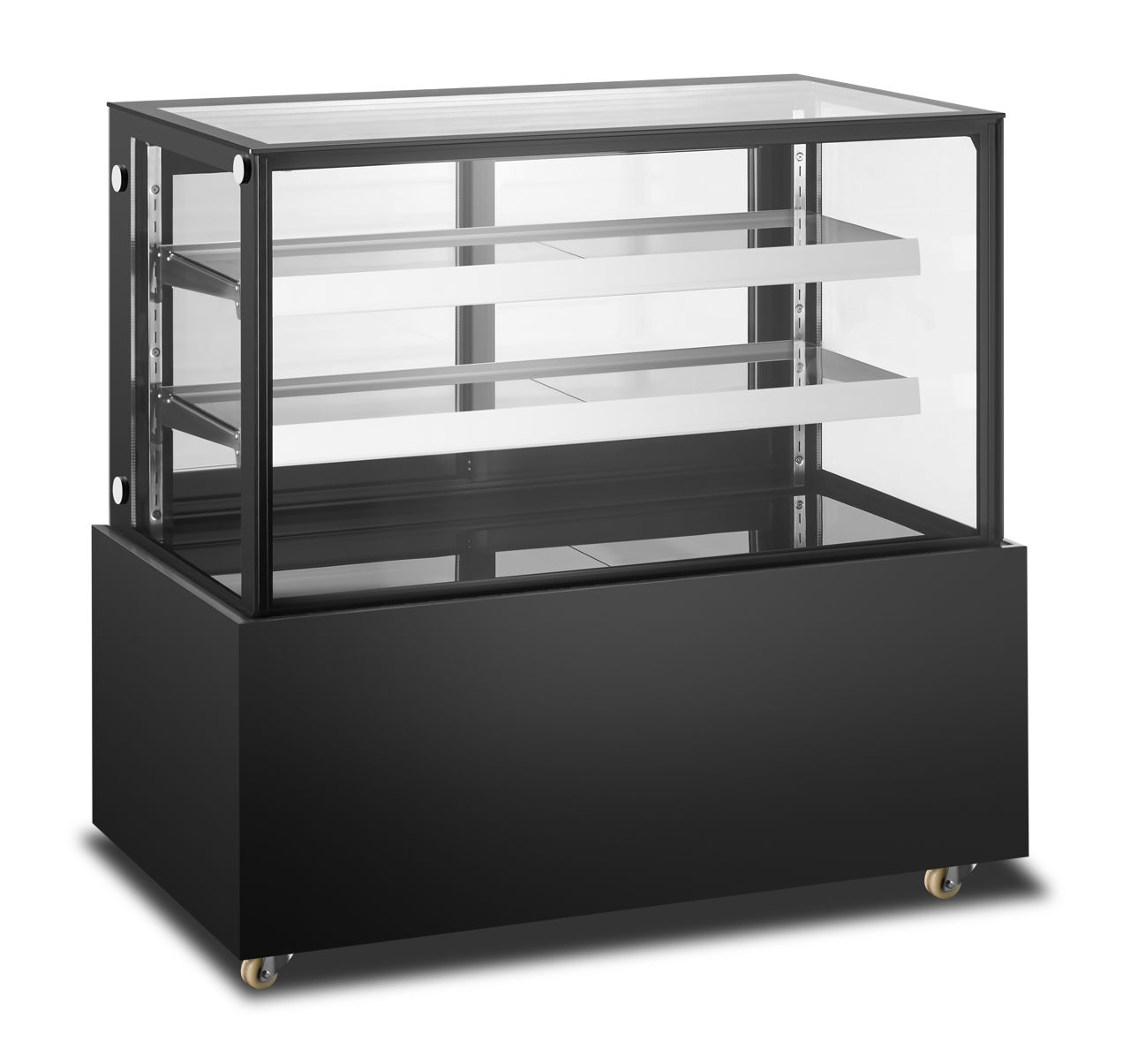
Multi-product thermal display cabinet
The multi-product thermal insulation display cabinet has various sizes, elegant appearance and unique design. It ad...



A commercial refrigerator only stays reliable when someone cleans the parts you cannot see. Dust on the condenser coil, a sticky door gasket, or a slow drain line can raise energy use, shorten compressor life, and create conditions that a health inspector will notice. This guide explains what to clean, how often to clean it, and which equipment makes the job easier.
Content
Start with the business case. Cleaning is not cosmetic. It is a maintenance action that protects food safety, energy costs, and equipment longevity.
Food safety regulations require refrigeration units to keep perishable food at safe temperatures. A dirty interior can transfer bacteria to packaging and food, while mold inside a display cabinet can ruin the visual impression of your products. A blocked drain line can send condensation back onto stored food, creating cross-contamination risks that are easy to overlook.
Energy efficiency matters just as much. Condenser coils reject heat from the refrigeration system. When dust or grease covers them, the compressor runs longer and draws more power. Service technicians list dirty coils as one of the most common causes of higher utility bills and early compressor failure.
Cleaning and sanitizing are not interchangeable. Cleaning lifts dirt and grease; sanitizing reduces microorganisms to a safe level. You must clean first, because sanitizer cannot penetrate organic soil.
| Task | Purpose | Example |
|---|---|---|
| Cleaning | Remove visible soil, grease, and residue | Warm water and mild detergent |
| Sanitizing | Reduce microorganisms on food-contact surfaces | Food-safe quaternary sanitizer |
Follow the sanitizer label for dilution and contact time. A quick wipe is often not enough.
Build the routine around a logical order: disconnect, empty, remove, wash, rinse, sanitize, dry, and restock.
Use a separate cloth for the interior and exterior so you do not carry grease from the floor or outer panels into the food zone. Avoid abrasive scrubbers and chlorine bleach on stainless steel unless the manufacturer recommends them.
Door gaskets are the most touched and least washed part of a commercial refrigerator. Grease on the gasket can weaken the seal, and a loose seal lets cold air escape. Wipe gaskets daily and inspect them monthly for cracks.
Clogged drain lines are a common cause of water pooling inside a refrigerated display cabinet. Flush the drain line with warm water and a mild cleaner, then dry the drip pan before it becomes a breeding ground for mold.
Condenser coils are usually located behind the front grille, on the back panel, or under the unit. Their job is to release heat from the refrigeration system. If they are covered in dust, the system cannot breathe.
Relative Cleaning Priority by Component
Higher bar = more frequent cleaning in a standard kitchen.
Many commercial refrigeration service providers recommend inspecting condenser coils at least twice a year. In kitchens near fryers, grills, or flour dust, clean them quarterly instead. If you notice the compressor cycling more often or the cabinet struggling to hold temperature, inspect the coil first.
To clean the condenser coils safely:
Do not use a pressure washer or high-pressure air hose. They can bend fins or push dirt deeper into the coil. Wear gloves and safety glasses while you work.
Frequency depends on traffic, dust, and the type of food stored. The table below is a practical starting point for a busy kitchen.
| Frequency | Focus Areas |
|---|---|
| Daily | Wipe spills, clean handles and gaskets, empty drip pan |
| Weekly | Sanitize interior, clean shelves and display trays, check door seals |
| Monthly | Flush drain line, inspect evaporator fan area, clean exterior vents |
| Quarterly | Clean condenser coils, check gasket condition, review temperature logs |
Post the schedule near the unit and record the date on each check. A simple log helps you spot changes before they become repairs. For more cabinet-specific maintenance steps, see our guide on how to clean and maintain a cake display cabinet to ensure its longevity.
Even a disciplined routine cannot fix a cabinet with sharp corners, welded trays, or hard-to-reach coils. When purchasing a refrigerator, look for removable glass shelves, rounded interior corners, clip-in gaskets, and a condenser that can be reached by removing one grille.
Zhejiang Fuerj Electric Science And Technology Co., Ltd. has applied this thinking to commercial refrigeration for decades. Founded in 1997, the company produces electric heating and refrigeration products in a 110,000-square-meter facility with 650 employees. With an annual output of 750,000 sets, it exports to more than 20 countries and holds GS, CB, RoHS, UL, COC, and CCC certifications for its equipment.
The following models are designed with service access and simple daily maintenance in mind:
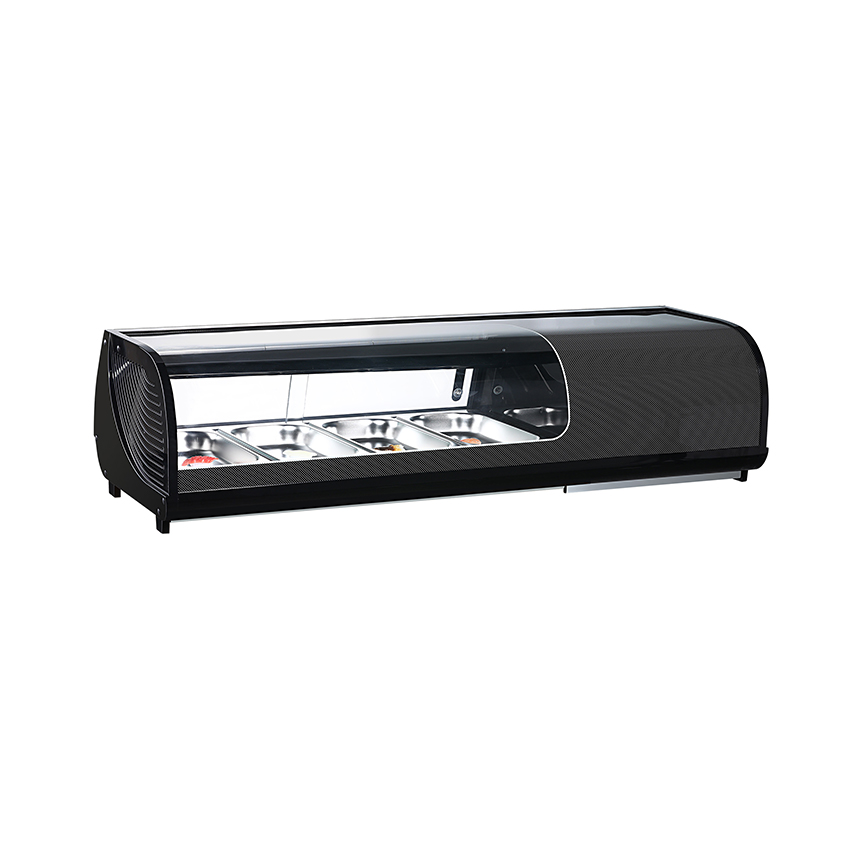
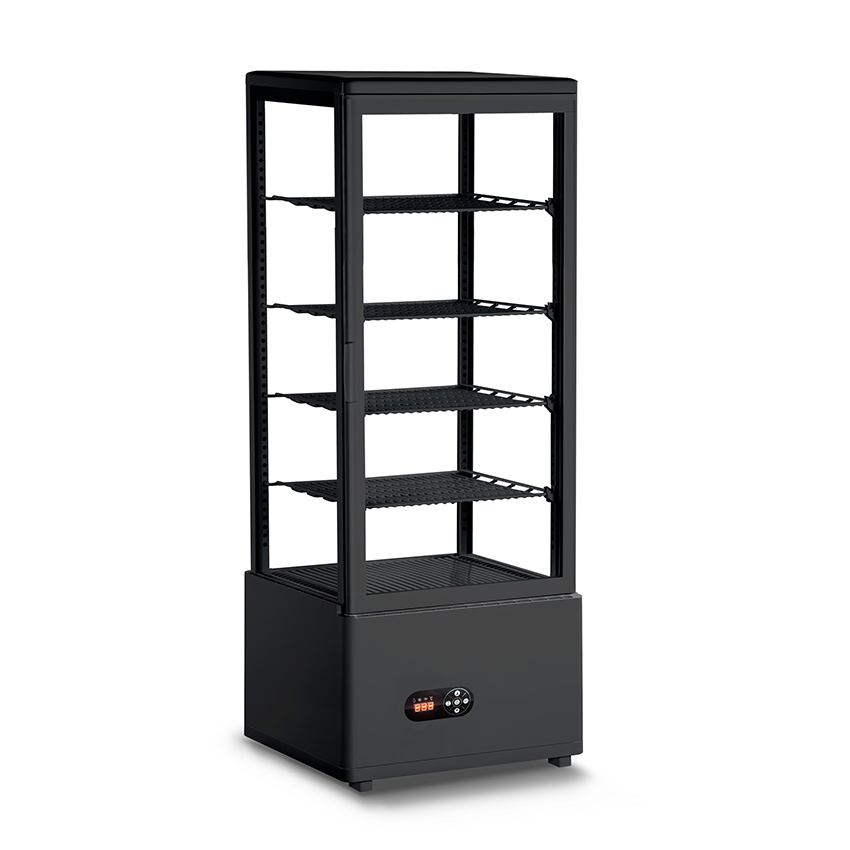
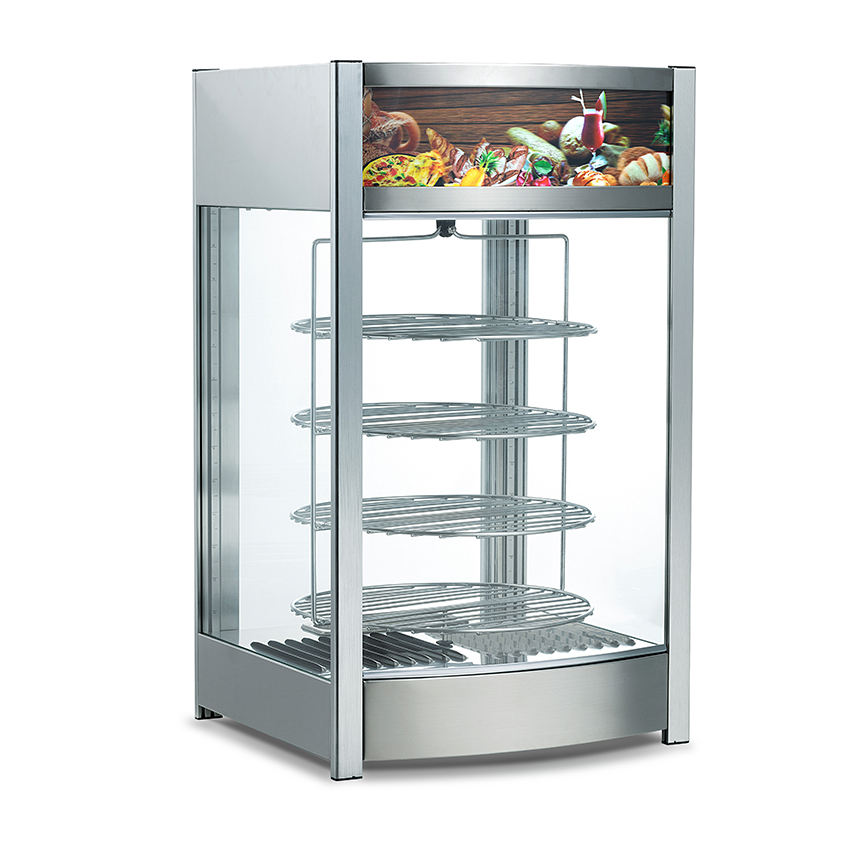 Commercial Insulated Display Cabinet with Easy MaintenanceThis insulated display cabinet is highlighted for its service-friendly design, featuring removable parts and a cleanable condenser to reduce maintenance time. Suitable for fast food, coffee shops, and supermarkets.View Product →
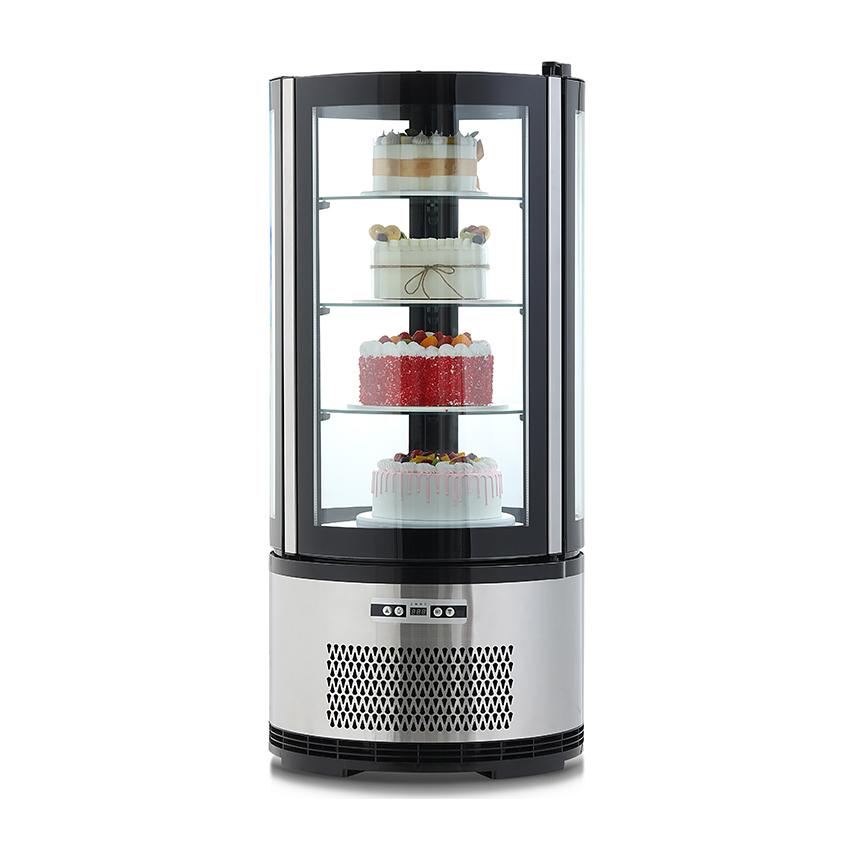
 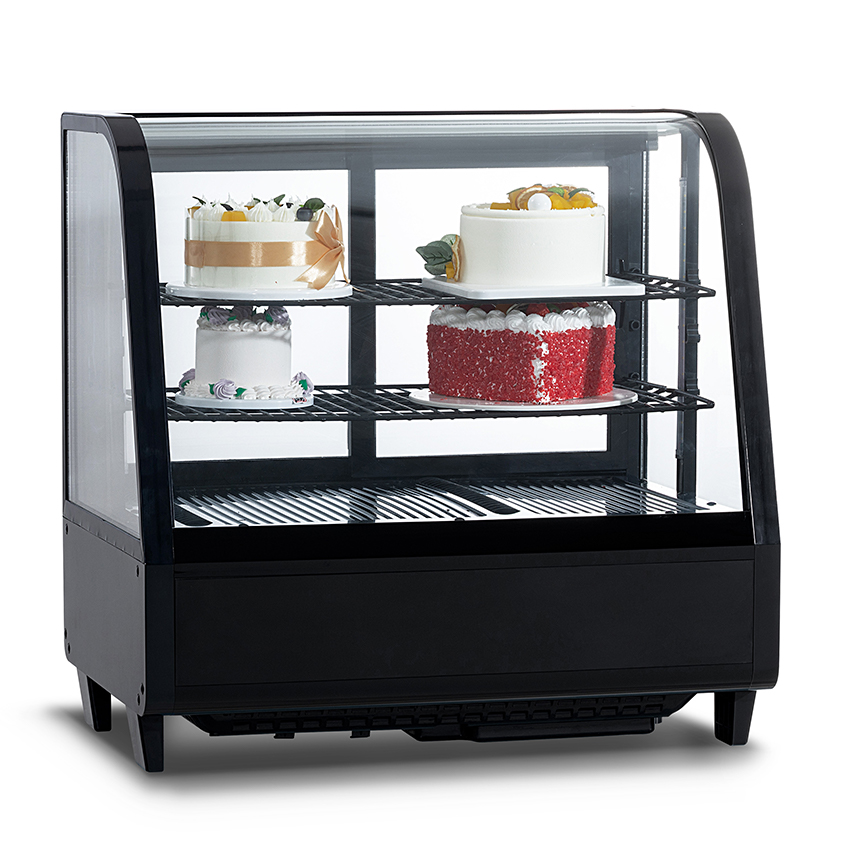 Cake Display Cabinet with Refrigeration and LED LightingA stylish display cabinet designed for cakes, offering refrigeration, temperature control, and LED lighting to preserve quality and enhance store appeal. Ideal for restaurants and supermarkets.View Product →
Removable components and a cleanable condenser area shorten the time between opening the door and finishing the job.
Every three months in a normal kitchen. If your kitchen is dusty or the unit runs heavily, clean them monthly.
Yes, a mild vinegar-water solution removes mineral deposits and odors, but you still need a food-safe sanitizer after cleaning.
Flush it with warm water and a mild cleaner. If the blockage remains, use a soft pipe brush and inspect the drip pan.
Clean all interior surfaces, check the drain pan, and place a bowl of baking soda inside overnight.

Copyright © Zhejiang Fuerj Electric Science And Technology Co., Ltd. Rights Reserved. Food Showcase Display Manufacturer Fireplace Factory
