 English
 русский
 Español
 Français
 عربى
عربى italiano
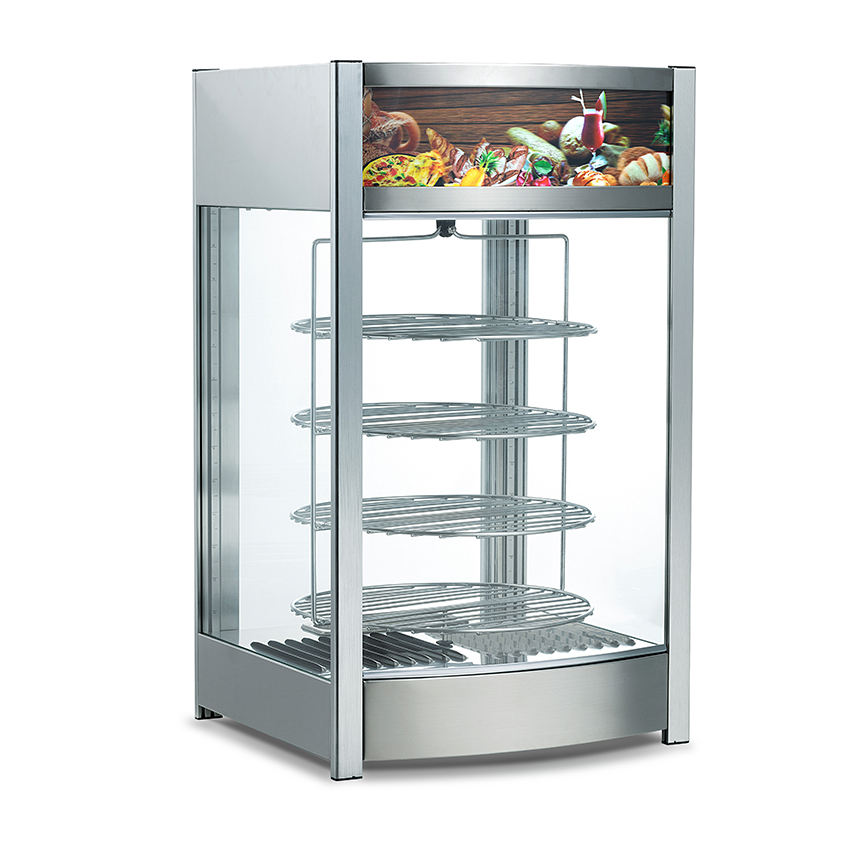
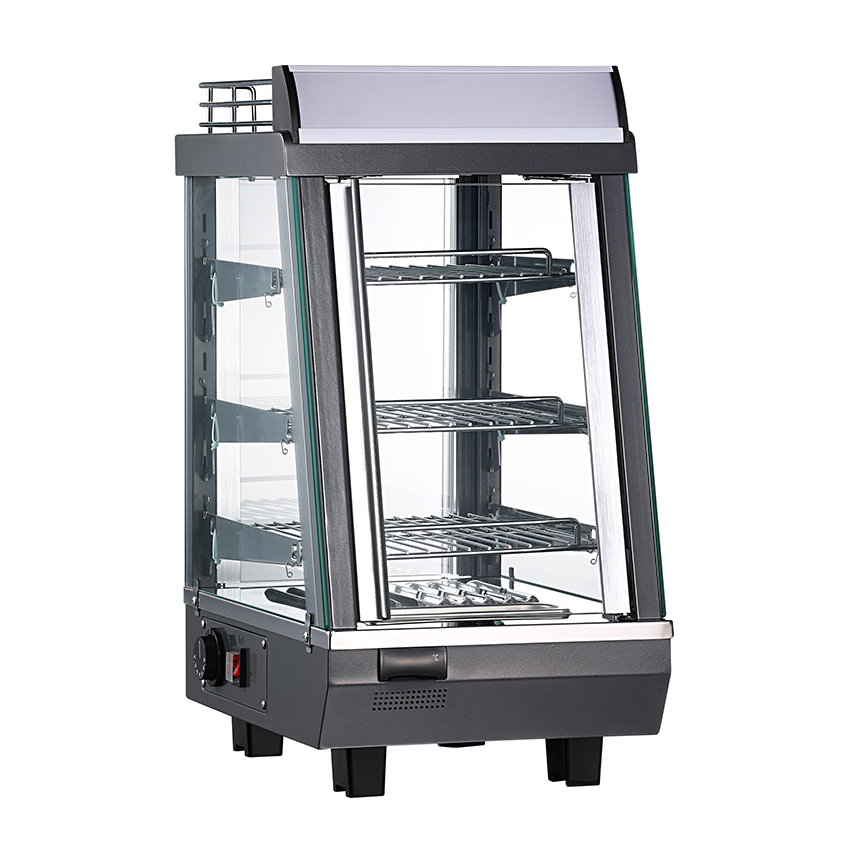
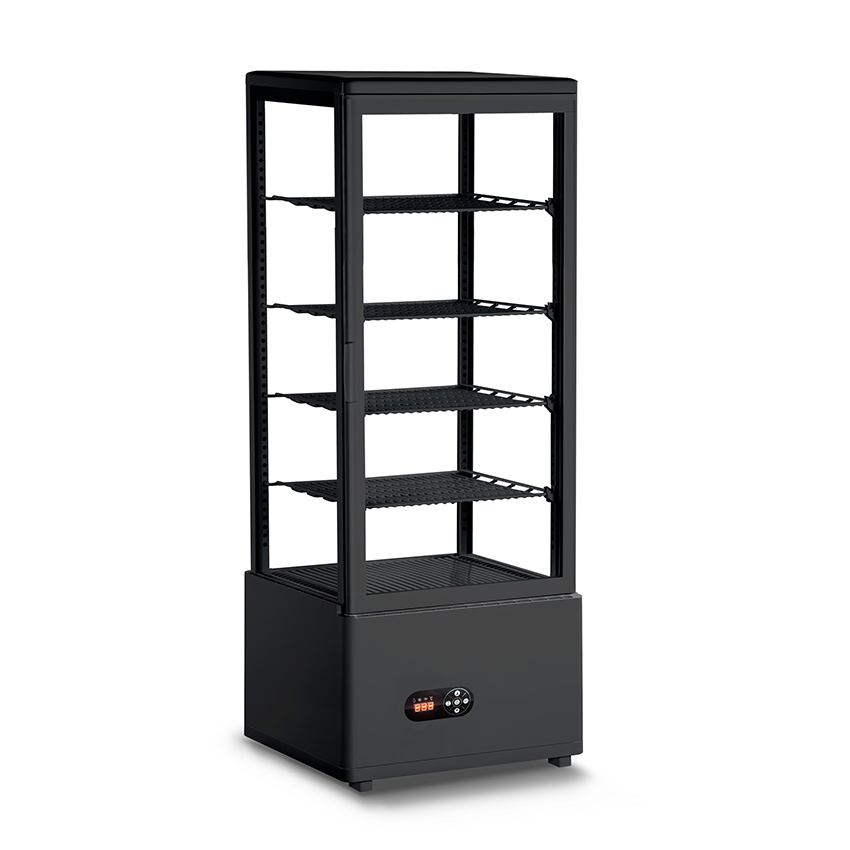
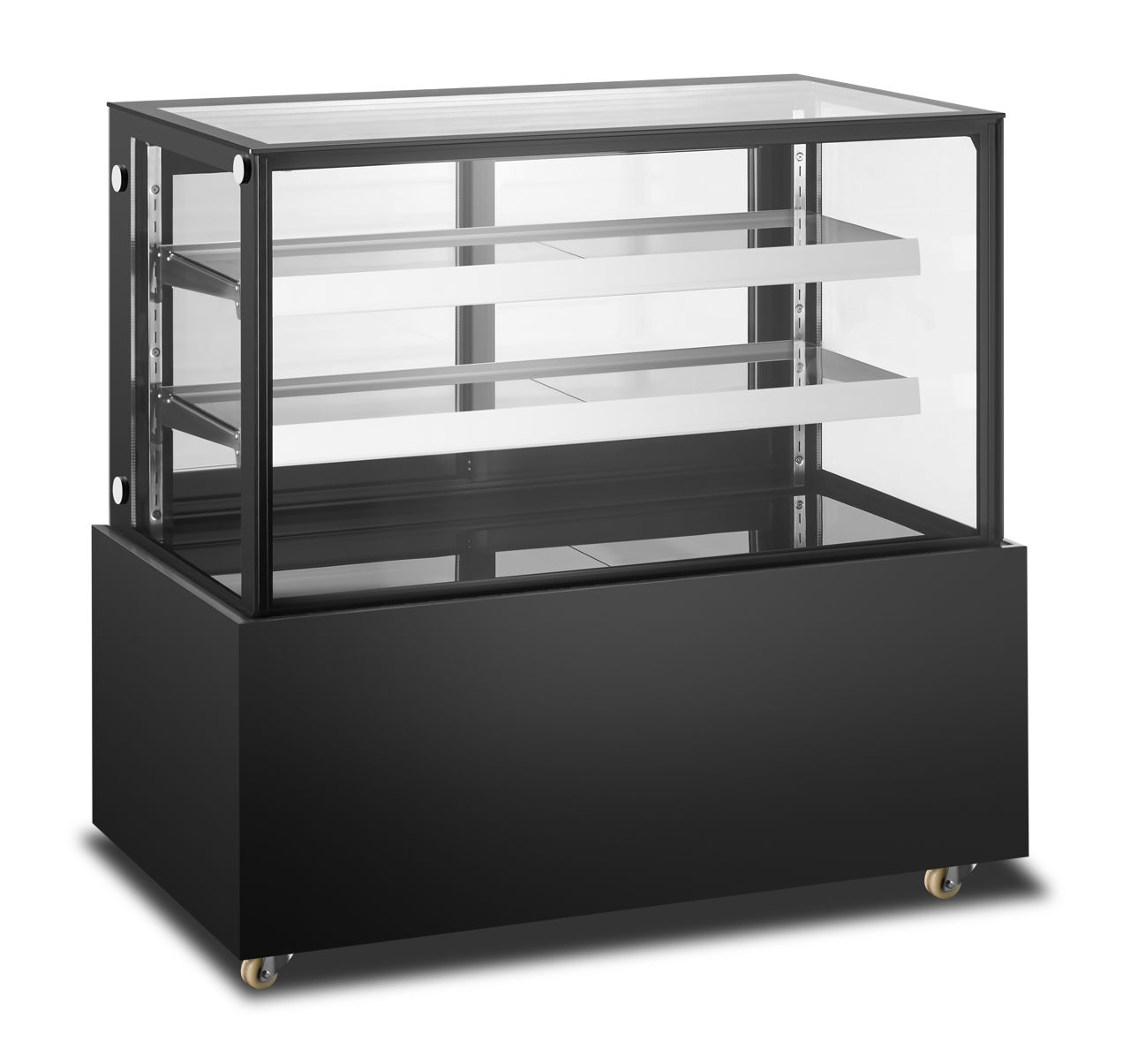
Multi-product thermal display cabinet
The multi-product thermal insulation display cabinet has various sizes, elegant appearance and unique design. It ad...



Blast chilling is a rapid cooling process that brings hot cooked food from roughly 90°C down to 3°C or below in 90 minutes or less. High-velocity cold air moves across the food while a probe tracks the temperature at the center, so the cycle ends only when the core of the product has reached a safe storage temperature.
The result is the opposite of slow cooling in a normal refrigerator. Instead of leaving the center in the danger zone for hours, the food passes through the 5°C–60°C band in minutes. That protects safety and quality at the same time: less moisture loss, better color, and a longer shelf life. If you cook in batches, hold finished dishes, or prepare food ahead of service, blast chilling is the standard answer to the question of how to cool food properly.
Content
Three systems work together inside a blast chiller: a powerful compressor and evaporator, one or more high-speed fans, and a temperature probe inserted into the food.
A typical cycle for cooked meat, sauces, or bakery fillings looks like this:
| Stage | Core temperature | Typical time | Purpose |
|---|---|---|---|
| Rapid cool-down | 90°C → 20°C | 20–35 minutes | Passes through the danger zone quickly |
| Deep chill | 20°C → 3°C | 30–55 minutes | Reaches safe storage temperature |
| Holding | 3°C maintained | Until service | Keeps food ready for reheating or display |
Cycle times depend on batch size, product density, and pan depth. A shallow pan cools noticeably faster than a deep one, which is why most kitchens split large batches into smaller pans before chilling.
Blast chilling is often confused with blast freezing, but the two processes serve different purposes. The table below shows the differences, and why a standard refrigerator cannot do the same job.
| Process | Target core temperature | Typical duration | Ice crystal formation | Best used for |
|---|---|---|---|---|
| Blast chilling | 3°C or below | 90 minutes or less | No ice crystals | Cook-chill in catering, bakery creams, sauces |
| Blast freezing | -18°C or below | 240 minutes or less | Small ice crystals | Long-term storage of raw or cooked products |
| Conventional refrigeration | 3–5°C | 4–8 hours | N/A | Slow cooling of small batches, short holding |
The key difference for daily operation is the final core temperature. A blast chiller stops at refrigeration temperature, which suits food that will be served within a few days. A blast freezer continues to -18°C, which locks products for much longer. Standard refrigerators have no time target at all: they cool whatever is inside at whatever speed their compressor allows, which is why hot food placed in a fridge can remain in the danger zone for hours.
Bacteria multiply fastest between 5°C and 60°C — the range that the FDA Food Code defines as the temperature danger zone. The general rule is that food should not stay in this range for more than two hours, and in practice the shorter the time, the lower the risk.
This is why blast chilling is not just a culinary convenience. In practice, cooling a large batch in a standard refrigerator commonly leaves the core in the danger zone for four to six hours, while a blast chiller crosses the same range in under 90 minutes. Cook-chill systems in hospitals, hotels, and large catering operations therefore treat the blast chiller as a food safety device rather than an optional extra.
Blast chilling appears wherever food is cooked in advance and finished later. The four most common situations in commercial operations:
Custards, mousses, ganache, and cooked fruit fillings all benefit from rapid chilling because slow cooling encourages skin formation, moisture loss, and separation. After chilling, products move into refrigerated display or storage; the refrigeration and preservation quality of a display cabinet determines how long these items stay fresh at the counter.
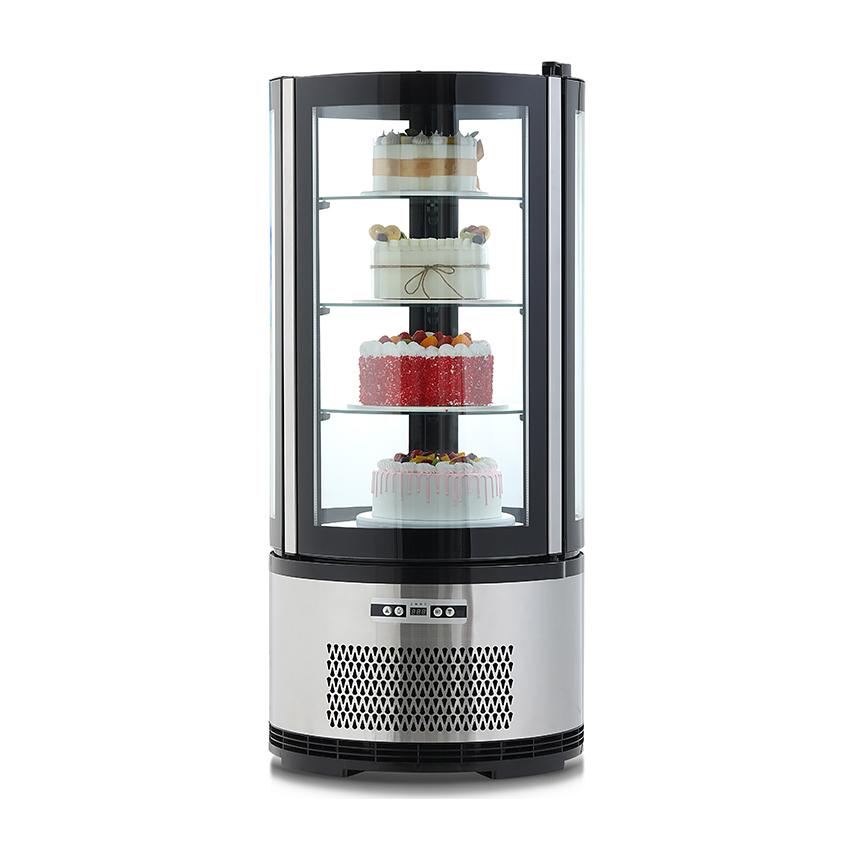
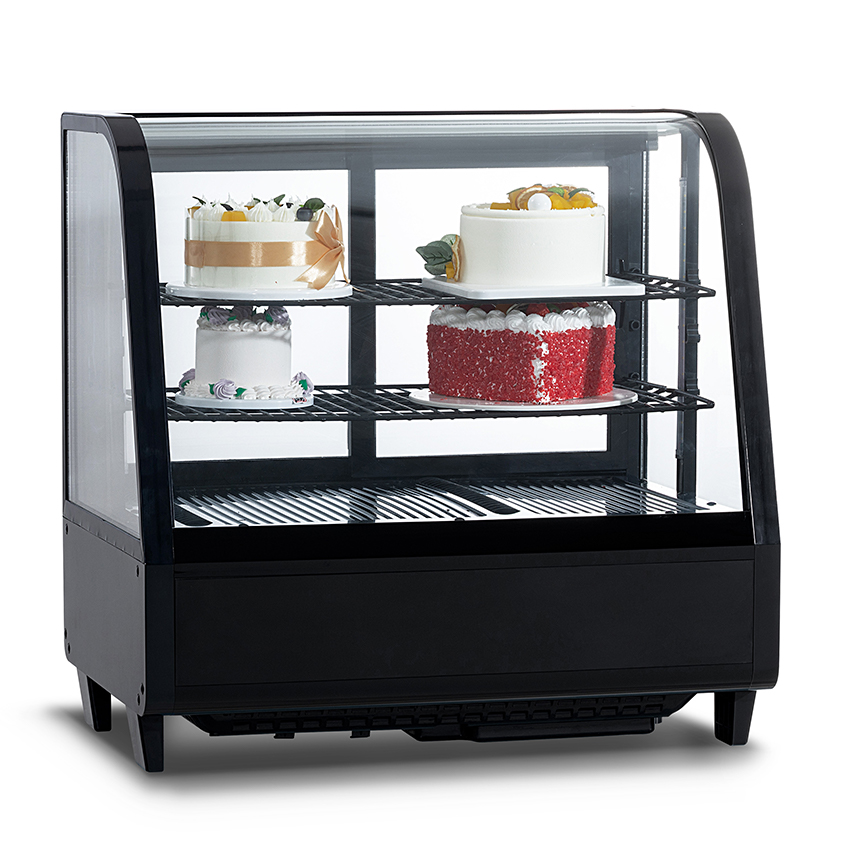 Cake Display Cabinet with Refrigeration and LED LightingThis cabinet keeps chilled pastries and fillings fresh at the counter, with temperature control and LED lighting suited for restaurants, bakeries, and supermarkets.View Product →
Large batches are cooked in the morning, chilled within 90 minutes, and held cold until service. European cook-chill guidance commonly allows a chilled shelf life of around five days when the core is pulled below 3°C quickly.
Rice, par-cooked proteins, and prepared components are chilled immediately after cooking, then assembled during service. A refrigerated display case at the pass keeps the ingredients at serving temperature all shift.
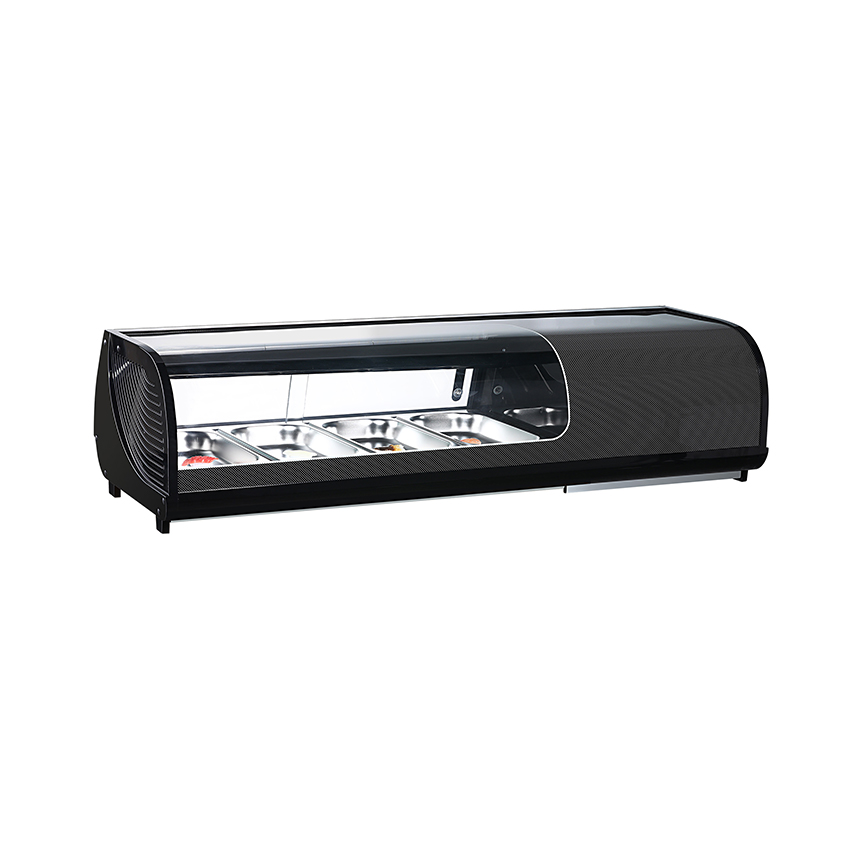
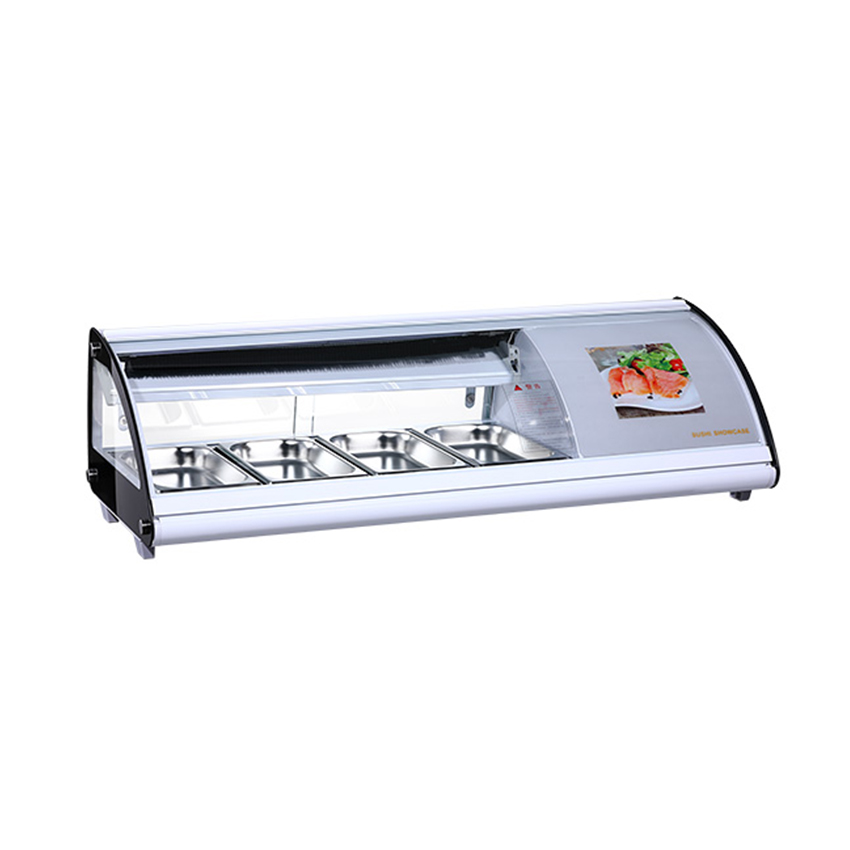 Sushi Display Cabinet with European GN Standard OptionsA horizontal refrigerated display case for sushi and other chilled foods, available in multiple sizes and styles for sushi restaurants, supermarkets, or convenience stores.View Product →
Small cafes and takeaway counters use compact blast chillers for batches of a few kilograms, then hold the chilled products in a low-noise tabletop refrigerated display cabinet at the point of sale.
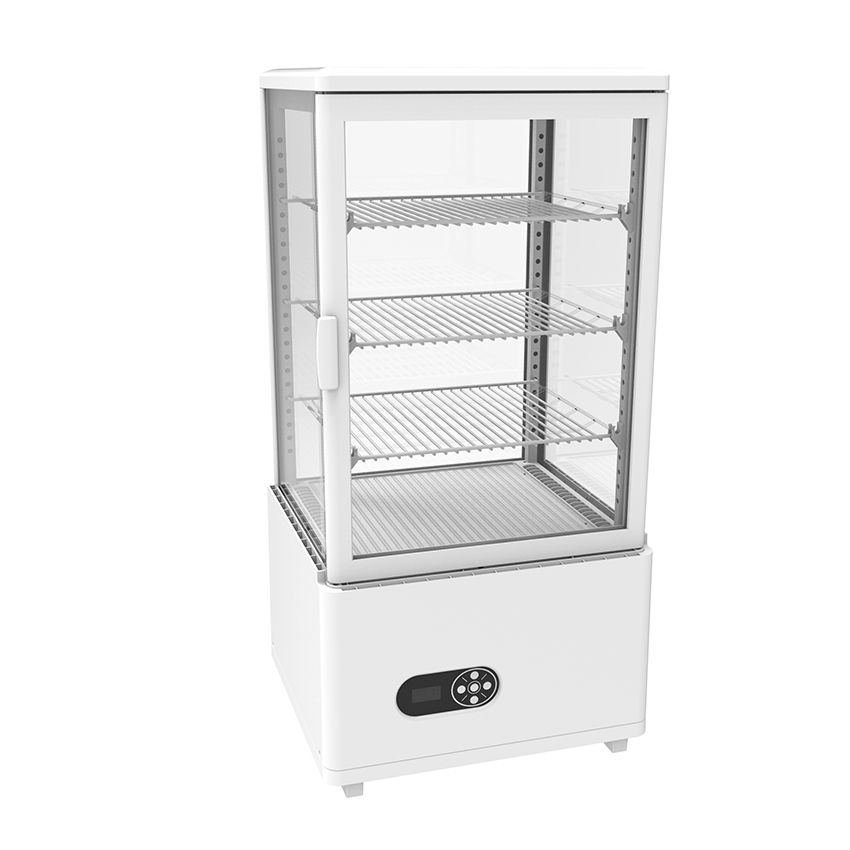 Low Noise Tabletop Refrigerated Display CabinetA compact countertop unit with high-efficiency cooling and reduced noise, offering LED lighting and glass doors for point-of-sale chilled food display.View Product →
The same “chill first, then display” logic runs through the product range of Zhejiang Fuerj Electric Science And Technology Co., Ltd., a manufacturer founded in 1997 that specializes in electric heating and refrigeration products such as freezers and cake showcases. The company operates a 110,000-square-meter plant with a construction area of 85,500 square meters, employs 650 people including 85 engineering and technical staff, and has an annual output of 750,000 sets. Its products carry GS, CB, RoHS, UL, COC, and CCC certifications, and are exported to more than 20 countries and regions in Europe, America, Asia, and Africa. That certification depth matters to buyers because the right marks keep imported refrigeration equipment compliant when it arrives on site.
The two curves below show why a blast chiller and a standard refrigerator are not interchangeable for hot food. The solid blue line is a blast chiller: the core drops below 5°C within 90 minutes. The dashed gray line is a standard refrigerator: after two hours, the center of the same batch is still around 45°C, deep inside the danger zone.
The isometric drawing below shows the main structure of a blast chiller. A high-speed fan and evaporator coil sit above the trays and push cold air downward across every shelf. The core temperature probe monitors the center of the product and ends the cycle once the set point is reached. This airflow pattern is why pan depth matters: shallow pans expose more surface area, so the cycle finishes faster.
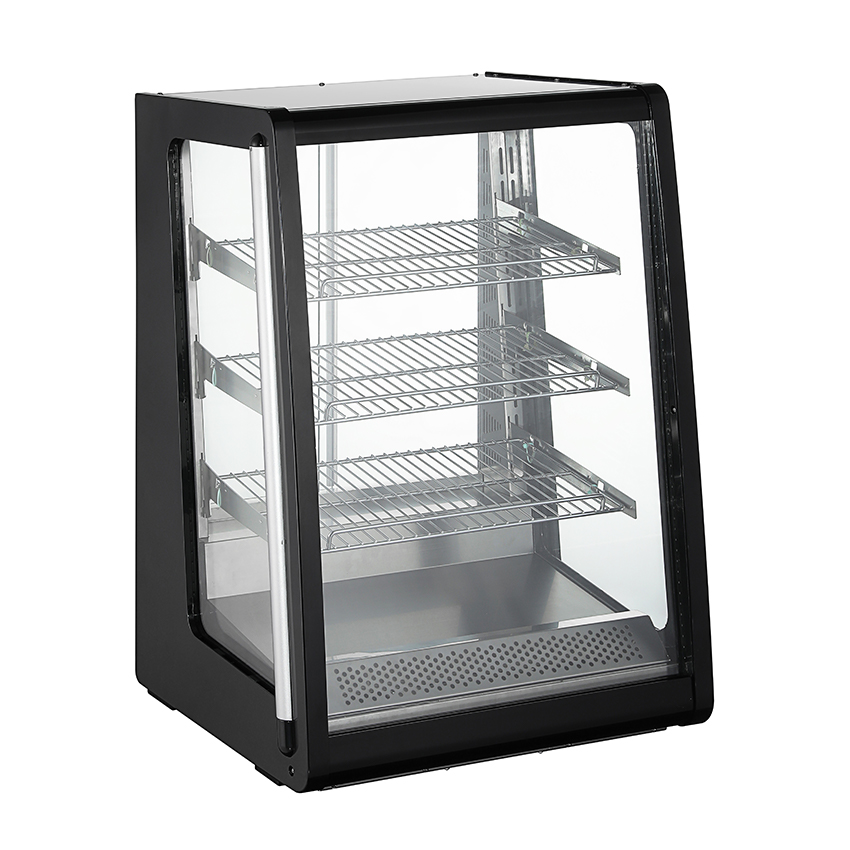

Copyright © Zhejiang Fuerj Electric Science And Technology Co., Ltd. Rights Reserved. Food Showcase Display Manufacturer Fireplace Factory
