 English
 русский
 Español
 Français
 عربى
عربى italiano
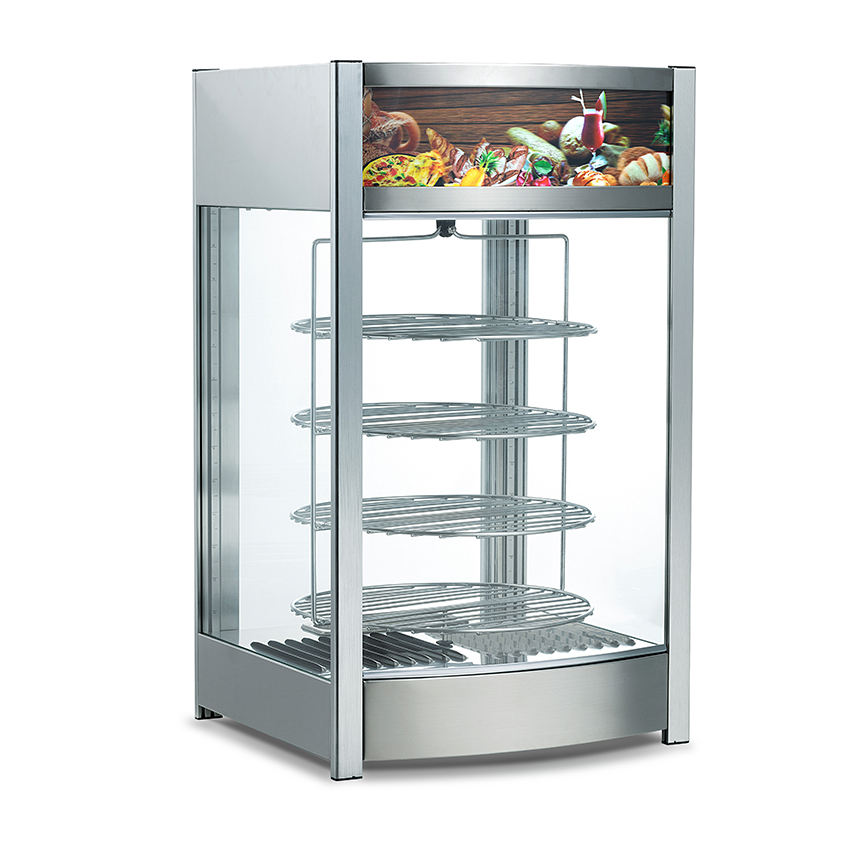
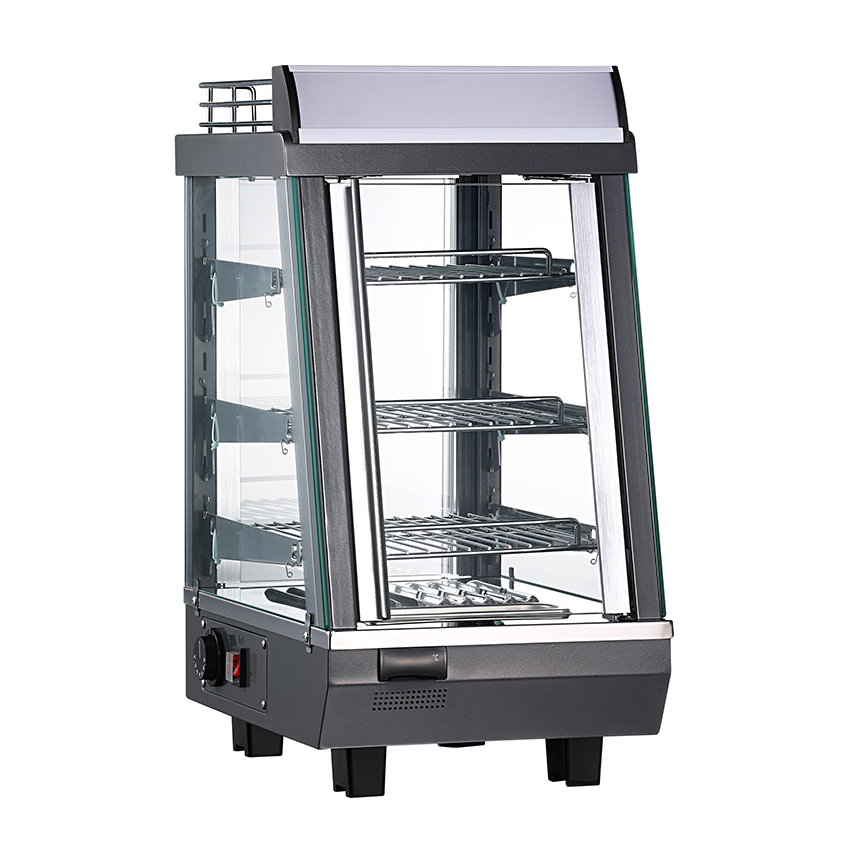
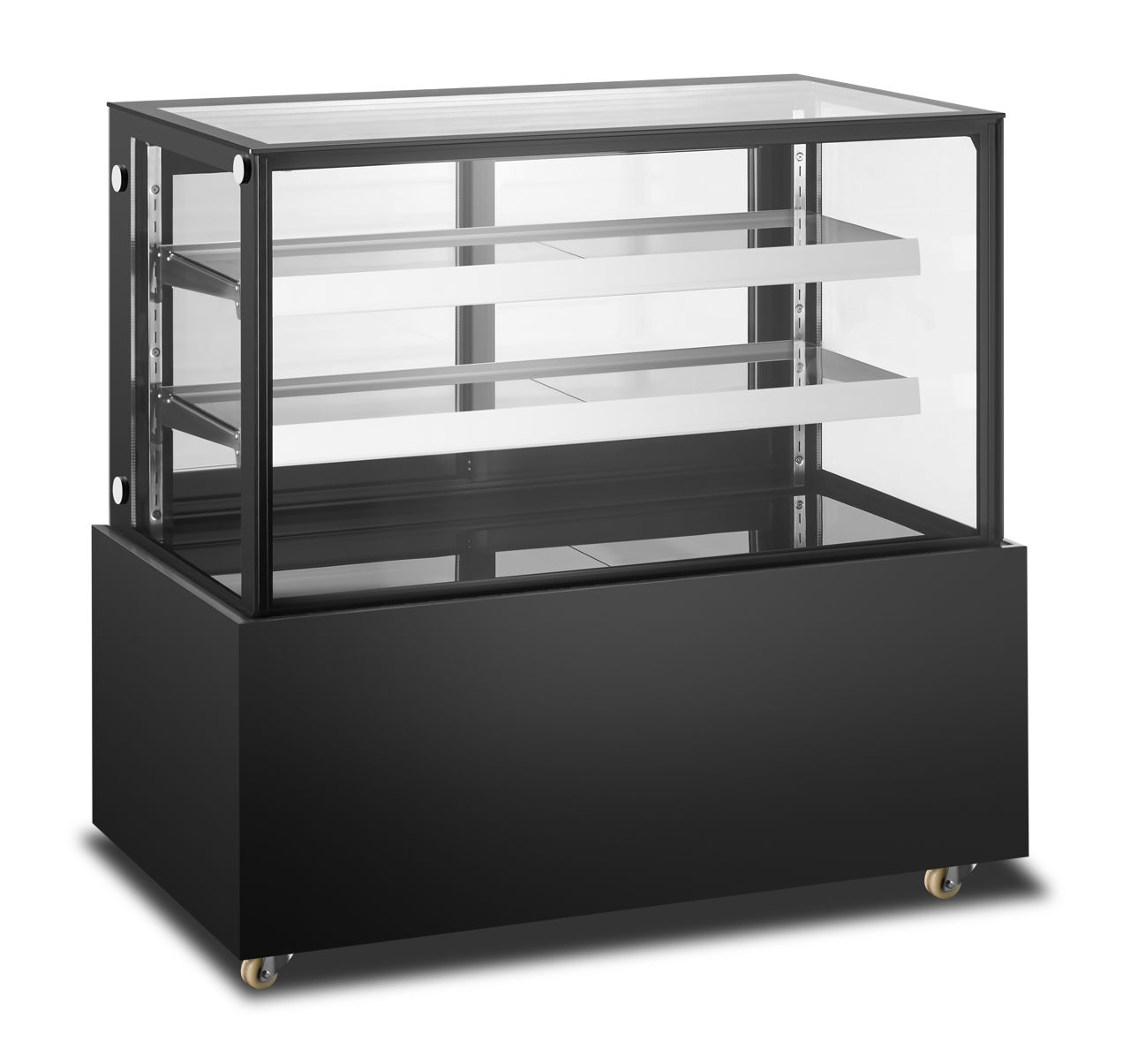
Multi-product thermal display cabinet
The multi-product thermal insulation display cabinet has various sizes, elegant appearance and unique design. It ad...



A refrigerated display cabinet reading 9 °C on its second morning is usually not a refrigeration fault. It is an installation fault: a grille blocked by a stockroom wall, a shared circuit that sags every time the griddle cycles, or a cabinet switched on twenty minutes after it was wheeled off a lorry.
Start with the conclusion. Commercial refrigerator installation is site engineering, not delivery. Three variables decide the outcome: airflow around the condensing unit, the quality of the power supply, and how level and stable the cabinet sits. Get them right and the unit holds temperature quietly for years. Get one wrong and the first month produces noise complaints, condensation, and a warranty argument nobody wins.
This guide covers what a professional installation includes, the checks that must happen before the equipment arrives, and the commissioning tests that prove the job is finished.
Content
A complete installation runs in six stages, and only three of them involve tools.
The first two stages happen before the cabinet is even delivered, and that is where the expensive mistakes are decided: a doorway 40 mm too narrow, a socket on a shared ring main, or a floor that slopes 15 mm across the footprint.
If you are still choosing equipment rather than installing it, our explanation of what a commercial refrigerated display cabinet is designed to do is a useful starting point, because a display case and a storage freezer do not share the same installation requirements.
Work through the list below with drawings and a tape measure, not with a phone call. Every line is a failure mode that shows up in real service calls.
| Check | What to verify | Cost of skipping it |
|---|---|---|
| Access route | Narrowest doorway, turning space and lift capacity measured with the cabinet crated | Failed delivery, redelivery charge, damaged panels |
| Floor | Flat, level and able to carry the loaded weight at the final position | Doors that will not close, vibration, noise |
| Power | Dedicated circuit sized to the nameplate current, correct voltage, sound earth | Nuisance tripping, compressor overheating |
| Ambient conditions | Room temperature around the condensing unit; no oven, fryer or direct sun nearby | Slow pull-down, higher energy use |
| Drainage | A floor drain or condensate route with a continuous fall | Water on the floor, hygiene problems |
| Clearance | Space at rear, sides and above the condensing unit for heat rejection | Recirculated warm air, lost capacity |
Two numbers belong on every survey sheet: the width of the narrowest door on the route with the cabinet still crated, and the clearance available behind the final position. Both are cheap to measure and expensive to discover later.
The nameplate is the specification. It lists rated voltage, frequency, running current and usually a minimum circuit rating. A commercial refrigerator belongs on a dedicated circuit sized to that nameplate, not on an extension lead and not on the same circuit as a fryer, griddle or coffee machine.
A compressor draws a short inrush current on every start, several times the running figure, while cooking equipment creates voltage dips of its own. Combine the two and the compressor runs at reduced voltage, which raises winding temperature and current draw while shortening the life of the unit.
Commercial refrigeration nameplates are generally written around a tolerance of about plus or minus 10% of rated voltage. Persistent sag below that is not a nuisance; it is a failure waiting for a busy Saturday.
One detail catches out many installers: earth-leakage protection. Some compressor-driven cabinets trip 30 mA residual-current devices at start-up, so manuals often specify a dedicated circuit, a higher trip threshold, or a time-delayed device. Confirm the requirement before the electrician leaves, not after the first call-out.
A condensing unit does not cool a cabinet; it moves heat from inside the cabinet into the room. If the air it breathes has already passed over another condenser, that heat comes straight back and the unit works harder for the same result. Clearance is therefore a performance specification, not a housekeeping rule.
As an industry rule of thumb, every 1 °C rise in condensing temperature adds roughly 2 to 3% to compressor power and reduces usable capacity at the same time. In an alcove shared by three cabinets, that compounds quickly.
Leveling is the step that gets rushed. A cabinet sitting on a 4 mm slope looks fine on day one. Within a month the doors drop out of alignment, the gaskets leak at the top corner, and the evaporator runs a permanent defrost cycle to deal with warm, moist air entering the case.
Work through the sequence in order:
On glass-fronted cabinets, check the air curtain after leveling. A tilted case often shows uneven airflow across the display deck, and product on one side will run measurably warmer than the other.
Commissioning turns an installation into evidence. It also protects the customer, because a cabinet that cannot reach its set point in a reasonable time has a problem that will not fix itself.
That handover sheet is the single most useful document in a warranty dispute, and it takes ten minutes to complete.
Every one of these is an installation defect that presents itself to the user as an equipment defect.
Different refrigeration products fail in different ways when installation is rushed, so the emphasis shifts with the equipment.
Back-of-house storage refrigeration is mainly about heat rejection and drainage. These units run continuously, so rear and top clearances matter more than front access, and the drain has to handle heavy condensate loads in summer.
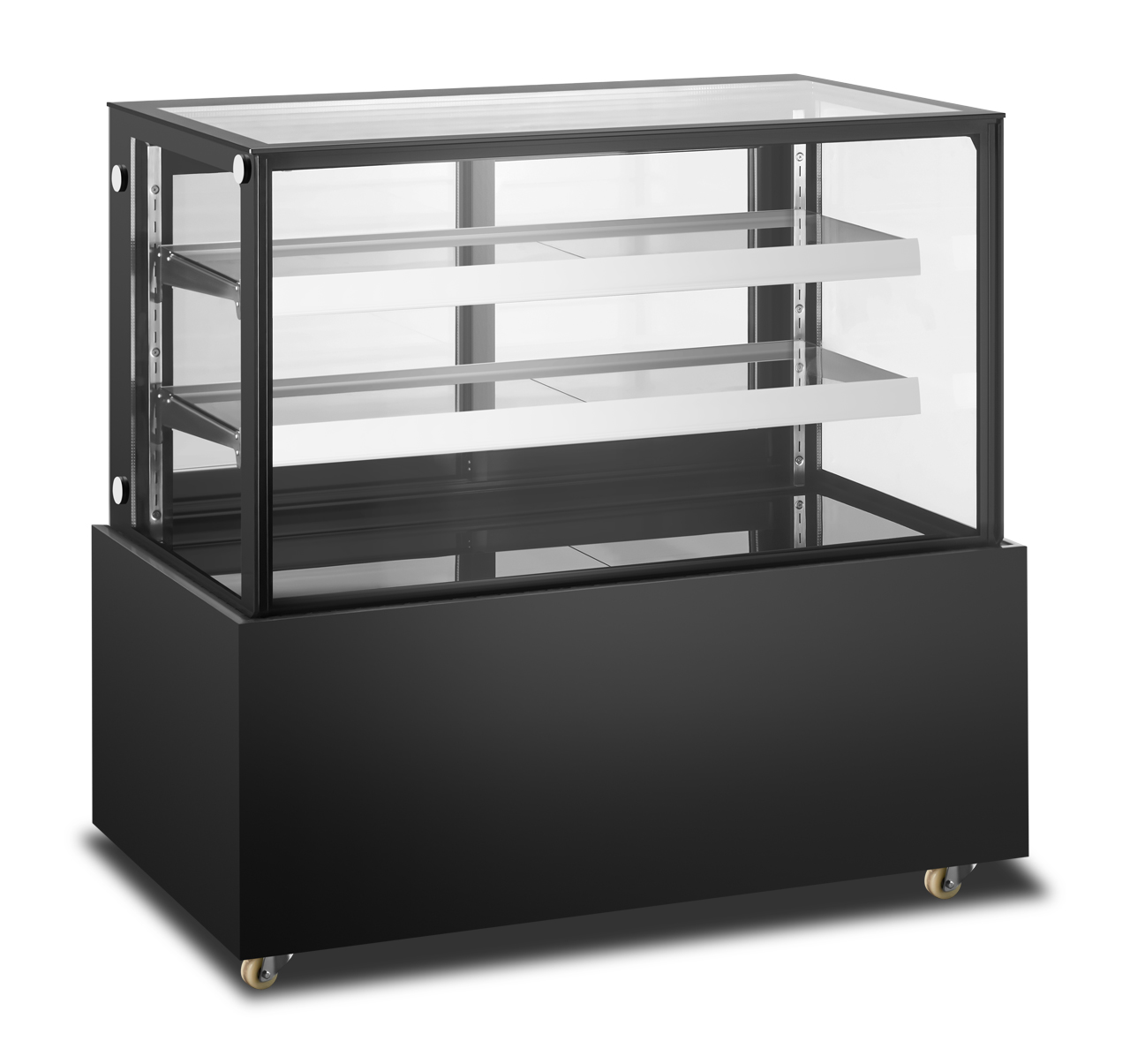 Commercial refrigerated display cabinetCommercial refrigerated display cabinets, as an indispensable part of modern retail, not only bear the responsibility of preserving and displaying merchandise but also...View Product →
Front-of-house display equipment adds a display deck, glass, lighting and an air curtain. Here installation is about the room as much as the cabinet: a unit placed in a draught from a door or an air-conditioning diffuser will show uneven temperatures across the display, and a case next to a sunny window will pull down slowly all afternoon.
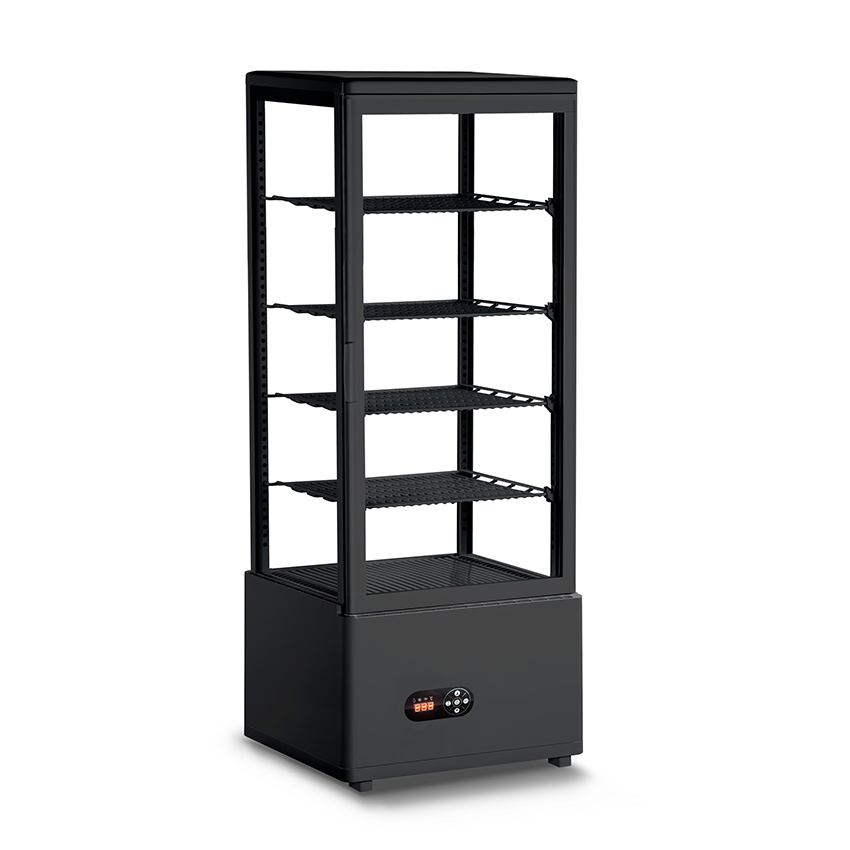 Refrigeration Showcase Display Manufacturer--> Low noise tabletop refrigerated display cabinetView Product →
Countertop units are usually installed where customers stand. Leveling and vibration control matter more than clearances, because the noise of a poorly seated unit at a checkout counter generates a complaint in the same week.
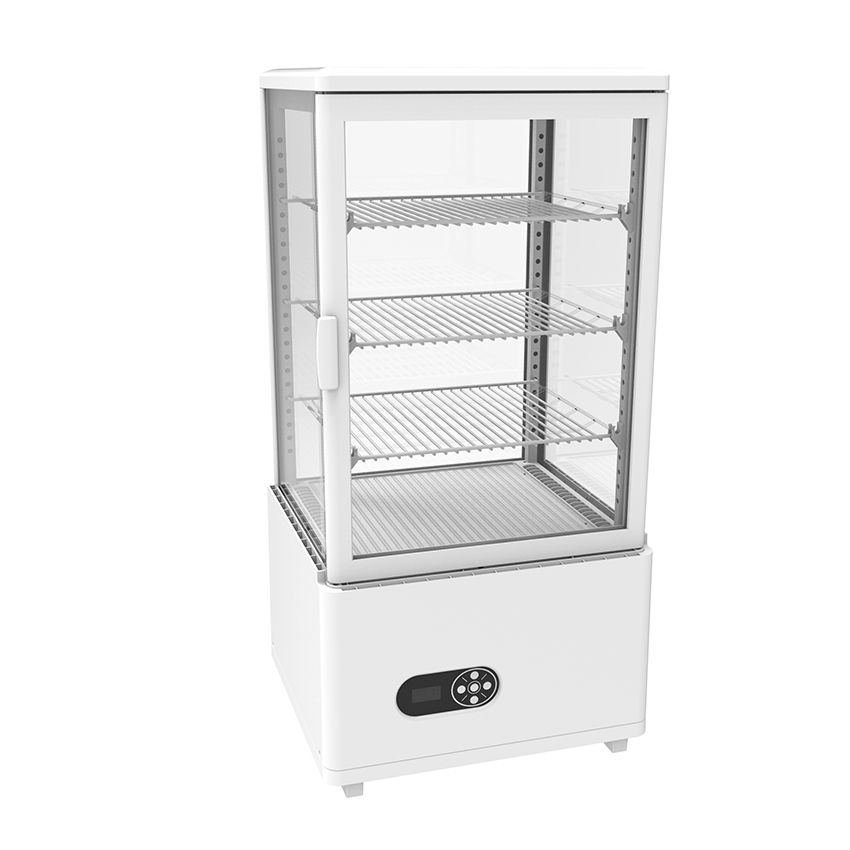 Low noise tabletop refrigerated display cabinetThe tabletop refrigerated display cabinet series offers a variety of models and different volume options. The refrigerated display cabinet uses high-efficiency refrige...View Product →
Hot and cold display equipment adds one more variable at handover: confirm which mode the site actually needs and set the temperature accordingly before staff are trained on the cabinet.
Zhejiang Fuerj Electric Science And Technology Co., Ltd. was founded in 1997 and manufactures electric heating products alongside refrigeration products such as freezers, display cabinets and cake showcases. The company covers 110,000 square meters with 85,500 square meters of building area, and employs 650 people, including 85 engineering and technical personnel; more than 160 employees hold a college degree or above.
Annual output reaches 750,000 sets of various products, and the ranges carry GS, CB, RoHS, UL, COC and CCC certification to meet the requirements of different markets. Products are exported to more than 20 countries and regions across Europe, America, Asia and Africa.
For buyers, the practical value of that background sits at the installation stage: clearance figures that match real rooms, drain and leveling guidance supplied with the unit, and documentation a service technician can still work from years later.
Typical minimums are around 100 mm at the rear, 50 mm at each side, 300 mm above the condensing unit, and 900 mm of front access for servicing. Follow the manual for your exact model.
Only if that socket is on a dedicated circuit rated for the current shown on the nameplate. Extension leads and circuits shared with cooking equipment cause most start-up faults.
Follow the manual. Many manufacturers ask for 4 to 24 hours of standing time after transport so oil settles back into the compressor before the first start.
Cold holding is generally set at 5 °C (41 °F) or below, with the US FDA Food Code a common reference. Frozen storage is normally -18 °C or lower, and the manual takes priority.
Start-up draws a brief inrush current several times the running figure. An undersized circuit, a shared load, or an earth-leakage device sensitive to that inrush are the usual causes.
Plan four to six hours for an empty cabinet to pull down to set point in a normal ambient room, plus a 24-hour temperature log that includes ordinary door openings.
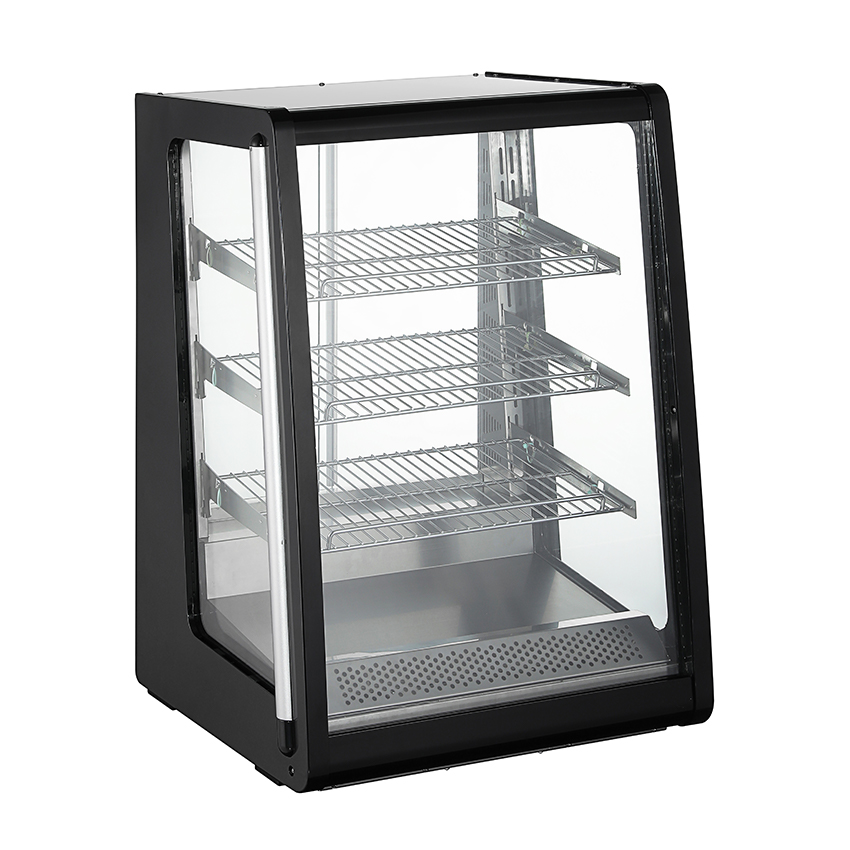


Copyright © Zhejiang Fuerj Electric Science And Technology Co., Ltd. Rights Reserved. Food Showcase Display Manufacturer Fireplace Factory
