 English
 русский
 Español
 Français
 عربى
عربى italiano
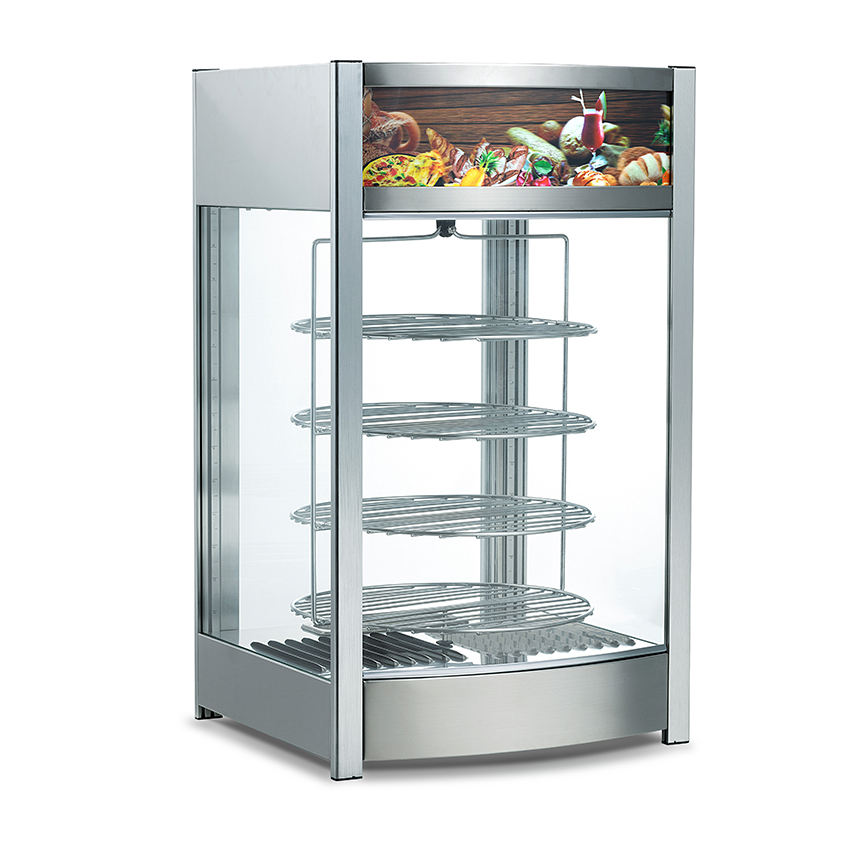
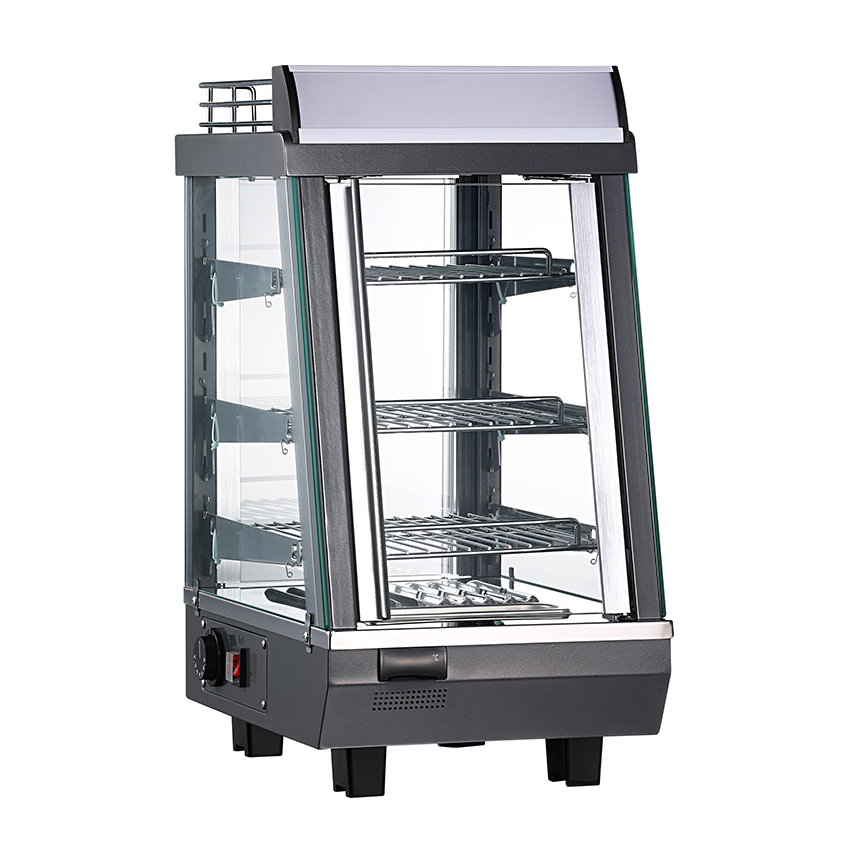
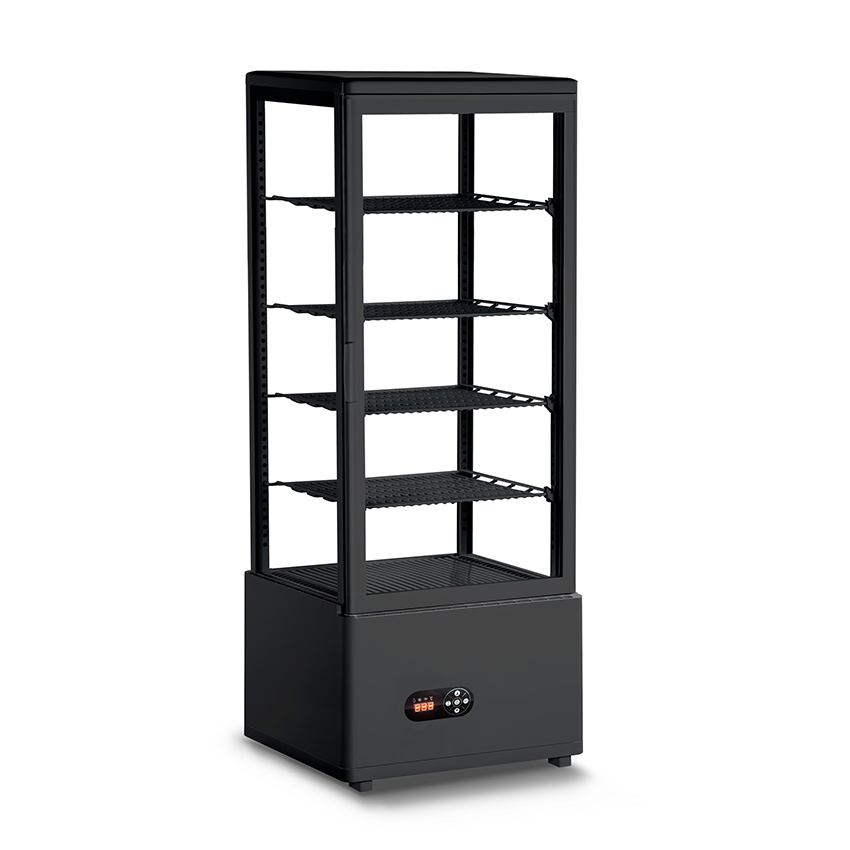
Multi-product thermal display cabinet
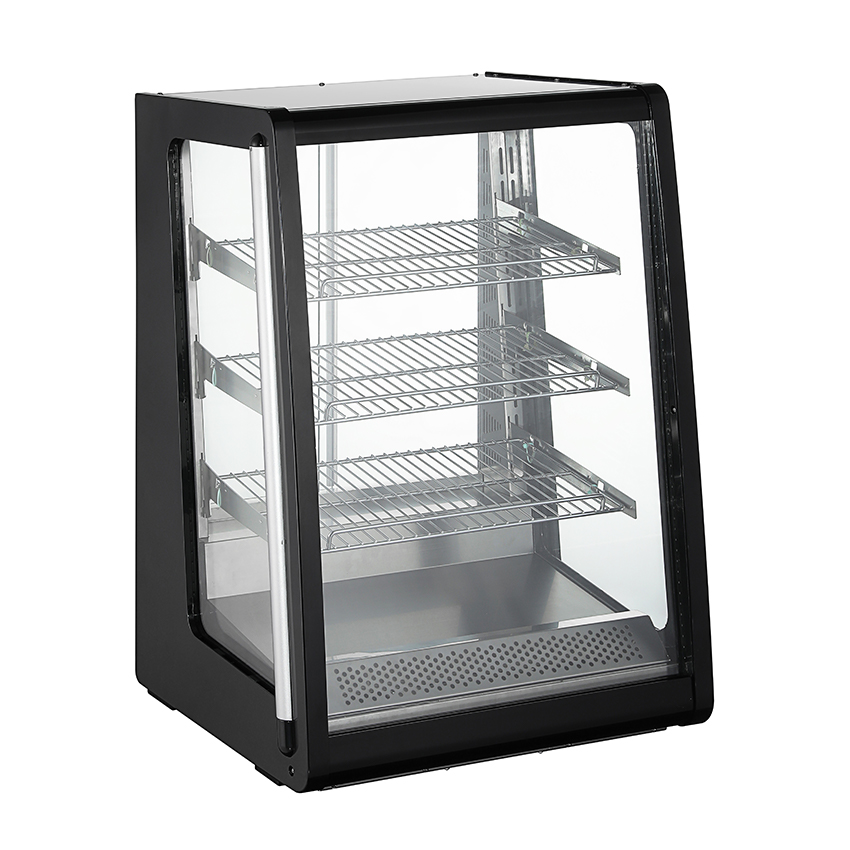
The multi-product thermal insulation display cabinet has various sizes, elegant appearance and unique design. It ad...



A walk-in cooler reading 44°F on a Tuesday morning usually comes with the same line: "It has always been like that." It should not be. A commercial walk-in is designed to hold 34°F to 38°F of air temperature, and every degree above 41°F works against the food inside it.
The setpoint sits well below 41°F for a reason. Air temperature moves the second the door opens, while product temperature follows slowly. Holding the box in the mid-30s gives a busy lunch service room to swing the door open and shut without pushing the food into unsafe territory.
Content
For most commercial kitchens, the correct walk-in cooler air temperature is 34°F to 38°F (-1°C to 3°C). Some equipment guides allow a wider window of 35°F to 41°F, but the practical target stays in the mid-30s. The ceiling is fixed: the FDA Food Code requires time/temperature control for safety (TCS) foods to be held at 41°F (5°C) or below.
Set the thermostat at 36°F and the box will typically hold product between 36°F and 40°F through a normal day of loading, restocking, and door traffic.
Between 41°F and 135°F (5°C to 57°C), bacteria multiply fastest. Food-safety training calls it the temperature danger zone, and a walk-in sitting at 43°F is inside it, no matter how cold the shelves feel to the hand.
Cold storage does not sterilize anything; it only slows microbial activity. A cooler at 43°F is not "almost fine" — it lets spoilage organisms and pathogens gain ground hour by hour, and it shortens the safe shelf life of everything on the shelf. A cooler held at 36°F slows that growth far more.
The same logic runs on the hot side of the kitchen. Our breakdown of safe food holding temperatures covers the 135°F line that applies to hot cabinets, steam tables, and holding drawers.
| Equipment | Target air temperature | Investigate at | What suffers first |
|---|---|---|---|
| Walk-in cooler | 34-38°F (1-3°C) | 40°F (4.4°C) | Dairy, cooked proteins, cut produce |
| Walk-in freezer | -10 to 0°F (-23 to -18°C) | 0°F (-18°C) | Ice cream texture, frozen dough |
| Refrigerated display case | 35-41°F (2-5°C) | 41°F (5°C) | Top shelf of open-front cases |
| Hot holding cabinet | 135°F (57°C) or above | 135°F (57°C) | Rice, sauces, fried items |
When a technician finds a box running at 45°F, the cause is almost always on this list.
The layout explains why the top shelf and the door area are the two places worth watching. The evaporator sits high and pushes cold air down the walls, so the warmest air in any walk-in collects near the ceiling and near the door opening.
A wall thermometer measures air, and air is the number that reacts first. Food is what actually matters. A chicken breast pulled from a 36°F walk-in can read 38°F to 40°F internally, and a case of milk delivered on a warm dock can sit near 50°F for a while before it settles.
Put the sensing bulb or probe in the warmest realistic spot: mid-height, a few feet in from the door, and not directly under the evaporator fan. Do not zip-tie a probe to the coil — it will read the coil, not the room.
Accuracy within 2°F (1°C) is the working standard. Calibrate monthly, and replace any thermometer that cannot be brought back to 32°F in an ice bath.
A walk-in solves storage. It does not solve selling. Bakeries, sushi counters, and convenience stores need the same temperature discipline in a unit customers can see into and staff can serve from directly.
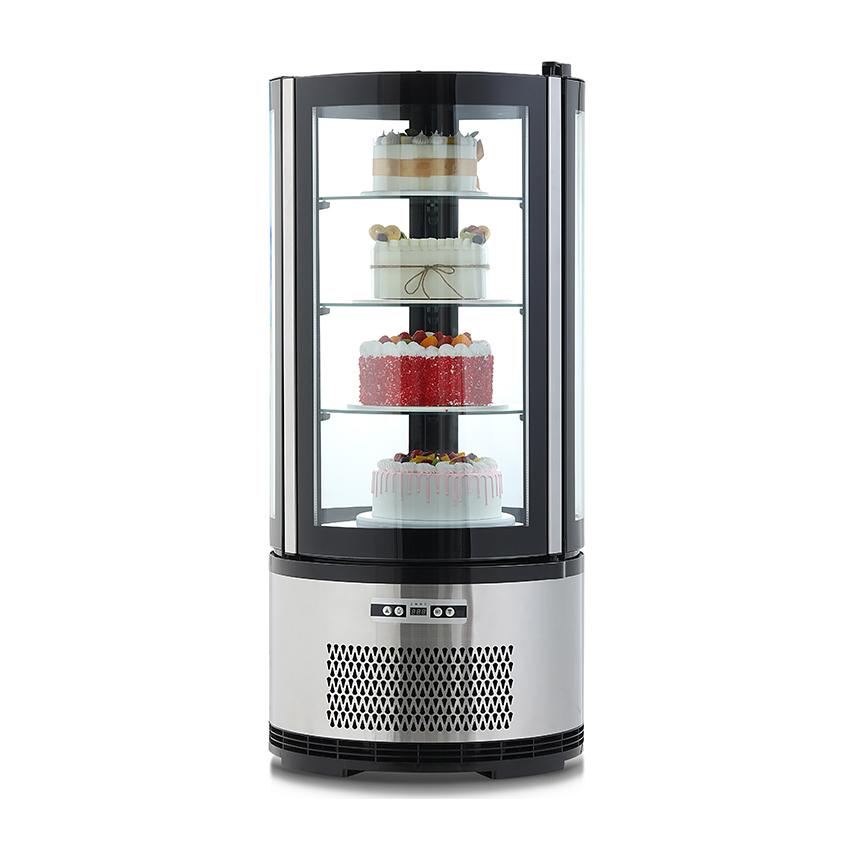
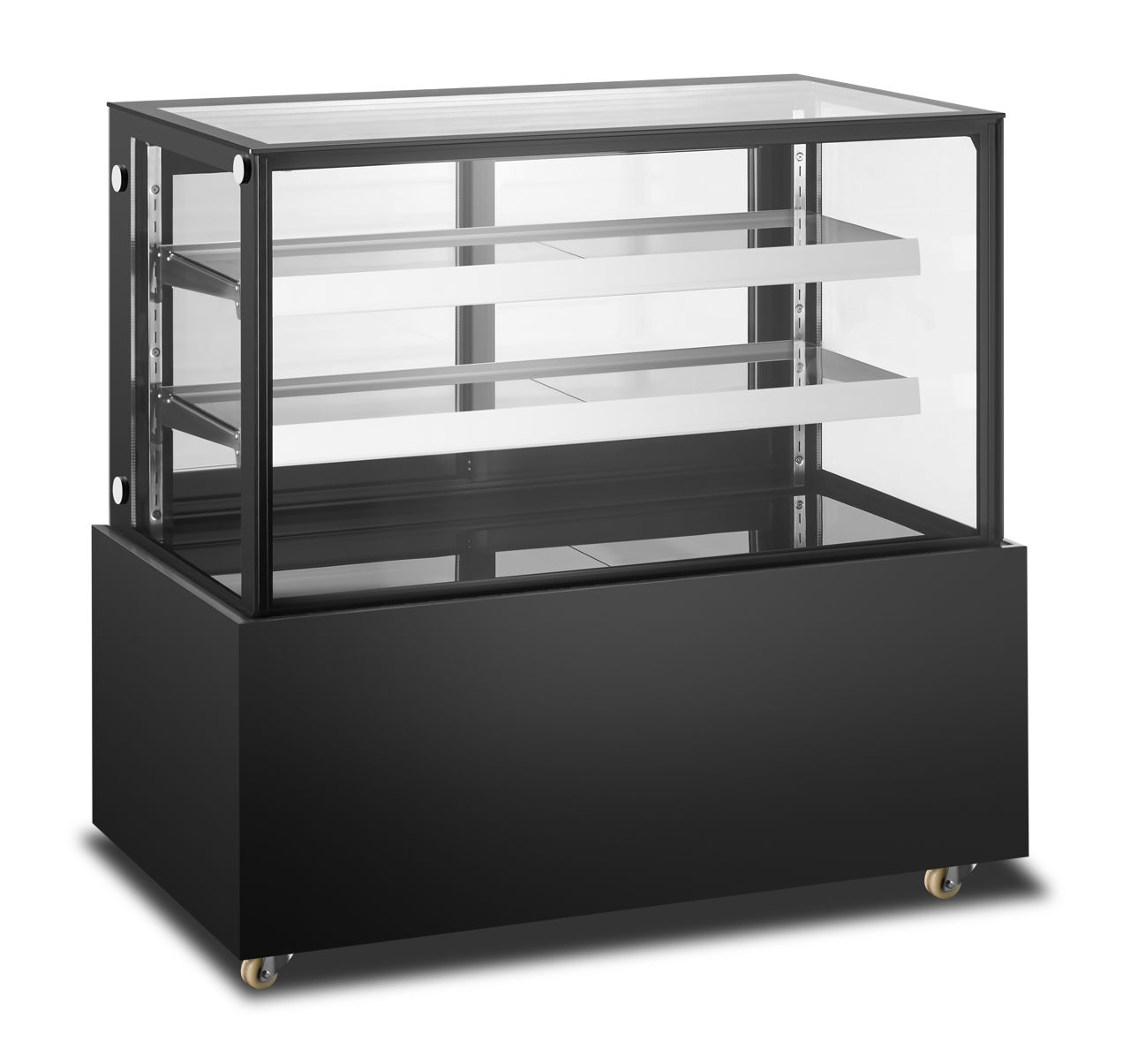
For a pastry case, a cake display cabinet holds cream, mousse, and fresh fruit between 35°F and 41°F while keeping the product lit and visible — the same cold chain as a walk-in, moved to the front of the shop.
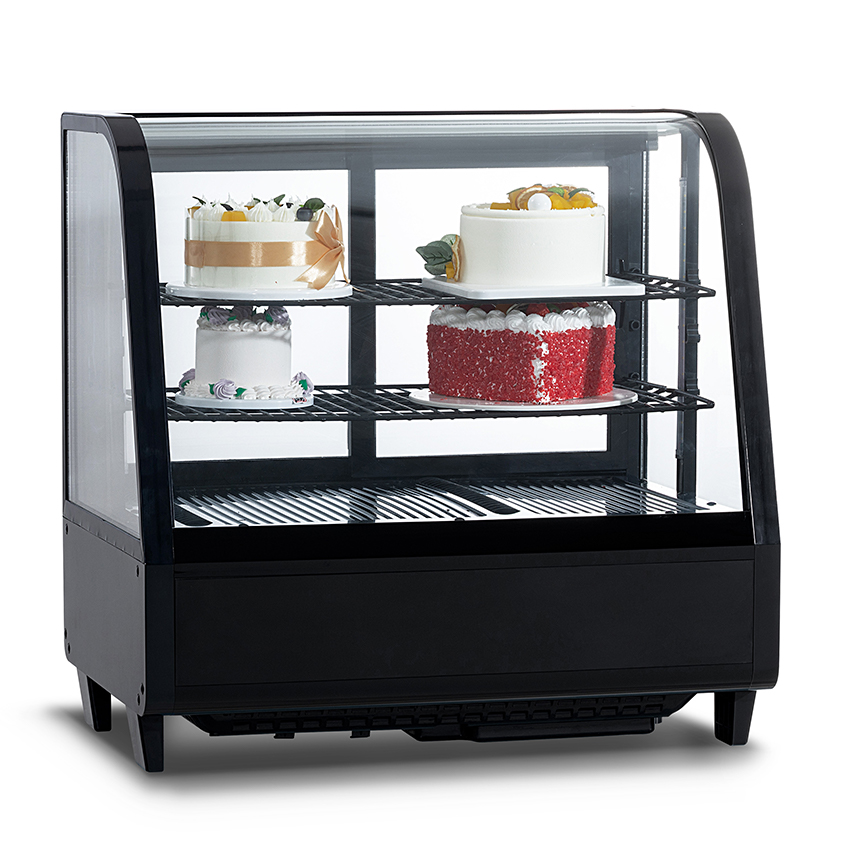 Cake display cabinetCake display cabinets are favored by customers for their beautiful shapes and diverse styles. They have rich functions, including refrigeration and preservation, LED l...View Product →
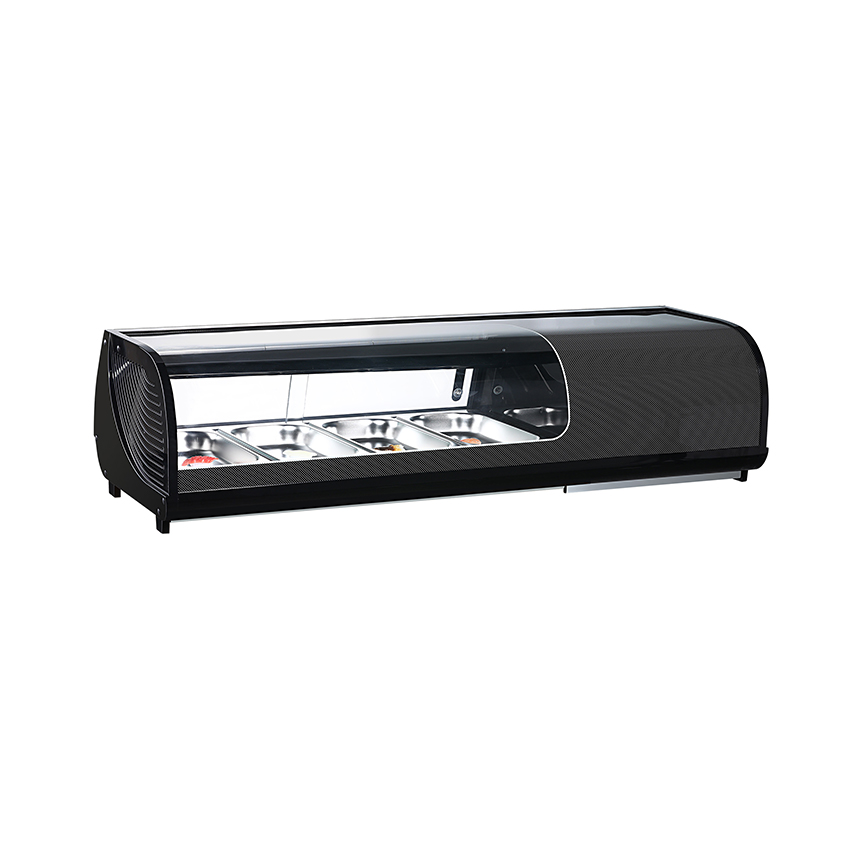
Sushi counters have a tighter requirement. Fish needs a steady 35°F to 38°F with moving, humid air, because dehydration shows up on the plate faster than spoilage does.
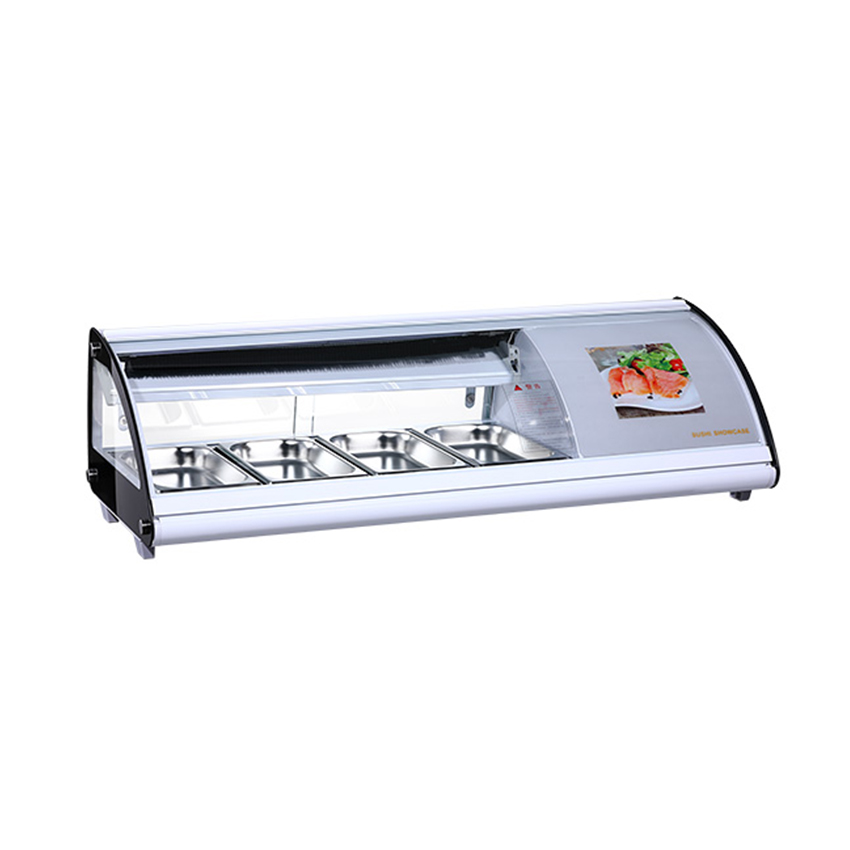 Sushi display cabinetSushi display cabinets are equipped with various European GN standards. The side wall anti-crushing line design makes stacking easier. The display cabinets are beautif...View Product →
Small kitchens and convenience stores without floor space for a walk-in often run countertop refrigerated cases that do the same job in a fraction of the footprint.
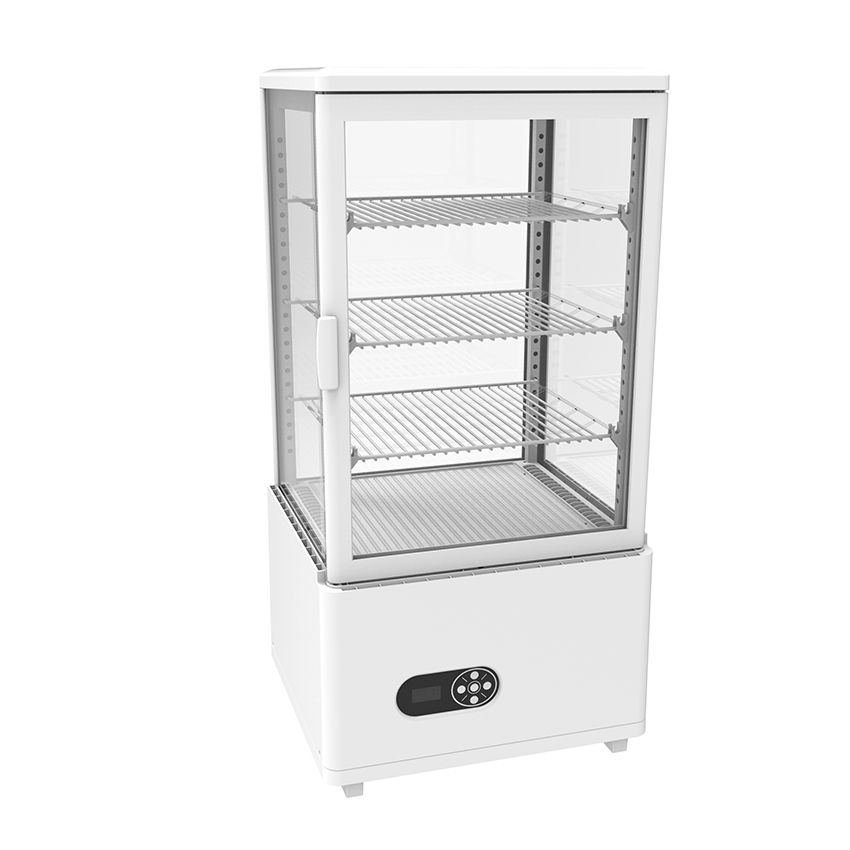 Low noise tabletop refrigerated display cabinetThe tabletop refrigerated display cabinet series offers a variety of models and different volume options. The refrigerated display cabinet uses high-efficiency refrige...View Product →
Zhejiang Fuerj Electric Science And Technology Co., Ltd., a manufacturer of commercial refrigeration and electric heating products, was founded in 1997. The company covers 110,000 square meters with 85,500 square meters of building area, employs 650 people including 85 engineering and technical personnel, and more than 160 staff hold a college degree or above. Senior leadership with a college degree or above and corresponding professional titles accounts for 35% of the team. Annual output reaches 750,000 sets of various products, with certifications including GS, CB, RoHS, UL, COC, and CCC, and exports to more than 20 countries and regions across Europe, America, Asia, and Africa. For buyers comparing refrigeration equipment, the practical point stays the same: the setpoint discipline described above applies to every cabinet they run, whether it is a walk-in or a display case on the counter.
34°F to 38°F (-1°C to 3°C). Anything at or above 41°F (5°C) is outside the FDA Food Code limit for TCS foods.
No. 45°F sits inside the 41°F to 135°F danger zone. Move the product to a working unit, call for service, and log the incident.
-10°F to 0°F (-23°C to -18°C). Ice cream loses texture first when a freezer drifts above 0°F (-18°C).
Use both. The wall unit shows the trend; a calibrated probe inserted into the food shows what an inspector will record.
Usually dirty condenser coils, a frozen or blocked evaporator, a leaking gasket, or doors held open during deliveries. Work through that list before calling for refrigerant work.
Yes, at 36°F to 38°F. Keep ethylene-producing produce away from dairy and leafy greens, and store everything off the floor.

Copyright © Zhejiang Fuerj Electric Science And Technology Co., Ltd. Rights Reserved. Food Showcase Display Manufacturer Fireplace Factory
