 English
 русский
 Español
 Français
 عربى
عربى italiano
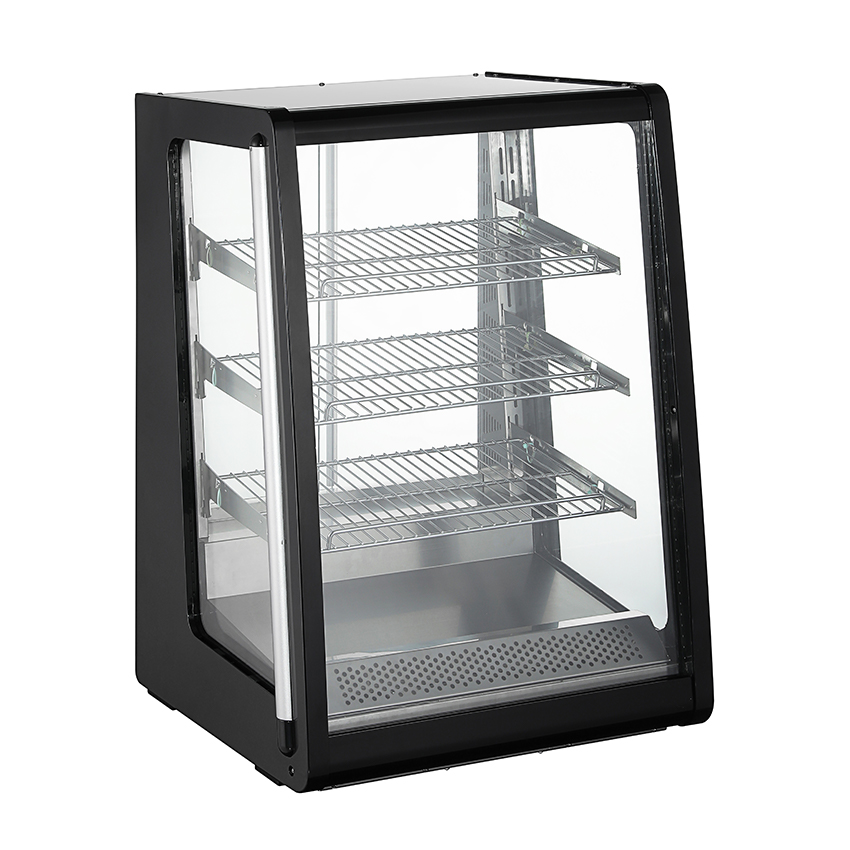
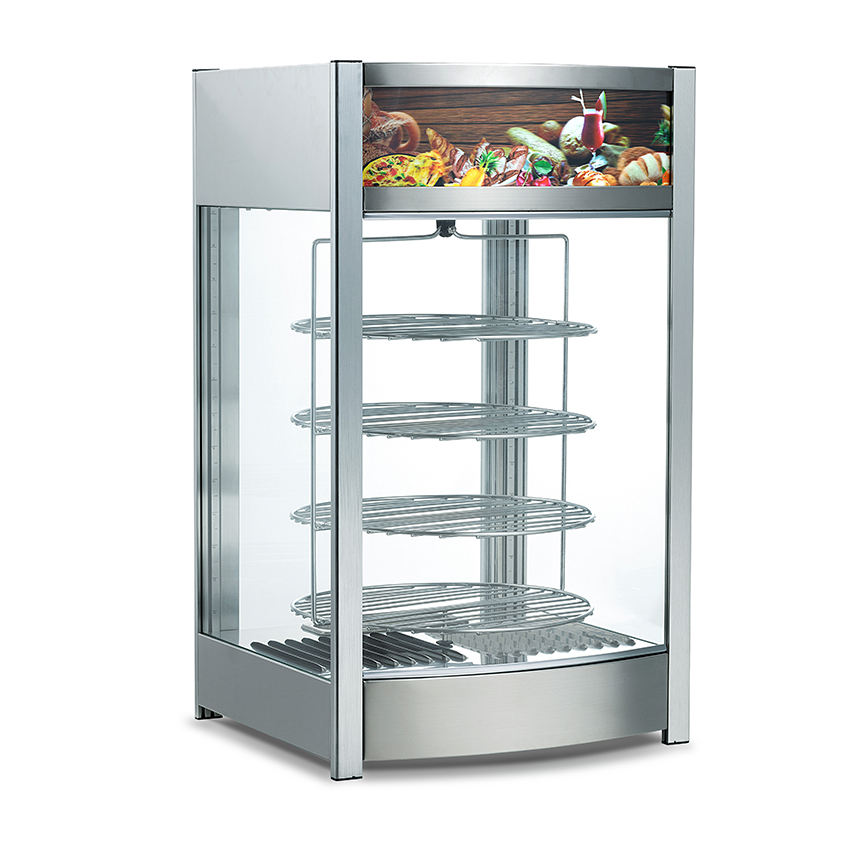
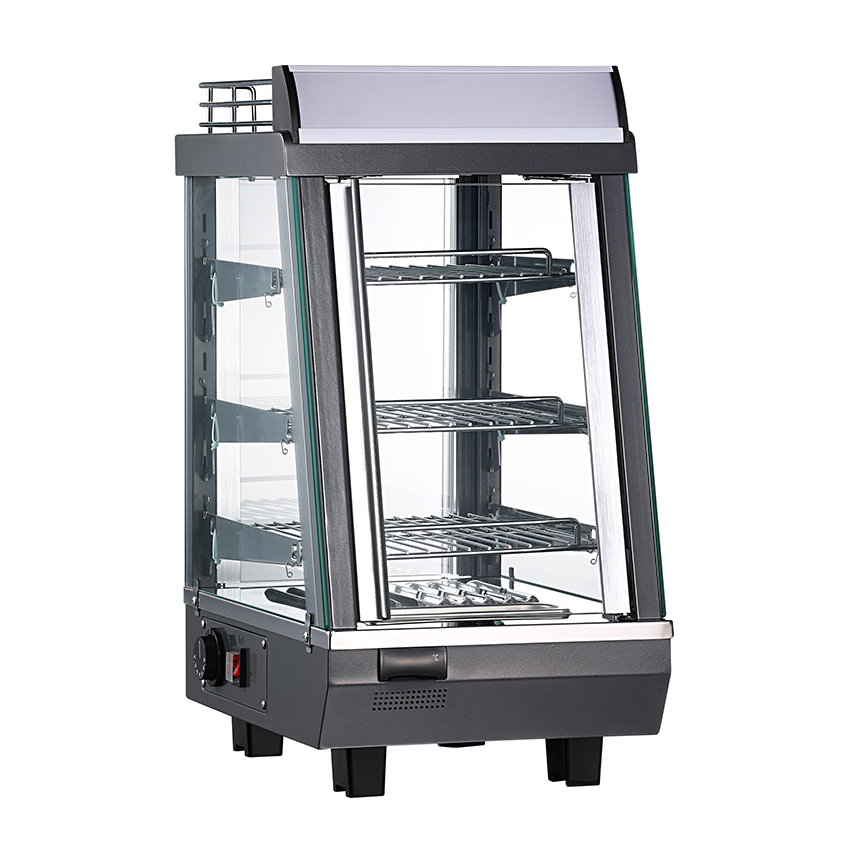
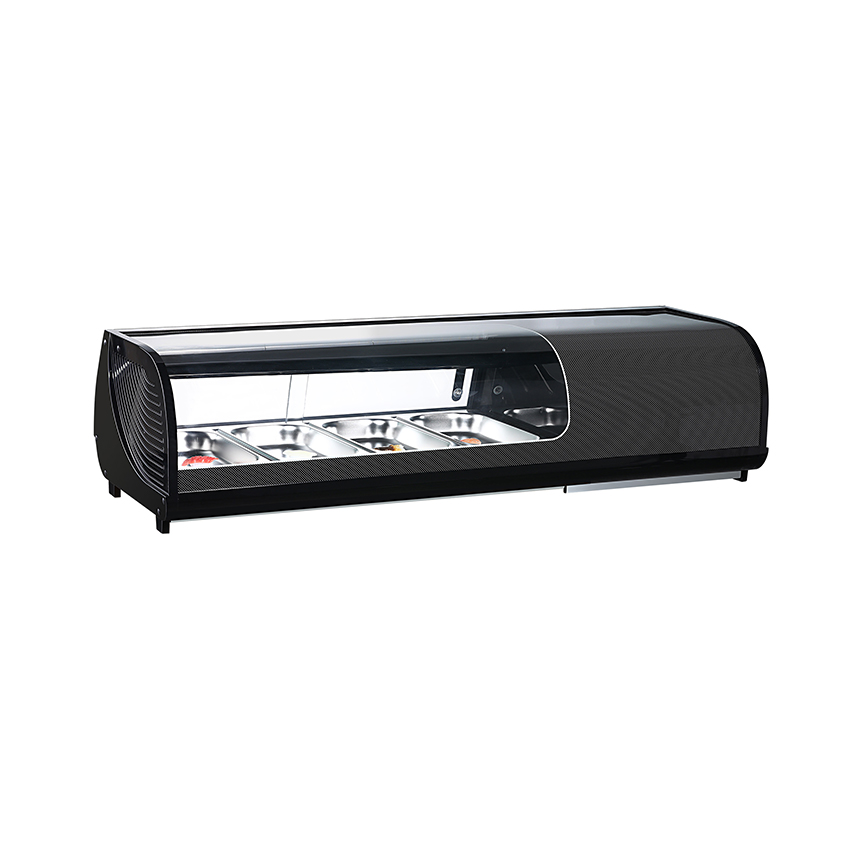
Multi-product thermal display cabinet
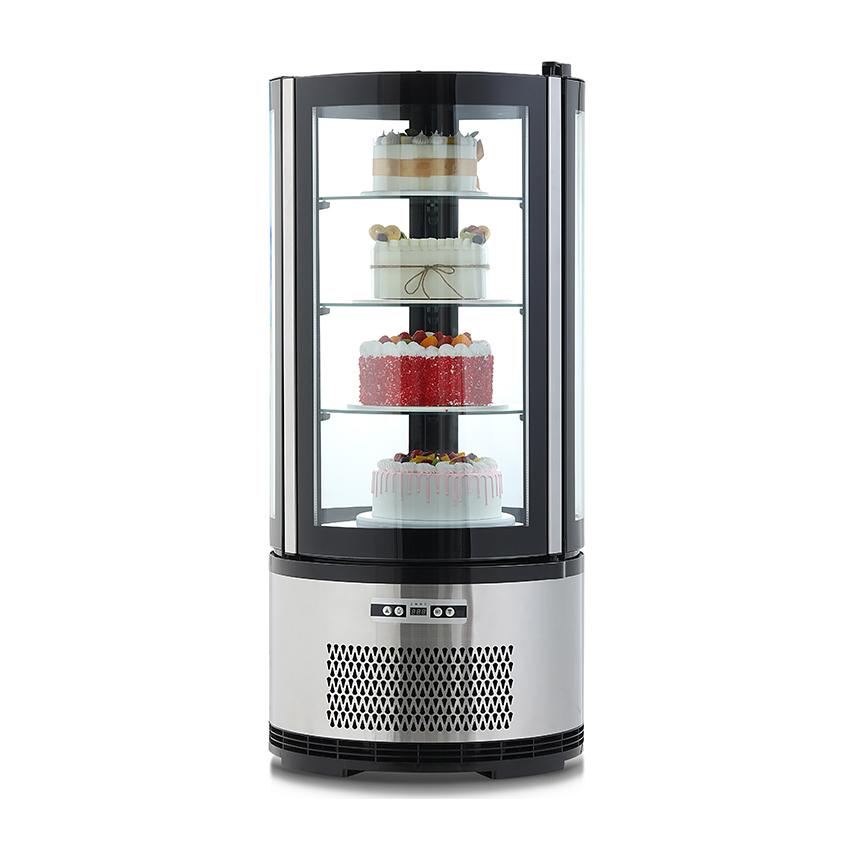
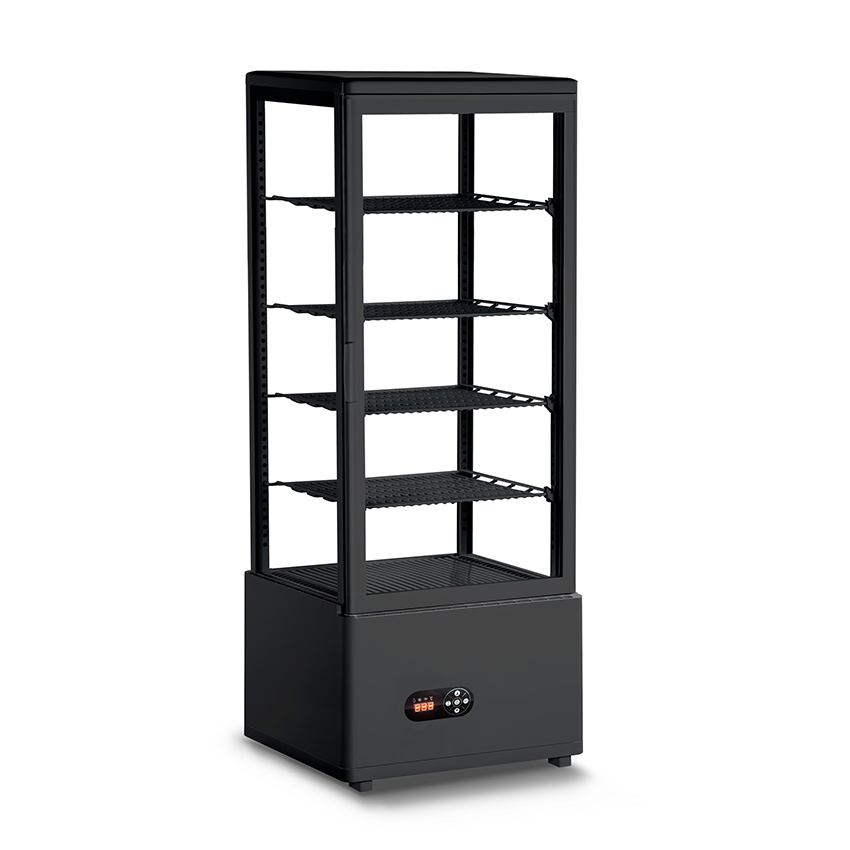
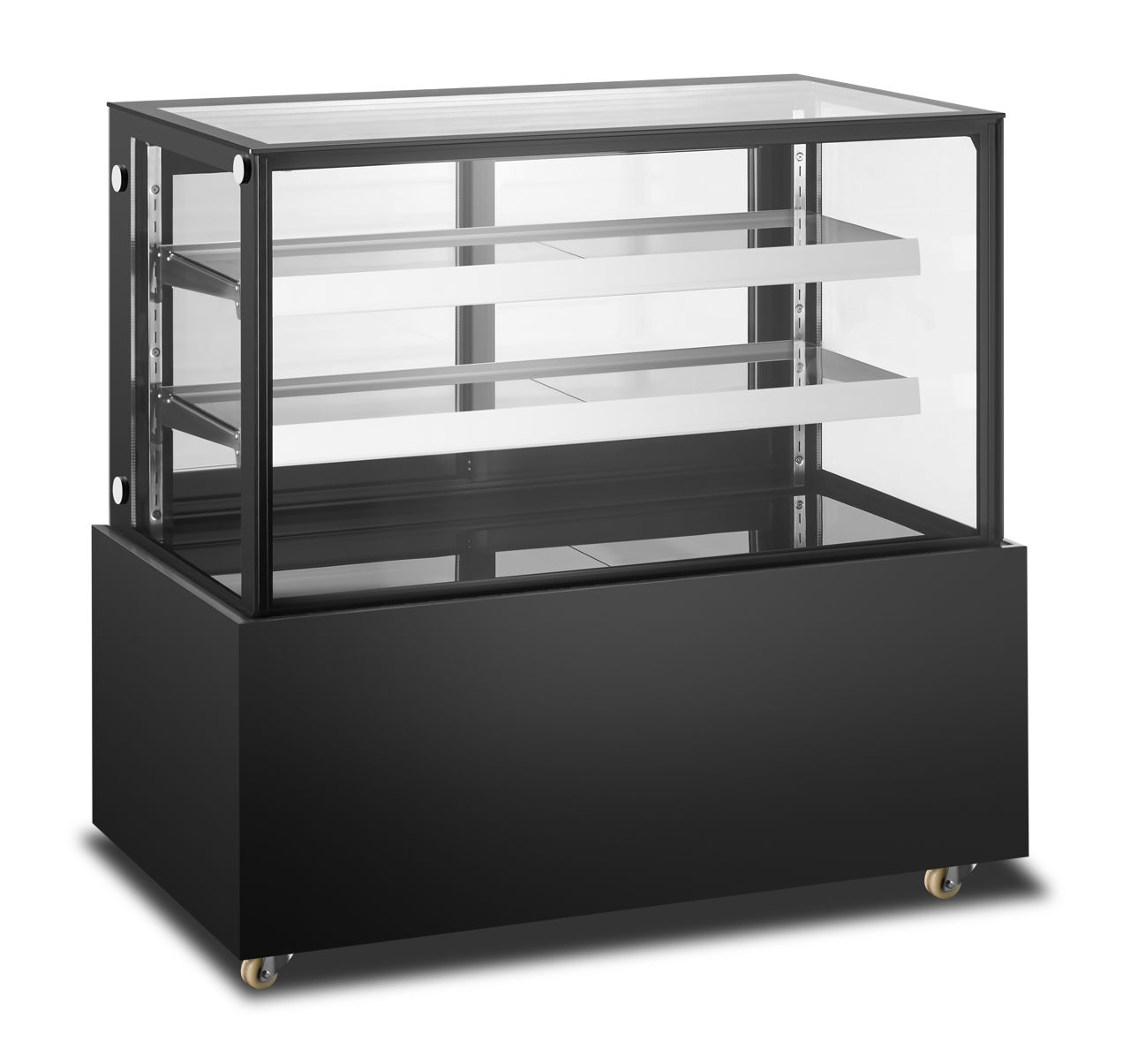
The multi-product thermal insulation display cabinet has various sizes, elegant appearance and unique design. It ad...



Hot food must be held at a minimum internal temperature of 140°F (60°C) at all times to remain safe for consumption. Cold food must be kept at or below 40°F (4°C). Any food left between these two thresholds — the range food safety professionals call the "temperature danger zone" — is at serious risk of rapid bacterial growth that can cause foodborne illness within as little as two hours.
These are not suggestions. They are the baseline standards established by the FDA Food Code and mirrored across food safety regulations in the EU, UK, Australia, and most major markets worldwide. For restaurants, buffets, bakeries, catering operations, and any commercial food service environment, maintaining proper holding temperatures is both a legal obligation and a direct factor in customer safety and business reputation.
This guide covers everything you need to know about safe food holding temperatures — including specific requirements by food type, how long food can stay in a hot cabinet, the difference between hot holding and reheating, food safety regulations for holding cabinets, and how to choose the right countertop hot holding cabinet or commercial food holding cabinet for your operation.
Content
Bacteria thrive between 40°F (4°C) and 140°F (60°C). Within this range, pathogens such as Salmonella, Staphylococcus aureus, and Clostridium perfringens can double in number every 20 minutes under optimal conditions. A serving of cooked chicken left at 100°F (38°C) for just four hours can accumulate bacterial loads sufficient to cause serious illness in healthy adults.
The 140°F lower hot-holding limit is set because most harmful bacteria are either killed or rendered unable to reproduce above this temperature. Maintaining food above this threshold continuously — not just at the start of service — is the core requirement. A countertop food warmer cabinet or electric hot holding cabinet that allows temperature fluctuation below 140°F, even briefly, creates a window for bacterial proliferation that cannot be reversed simply by reheating.
Some jurisdictions and food types carry higher minimum holding temperatures. Poultry, for example, is often regulated at 165°F (74°C) for initial cooking, and many operators hold it at 155–165°F to prevent any possibility of cross-contamination risk from undercooked adjacent product. Understanding both the universal floor and the category-specific requirements is essential for full regulatory compliance.
The diagram above visualizes the three critical temperature zones that govern food safety in every commercial kitchen and food service environment. The danger zone — spanning 40°F to 140°F (4°C to 60°C) — is the core risk area where bacterial growth accelerates to dangerous levels if food remains there for more than two cumulative hours. The safe hot holding zone above 140°F is where a properly calibrated table hot cabinet or electric hot holding cabinet keeps food throughout service. Note the 165°F threshold, which many health departments require as a minimum internal temperature before food enters holding for poultry and stuffed items. Cold food safety operates on the mirror principle below 40°F, where refrigeration inhibits bacterial metabolism effectively.
Not all foods carry identical temperature requirements. While 140°F (60°C) is the universal minimum for hot holding, many food types have higher initial cooking requirements, and operators often hold them at elevated temperatures to maintain quality and add a margin of safety. The table below summarizes FDA-aligned holding temperature guidance by food category.
| Table 1: FDA-aligned minimum cook and hot holding temperatures by food category | |||
| Food Category | Min Cook Temp | Min Hot Hold Temp | Recommended Hold Temp |
| Poultry (whole & ground) | 165°F / 74°C | 140°F / 60°C | 155–165°F / 68–74°C |
| Ground Beef / Pork | 160°F / 71°C | 140°F / 60°C | 145–155°F / 63–68°C |
| Whole Cuts (beef, pork, lamb) | 145°F / 63°C | 140°F / 60°C | 140–150°F / 60–65°C |
| Seafood | 145°F / 63°C | 140°F / 60°C | 140–145°F / 60–63°C |
| Eggs & Egg Dishes | 160°F / 71°C | 140°F / 60°C | 145–155°F / 63–68°C |
| Soups, Stews & Sauces | 165°F / 74°C (reheat) | 140°F / 60°C | 150–165°F / 65–74°C |
| Baked Goods (filled) | 165°F / 74°C (filling) | 140°F / 60°C | 140–150°F / 60–65°C |
| Roasted / Rotisserie Items | 165°F / 74°C | 140°F / 60°C | 155–165°F / 68–74°C |
The horizontal bar chart above illustrates how recommended hot holding temperature ranges vary across common food categories served in restaurants, buffets, and catering operations. Soups and stews command the widest recommended range (150–165°F), reflecting their liquid nature and the need to maintain serving quality alongside safety. Poultry and rotisserie items are consistently held at the highest temperatures due to their elevated pathogen risk profile. Seafood and whole meat cuts can safely operate at the lower end of the compliant range — 140–145°F — which also helps preserve moisture and texture during extended service periods. Food service operators using a commercial table hot cabinet or countertop hot holding cabinet for a restaurant should configure their equipment to match these category-specific requirements, not simply set a universal 140°F across all products.
The FDA Food Code establishes a maximum hot holding time of four hours from the point food first drops below 140°F (60°C). However, this is a safety threshold — not a quality guideline. Most food service professionals and culinary standards recommend significantly shorter holding windows to maintain acceptable texture, moisture, flavor, and appearance.
When food is held continuously above 140°F in a properly functioning electric hot holding cabinet, there is no defined maximum time limit under FDA rules — the food is technically safe. In practice, however, proteins dry out, starches become gummy, and fried foods lose their crispness within one to two hours in even a well-calibrated cabinet. Operators should establish rotation schedules and batch cooking intervals that balance safety compliance with product quality standards expected by their customers.
This line chart models the relative quality score decline of three common food categories during hot holding above 140°F. Fried foods experience the steepest quality degradation — losing more than half their quality score within two hours — as moisture from the surrounding hot air causes breading and coatings to absorb steam and soften rapidly. Roasted meats maintain acceptable quality for approximately two hours before moisture loss, surface drying, and texture changes become noticeable. Soups and stews are the most resilient category in hot holding, retaining over 70% of their quality score at the four-hour mark due to their self-basting liquid environment. This data reinforces why operators should use batch cooking and rotation strategies rather than relying solely on a food holding cabinet with humidity control to preserve quality across extended service periods.
One of the most consequential misunderstandings in commercial food service is treating a table hot cabinet as a reheating device. A hot holding cabinet is not designed to bring cold or room-temperature food up to safe temperature — it is designed to maintain food that is already hot.
When cold food is placed in a hot holding cabinet, the cabinet's heating elements must work against the thermal mass of the food. Depending on the food's volume, density, and starting temperature, this process can take 30–90 minutes — during which the food sits in or near the danger zone. This is not reheating; it is a food safety violation in most jurisdictions and a bacterial risk regardless of legality.
Proper reheating requires a conventional oven, steamer, microwave, or stovetop that can rapidly bring food to a minimum internal temperature of 165°F (74°C) within two hours. Only after food reaches this reheating temperature should it be transferred to a commercial table hot cabinet or heated food display cabinet for service. This two-step process is non-negotiable under FDA Food Code Section 3-403.11.
| Table 2: Key differences between hot holding and reheating in commercial food service | ||
| Characteristic | Hot Holding (Cabinet) | Reheating (Oven / Stove) |
| Starting food temperature | Already above 140°F | Refrigerated or ambient |
| Target temperature | Maintain ≥140°F | Reach ≥165°F internal |
| Time limit (safety) | 4 hrs below 140°F, unlimited above | Must reach 165°F within 2 hours |
| Equipment used | Hot holding cabinet, warming drawer | Oven, steamer, stovetop, microwave |
| Regulatory status | Compliant when maintained correctly | Required before re-holding cold food |
Food safety regulations for holding cabinets vary by country and jurisdiction, but share a common framework. In the United States, the FDA Food Code (2022 edition) sets the national baseline that most state and local health departments adopt. Key requirements include:
In the European Union, Regulation (EC) No 852/2004 on food hygiene requires that hot food be maintained at temperatures that prevent microbiological hazard — effectively aligned with the 60°C (140°F) standard. UK regulations post-Brexit retain equivalent requirements under the Food Safety (Temperature Control) Regulations. Australian Standard 3.2.2 specifies 60°C as the minimum for hot holding, matching FDA guidance exactly.
Selecting the right countertop hot cabinet or tabletop warming cabinet requires matching equipment capabilities to your specific volume, food type, space constraints, and service style. The market offers a wide range from compact single-door units for small bakeries to large pass-through configurations for high-volume buffets and catering operations.
A table hot cabinet size guide should start with your peak service volume. As a general rule, a countertop unit with 2–4 pan capacity (1/3 GN or 1/2 GN pans) suits deli counters, small cafes, and bakery display scenarios. A 4–8 pan unit fits mid-volume restaurant hot bars and fast casual operations. High-volume buffet and banquet operations typically require floor-standing or larger pass-through units with 10+ pan capacity.
A food holding cabinet with humidity control adds a significant quality advantage over dry-heat-only units. Dry holding causes surface moisture evaporation that leads to skin formation on roasted meats, hardened crusts on baked goods, and shriveled vegetables. Humidity-controlled cabinets inject controlled moisture into the holding environment, dramatically extending the quality window — particularly for proteins and pastry items. For any operation serving roasted or braised proteins, humid holding is a meaningful investment in food quality.
Energy efficient hot holding cabinets incorporate insulated door seals, intelligent thermostatic controls, and automatic standby or energy-saving modes that reduce power draw during off-peak periods. Units equipped with an intelligent energy-saving mode can automatically adjust operating parameters based on actual usage patterns, reducing energy consumption without compromising holding performance. Over a typical commercial service year, the energy cost difference between a standard and an energy-efficient unit can exceed several hundred dollars per cabinet — a meaningful operational consideration alongside initial equipment cost.
The radar chart above compares three representative hot holding cabinet configurations across five operationally important dimensions. The small countertop unit leads in footprint efficiency — ideal for space-constrained bakery counters, deli cases, and small restaurant service stations — while the large humidity-controlled cabinet excels in capacity and humidity performance, making it the preferred choice for buffet and banquet operations where food quality over extended service periods is a priority. The standard dry cabinet represents the most common compromise in the market: adequate temperature accuracy and moderate energy efficiency, but limited humidity control that makes it less suitable for proteins and pastry held beyond 90 minutes. Understanding these trade-offs is the foundation of selecting a countertop hot holding cabinet for a restaurant or buffet that matches your actual operational needs rather than simply the lowest available unit cost.
Even the most reliable electric food holding cabinet for catering or restaurant use requires a disciplined temperature monitoring protocol to ensure continuous food safety compliance. Equipment calibration drift, power fluctuations, door seals, pan placement, and food load volume all affect actual food temperatures regardless of the cabinet's set point.
This column chart reflects food safety audit compliance rate data correlated with temperature monitoring frequency in commercial food service environments. Operations that check and log food temperatures every hour achieve 93% compliance rates — a substantial improvement over the 62% rate observed in operations that check only at the FDA-minimum four-hour interval. Continuous automated temperature logging systems — increasingly available as add-ons for modern commercial food holding cabinets — deliver near-perfect compliance rates and create an automatic audit trail that simplifies health department inspections. The data makes a clear operational argument: more frequent manual temperature checks, or investing in continuous monitoring technology, is the most reliable way to maintain both regulatory compliance and customer safety throughout every service period.

Copyright © Zhejiang Fuerj Electric Science And Technology Co., Ltd. Rights Reserved. Food Showcase Display Manufacturer Fireplace Factory
