 English
 русский
 Español
 Français
 عربى
عربى italiano
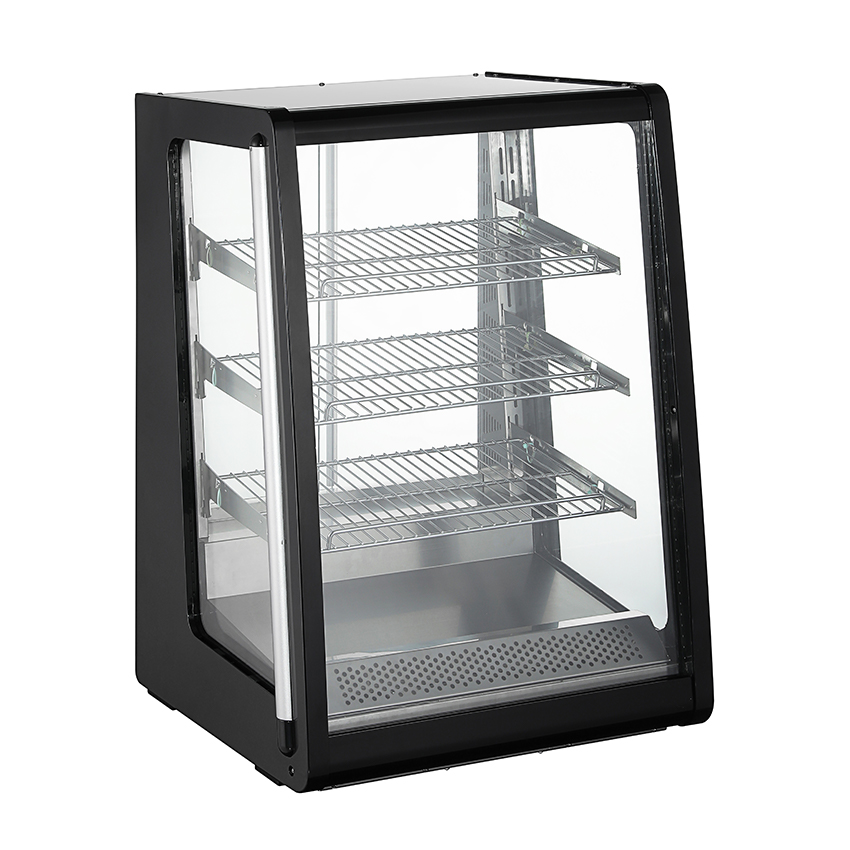
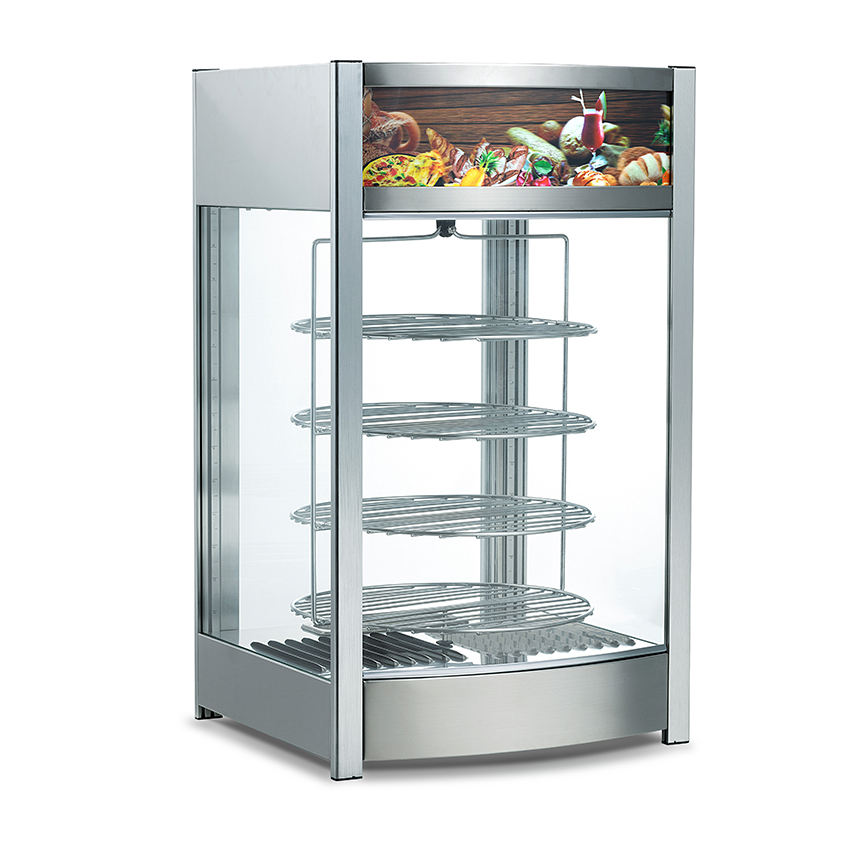
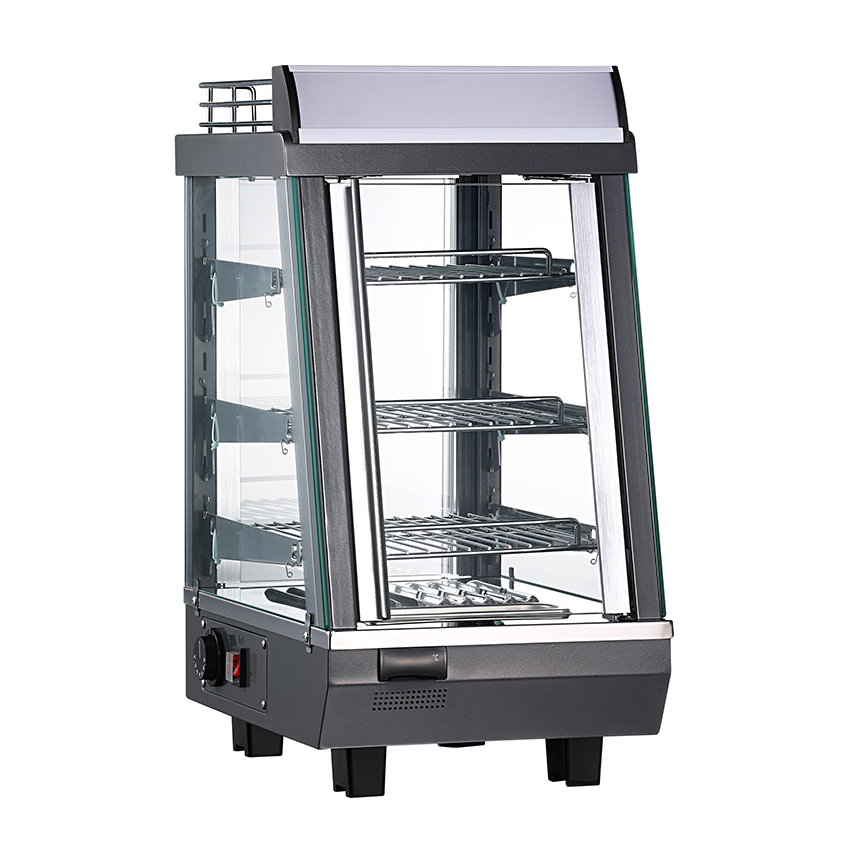
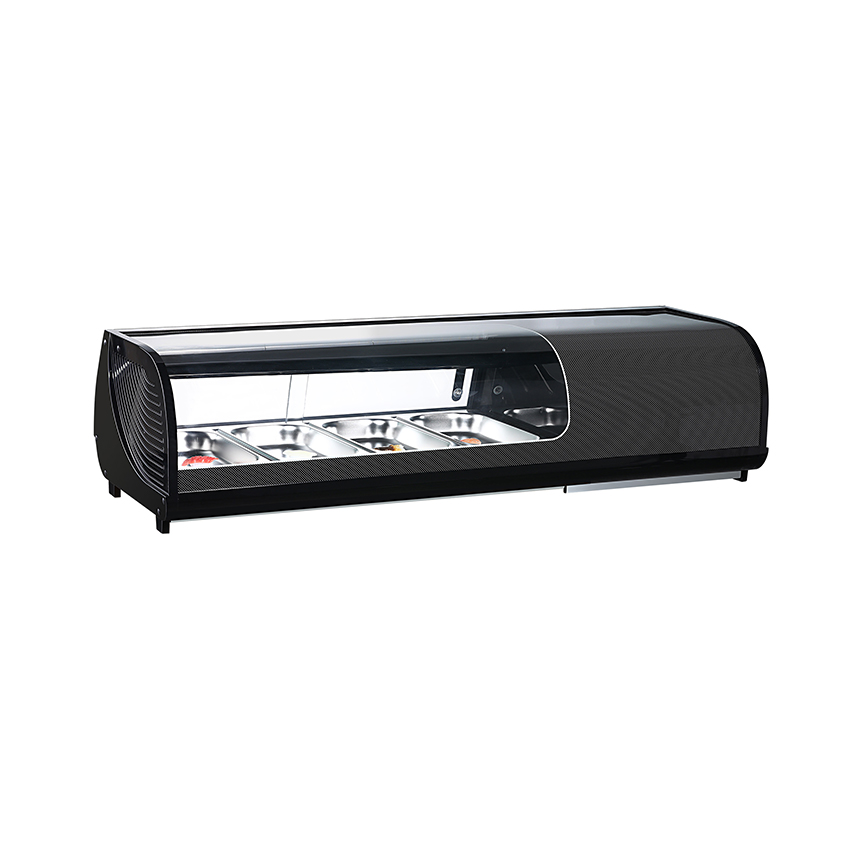
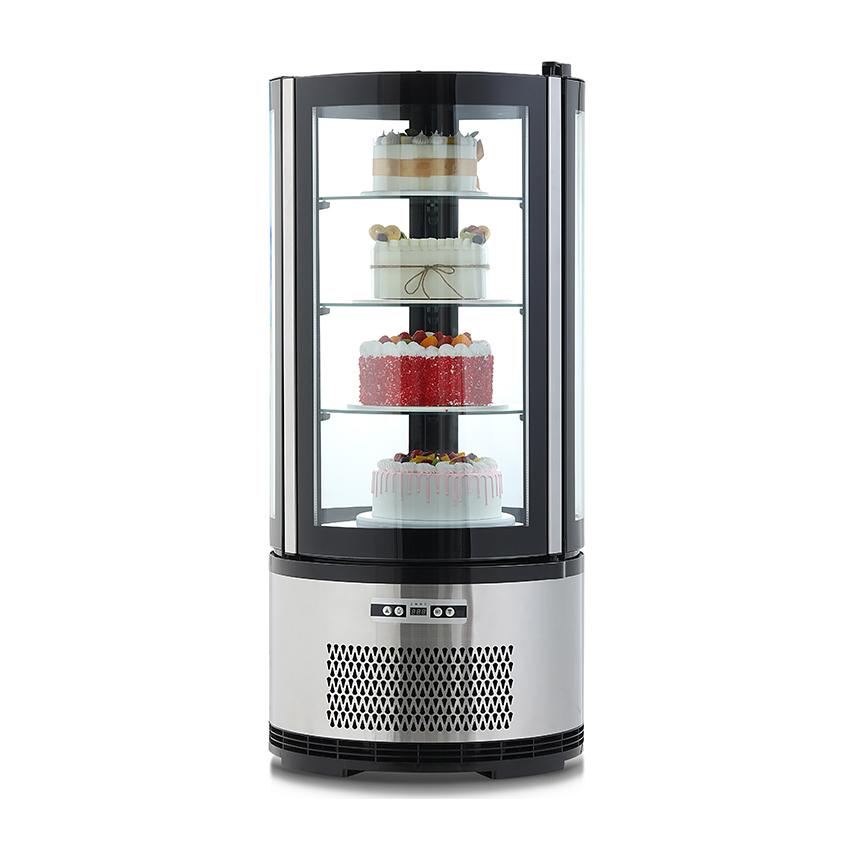
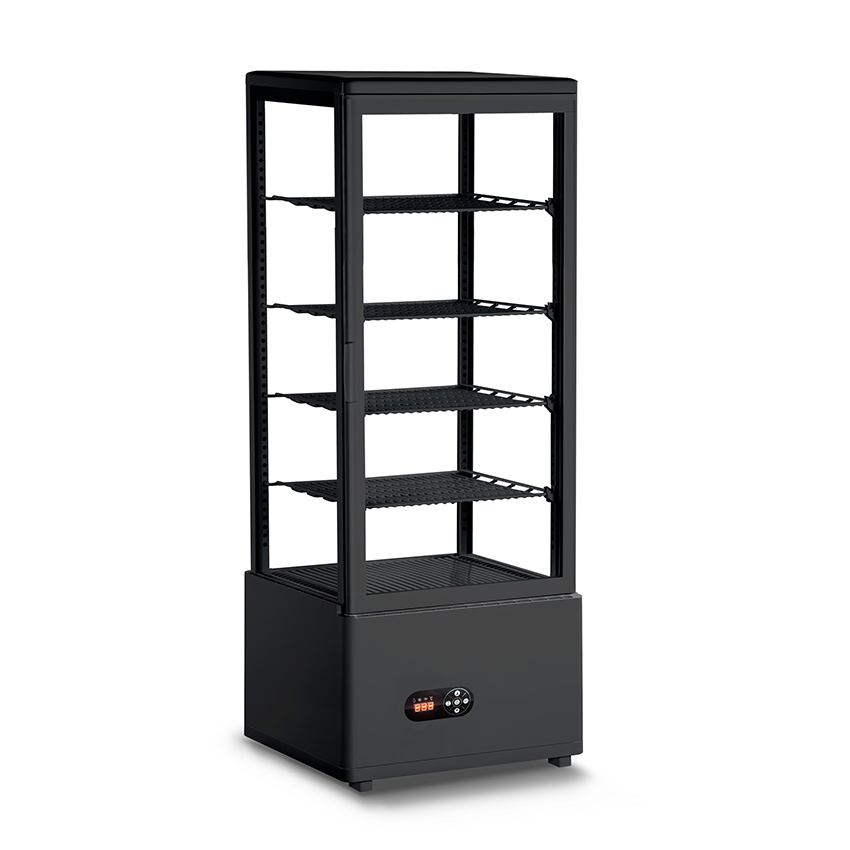
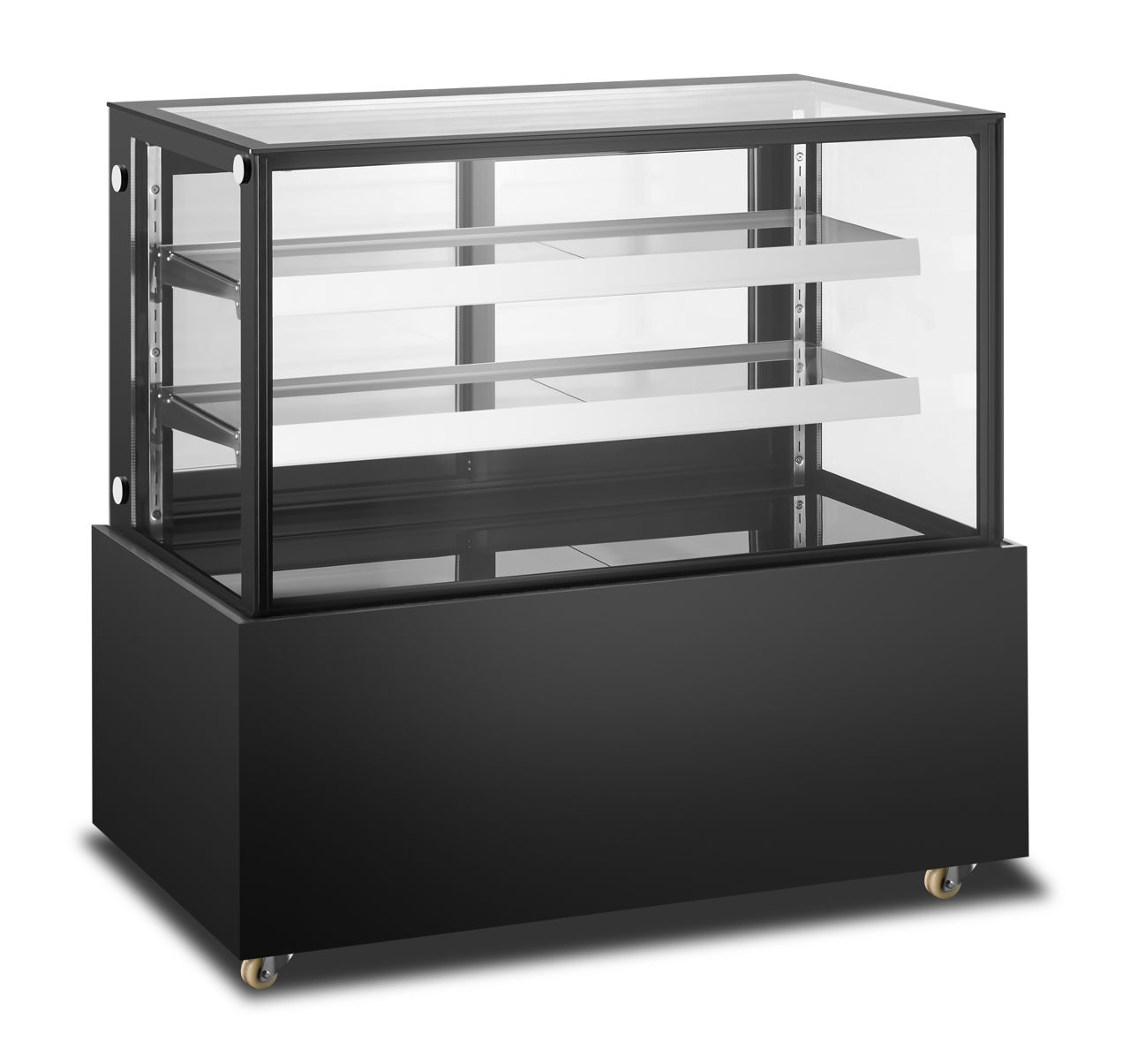
Multi-product thermal display cabinet
The multi-product thermal insulation display cabinet has various sizes, elegant appearance and unique design. It ad...



The direct answer: food stored in a Countertop Hot Holding Cabinet should be maintained at 140°F (60°C) or above at all times. According to the FDA Food Code, hot held food must never drop below this threshold. Most health departments allow hot food to be held for a maximum of 4 hours if it falls below the safe holding temperature — after which it must be discarded. Understanding the food danger zone (41°F–140°F / 5°C–60°C) is the foundation of every safe food holding operation.
Whether you operate a restaurant, cafeteria, hotel buffet, or retail food service, keeping food at the correct hot holding temperature is both a legal obligation and a critical public health measure. A reliable Commercial Food Holding Cabinet is your first line of defense against bacterial growth and foodborne illness.
Content
The food danger zone is the temperature range between 41°F (5°C) and 140°F (60°C) where bacteria multiply most rapidly. Within this range, pathogens such as Salmonella, Listeria, and Staphylococcus aureus can double in number every 20 minutes under ideal conditions. This is why the FDA and USDA have established strict thresholds for commercial food operations.
Foods that linger in the danger zone for more than 2 cumulative hours enter a risk window; anything beyond 4 hours is considered unsafe and should be discarded regardless of appearance or smell. Using a properly calibrated Stainless Steel Hot Cabinet or Electric Food Warmer Cabinet eliminates guesswork by maintaining temperatures consistently above 140°F.
The diagram above visually maps the three critical temperature zones every food service operator must understand. The danger zone (red-orange band) represents the range where harmful bacteria thrive; any food held in this zone accumulates risk with every passing minute. The safe hot holding zone above 140°F is where your Electric Food Warmer Cabinet or Tabletop Food Warmer must consistently operate. Cold storage below 41°F is equally important for foods awaiting preparation, but once food enters the hot holding phase, temperature monitoring becomes a continuous responsibility, not a one-time check.
Not all foods are equal in terms of their vulnerability to bacterial contamination during hot holding. The following hot holding temperature chart outlines recommended internal temperatures for specific food categories commonly stored in a Restaurant Hot Cabinet or Heated Food Display Cabinet:
| Food Category | Min Safe Holding Temp | Max Recommended Hold Time | Key Risk Pathogen |
|---|---|---|---|
| Cooked Poultry (chicken, turkey) | 165°F (74°C) | 4 hours | Salmonella |
| Ground Beef / Pork | 155°F (68°C) | 4 hours | E. coli O157:H7 |
| Whole Cuts of Beef / Pork | 145°F (63°C) | 4 hours | Listeria |
| Fish and Seafood | 145°F (63°C) | 2–3 hours (quality) | Vibrio |
| Soups, Stews, Gravies | 140°F (60°C) | 4 hours | Clostridium perfringens |
| Cooked Vegetables / Starches | 140°F (60°C) | 4 hours | Bacillus cereus |
| Stuffed Meats / Casseroles | 165°F (74°C) | 4 hours | Multiple pathogens |
This horizontal bar chart clearly illustrates that different protein types carry different minimum safe holding temperature requirements. Poultry and stuffed meats demand the highest threshold at 165°F due to their elevated risk of harboring Salmonella deep within the meat tissue. Whole cuts and seafood sit at 145°F, while liquid-based dishes like soups and cooked vegetables fall at the baseline safe holding temperature of 140°F. Operators using a Dry Heat Holding Cabinet or Humidified Holding Cabinet should pre-program their units to these precise targets based on what food they are storing, not a single blanket setting.
One of the most critical concepts for food service operators to internalize is the exponential nature of bacterial growth. A single bacterium can become over one million in just 6–7 hours at 98.6°F (37°C) — the optimal growth temperature. Even at 80°F, growth is alarming. This is precisely why a Portable Food Warming Cabinet or Tabletop Food Warmer must maintain continuous heat, not intermittent warming.
The line chart above uses a logarithmic scale to illustrate bacterial colony growth over five hours under two conditions. The red line represents food left in the danger zone — growth climbs exponentially, exceeding dangerous thresholds well before the 4-hour regulatory limit. The green dashed line shows food maintained above 140°F in a proper Commercial Food Holding Cabinet: growth remains essentially flat throughout the entire hold period. This visual comparison underscores why the 4-hour maximum is not a casual guideline — by hour 4, bacterial counts in the danger zone can reach numbers that cause serious illness even in healthy adults. Establishments relying on a quality Heated Food Display Cabinet or Stainless Steel Hot Cabinet can confidently serve food well within the 4-hour window without worry.
Modern Countertop Hot Holding Cabinets come in two primary technology variants: Dry Heat Holding Cabinet and Humidified Holding Cabinet. The choice significantly impacts food quality, texture retention, and moisture loss over the hold period. Understanding the difference helps operators match equipment to their menu.
Dry heat cabinets circulate warm air without added moisture. They are ideal for fried foods, baked goods, and crispy items like fried chicken, pastries, and egg rolls. Moisture would make these items soggy. Typical operating temperatures range from 140°F to 200°F depending on the food type and desired hold time. The trade-off is that proteins and grains can dry out if held for extended periods exceeding 2 hours.
Humidified or steam-assisted cabinets inject moisture into the holding environment, making them ideal for roasted meats, rice, mashed potatoes, gravies, and casseroles. Humidity levels between 60–80% RH help maintain juiciness and prevent surface crusting. These units are commonly used in hotel banquet operations, hospital cafeterias, and large buffet restaurants where food may be held for 3–4 hours before service.
The radar chart reveals a clear performance split between the two holding technologies. Dry heat cabinets (orange) excel at maintaining crispiness and energy efficiency, making them ideal for quick-service environments where fried foods turn over frequently. Humidified holding cabinets (blue) outperform on moisture retention and extended hold duration — critical attributes for banquet-style or cafeteria operations where food may sit for 3–4 hours before being served. Neither technology is universally superior; the right choice depends entirely on your food category and service model. Many modern Commercial Food Holding Cabinets now include switchable or dual-mode operation, giving operators flexibility across both food types within a single unit.
Temperature uniformity inside a Stainless Steel Hot Cabinet or Restaurant Hot Cabinet is not guaranteed by the thermostat setting alone. Cabinet design — including door seal quality, shelf spacing, insulation thickness, and heating element placement — plays a major role in whether all parts of the cabinet maintain the required safe holding temperature throughout the hold period.
This column chart illustrates a common phenomenon in real-world hot holding: temperature stratification. When the cabinet is set to 160°F, the top shelf naturally reads higher than the lower zones due to heat rising. The door edge — where gaskets may allow cold air infiltration — shows the coolest reading at 141°F, still above the 140°F minimum but with little margin for error. This data reinforces two critical operating habits: first, place the most temperature-sensitive foods (poultry, stuffed meats) on upper shelves; second, verify temperatures with a calibrated probe thermometer at least every 2 hours, not just by reading the cabinet's built-in display. High-quality units from manufacturers like Fuerj include precision temperature control systems that minimize this stratification effect through even heat distribution engineering.
Additional design factors that impact temperature consistency include:
The demand for reliable hot holding equipment spans a wide range of commercial food service environments. Whether you need a Portable Food Warming Cabinet for event catering or a full-size Commercial Food Holding Cabinet for a hospital cafeteria, the core need is the same: maintaining food at a safe holding temperature above 140°F without compromising quality.
Restaurants account for the largest share of hot holding cabinet use at approximately 35%, driven by the need to maintain consistent food output during peak service hours. Hotel and banquet operations (22%) rely heavily on Humidified Holding Cabinets to preserve large-batch roasted meats and starches during multi-course event service. Healthcare facilities (18%) face some of the strictest food safety regulations of any sector, requiring precise temperature control for vulnerable patient populations. Retail convenience stores and grab-and-go establishments (15%) increasingly use compact Countertop Hot Holding Cabinets and Tabletop Food Warmers for ready-to-eat items. Catering and event companies (10%) favor portable, lightweight units that can be transported between venues without sacrificing temperature control.
Equipment quality is only part of the food safety equation. Operational protocols and daily habits determine whether your Electric Food Warmer Cabinet delivers consistently safe results. The following best practices are derived from FDA Food Code standards and professional kitchen management guidelines.
Energy consumption is a growing concern for commercial kitchens, where equipment often runs 12–16 hours per day. Modern Stainless Steel Hot Cabinets with intelligent energy-saving modes can reduce electricity use by 20–35% compared to older fixed-output models. These units automatically adjust heating output based on internal temperature readings and door-opening frequency, maintaining precise temperature without constant full-power draw.
Fuerj's desktop hot cabinet line incorporates rapid conversion technology between holding and reheating modes, combined with an intelligent energy-saving system that adjusts operating parameters based on actual real-time usage patterns. This is particularly valuable for retail and catering operations where cabinet utilization fluctuates significantly throughout the day — for example, heavy use during the 11 AM–2 PM lunch peak and lighter use during mid-afternoon hours.
The grouped bar chart shows energy consumption across four typical service periods. The difference is most dramatic during idle/overnight periods, where a smart cabinet consumes just 1.4 kWh compared to 4.1 kWh for a standard fixed-output unit. Over a full year of operation, this translates to savings of approximately 985 kWh in overnight idle alone — a meaningful reduction in both operating costs and environmental impact. The lunch peak shows the second-largest saving, with smart cabinets adapting their output to actual heat demand rather than running at maximum capacity continuously. For operators considering long-term total cost of ownership, energy efficiency is a factor that increasingly justifies selecting premium Electric Food Warmer Cabinet models with intelligent control systems.
Q1. What is the minimum safe holding temperature for hot food?
The FDA Food Code requires that all hot foods be maintained at a minimum of 140°F (60°C) at all times during hot holding. Any food that drops below this temperature enters the danger zone and begins accumulating bacterial risk. If food falls below 140°F, it should be reheated to at least 165°F within 2 hours and returned to safe holding, or discarded if it has been below temperature for more than 2 hours.
Q2. How long can food stay in a hot holding cabinet safely?
Most food safety authorities allow hot held food to remain in a Commercial Food Holding Cabinet for a maximum of 4 hours at or above 140°F. After 4 hours, food quality typically deteriorates and regulatory guidelines recommend discarding rather than attempting reuse. Some high-moisture foods like soups and gravies may hold well for the full 4 hours, while fried or crispy items may lose acceptable quality after 1–2 hours.
Q3. Can a hot holding cabinet be used to reheat cold food?
No — a standard Countertop Hot Holding Cabinet or Tabletop Food Warmer is designed for holding food that is already cooked and hot, not for reheating food from a cold state. Reheating requires equipment capable of bringing food from below 40°F to above 165°F within 2 hours. Using a holding cabinet to reheat food is both a food safety violation and a misuse of the equipment, as holding units typically lack the output power to achieve rapid reheating safely.
Q4. What is the difference between a dry heat and a humidified holding cabinet?
A Dry Heat Holding Cabinet circulates warm air without added moisture, making it best suited for crispy and fried foods. A Humidified Holding Cabinet introduces steam or moisture into the cabinet environment, maintaining juiciness in meats, starches, and moist dishes over longer hold periods. The right choice depends entirely on the types of food being held — many operators use both types to accommodate their full menu range.
Q5. How often should I check food temperatures in a hot holding cabinet?
Food safety best practices and most health department standards recommend checking and documenting food temperatures at least every 2 hours during service. This frequency provides enough advance warning to take corrective action (reheating or discarding) before the 4-hour limit is reached. Using a calibrated probe thermometer rather than relying solely on the cabinet's built-in display gives the most accurate reading of actual food temperature.
Q6. Is a countertop hot holding cabinet suitable for small restaurants or retail operations?
Yes — Countertop Hot Holding Cabinets and Tabletop Food Warmers are specifically designed for smaller footprint operations including cafes, convenience stores, bakeries, and fast-casual restaurants. These compact units offer the same temperature control and food safety performance as full-size floor models, while fitting on a prep counter or service line. They are also commonly used in catering operations as Portable Food Warming Cabinets that can be transported to event venues.

Copyright © Zhejiang Fuerj Electric Science And Technology Co., Ltd. Rights Reserved. Food Showcase Display Manufacturer Fireplace Factory
